
Welcome, fellow explorers! Here at Vietnam Adventure, we believe travel is about connecting deeply with a place and its people. And there’s no better way to truly understand the soul of Vietnam than by experiencing Tết. So, what is Tet in Vietnam? Simply put, Tết, or Tết Nguyên Đán, is the Vietnamese Lunar New Year and the most significant and cherished holiday in Vietnam. It’s a vibrant, emotionally charged period of family reunions, honoring ancestors, and embracing hopes for prosperity and luck in the coming year. For travelers, understanding Tết offers a unique window into Vietnamese culture and a chance to witness traditions that have been passed down for generations. Join us as we unravel the magic of this extraordinary celebration!
Understanding Tết: Vietnam’s Heartbeat Holiday
To truly grasp what is Tet in Vietnam, imagine a blend of Christmas, New Year’s, and Thanksgiving, all rolled into one spectacular, extended celebration. It’s a time when the entire country hums with anticipation, reflection, and joyous renewal. Families, no matter how far apart, strive to reunite, transforming cities into quiet havens and rural areas into bustling hubs of homecoming.

The Deep Roots of Tết: History and Meaning
The origins of Tết stretch back centuries, intricately tied to the lunar calendar and the rhythm of agricultural life. Originally, it marked the end of the harvest season and the beginning of spring, a period of rest and rejuvenation before new planting began. This profound connection to nature and the cycle of life remains at its core.
What does Tet mean in Vietnam?
The full name, Tết Nguyên Đán, translates to “Feast of the First Morning of the First Day,” beautifully encapsulating its essence as a fresh start. It signifies:
- Transition: A sacred bridge between the old year and the new, leaving behind misfortunes and embracing good fortune.
- Family Reunion: The most important aspect, where generations gather to strengthen bonds and honor their heritage.
- Ancestral Veneration: A deeply spiritual time to remember and show respect to ancestors, inviting their blessings for the family.
- Renewal and Hope: A collective cleansing of homes, minds, and spirits, preparing for a year filled with health, prosperity, and happiness.
When is Tet in Vietnam?
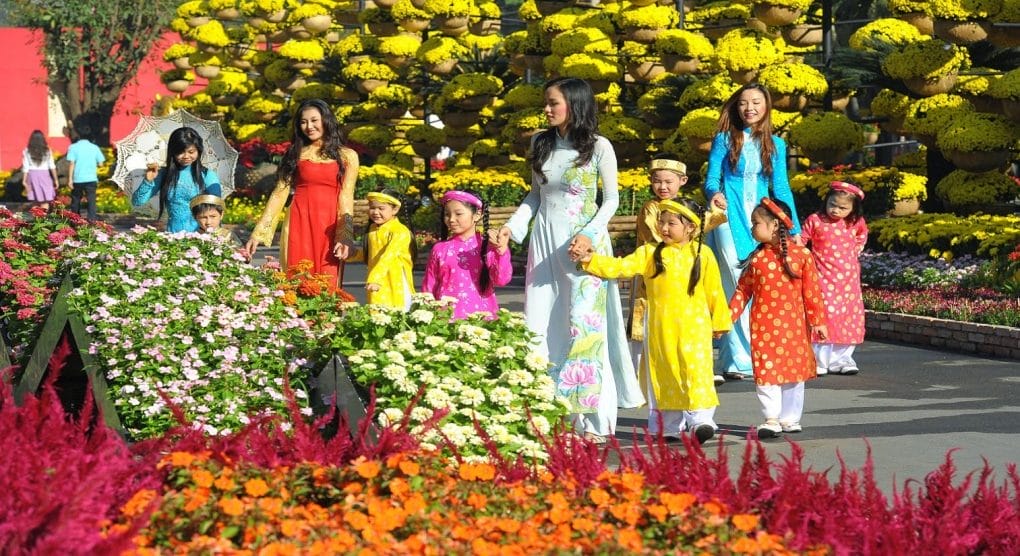
Tết doesn’t fall on a fixed date in the Gregorian calendar, as it follows the Vietnamese Lunar Calendar. This means the date shifts each year, usually falling between late January and mid-February. Knowing when is Tet holiday in Vietnam is crucial for planning your visit. The official public holiday typically lasts for about a week, but the preparations and celebrations can span several weeks before and after the main days.
Tet Dates in the Vietnamese Calendar (Approximate)
| Year | Gregorian Date of First Day of Tết | Animal Sign |
|---|---|---|
| 2024 | February 10 | Dragon |
| 2025 | January 29 | Snake |
| 2026 | February 17 | Horse |
| 2027 | February 6 | Goat |
| 2028 | January 26 | Monkey |
These dates mark the beginning of the major celebrations, but the festive atmosphere builds well in advance. So if you’re wondering what date is Tet in Vietnam for your travel plans, consult the lunar calendar for the specific year.
The Vibrant Tapestry of Tết Celebrations
Experiencing what is Tet celebration in Vietnam is a feast for the senses, a symphony of sounds, sights, and aromas. From the bustling markets to the quiet family altars, every moment tells a story of tradition and hope.
Before Tết: The Buzz of Preparation
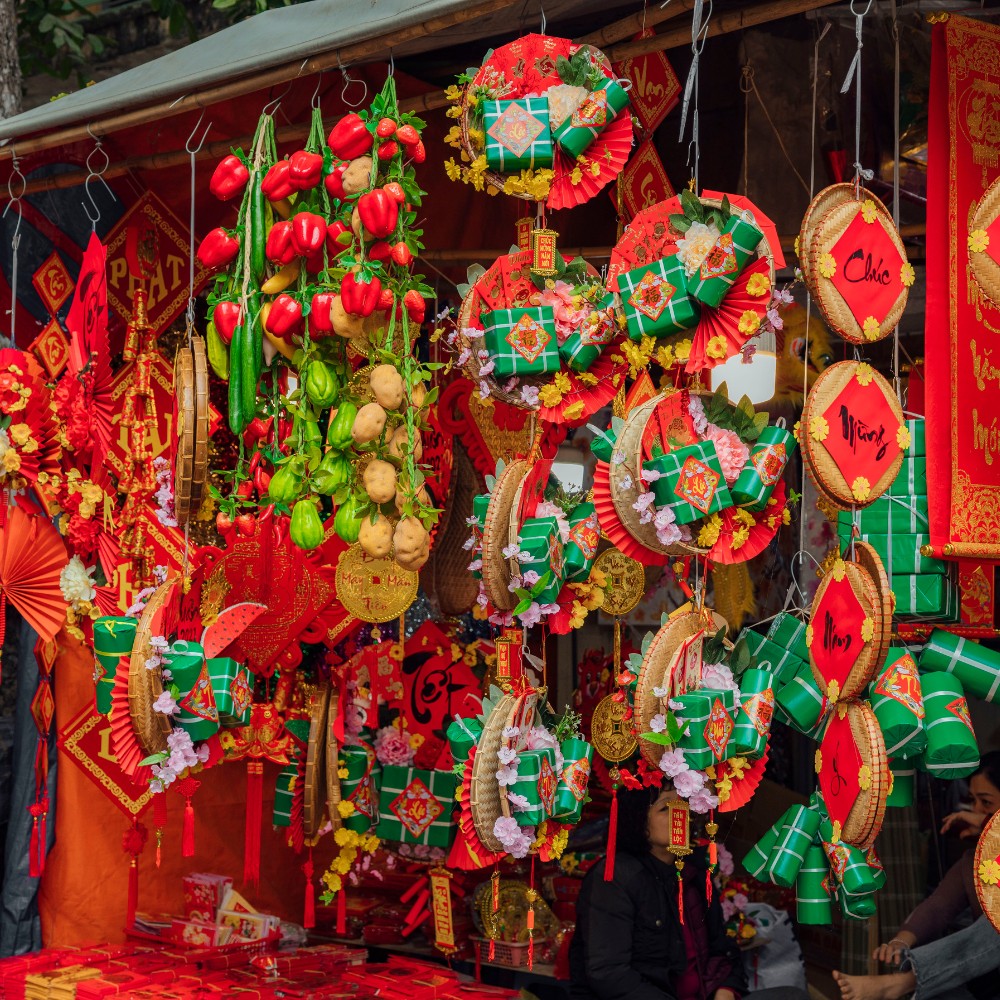
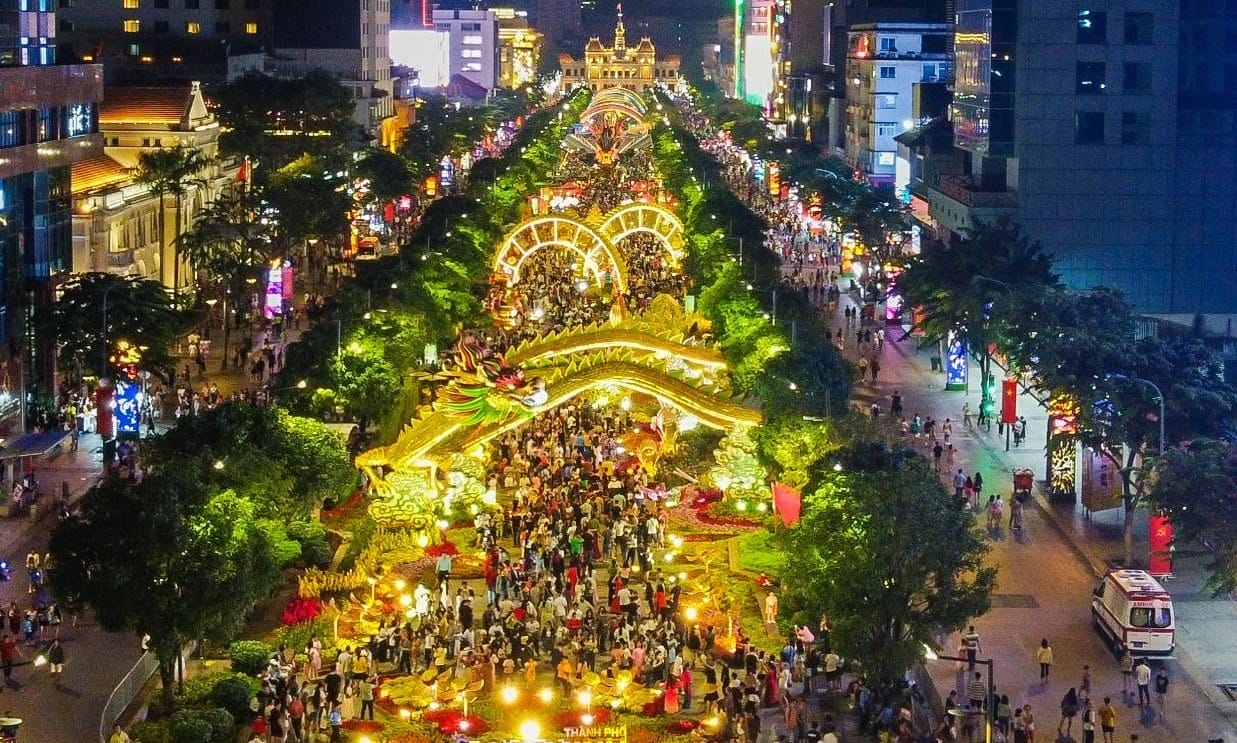
Weeks before Tết, a palpable energy electrifies Vietnam. Streets come alive with vibrant flowers, particularly the brilliant yellow of ochna (hoa mai) in the south and delicate pink peach blossoms (hoa đào) in the north. Kumquat trees laden with golden fruit symbolize prosperity.
- House Cleaning: Homes are meticulously cleaned and decluttered, sweeping away old misfortunes and making way for new luck.
- Shopping Frenzy: Markets overflow with festive goods, new clothes, and ingredients for traditional Tết dishes. The air is thick with the scent of fresh herbs, exotic fruits, and the earthy aroma of sticky rice being prepared.
- Kitchen God Day (Ông Công Ông Táo): About a week before Tết, families offer a ritual farewell to the Kitchen Gods, who ascend to heaven to report on household affairs. This involves releasing carp fish into rivers or lakes, believing they will carry the gods to the celestial realm.
- Making Bánh Chưng and Bánh Tét: The quintessential Tết foods. Families gather to wrap these dense, savory sticky rice cakes, often staying up all night to boil them – a cherished bonding activity.
During Tết: Family, Feasting, and Festivities
The main days of Tết are a beautiful blur of customs and joyous gatherings.
- New Year’s Eve (Giao Thừa): The most sacred moment, marking the transition from old to new. Families gather for a final meal of the year, make offerings to ancestors, and enjoy dazzling fireworks displays.
- First Day of Tết (Mùng Một): Focused on family. The first foot to enter the home (xông đất) is carefully chosen for good luck. Children receive “lucky money” (lì xì) in red envelopes, and families visit temples and pagodas to pray for blessings.
- Subsequent Days: Visiting relatives, friends, and teachers. The atmosphere is filled with well-wishes, laughter, and abundant food.
Traditional Foods of Tết
Food is central to Tết, each dish carrying symbolic meaning.
- Bánh Chưng / Bánh Tét: The savory sticky rice cakes, square in the north (Bánh Chưng) and cylindrical in the south (Bánh Tét), symbolizing the earth and sky, respectively.
- Gà Luộc (Boiled Chicken): A staple, often offered to ancestors.
- Nem Rán (Spring Rolls): Crispy, flavorful rolls enjoyed by all.
- Mứt Tết (Candied Fruits): A variety of vibrant, sweet treats offered to guests.
- Dưa Hành (Pickled Onions/Leeks): A traditional accompaniment to rich Tết dishes, balancing the flavors.
Practical Tips for Traveling During Tết
Experiencing what is Tet festival in Vietnam as a traveler can be incredibly rewarding, but it requires mindful planning. Here’s how to make your journey smooth and enriching:
- Book Everything in Advance: Transportation (flights, trains, buses) and popular accommodation fill up rapidly as everyone travels home. Book months ahead!
- Expect Closures: Many businesses, restaurants, and tourist sites will close for at least the first few days of Tết, sometimes longer. City centers can feel incredibly quiet, which can be a unique experience in itself.
- Embrace the Quiet: While some services might be limited, the tranquil streets of major cities during the first few days of Tết offer a rare opportunity to explore without the usual hustle and bustle. Rent a bicycle and soak it in!
- Learn Basic Greetings: A simple “Chúc Mừng Năm Mới” (Happy New Year) with a warm smile goes a long way.
- Be Respectful of Traditions: If invited into a Vietnamese home (a true honor!), remember that the first guest of the year is significant. Don’t drop by uninvited. Follow your host’s lead regarding customs.
- Have Cash: While card payments are common, smaller shops or those with limited staff might prefer cash during this period.
- Be Patient: Service might be slower, and prices for some services might be higher due to holiday surcharges. Embrace the slower pace and remember you’re witnessing a country in celebration.
Understanding these aspects of what is Tet holiday in Vietnam allows you to travel more mindfully, respecting local customs while still enjoying the unique atmosphere.
Frequently Asked Questions about Tết
What is the significance of the red envelopes during Tết?
The red envelopes, called “lì xì,” contain “lucky money” and are a cherished Tết tradition. Giving lì xì symbolizes wishing good luck, health, and prosperity to the recipient, especially children and elders. The red color itself represents good fortune and warding off evil spirits.
Can I visit Vietnam during Tết as a tourist?
Absolutely! Visiting during Tết offers a truly unique cultural immersion. While some services may be limited, you’ll witness Vietnam at its most authentic and vibrant. Just remember to plan and book all your logistics well in advance, and embrace the festive spirit!
Is Tết the same as Chinese New Year?
While both holidays are based on the lunar calendar and share some similarities in traditions (like family reunions and lucky money), they are distinct celebrations. Vietnam has its own unique customs, foods, and cultural significance for Tết, reflecting its rich independent heritage.
What should I avoid doing during Tết?
During Tết, it’s generally considered unlucky to sweep the house (as it “sweeps away” good fortune), argue, or break things. Avoid wearing black or white (colors of mourning). Be mindful of your words and actions, always aiming for positivity and good cheer. And as mentioned, don’t visit homes uninvited.
Why are flowers so important for Tet in Vietnam?
Flowers are paramount during Tết! The vibrant yellow ochna (hoa mai) in the south and the delicate pink peach blossoms (hoa đào) in the north symbolize spring, prosperity, and new beginnings. Kumquat trees, laden with golden fruit, represent wealth. Decorating homes with these blooms invites good fortune and vitality for the coming year.
Conclusion: Embrace the Spirit of Tết
We hope this journey has illuminated what is Tet in Vietnam for you. It’s far more than just a public holiday; it’s the very soul of the country, a powerful testament to family, tradition, and enduring hope. For those of us at Vietnam Adventure, witnessing the preparations, feeling the festive energy, and understanding the deep cultural significance of Tết enriches every traveler’s experience. It’s an opportunity to connect, to learn, and to create memories that resonate long after you’ve returned home.
Ready to plan your own mindful exploration of Vietnam, perhaps even during the magical Tết season? Let Vietnam Adventure be your companion on this incredible journey, crafting an experience that speaks to your heart and soul.