
Greetings, fellow wanderers! At Vietnam Adventure, we understand that sometimes a visit just isn’t enough. The allure of Vietnam, with its bustling streets, serene landscapes, and delicious cuisine, can truly capture your heart, leading many to ponder: how to get residency in Vietnam? The direct and concise answer is that obtaining residency in Vietnam primarily involves securing either a Temporary Residence Card (TRC) or a Permanent Residence Card (PRC), each with specific eligibility criteria, usually tied to employment, investment, or familial connections.
Embracing the Journey: Understanding Residency in Vietnam
Imagine waking up to the aroma of strong Vietnamese coffee, the gentle sounds of daily life unfurling around you, and the promise of another day exploring hidden alleys and vibrant markets. Many dream of making this a permanent reality, and understanding how to get residency in Vietnam is the first exciting step. This guide will walk you through the various pathways to make Vietnam your long-term home, allowing you to truly immerse yourself in its rhythm and soul.
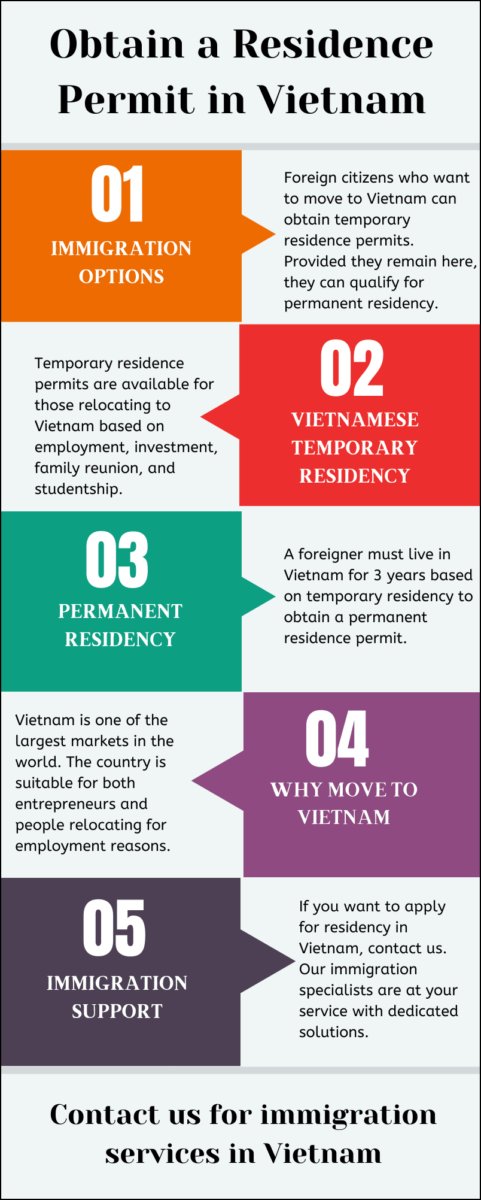
The Two Main Pathways: Temporary vs. Permanent Residence
When you seek to live permanently in Vietnam, you’ll generally encounter two primary types of residence permits: the Temporary Residence Card (TRC) and the Permanent Residence Card (PRC). Each serves a different purpose and comes with its own set of requirements and benefits, much like choosing between a short-term exploration and a deep, lifelong commitment to a place.
- Temporary Residence Card (TRC): This is the more common route for many expatriates. It’s often linked to a valid work permit, investment, or being a dependent of someone with a TRC. Think of it as your long-term visa, allowing you to stay in Vietnam for extended periods, typically from one to five years, and renewable. It’s how many start their journey to how to settle in Vietnam.
- Permanent Residence Card (PRC): This is the ultimate goal for those who truly wish to live in Vietnam permanently. It’s a more challenging card to obtain, requiring a significant period of continuous stay in Vietnam, close familial ties to Vietnamese citizens, or substantial contributions to the nation’s development. It signifies a profound commitment to making Vietnam your forever home.
Unlocking Your Stay: Obtaining a Temporary Residence Card (TRC)
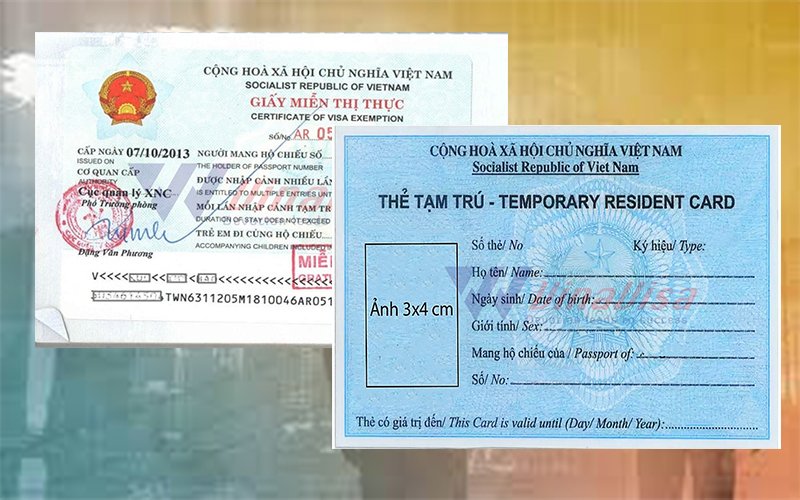
For many, the first tangible step towards how to live in Vietnam beyond a tourist visa is securing a Temporary Residence Card. This card is your golden ticket to longer stays and a deeper connection with the country. To truly understand how to get vietnam residence permit, particularly the TRC, let’s delve into the common categories and requirements.
Eligibility for a Temporary Residence Card
Vietnam welcomes those who can contribute to its vibrant society. Here are the most common pathways to becoming eligible for a TRC:
- Employed Individuals: If you have a valid work permit and a Vietnamese sponsoring entity, this is often the most direct route. Your employer will typically assist with the application process, ensuring your stay aligns with your professional contributions.
- Investors: For those who wish to invest in Vietnam’s burgeoning economy, investor visas (like the DT1, DT2, DT3, DT4 categories) can lead to a TRC. The level of investment dictates the duration and type of TRC you receive.
- Dependents: Family reunification is important. If your spouse, child (under 18), or parent is a Vietnamese citizen or holds a TRC, you might be eligible to obtain a TRC as their dependent. This allows families to stay together and immigrate to Vietnam as a unit.
- Students: Those pursuing long-term education at Vietnamese institutions can also apply for a TRC linked to their studies.
- Journalists/Correspondents: Accredited foreign journalists or correspondents working in Vietnam can obtain TRCs.
The Application Process: A Step-by-Step Glimpse
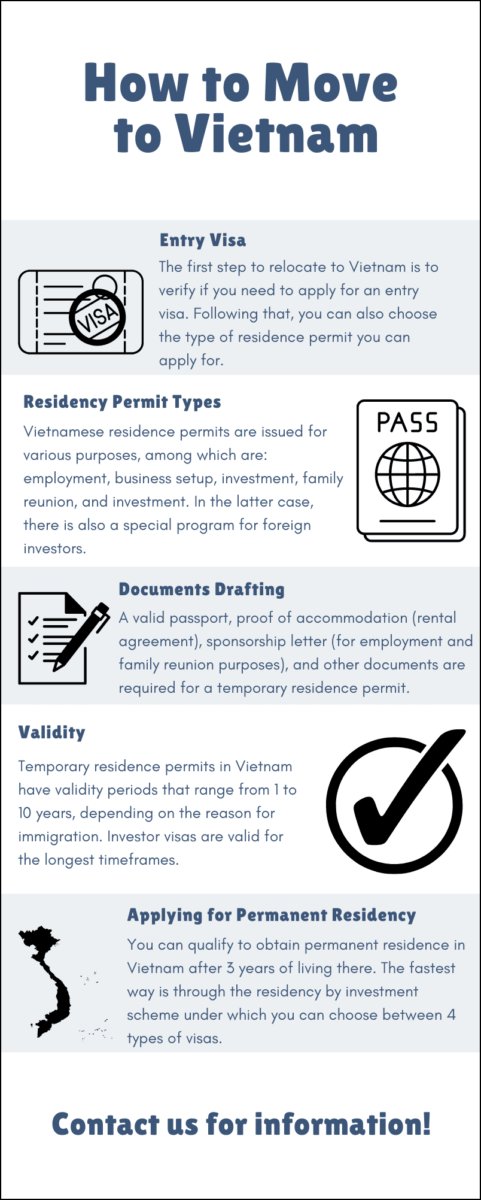
While the specifics can vary slightly, the general procedure for how to get temporary residence card in Vietnam involves these key steps:
- Secure a Sponsor: For most TRC applications, a Vietnamese entity (employer, company, educational institution, or even a direct relative) must act as your sponsor.
- Gather Required Documents: This is where meticulous preparation is vital. You’ll need a valid passport, visa, photographs, and documents proving your eligibility (e.g., work permit, investment license, marriage certificate).
- Submit Application: The application is typically submitted to the Vietnam Immigration Department in the province or city where you reside. Your sponsor often handles the submission.
- Pay Fees: There are government fees associated with the TRC application.
- Await Processing: Processing times can vary, but generally take a few weeks.
- Receive TRC: Once approved, your TRC will be issued, often in the form of a card that acts as your long-term identification and travel document within Vietnam.
The Pinnacle of Stay: Acquiring Permanent Residency (PRC)
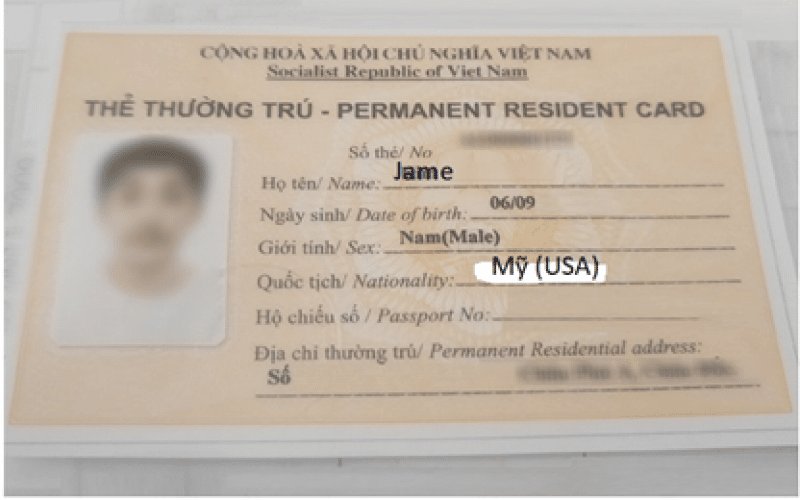
For those who have truly fallen in love with Vietnam and envision a lifetime here, the Permanent Residence Card (PRC) is the ultimate goal. Understanding how to get permanent residency in Vietnam involves a deeper level of commitment and a more stringent set of conditions, reflecting the profound bond you wish to forge with this nation.
Conditions for Obtaining a Permanent Residence Permit
The criteria for a PRC are more demanding, designed for individuals with a proven, long-term connection to Vietnam. Common pathways include:
- Close Relatives of Vietnamese Citizens: If you are a spouse, child, or parent of a Vietnamese citizen, and have resided in Vietnam for a significant period (often five years with a TRC), you may be eligible. This emphasizes family reunification and cultural integration.
- Individuals Who Have Made Significant Contributions: Foreigners who have made outstanding contributions to the development and protection of Vietnam, or whose presence serves the national interest, can also apply. This is often decided on a case-by-case basis.
- Individuals with Humanitarian Reasons: In certain humanitarian circumstances, individuals may be granted permanent residency.
Documents Required for a Permanent Residence Permit
Preparing for a PRC application means compiling an extensive dossier. While exact requirements can shift, generally you’ll need:
- Application form for permanent residence.
- Original passport.
- Proof of legal residence in Vietnam (e.g., TRC, temporary residence certificates).
- Documents proving your familial relationship with a Vietnamese citizen (birth certificates, marriage certificates).
- Proof of stable income and financial means to support yourself in Vietnam.
- Criminal record check from your home country and Vietnam.
- A guarantee by a Vietnamese citizen or organization.
- Documents proving contributions to Vietnam (if applicable).
This comprehensive approach ensures that those who are granted permanent residency are truly integrated and committed to their life in Vietnam. It’s a testament to your journey of how to live in Vietnam permanently.
Navigating Life as an Expat: Practicalities for Your Vietnamese Home
Beyond the legalities of how to get residency in Vietnam, life as an expat here is a rich tapestry of experiences. From finding your home to understanding daily life, these practical insights will help you how to move to Vietnam with ease and truly how to survive in Vietnam.
Finding Your Place: Accommodation and Housing
Whether you dream of a bustling city apartment or a serene countryside retreat, Vietnam offers diverse housing options. Major cities like Ho Chi Minh City and Hanoi boast a wide array of apartments, from modern high-rises to charming colonial-era homes. Renting is the most common option for expats, as foreign ownership of land is restricted. Online portals, local real estate agents, and expat social media groups are invaluable resources for finding a suitable place. Prices vary significantly based on location, size, and amenities.
Managing Your Finances: Banking and Currency
Opening a bank account in Vietnam is relatively straightforward once you have a TRC or a long-term visa. Most major Vietnamese banks offer services for foreigners. The local currency is the Vietnamese Dong (VND), and while credit cards are widely accepted in larger establishments, cash is king for local markets, street food, and smaller businesses. Understanding the cost of living will help you how to survive Vietnam financially.
Healthcare and Well-being
Vietnam has a dual healthcare system with both public and private hospitals. While public hospitals are more affordable, private international hospitals often provide English-speaking staff and Western-standard care, albeit at a higher cost. International health insurance is highly recommended for expats. Staying healthy involves embracing local cuisine in moderation, being mindful of street food hygiene, and protecting yourself from the tropical sun.
Embracing Vietnamese Culture and Community
The heart of how to settle in Vietnam lies in connecting with its people and culture. Learning basic Vietnamese phrases will open countless doors and endear you to locals. Join expat groups for social connections and practical advice, but also seek out opportunities to interact with Vietnamese neighbors and colleagues. Participating in local festivals, trying new foods, and exploring historical sites will deepen your appreciation for your new home. Vietnamese culture values respect, community, and hospitality – embrace these, and you will thrive.
| Expense Category | Ho Chi Minh City | Hanoi | Da Nang |
|---|---|---|---|
| Rent (1-bedroom apartment, city center) | $400 – $800 | $350 – $700 | $300 – $600 |
| Utilities (electricity, water, internet) | $50 – $100 | $45 – $90 | $40 – $80 |
| Groceries | $150 – $300 | $140 – $280 | $130 – $250 |
| Local Transportation | $30 – $60 | $25 – $50 | $20 – $40 |
| Dining Out (local restaurants) | $100 – $200 | $90 – $180 | $80 – $160 |
| Total Estimated Monthly Cost | $730 – $1540 | $690 – $1300 | $570 – $1130 |
| These are approximate figures and can vary widely based on lifestyle. | |||
Living Respectfully: Navigating Cultural Nuances as a Resident
Beyond the paperwork and practicalities of how to get residency in Vietnam, truly thriving here means embracing and respecting the local culture. It’s not just about living in Vietnam; it’s about living with Vietnam.
- Show Respect for Elders: Always show deference to older individuals. A slight bow, using appropriate titles, and waiting for them to speak first are common signs of respect.
- Dress Modestly: Especially when visiting pagodas, temples, or formal government offices, ensure your shoulders and knees are covered. This shows respect for local customs and religious sites.
- Learn Basic Vietnamese Phrases: Even a few simple greetings like “Xin chào” (hello), “Cám ơn” (thank you), and “Tạm biệt” (goodbye) can go a long way in showing you are making an effort to integrate.
- Be Mindful of Your Feet and Head: Avoid pointing with your feet, as they are considered the lowest part of the body. Conversely, touching someone’s head is generally considered rude, as it’s the highest and most sacred part.
- Chopstick Etiquette: Never stick your chopsticks upright in a bowl of rice; it resembles incense sticks offered to the dead. Lay them across your bowl when not in use.
- Bargaining in Markets: Bargaining is common in local markets, but always do so politely and with a smile. Don’t push too hard, and accept that vendors need to make a living.
- Gift Giving: If invited to a Vietnamese home, a small gift is appreciated. Fresh fruit, flowers, or a treat from your home country are good choices. Avoid giving handkerchiefs (associated with sadness) or anything black (associated with funerals).
- Photography: Always ask permission before taking photos of people, especially in rural areas or sensitive locations.
Frequently Asked Questions about Residency in Vietnam
Can I buy property in Vietnam as a foreigner if I have residency?
While foreigners can own apartments (condominiums) with a long-term visa or TRC, outright land ownership in Vietnam is generally restricted to Vietnamese citizens. Foreigners can, however, lease land for extended periods, typically up to 50 years, with options for renewal.
How long does it typically take to obtain a Temporary Residence Card?
The processing time for a Temporary Residence Card can vary depending on the local immigration office, the completeness of your documents, and the specific circumstances of your application. Generally, it takes anywhere from 5 to 15 working days after the submission of a complete application.
Is it possible to convert a tourist visa directly to a Temporary Residence Card?
No, typically you cannot directly convert a tourist visa to a Temporary Residence Card within Vietnam. To apply for a TRC, you generally need to enter Vietnam with the appropriate entry visa (e.g., business visa, investor visa) that aligns with your purpose of stay and your sponsoring entity. It’s often necessary to exit Vietnam and re-enter with the correct visa type before applying for a TRC.
What happens if my Temporary Residence Card expires?
If your Temporary Residence Card is about to expire, you must apply for an extension or a new card before its validity runs out. Overstaying your TRC can lead to fines, deportation, and potential bans from re-entering Vietnam. It is crucial to monitor your TRC expiry date diligently.
Can I work in Vietnam with just a Temporary Residence Card?
A Temporary Residence Card itself does not automatically grant you the right to work. To work legally in Vietnam, you must also obtain a valid work permit, unless you fall under specific exemptions. Your TRC will typically be linked to your work permit or other valid reason for long-term stay.
Do I need a lawyer to help me with my residency application?
While it is possible to apply for residency yourself, especially for a TRC through an employer, navigating the Vietnamese immigration system can be complex. Engaging an experienced local lawyer or a reputable immigration service can significantly streamline the process, ensure all documents are correct, and prevent potential delays or rejections, especially when considering how to immigrate to Vietnam.
Your Vietnamese Odyssey Awaits
The journey to how to get residency in Vietnam is more than just a bureaucratic process; it’s the first step into a life rich with culture, flavor, and unforgettable experiences. Whether you seek the vibrant energy of its cities or the peaceful embrace of its countryside, Vietnam offers a profound sense of belonging to those who choose to make it their home. With the right preparation and a spirit of adventure, your dream of living in this incredible nation can become a beautiful reality. For more insights and assistance in planning your immersive Vietnamese experience, reach out to Vietnam Adventure.