

Welcome, fellow adventurer! Are you dreaming of the open road, feeling the warm Vietnamese breeze against your skin as you navigate vibrant cities and scenic rice paddies? At Vietnam Adventure, we understand that deeply. Many travelers yearn for the freedom of exploring Vietnam by motorbike, but the crucial first step is understanding how to get a motorcycle license in Vietnam. The direct and concise answer is that foreigners generally need to convert their existing valid national or international driving permit into a Vietnamese driving license, or take a driving test if they do not possess an eligible foreign license.
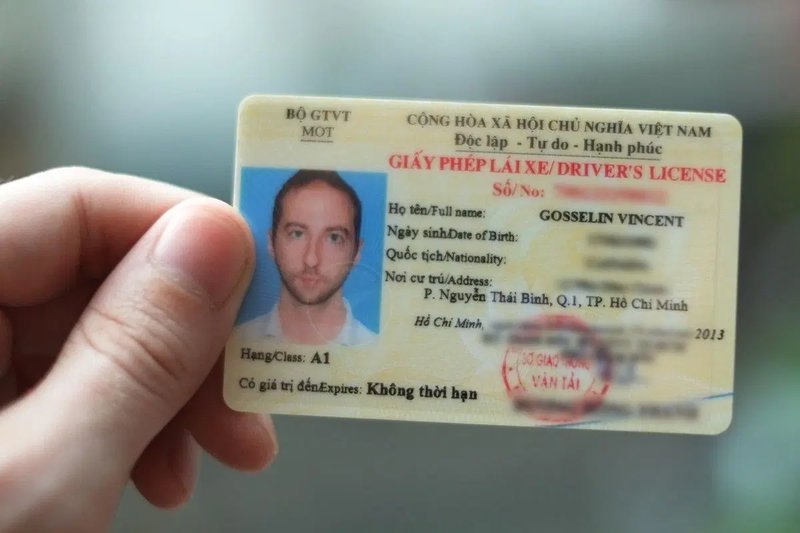
The Essential Steps for Obtaining Your Vietnamese Motorcycle License
Embarking on the journey to secure your Vietnamese motorcycle license might seem like a winding path, but with a little guidance, it becomes a smooth ride. Whether you’re planning a short trip or a longer stay, having the proper license not only ensures your safety but also respects local laws and helps avoid unnecessary complications. Let’s delve into the process of how to get a motorcycle license in Vietnam, ensuring your adventure is both thrilling and compliant.
Converting Your Existing License: The Most Common Path
For most foreigners, the most straightforward approach to legally riding a motorcycle in Vietnam involves converting their home country’s driving license or an International Driving Permit (IDP). It’s important to note that a standard IDP alone is often not sufficient for long-term stays or for certain types of motorcycles, so conversion is usually the recommended step. Here’s a breakdown of what you’ll typically need:
- Valid Foreign Driving License: This is the cornerstone of your application. Ensure it is current and issued by your home country.
- International Driving Permit (IDP): While not always mandatory for conversion, having an IDP (especially one issued under the 1968 Vienna Convention) can streamline the process.
- Translated and Notarized Documents: Your foreign driving license and, if applicable, your IDP will need to be officially translated into Vietnamese by a local notary public. This step is crucial and must not be skipped.
- Vietnamese Visa and Residency Card (Temporary Residence Card): You must have a valid Vietnamese visa. For longer stays, a temporary residence card (TRC) or proof of residency is generally required to apply for a local license.
- Application Form: Obtain and fill out the official application form for a Vietnamese driving license. These are usually available at the Department of Transportation.
- Passport Photos: Prepare a few standard passport-sized photos with a white background.
- Medical Certificate: A health check-up from a Vietnamese medical facility, confirming you are fit to drive. This usually includes basic checks like vision and reflexes.
- Processing Fee: There will be a fee associated with the application and processing.
Once you have all your documents ready, you’ll submit them to the Department of Transportation (Sở Giao thông Vận tải) in the city where you reside. The processing time can vary, so patience is key. It’s always best to inquire about the current expected timeframe when you submit your application.
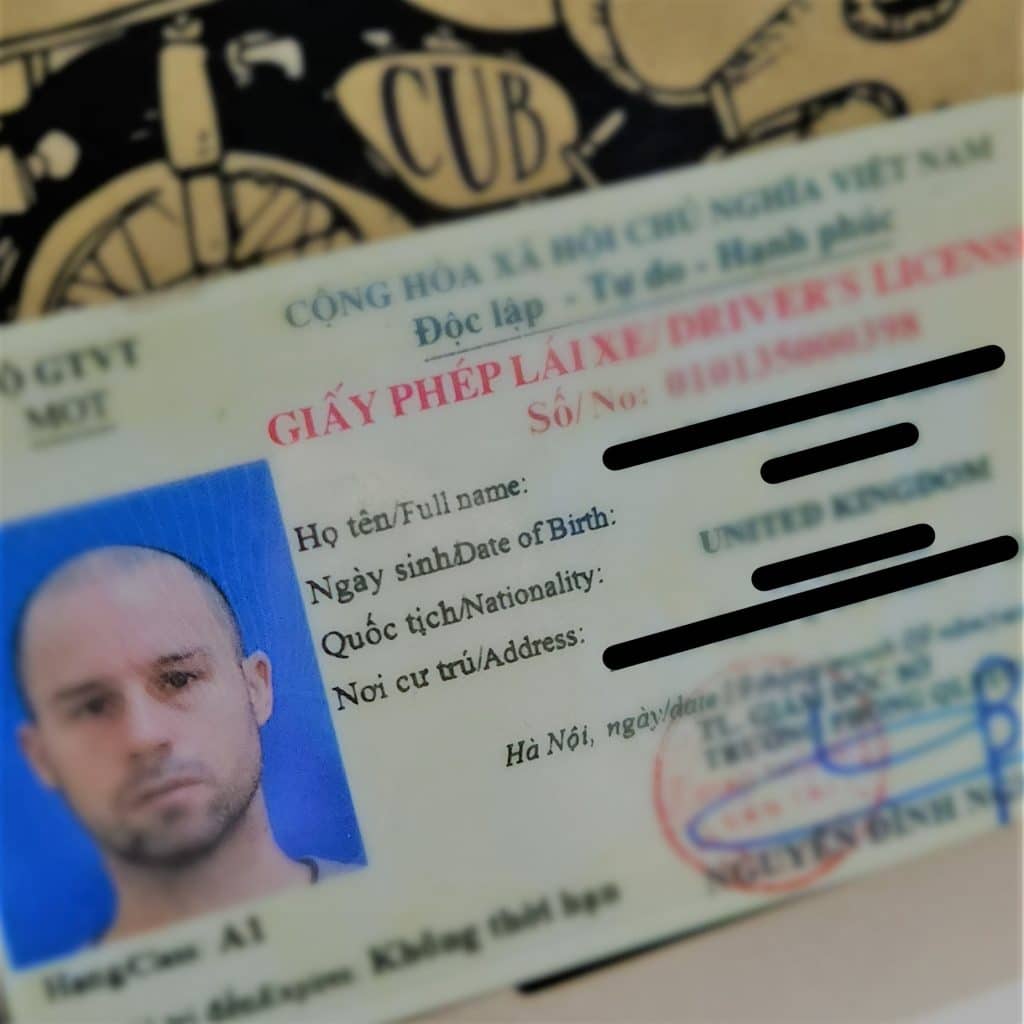
Taking a Driving Test: When Conversion Isn’t Possible
There are instances where converting an existing license isn’t an option, or perhaps you’re seeking to obtain a higher class of license. In such cases, you will need to take a driving test in Vietnam. This typically applies to:
- Individuals whose foreign licenses are not eligible for conversion.
- Those who wish to drive motorcycles with an engine capacity exceeding 175cc (requiring an A2 license), as many foreign licenses might only convert to an A1 equivalent (up to 175cc).
The driving test usually consists of two parts: a written theory test and a practical riding test.
The Theory Test
The theory test covers Vietnamese traffic laws and road signs. It’s usually conducted on computers and can be quite challenging, even for experienced riders. While English versions of the test are available in some major cities, the translation quality can sometimes be an issue. It’s highly recommended to study the Vietnamese traffic laws diligently before attempting the test. There are many online resources and local driving schools that offer practice materials.
The Practical Riding Test
The practical test assesses your ability to safely operate a motorcycle on a designated course. This typically involves navigating cones, riding on a straight line, and demonstrating your braking and turning skills. The test is usually performed on a 100-125cc motorcycle provided at the testing center. Even if you’re an experienced rider, practicing on a Vietnamese-style course can be beneficial to get accustomed to the specific requirements.
Successfully passing both tests is the final step in obtaining your Vietnamese driving license without conversion. This path often requires more time and effort, but it provides a comprehensive understanding of local driving regulations, which is invaluable for safe exploration.
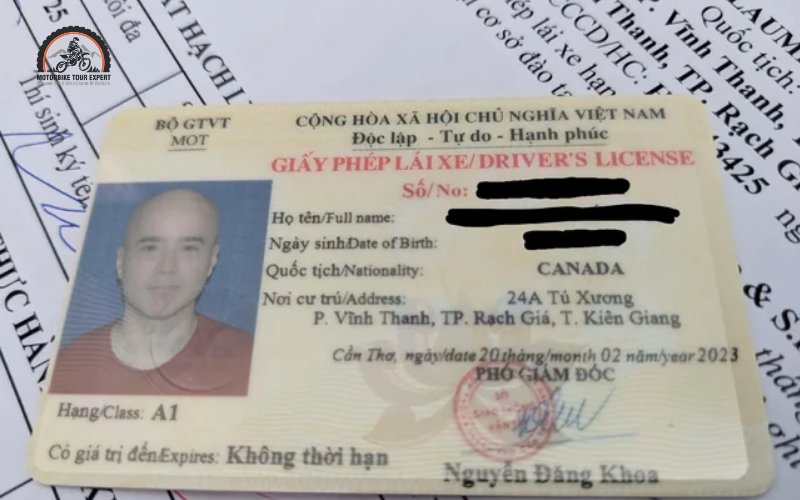
Understanding Different Motorcycle License Classes
In Vietnam, motorcycle licenses are categorized based on engine capacity. Knowing the difference is vital for anyone looking to understand how to get vietnam motorbike license:
- A1 License: This is the most common license for foreigners and allows you to ride motorcycles with an engine capacity from 50cc to under 175cc. Most rental scooters and popular commuter bikes fall into this category.
- A2 License: For those who wish to ride motorcycles with an engine capacity of 175cc and above, an A2 license is required. This often applies to larger touring bikes or more powerful motorcycles. Obtaining an A2 license usually involves taking the full driving test in Vietnam, as foreign A1 equivalents generally don’t convert to A2.
- A3 License: This license is for three-wheeled motorbikes.
- A4 License: This license is for small tractors with a capacity of less than 1,000 kg.
Navigating the Vietnamese Road Culture with Your New License
Once you have your license in hand, the real adventure begins! However, riding in Vietnam is an experience unlike any other. The roads hum with a symphony of horns, a constant flow of motorbikes, cars, and pedestrians. It’s exhilarating, chaotic, and incredibly rewarding if approached with respect and mindfulness. Here are some pointers for a smooth journey:
Essential Riding Etiquette and Safety Tips
Riding a motorcycle in Vietnam is a unique experience that combines freedom with a vibrant, often unpredictable, road environment. To ensure your safety and enjoy every moment of your journey, embracing local etiquette and rigorous safety practices is paramount. This isn’t just about following rules; it’s about becoming part of the flow, understanding the unspoken language of the road, and protecting yourself and others.
- Wear a Helmet (Always!): This is non-negotiable. Not only is it legally required, but it is your most important piece of safety equipment. Invest in a good quality, full-face helmet.
- Drive Defensively: Assume that other drivers might not see you, and be prepared for sudden stops, turns, or unexpected obstacles. Maintain a safe distance from other vehicles.
- Go with the Flow: Vietnamese traffic often moves as a fluid entity. Instead of trying to aggressively cut through, try to blend in with the general speed and direction of traffic. Sudden braking or swerving can be more dangerous than maintaining a consistent, albeit slow, pace.
- Use Your Horn Mindfully: The horn in Vietnam is primarily used as a signal – “I’m here,” or “I’m passing.” It’s not typically used out of anger. A light tap is often enough to alert others to your presence, especially when approaching intersections or blind corners.
- Yield to Larger Vehicles: Buses and trucks generally have the right of way due to their size. Give them ample space.
- Watch for Pedestrians and Animals: People and animals often share the road, especially in rural areas or busy markets. Be alert and prepared to slow down or stop.
- Night Riding Caution: Roads can be poorly lit, and obstacles harder to see at night. If possible, avoid long-distance night riding, especially in unfamiliar areas.
- Proper Lane Discipline (or lack thereof): While lanes exist, they are often seen as suggestions. Keep an eye on your surroundings, as bikes may weave in and out. Stick to the right-hand side of the road, especially in cities.
- Avoid Rush Hour if Possible: Major cities like Hanoi and Ho Chi Minh City experience intense rush hours. If you can, plan your travel to avoid these times to reduce stress and enhance safety.
- Check Your Bike Regularly: Before each ride, do a quick check of your brakes, tires, lights, and horn. If you rent a bike, ensure it is in good working condition before you set off.
- Don’t Drink and Drive: This is a universal rule, and it’s strictly enforced in Vietnam. Alcohol impairs judgment and significantly increases the risk of accidents.
By keeping these tips in mind, you’ll not only ride more safely but also gain a deeper appreciation for the unique rhythm of Vietnamese daily life. Riding here is an art form, a dance with the road, and with practice, you’ll find your own harmonious flow.
Frequently Asked Questions about Getting a Motorcycle License in Vietnam
Can I use my home country’s driver’s license to ride a motorcycle in Vietnam?
No, not directly for an extended period or legally. While some travelers might ride with just their foreign license and an IDP, it is generally not recognized by Vietnamese law for long-term use. To ride legally, you must convert your foreign license to a Vietnamese one. This protects you from fines and ensures you are insured in case of an accident.
Do I need an International Driving Permit (IDP) to get a Vietnamese motorcycle license?
Having an IDP (especially one issued under the 1968 Vienna Convention) can facilitate the conversion process of your existing national license. However, it’s typically not sufficient on its own for legal riding in Vietnam beyond short tourist stints. The IDP usually needs to be presented along with your valid national driving license for conversion.
What type of motorcycle license will I get if I convert my foreign license?
Most foreign motorcycle licenses are converted to a Vietnamese A1 license, which permits you to ride motorcycles with an engine capacity from 50cc to under 175cc. If you wish to ride motorcycles of 175cc or above (requiring an A2 license), you will likely need to take the full Vietnamese driving test, as foreign A1 equivalents generally do not convert to A2.
How long does the process of converting a motorcycle license take?
The processing time can vary depending on the city and the specific office. Typically, it can take anywhere from 7 to 10 working days once all your documents are submitted. It’s always advisable to start the process well in advance of when you plan to start riding.
What documents are essential for converting my driving license?
You will need your valid foreign driving license, a notarized Vietnamese translation of your license, a valid Vietnamese visa, a medical certificate from a Vietnamese clinic, passport photos, and a completed application form. For longer stays, proof of residency (like a temporary residence card) is also essential.
Can I take the driving test in English?
The written theory test is available in English at some major testing centers, particularly in large cities like Hanoi and Ho Chi Minh City. However, the quality of translation can sometimes be challenging. The practical riding test does not involve language, but understanding instructions from the examiners is key.
What is the cost associated with getting a motorcycle license?
The costs include translation and notarization fees (can vary), medical check-up fees, application fees, and potentially fees for driving lessons or practice tests if you opt for them. These costs are generally affordable, but it’s wise to budget a few hundred thousand VND for the entire process.
Is it really necessary to get a Vietnamese license if I’m only visiting for a short time?
For short visits, many tourists unfortunately ride without a proper Vietnamese license, relying on an IDP or nothing at all. However, doing so puts you at significant legal and financial risk. You could face fines, confiscation of your vehicle, and most importantly, your travel insurance may be void in the event of an accident if you are not legally licensed to drive in Vietnam. For peace of mind and safety, securing the correct license or conversion is always recommended.
Are there any age restrictions for obtaining a motorcycle license in Vietnam?
Yes, generally you must be at least 18 years old to obtain an A1 license in Vietnam. For an A2 license, the age requirement is typically 18 as well, though sometimes older for certain vehicle types.
What happens if I ride without a valid Vietnamese motorcycle license?
Riding without a valid Vietnamese license can lead to serious consequences, including significant fines, confiscation of your motorcycle, and potential imprisonment for severe offenses. More critically, in the event of an accident, your travel insurance will almost certainly be invalidated, leaving you personally liable for medical costs, damages, and any legal repercussions.
Your Journey Awaits: Ride Responsibly, Explore Deeply
The prospect of riding a motorbike through Vietnam’s captivating landscapes is truly one of the most enriching ways to experience this incredible country. From the bustling energy of Hanoi’s Old Quarter to the serene mountain passes of Ha Giang, the journey by two wheels offers unparalleled freedom and intimacy with the culture. Understanding how to get a motorcycle license in Vietnam is the vital first step to ensure your adventure is not only unforgettable but also responsible and safe. By taking the time to properly secure your how to get a motorcycle license in Vietnam, you’re not just following regulations; you’re embracing a deeper, more mindful exploration. It’s a commitment to safety, to respect for local laws, and to the authentic spirit of travel that Vietnam Adventure champions. So, prepare your documents, practice your riding, and get ready to unlock the true essence of Vietnam, one magnificent mile at a time!