
Welcome, fellow adventurer! As you prepare to immerse yourself in the vibrant tapestry of Vietnam, one practical detail that will smooth your journey considerably is understanding your finances. Here at Vietnam Adventure, we want to ensure your exploration is seamless and stress-free. So, let’s talk about how to exchange money in Vietnam. The most straightforward way to manage your funds is to exchange major foreign currencies like US Dollars or Euros for Vietnamese Dong (VND) at reputable banks, gold shops, or official currency exchange counters, or to withdraw VND directly from ATMs using an international debit or credit card.
Understanding Vietnamese Dong (VND)
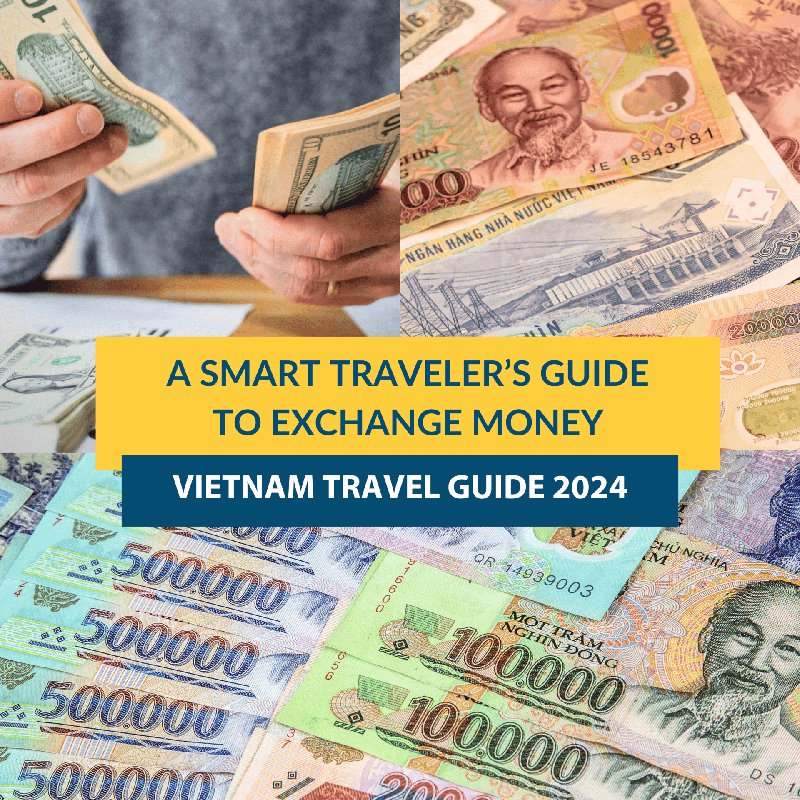
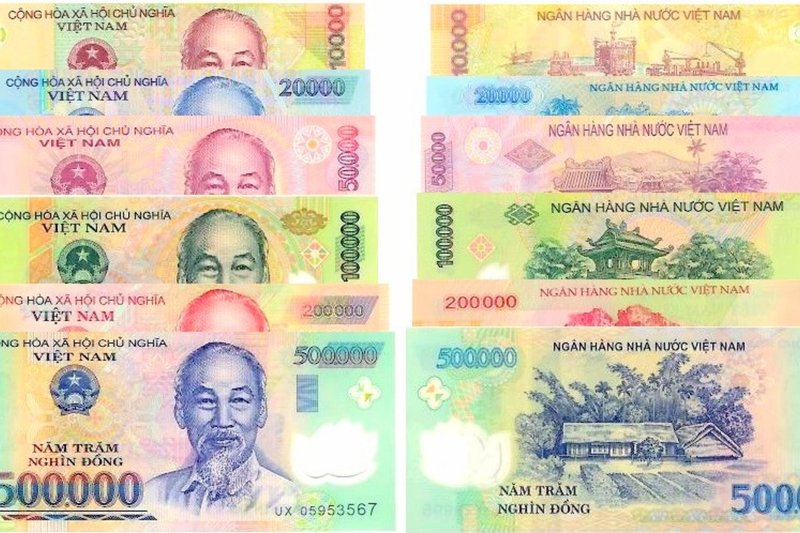
The local currency in Vietnam is the Vietnamese Dong (VND), a beautiful array of polymer banknotes adorned with historical figures and iconic landscapes. Don’t be surprised by the large denominations; a little foreign currency goes a long way here! Familiarizing yourself with the various notes – from the small 1,000 VND note to the mighty 500,000 VND note – will make transactions effortless and prevent any confusion when bargaining in bustling markets or paying for a delicious street food meal.
Why is it important to exchange money in Vietnam?
While some tourist-centric businesses might accept US Dollars, the vast majority of transactions, especially in local markets and smaller establishments, will require VND. Having local currency ensures you always get the best price, avoid unfavorable conversion rates often offered for foreign currency, and navigate daily life with ease. It’s an integral part of experiencing Vietnam authentically.
Where to Exchange Money in Vietnam
Knowing where to exchange money in Vietnam is crucial for a smooth trip. There are several reliable options, each with its own advantages. We recommend diversifying your approach to ensure you always have access to local currency.
Banks
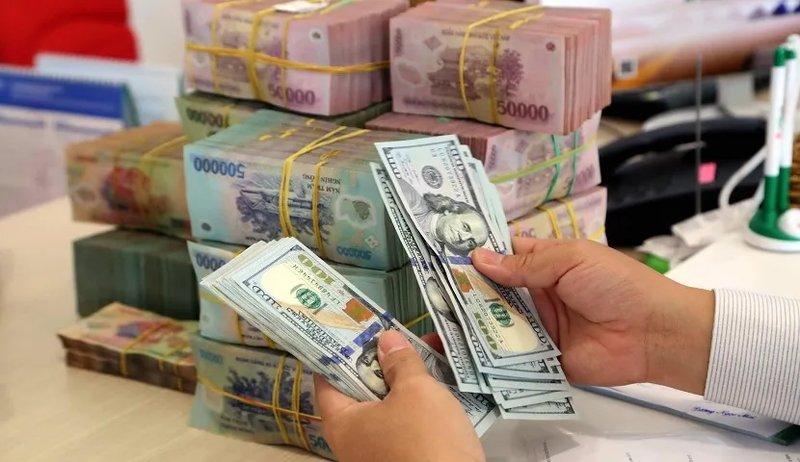
Major banks like Vietcombank, BIDV, and Agribank are excellent places to exchange foreign currency. They offer secure transactions and generally transparent exchange rates. You’ll need your passport and visa, and the process is usually quick and efficient. Banks are a reliable option, especially for larger sums, ensuring you get a fair rate when considering how to exchange money in Vietnam.
Gold and Jewelry Shops
Surprisingly, gold and jewelry shops, particularly in major cities like Hanoi and Ho Chi Minh City, often offer some of the most competitive exchange rates, sometimes even better than banks. Look for well-established shops, usually clustered in central districts. They are a popular choice for many locals and seasoned travelers for where to change money in Vietnam. Always count your money carefully before leaving the counter.
Currency Exchange Counters
At international airports like Noi Bai (Hanoi) and Tan Son Nhat (Ho Chi Minh City), you’ll find numerous currency exchange counters. While convenient upon arrival, their rates tend to be less favorable than those in the city centers. It’s wise to exchange a small amount at the airport for immediate expenses like a taxi, and then seek better rates elsewhere once you’re settled. This is a common strategy when figuring out how to get cash in Vietnam upon arrival.
ATMs: Your Go-To for Quick Cash
ATMs are ubiquitous in Vietnamese cities and increasingly available in smaller towns. This is often the easiest way for many to get immediate cash. When considering which ATM to use in Vietnam, look for machines from major international banks like Citibank, HSBC, or Standard Chartered, as they often have higher withdrawal limits and potentially lower fees. Local banks like Vietcombank, BIDV, and Sacombank are also widely available. Most ATMs will charge a transaction fee, so it’s often more economical to withdraw larger amounts less frequently to save on these charges. If you’re wondering how to get money in Vietnam quickly, an ATM is your best bet.
Practical Tips for Exchanging Money Mindfully
To make your currency exchange experience as smooth as possible and ensure you’re making the most of your travel budget, keep these tips from Vietnam Adventure in mind:
- Bring Crisp, Clean Bills: Vietnamese money changers are particular about the condition of foreign banknotes. Damaged, torn, or heavily creased bills may be refused or exchanged at a lower rate. Aim for new, crisp US Dollar or Euro notes.
- Check Your Money After Exchanging: Always take a moment to carefully count your newly acquired VND at the counter before walking away. Given the large denominations, it’s easy to miscount.
- Avoid Large Exchanges at a Time: While it might seem efficient, exchanging all your money at once might not be the best strategy. Exchange smaller amounts as needed to better manage your spending and adapt to varying exchange rates.
- Be Aware of Exchange Fees and Limits: Banks and exchange counters will clearly display their rates. For ATMs, be mindful of both the local bank’s withdrawal fee and any international transaction fees your home bank might impose. This is particularly important when figuring out how to withdraw money in Vietnam cost-effectively.
- Only Exchange at Reputable Locations: Avoid unofficial street vendors or individuals offering to exchange money. These can be scams, and you risk receiving counterfeit currency or being short-changed. Stick to established banks, gold shops, and official counters.
- Consider Using Cards: While cash is king for many smaller transactions, credit and debit cards are widely accepted in hotels, larger restaurants, and shopping centers. Always check with your bank about foreign transaction fees before you travel.
Financial Logistics Beyond Exchange
Beyond daily exchanges, you might have questions about managing larger financial matters while traveling or living in Vietnam.
Sending and Receiving Money
For those wondering how to send money from Vietnam to US, or how to transfer money from Vietnam to other countries, international wire transfers through banks are the most common method. Services like Western Union and MoneyGram are also available. Be prepared for fees and required documentation. Similarly, if you need to know how to receive money from Vietnam, these same services or direct bank transfers are typically used.
For individuals asking how to transfer money from India to Vietnam or how to send money from India to Vietnam, similar international transfer services through banks or specialized money transfer platforms like Wise (formerly TransferWise) are your best options, offering competitive rates and lower fees compared to traditional banks.
Transferring Money Out of Vietnam
Regarding questions like can you transfer money out of Vietnam or can I transfer money out of Vietnam, the answer is generally yes, but it often involves more bureaucracy and potential restrictions, especially for large sums. It’s usually done through official banking channels with proper documentation of the source of funds and the reason for the transfer. Similarly, understanding how to send money out of Vietnam or how to get money out of Vietnam involves working closely with a reputable bank and adhering to local financial regulations.
Etiquette for Mindful Tipping
While tipping isn’t deeply ingrained in Vietnamese culture as it is in some Western countries, it’s becoming more common, especially in tourist areas. It’s always appreciated and a kind gesture to show your gratitude for excellent service. Here’s a quick guide:
- Restaurants: For good service in mid-range to high-end restaurants, a tip of 5-10% is customary, though not mandatory.
- Tour Guides and Drivers: If you’ve had a fantastic tour or a driver has been particularly helpful, a tip of 100,000 VND – 300,000 VND per person for a full day tour is a good guideline.
- Hotel Staff: A small tip for bellhops or housekeeping (e.g., 20,000 VND – 50,000 VND) is always appreciated.
- Street Vendors and Taxis: Tipping is not expected here. However, rounding up the fare in a taxi or leaving a small extra amount for a street vendor is a nice gesture.
Ultimately, tipping is a personal choice, but a small token of appreciation can go a long way in acknowledging the hard work of those who enhance your travel experience.
Frequently Asked Questions
Is it better to exchange money before arriving in Vietnam?
While you can exchange a small amount before your trip for initial expenses, it’s generally recommended to exchange money in Vietnam itself. You’ll typically find more favorable rates once you arrive, especially in major cities.
How can I avoid high transaction fees when withdrawing from ATMs?
To avoid excessive ATM fees, aim to withdraw larger amounts less frequently. Also, inquire with your home bank about their international withdrawal fees and consider using a travel-friendly debit card that waives foreign transaction fees. Knowing what ATM to use in Vietnam that has lower fees can make a big difference.
Can I use US Dollars or Euros directly in Vietnam?
While some hotels, large tour operators, and high-end shops in major tourist areas might accept US Dollars or Euros, it’s not the official currency. Transactions in foreign currency often come with less favorable exchange rates, and you’ll typically receive change in VND. For the best value and ease of transaction, always use Vietnamese Dong. If you need to know how to get USD in Vietnam, banks are the most reliable source for exchanging VND back into foreign currency.
Where are the best places to exchange money in Hanoi and Ho Chi Minh City?
In Hanoi, the best rates can often be found at gold shops on Ha Trung Street or at major banks in the Old Quarter. In Ho Chi Minh City, look for gold shops on Le Loi Street or at reputable banks in District 1. These locations are excellent for where to exchange money in Vietnam‘s two largest cities.
What if I need to send money to or from Vietnam for a larger amount?
For larger transfers, using established banks for international wire transfers is the most secure method. Be prepared to provide identification and documentation regarding the purpose of the transfer, especially if you are asking how to send money from Vietnam or how to receive money from Vietnam for substantial sums.
Conclusion
Navigating the financial landscape of Vietnam is part of the adventure, and with these insights from Vietnam Adventure, you’re well-equipped for a smooth journey. Whether you’re exchanging cash at a bustling gold shop, using an ATM for a quick top-up, or managing larger transfers, understanding how to exchange money in Vietnam will enhance your experience, allowing you to focus on the enchanting sights, sounds, and flavors of this incredible country. Prepare wisely, embrace the local currency, and let your Vietnamese adventure unfold!
Ready to plan your unforgettable trip? Visit Vietnam Adventure for personalized itineraries and expert guidance.