
Welcome, fellow adventurers! Here at Vietnam Adventure, we know that exploring Vietnam is a feast for the senses: the aromatic street food, the vibrant markets, the ancient temples whispering stories of old. Yet, for many first-time visitors, one aspect can initially seem daunting: the bustling traffic, especially mastering how to cross the road in Vietnam. Fear not, for it is an art form, a dance with the flow, and once you understand its rhythm, it becomes an exhilarating part of your authentic Vietnamese experience. The direct and concise answer to how to cross the road in Vietnam is to walk slowly, steadily, and predictably into the traffic, making eye contact with approaching drivers who will then skillfully navigate around you. Do not make sudden movements or stop abruptly.
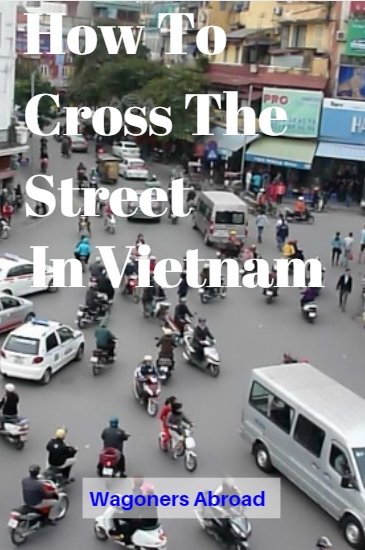
The Pulsating Heart of Vietnamese Traffic: Organized Chaos
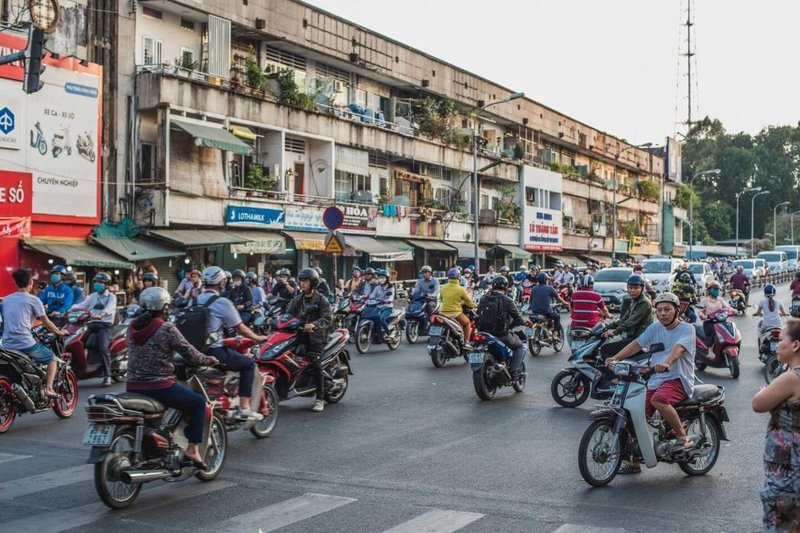
Step onto any street in Hanoi, Ho Chi Minh City, or Da Nang, and you will immediately feel the vibrant energy. Rivers of motorbikes, cyclos, and cars flow with an almost hypnotic rhythm. Unlike many Western countries where pedestrians wait for a clear gap or a traffic light, Vietnam’s system operates on a different, yet surprisingly efficient, principle. It’s not chaotic in a dangerous sense, but rather an “organized chaos” where everyone, including pedestrians, plays a part in maintaining the flow. Understanding this unique dance is key to mastering how to cross the road in Vietnam safely and with ease.
Decoding the Flow: A Pedestrian’s Perspective
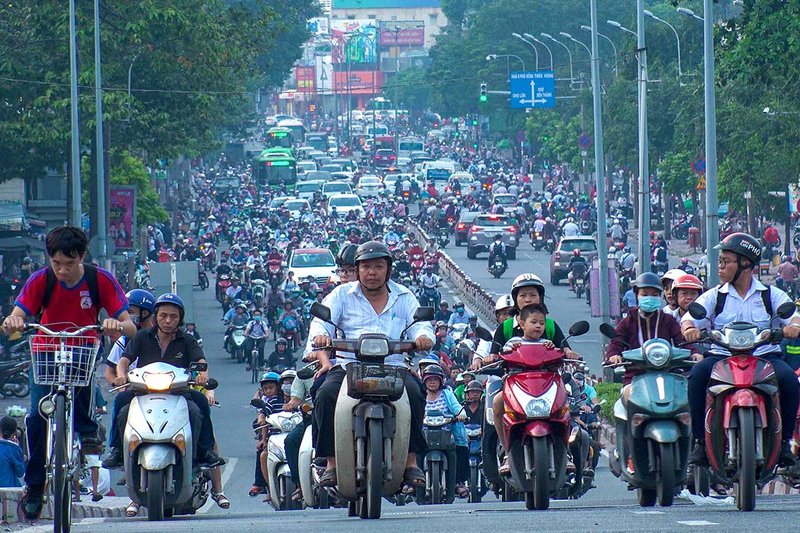
The beauty of Vietnamese traffic is its constant movement. There are rarely full stops, especially for pedestrians. Instead, drivers anticipate and react. Motorbike riders are incredibly adept at judging speed and trajectory. They expect you to move at a consistent pace, allowing them to adjust their path around you. Think of yourself as a stone dropped into a flowing river; the water moves around you, not over you, as long as you remain a predictable obstacle.
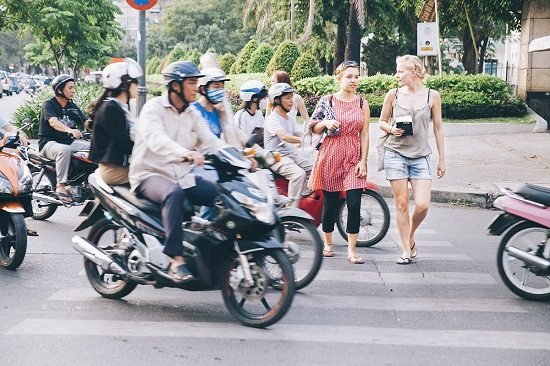
The Psychology of Crossing: Patience and Presence
Before you even step off the curb, take a moment. Observe. Feel the energy. You might see locals casually strolling across what appears to be an impenetrable wall of traffic. This isn’t recklessness; it’s confidence in the system. The psychology behind how to cross the street in Vietnam relies on mutual understanding: pedestrians commit to their path, and drivers commit to avoiding them. Hesitation is your biggest enemy. A sudden stop or darting motion breaks the predictability, making it harder for drivers to react.
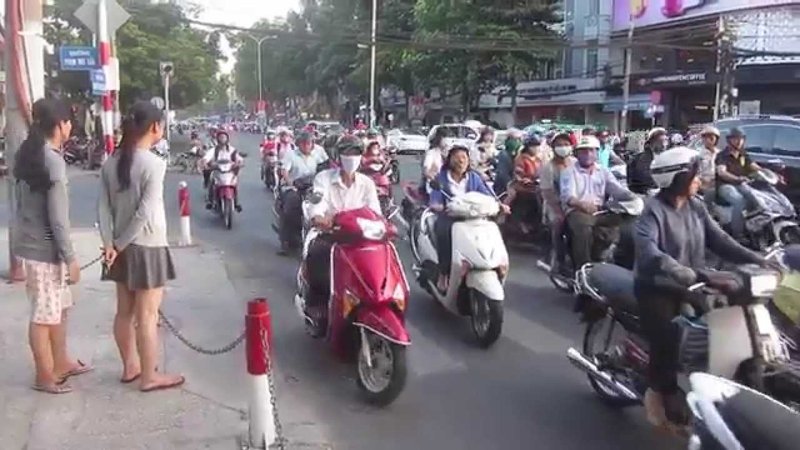
Your Step-by-Step Guide to Navigating Vietnamese Streets
Ready to embrace the adventure? Here’s your detailed guide to mastering how to cross the road in Vietnam, ensuring a smooth and safe journey from one side to the other.
1. Find Your Moment, Then Commit
There isn’t a perfect, completely clear moment like at a pedestrian crossing with a green light. Instead, look for a slight lull, a moment where the density of vehicles feels manageable. Take a deep breath and project an aura of calm determination. This isn’t about rushing; it’s about confident progression.
2. Walk Slowly and Steadily
This is the golden rule. Begin walking at a consistent, slow pace. Do not run. Do not stop in the middle of the road. Your steady movement allows drivers to see you, register your speed, and adjust their course. Think of it as a moving meditation through the traffic. This is crucial for how to cross road in Vietnam without incident.
3. Make Eye Contact (If Possible)
As vehicles approach, try to make eye contact with the drivers. A nod or a brief glance helps establish a connection and reassures them that you are seen and your path is noted. They are masters at predicting your trajectory if you remain predictable.
4. Hands Off Your Phone, Stay Alert
This is not the time for distractions. Keep your phone tucked away. Be fully present and aware of your surroundings. Your peripheral vision will be your best friend, helping you gauge the approaching flow from all directions.
5. No Sudden Movements
Again, predictability is paramount. Avoid jumping, darting, or suddenly changing direction. If you see a gap, don’t sprint for it; maintain your consistent pace. Drivers are anticipating your current speed, not a sudden burst of acceleration.
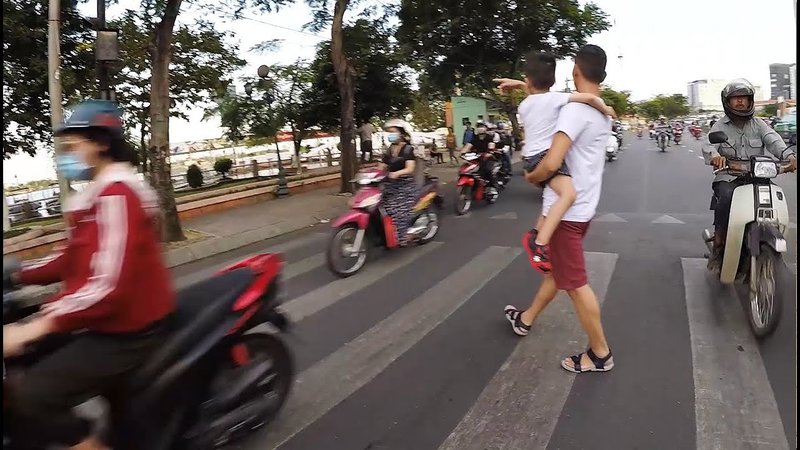
6. Walking with a Local: Your Best Teacher
If you have the opportunity, walk across with a local. Observe their technique. They embody the calm confidence that comes from years of navigating these streets. They often move with a slight sway, almost like a boat in water, adjusting subtly to the currents around them. This is an excellent way to learn how to cross the road in Vietnam firsthand.
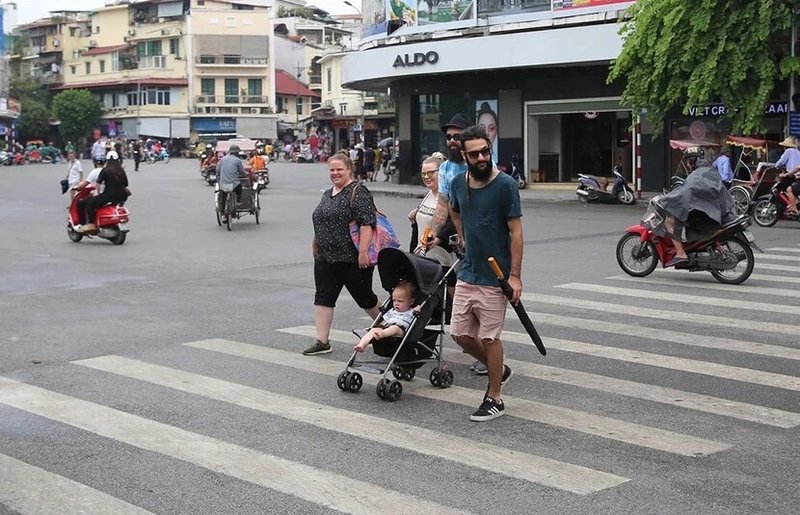
Beyond the Pavement: Alternatives and Tips for Different Situations
While mastering the pedestrian art is valuable, there are other considerations for getting around Vietnam.
Crossing at Traffic Lights and Pedestrian Crossings
Even at designated crossings or with traffic lights, exercise caution. While lights exist, they are not always strictly adhered to, especially by motorbikes turning corners. Always do a quick check before stepping out, even on a green light. Sometimes, the “pedestrian walk” signal might seem more like a suggestion than a command.
Utilizing Ride-Hailing Apps: Grab and Gojek
For longer distances or when you prefer to avoid pedestrian crossings altogether, ride-hailing apps like Grab and Gojek are incredibly convenient. You can book motorbike taxis (Xe Ôm) or cars, allowing you to relax and let a local navigate the traffic for you. It’s a fantastic way to experience the city while minimizing stress about crossing roads.
The Mindful Traveler’s Approach to Vietnamese Road Crossing
Mastering the art of how to cross the road in Vietnam is more than just a practical skill; it’s an exercise in mindfulness and cultural immersion. It forces you to be present, to trust, and to adapt. This seemingly simple act encapsulates much of the Vietnamese spirit: resilience, adaptability, and a harmonious coexistence amidst dynamic energy.
Embrace the Flow, Find Your Rhythm
Instead of seeing the traffic as an obstacle, view it as an integral part of the vibrant tapestry of Vietnamese life. Once you find your rhythm, you’ll feel a sense of accomplishment, a small victory in connecting with the local way of life. This mindful approach transforms a potentially stressful situation into an engaging cultural experience.
| Aspect | Western Road Crossing | Vietnamese Road Crossing |
|---|---|---|
| Pedestrian Strategy | Wait for clear gaps/signals | Walk slowly, predictably into traffic |
| Driver Expectation | Pedestrians yield or wait | Drivers expect to navigate around pedestrians |
| Primary Tool | Traffic lights, zebra crossings | Eye contact, consistent pace, mutual anticipation |
| Emotional State | Often passive waiting | Active engagement, confident commitment |
| Key to Success | Adherence to rules | Predictability and consistency |
Frequently Asked Questions About Crossing Roads in Vietnam
How scary is crossing the street in Vietnam for a first-timer?
It can feel intimidating at first due to the sheer volume of motorbikes and the lack of traditional pedestrian right-of-way. However, once you understand the system of slow, steady, and predictable movement, the fear quickly dissipates and is replaced by a sense of adventurous accomplishment. It’s more about confidence than speed.
Do vehicles actually stop for pedestrians in Vietnam?
Rarely will vehicles come to a complete stop specifically for a pedestrian unless there’s a traffic light or an absolute necessity. Instead, they will skillfully swerve and navigate around you as you maintain your consistent pace. Think of it as a flowing river parting around a rock.
Should I raise my hand when crossing the road?
Some guides suggest raising your hand to signal your intention, but it’s not strictly necessary for experienced crossers. A confident, steady walk is usually sufficient. If you feel more comfortable, a gentle, assertive hand signal can help reinforce your presence, but avoid dramatic gestures.
What if I get stuck in the middle of the road?
The goal is to avoid stopping. If you find yourself momentarily overwhelmed, try to maintain your current position and wait for a brief lull before continuing. Most importantly, do not suddenly dart back or forward. Stay predictable, even if paused.
Is it safer to cross at night or during the day?
The principles remain the same day or night. At night, visibility might be slightly lower, so ensure you are even more attentive and your movements are clear. However, the traffic density can sometimes be lower in residential areas at night, while main roads can still be very busy.
What is the most important tip for crossing the road in Vietnam?
The single most important tip is to walk slowly, steadily, and predictably into the traffic without stopping or making sudden movements. Trust the drivers to flow around you as you maintain your path.
Embrace the Rhythm: Your Vietnamese Journey Awaits
Learning how to cross the road in Vietnam is more than just a practical skill; it’s a rite of passage, a unique cultural experience that will undoubtedly become one of your most memorable travel tales. It teaches you to be present, to trust the flow, and to adapt to a rhythm distinctly Vietnamese. So, take a deep breath, find your steady pace, and step into the vibrant life that pulses through Vietnam’s streets.
Ready to explore the wonders of Vietnam with confidence and an open heart? Let Vietnam Adventure guide your journey, from bustling cities to serene landscapes, ensuring every step is filled with discovery and delight.