
Dreaming of a perfectly fitted suit but dreading the exorbitant price tag? You’re not alone. Many travelers envision a bespoke wardrobe, yet often dismiss it as an inaccessible luxury. However, in the vibrant heart of Southeast Asia, Vietnam offers a remarkable solution. This comprehensive guide will unravel the true cost of a tailored suit in Vietnam, revealing why it’s become a global hotspot for sartorial excellence, and empower you with the step-by-step knowledge to commission your own masterpiece without breaking the bank. By the end of this guide, you’ll know exactly how to navigate Vietnam’s tailoring scene, understand pricing tiers, avoid common pitfalls, and confidently walk away with a custom-made suit that fits like a second skin, all while staying within your budget.

Unveiling Tailoring Costs in Vietnam: A Quick Overview
Vietnam has emerged as a captivating destination for bespoke tailoring, luring travelers with its exceptional craftsmanship and surprisingly wallet-friendly prices. The cost of a tailored suit in Vietnam can vary significantly, ranging from as little as $200 USD for a basic option to over $5,000 USD for an exquisitely crafted luxury piece. This wide spectrum means there’s a bespoke option for nearly every budget, making personalized style more accessible than ever.
The appeal of Vietnamese tailoring extends beyond just the price; it encompasses a blend of skilled artistry, meticulous attention to detail, and efficient service. Unlike Western countries where a custom suit often starts at $2,000 USD or more, Vietnam provides an opportunity to invest in high-quality, custom-fitted attire at a fraction of the cost. This competitive pricing, combined with a rich tradition of craftsmanship, positions Vietnam as an ideal choice for both first-time custom suit buyers and seasoned sartorialists looking to expand their wardrobes.
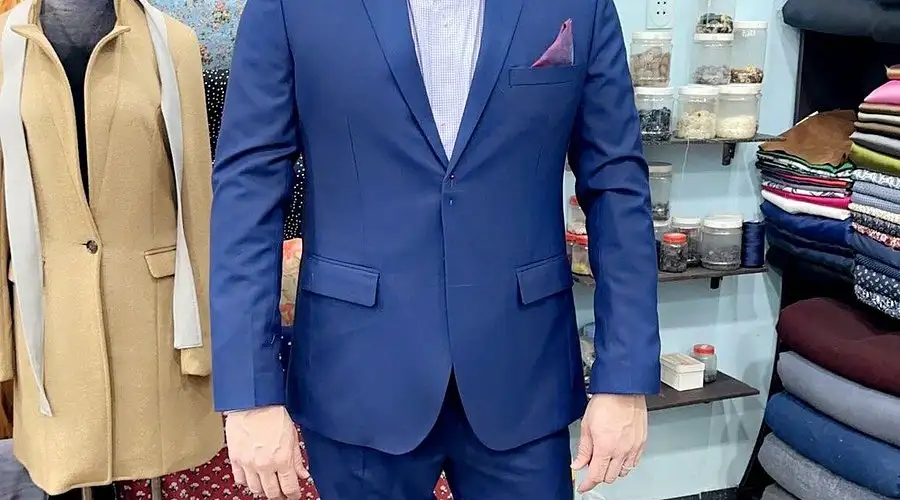
Deeper Dive: Tailored Suit Price Segments in Vietnam
Understanding the different price segments is key to budgeting for your tailored suit in Vietnam. Each tier reflects variations in fabric quality, construction methods, and the level of intricate detailing. Here’s a breakdown of what to expect across the board, with prices updated for 2025.
The Budget-Friendly Choice: Under $300 (Low-End)
For travelers seeking an affordable entry into custom tailoring, the low-end segment offers compelling options, typically priced under $300 USD (or below 7,500,000 VND). Suits in this category are commonly crafted from synthetic fabrics like polyester or polyester-wool blends, which are chosen for their cost-effectiveness.
Construction often utilizes a “fused” method, where interlining is glued to the suit fabric. This process is quick and efficient, contributing to faster production times and lower costs. While these suits offer the benefit of a custom fit at a budget-friendly price, it’s important to be aware of the compromises. Materials may be prone to wrinkling, quicker color loss, and reduced breathability. Additionally, the fused interlining can sometimes bubble under extreme heat or during dry cleaning over time. Despite these considerations, a low-end tailored suit can be an excellent choice for everyday wear or for those needing a quick, custom-fitted garment without a significant investment. For instance, a two-piece suit made from a synthetic Cashmere blend might cost around $200 (5,000,000 VND), while a three-piece could be about $300 (7,000,000 VND).
The Sweet Spot: $300 – $1000 (Standard/Mid-Range)
Stepping up to the standard or mid-range segment, you’ll find tailored suits priced between $300 and $1,000 USD (7,000,000 to 20,000,000 VND). This is arguably the most popular category, offering a compelling balance between quality and affordability. Fabrics here see a significant upgrade, often including wool blends, 100% wool, and even fine 100% Merino wool with thread counts ranging from Super 100s to Super 130s. Brands like Lord & Taylor, Nobility, and Cavani are frequently found in this range, providing a softer feel and improved drape.
The construction typically moves to a “half-canvas” method. This involves a canvas interlining sewn into the lapels and chest, with the lower part of the jacket fused. This method enhances the suit’s shape retention, durability, and allows for a better drape over your body, creating a more refined silhouette. While the tailoring process might take a little longer due to the increased attention to detail, the resulting suit offers substantially improved longevity and appearance. For example, a two-piece suit made from 100% Merino wool (like Nobility fabric) might cost around $500 (10,000,000 VND), with a three-piece going for approximately $600 (13,000,000 VND).
Investing in Excellence: $1000 – $4000 (High-End/Premium)
For those ready to invest in superior quality and refined elegance, the high-end segment, ranging from $1,000 to $4,000 USD (20,000,000 to 100,000,000 VND), is where true sartorial distinction begins. Here, you’ll find an exquisite selection of premium materials, including luxurious 100% wools, sophisticated silk blends, and even genuine cashmere. Tailors in this segment often work with renowned international fabric brands such as Scabal, Holland & Sherry, Paladino, and Huddersfield.
Construction in this tier typically features either half-canvas or “full-canvas” techniques. Full-canvas construction is the gold standard in tailoring, involving a canvas interlining that runs the entire length of the jacket. This allows the suit fabric to drape naturally and conform to your body over time, providing unparalleled comfort, breathability, and a silhouette that is both supple and enduring. Suits at this level are remarkably resistant to everyday wear and tear, making them a wise long-term investment. While the meticulous craftsmanship demands a longer waiting period, the unmatched value in terms of luxury and longevity makes it worthwhile. For instance, a two-piece suit crafted from a high-quality wool blend (such as Vercelli fabric) might be $700 (16,000,000 VND), and a three-piece suit from 100% wool (like VBC fabric) could reach $1,200 (31,000,000 VND).
The Pinnacle of Luxury: Over $4000 (Ultra-Luxury)
At the apex of Vietnamese tailoring lies the ultra-luxury segment, where prices begin at $4,000 USD (100,000,000 VND) and can ascend significantly higher. This exclusive realm is reserved for the most discerning connoisseurs, offering the absolute pinnacle of quality, style, and bespoke craftsmanship. Fabrics are sourced from the world’s most prestigious mills, featuring names like Loro Piana, Scabal, and Dormeuil. You might even encounter ultra-luxurious materials intricately woven with gold threads or adorned with diamond fragments, boasting Super 160s thread counts and beyond for an exceptionally soft and refined feel.
Full-canvas construction is a given in this segment, executed with flawless precision and extensive hand-stitching. Every detail, from the buttons to the lining, is of the highest possible quality, transforming each suit into a timeless work of art. This level of bespoke tailoring guarantees not just a perfect fit but an unparalleled silhouette, exceptional breathability, and a garment that truly expresses individual elegance. However, such unparalleled quality comes with a premium price tag and the longest waiting periods, as these masterpieces require immense skill and time to create. Finding tailors capable of delivering this ultimate level of luxury in Vietnam is rare, but the result is a suit that will not only meet but far exceed your sartorial aspirations.

Key Factors That Influence Your Tailored Suit’s Price
The final cost of your custom suit in Vietnam isn’t just a number; it’s a reflection of several crucial elements working in concert. Understanding these factors will empower you to make informed decisions and manage your budget effectively.
Fabric Selection: The Heart of the Cost
The choice of fabric is arguably the single most significant determinant of a tailored suit’s price. Materials range from affordable synthetic blends to exquisite natural fibers, each with its own cost implications:
- Polyester and Blends: These are the most economical options, often used in the budget segment. While durable and wrinkle-resistant, they offer less breathability and a less luxurious feel.
- Cotton and Linen: Breathable and comfortable, ideal for warmer climates. Cotton is generally affordable, while linen, known for its distinctive texture and breathability, can be slightly higher in price. Both tend to wrinkle easily.
- Wool: The most popular choice for suits due to its versatility, drape, and durability. The price of wool varies greatly based on its type, origin (e.g., Australian Merino wool), and especially its thread count (Super 100s, 120s, 150s, etc.). Higher “Super” numbers indicate finer, softer, and lighter wool, which translates to a higher price.
- Silk Blends and Cashmere: Found in high-end and luxury suits, these fabrics offer exceptional softness, luxurious sheen, and superior drape. Genuine cashmere, derived from cashmere goats, is significantly more expensive than synthetic “cashmere-blend” fabrics.
- Rare and Exclusive Fabrics: Materials infused with gold threads or diamond fragments, or those from world-renowned mills like Scabal or Loro Piana, represent the pinnacle of luxury and come with premium price tags.
Construction Method: Fused, Half-Canvas, or Full-Canvas?
Beyond the fabric, how a suit is constructed fundamentally impacts its cost, durability, and drape.
- Fused Construction: This is the most cost-effective and quickest method. Interlining (a stiffening fabric) is glued to the outer shell of the suit. It’s common in off-the-rack and budget-segment tailored suits. While it provides initial structure, the glue can degrade over time, leading to bubbling or a stiff, board-like feel.
- Half-Canvas Construction: A significant upgrade, this method involves sewing a canvas interlining into the chest and lapel areas, while the rest of the jacket is fused. The canvas allows the suit to drape better, breathe more, and conform to your body over time, providing better shape retention and durability. It offers a great balance of quality and price.
- Full-Canvas Construction: The hallmark of high-quality bespoke tailoring, a full-canvas suit has a canvas interlining sewn throughout the entire front of the jacket. This allows the fabric to move and breathe naturally, creating a superior drape, exceptional durability, and a suit that molds to your body for a truly custom fit. This method is labor-intensive and requires significant skill, making it the most expensive option.
Tailor’s Expertise and Reputation
Just like any skilled profession, a tailor’s experience, reputation, and the perceived value of their brand directly influence pricing. Established tailoring houses with a long history of satisfied clients, particularly those known for their meticulous craftsmanship and use of premium materials, will naturally command higher prices. You’re not just paying for the fabric and labor; you’re investing in proven expertise and a guarantee of quality.
Design Complexity and Details
The more intricate the design or the more specialized details you request, the higher the cost. This includes features like:
- Hand-stitching: For lapels, buttonholes, or internal seams, which adds significant time and skill.
- Functioning Sleeve Buttons: Also known as “surgeon’s cuffs,” these require more precise tailoring.
- Unique Linings: Custom or high-quality silk linings can add to the price.
- Special Pockets or Vents: Any deviation from standard designs.
- Three-piece suits: A waistcoat will naturally increase the total cost compared to a two-piece.
Turnaround Time: Expedited vs. Standard
Vietnamese tailors are renowned for their efficiency, often delivering custom suits within 3-7 days. However, if you’re in a rush and need a suit in a shorter timeframe (e.g., 24-48 hours), expect to pay an expedited fee, which can add 10-30% to the total cost. Planning ahead allows you to avoid these extra charges.
The Bespoke Journey: Step-by-Step to Your Perfect Suit
Embarking on the journey to a tailored suit in Vietnam is an exciting experience. Here’s what you can expect, broken down into manageable steps:
Step 1: Initial Consultation & Design (30-60 minutes)
Your tailoring adventure begins with a detailed consultation. This is your chance to discuss your vision, intended use for the suit, and preferences with your tailor. They will guide you through fabric swatches, lining options, button choices, and various style details (e.g., lapel width, pocket styles, number of vents). Bring inspiration photos if you have them! This crucial step ensures that both you and the tailor are on the same page regarding the final look and feel of your custom suit.
Step 2: Precise Measurements (15-30 minutes)
After solidifying the design, the tailor will take extensive measurements. Expect them to measure everything from your neck and shoulders to your chest, waist, hips, arm length, and inseam. A good tailor will take 20-30 individual measurements to ensure an immaculate fit. Don’t be afraid to ask questions or point out specific fit preferences you have (e.g., how tight you like the waist, desired length of the jacket).
Step 3: First Fitting & Adjustments (30-60 minutes, 2-3 days later)
Typically within 2-3 days of your measurements, you’ll return for your first fitting. At this stage, the suit will be largely constructed but still in a raw or “basted” state, with temporary stitching. This allows the tailor to make significant adjustments to the silhouette, shoulder line, sleeve length, and overall drape of the jacket and trousers. Walk around, sit down, and move your arms to assess comfort and fit. Be honest and communicative about what feels right and what doesn’t. This is where the magic of bespoke truly comes alive.
Step 4: Second Fitting (Optional, 1-2 days later)
For more complex suits or if significant adjustments were made during the first fitting, a second fitting might be scheduled 1-2 days later. This session focuses on fine-tuning details, ensuring all previous adjustments are perfect, and addressing any minor tweaks to the sleeve circumference, trouser taper, or jacket length. For high-end suits, multiple fittings are a standard part of the process to achieve absolute perfection.
Step 5: Final Collection (1 day later)
Once all adjustments are complete and the suit is finalized, you’ll return for the final collection. Try on the suit one last time to ensure everything is to your satisfaction. Check for comfort, movement, and the overall aesthetic. This is your last chance to request any minor touch-ups. Most reputable tailors will offer a guarantee on the fit and may provide complimentary alterations if needed later. You’ll then receive your perfectly tailored suit, ready to wear.
Common Mistakes to Avoid When Getting a Suit Tailored in Vietnam
Getting a custom suit in Vietnam is a rewarding experience, but a few common missteps can detract from the outcome. Be aware of these pitfalls to ensure a smooth and successful tailoring journey.
Mistake #1: Rushing the Process
- Why it’s a problem: While Vietnamese tailors are fast, quality bespoke tailoring takes time. Rushing can lead to errors in measurements, overlooked details, and a less-than-perfect fit.
- What to do instead: Allocate at least 3-5 full days for a standard suit, allowing for multiple fittings and adjustments. For luxury suits, plan for a week or more.
Mistake #2: Not Knowing Your Desired Style
- Why it’s a problem: Walking into a tailor without a clear idea of what you want (e.g., lapel style, button configuration, fit preference) can lead to a suit you don’t truly love.
- What to do instead: Research styles, save inspiration photos, and think about your lifestyle and intended use for the suit before your initial consultation.
Mistake #3: Forgetting to Negotiate (or over-negotiating)
- Why it’s a problem: While haggling is common in Vietnam, some established tailors have fixed prices. Over-negotiating can insult the tailor or result in a cheaper product. Not negotiating at all might mean missing out on a better deal with smaller shops.
- What to do instead: For smaller, independent tailors, gentle negotiation for a slight discount (5-10%) or inclusion of extra details might be possible. For high-end shops, focus on understanding the value rather than reducing the price.
Mistake #4: Not Doing Enough Fittings
- Why it’s a problem: Each fitting is an opportunity for the tailor to fine-tune the suit to your unique body. Skipping or rushing fittings means sacrificing precision.
- What to do instead: Insist on at least two fittings (preferably three for full-canvas suits). Don’t hesitate to voice concerns about the fit during these sessions.
Mistake #5: Focusing Only on Price
- Why it’s a problem: Opting for the absolute cheapest option often means compromising on fabric quality, construction, and the tailor’s expertise, leading to a suit that doesn’t last or fit well.
- What to do instead: Balance cost with quality. Read reviews, compare offerings from a few reputable tailors, and remember that a custom suit is an investment.
Mistake #6: Ignoring After-Sales Service
- Why it’s a problem: A good tailor stands by their work. If there are issues after you’ve left, a lack of after-sales support can be frustrating.
- What to do instead: Ask about their policy for future alterations or minor repairs, especially if you plan to leave the country soon after collection. Some may offer free initial alterations.
Tools, Apps & Resources You’ll Need
Equip yourself with these practical tools to make your tailored suit experience in Vietnam as smooth and enjoyable as possible.
- Translation Apps (Google Translate, iTranslate): Essential for overcoming potential language barriers, especially in smaller, local tailor shops. Being able to clearly communicate your preferences and understand the tailor’s advice is crucial.
- Google Maps & Online Reviews (TripAdvisor, Google Reviews): Use these to research reputable tailors, read customer feedback, and find their exact locations. Look for consistent positive reviews regarding fit, quality, and service.
- Pinterest/Instagram/Saved Images: Collect a gallery of suit styles, lapel types, button configurations, and fabric textures that appeal to you. Visual aids are invaluable for communicating your vision to the tailor.
- Currency Converter App: Keep track of prices in both Vietnamese Dong (VND) and your home currency to ensure you’re making informed budget decisions.
- Measuring Tape: While your tailor will have one, having your own might be useful for quick checks or understanding certain dimensions as they explain adjustments.
- Comfortable Clothes for Fittings: Wear underwear and a light shirt similar to what you’d wear under the suit. This helps the tailor achieve the most accurate fit during your sessions.
- Payment Methods: Have a mix of cash (VND for smaller payments, US dollars for deposits at some shops) and credit/debit cards. Confirm accepted payment types with the tailor beforehand.
Cost Breakdown & Budget Planning: Making Smart Choices
Planning your budget for a tailored suit in Vietnam involves understanding the price tiers and making strategic choices. Here’s a comparative breakdown to help you decide where to allocate your funds.
| Feature / Segment | Budget-Friendly (< $300 USD) | Mid-Range ($300 – $1000 USD) | Premium ($1000 – $4000 USD) |
|---|---|---|---|
| Fabric Quality | Synthetic blends (polyester, rayon) | Wool blends, 100% standard wool, Merino wool (Super 100s-130s) | Premium 100% wool, silk blends, genuine cashmere, renowned international brands |
| Construction | Fused | Half-canvas | Half or full-canvas |
| Tailor Expertise | Competent, may be less experienced | Experienced, good reputation | Highly skilled, well-established, excellent reputation |
| Turnaround Time | 2-3 days (quickest) | 3-5 days | 5-7+ days |
| Durability | Moderate | Good | Excellent |
| Drape & Feel | Stiff, may wrinkle easily | Good, comfortable | Superior, molds to body |
| Typical Use | Everyday wear, casual business, quick need | Business, special occasions, versatile travel | High-stakes business, weddings, formal events, long-term investment |
Cost-Saving Tips:
- Choose Local Fabrics: Opting for locally sourced wool blends or cottons, if available and suitable, can be cheaper than imported designer fabrics.
- Simplify Details: Minimalist designs with standard pockets and lapels will naturally be less expensive than intricate hand-stitched features.
- Go Two-Piece: A two-piece suit (jacket and trousers) is always more affordable than a three-piece (adding a waistcoat).
- Avoid Rush Orders: Plan your tailoring trip in advance to allow for standard turnaround times and avoid expedited fees.
- Consider Location: While Hoi An is famous, prices in Hanoi and Ho Chi Minh City can also be very competitive, especially if you venture slightly off the main tourist streets.
Splurge-Worthy Upgrades:
- Full-Canvas Construction: If your budget allows, a full-canvas suit is a game-changer for drape, comfort, and longevity. It’s a true investment.
- Premium Lining: A high-quality silk or Bemberg lining feels luxurious against the skin and adds a touch of hidden elegance.
- Horn or Mother-of-Pearl Buttons: Upgrading from plastic buttons significantly elevates the look and feel of your suit.
- Extra Trousers: If you love the suit, commissioning an extra pair of trousers ensures longevity, as trousers tend to wear out faster than jackets.
Pro Tips from Experience for Savvy Suit Shoppers
Having navigated Vietnam’s bustling tailoring scene ourselves, we’ve gathered some insider advice to help you get the most out of your bespoke experience.
Tip: Visit multiple tailors before committing.
- Why it matters: Different tailors have distinct styles, fabric selections, and pricing structures. Visiting a few allows you to compare quality, gauge their communication style, and find the best fit for your needs and budget.
Tip: Bring visual inspiration, not just verbal descriptions.
- Why it matters: A picture truly is worth a thousand words, especially when discussing nuanced style details across language barriers. Show them photos of fits, lapels, and pockets you like.
Tip: Understand fabric compositions beyond just the name.
- Why it matters: A “Cashmere suit” in the budget segment is likely a synthetic blend. Ask about the exact percentage of natural fibers like wool, cotton, or silk. This prevents disappointment and ensures you get what you pay for.
Tip: Insist on at least two fittings, ideally three.
- Why it matters: Each fitting is critical for achieving a truly custom fit. Don’t feel pressured to rush; a good tailor will value the time taken to perfect your garment.
Tip: Ask about ALL potential costs upfront.
- Why it matters: Ensure the quoted price includes fabric, tailoring, fittings, and any specific details you requested. Confirm if alterations are included in the price or if there are additional charges.
Tip: Clarify after-sales service and alteration policies.
- Why it matters: Even with the best tailoring, minor adjustments might be needed. Know if the tailor offers complimentary alterations post-purchase, especially if you’re leaving Vietnam soon.
Tip: Allow ample time, especially for your first bespoke suit.
- Why it matters: While quick turnarounds are possible, a more relaxed schedule allows for thoughtful decisions, proper fittings, and a truly refined result. Don’t plan to pick up your finished suit on your departure day.
Best Time & Timing Considerations for Tailoring Your Suit
Timing plays a surprisingly crucial role in your tailored suit experience in Vietnam, affecting both the quality of service and your overall enjoyment.
When to do this (Season, Time of Day, Day of Week):
- Best Season: The shoulder seasons (spring: March-April, autumn: September-November) offer pleasant weather for exploring cities and less crowded tailor shops. The peak tourist season (December-February) can mean busier tailors and potentially longer waits. The rainy season (May-October) might be less crowded, but travel logistics could be challenging.
- Time of Day: Visit tailors earlier in the day, especially for your initial consultation. Tailors are typically fresher, less rushed, and can dedicate more attention to your needs. Avoid late afternoons or evenings when shops might be winding down or more crowded.
- Day of Week: Weekdays are generally less busy than weekends, allowing for a more focused and personal experience.
How far in advance to plan/book:
- For a standard suit (mid-range), plan to visit the tailor at least 3-5 days before you intend to leave a city. This allows for the initial measurement, 1-2 fittings, and final adjustments.
- For a high-end or luxury suit, allow a full week or even 10 days. The intricate craftsmanship and potential for multiple fittings demand more time.
- If you have a specific, highly-rated tailor in mind, consider contacting them a few weeks in advance to inquire about their schedule, especially during peak travel times.
How long it takes:
- Budget Suits: Can sometimes be rushed in 24-48 hours, but 2-3 days is recommended.
- Mid-Range Suits: Typically 3-5 days.
- High-End/Luxury Suits: 5-10+ days.
- Remember, these are general guidelines. Always confirm the timeline with your chosen tailor.
What to avoid (Peak times, Weather issues):
- Avoid major holidays: Vietnamese New Year (Tet) in late January/February means many shops close for extended periods. Other local holidays can also affect opening hours.
- Avoid last-minute rush orders: While some tailors offer express services, the quality might be compromised, and you’ll pay a premium. Give yourself and the tailor adequate time.
- Consider the heat: If traveling in the hotter months (May-August), plan your tailor visits for cooler parts of the day. Multiple fittings can be uncomfortable in stifling heat.
Getting There & Logistics: Finding Your Perfect Tailor
Choosing the right tailor is paramount to a successful custom suit experience. Vietnam boasts several tailoring hubs, each with its unique charm and range of options.
Key Cities for Tailoring:
- Hoi An: World-renowned for its abundance of tailors, offering incredibly fast turnaround times (sometimes even 24 hours). It’s a popular choice for tourists due to the sheer volume of shops and competitive pricing. However, quality can vary greatly, so careful selection is key.
- Hanoi: The capital city offers a more traditional and discerning tailoring scene. You’ll find a mix of long-established bespoke houses and modern ateliers, often catering to a local clientele alongside tourists. Prices can be slightly higher than Hoi An for comparable quality, but the craftsmanship is often very reliable.
- Ho Chi Minh City (Saigon): As Vietnam’s largest city, HCMC has a vibrant and diverse tailoring landscape. From budget-friendly options in bustling markets to high-end bespoke studios, you’ll find a wide range of choices. It’s a great place for those seeking modern styles and international fabric selections.
How to Choose Your Tailor:
- Read Reviews Extensively: This is your most powerful tool. Look at recent reviews on Google, TripAdvisor, and expat forums. Pay attention to comments about fit, fabric quality, customer service, and after-sales support.
- Ask for Recommendations: Speak to fellow travelers, hotel staff, or expat residents. Personal recommendations can lead you to hidden gems.
- Inspect the Shop and Samples: A clean, well-organized shop often indicates professionalism. Examine the tailor’s existing work or sample suits for stitching quality, finishing, and overall construction. Don’t hesitate to feel the fabrics.
- Engage with the Tailor: Have a conversation. Do they listen to your needs? Do they offer knowledgeable advice? Clear communication is vital. If there’s a significant language barrier, consider another tailor or bring a translator.
- Be Transparent About Your Budget: A good tailor will respect your budget and guide you to the best options within your price range, rather than pushing you towards expensive upgrades you don’t need.
Booking Information or Contact Details:
- Many tailors welcome walk-ins, especially in Hoi An. However, for more established or high-end tailors in Hanoi or HCMC, it’s advisable to book an appointment for your initial consultation, especially during peak season. This ensures you get dedicated time and attention.
- Most tailors will have a website, email, or WhatsApp for communication.
Essential Checklist for Your Tailored Suit Adventure
To ensure a seamless and successful experience, use this checklist for your tailored suit journey in Vietnam.
Before You Go:
- [ ] Research Tailors: Read reviews and recommendations for tailors in your chosen city (Hoi An, Hanoi, HCMC).
- [ ] Set a Budget: Determine your comfortable spending range for your tailored suit.
- [ ] Gather Inspiration: Save photos of desired suit styles, fits, and details.
- [ ] Know Your Measurements (Roughly): Having a general idea of your current suit or jacket size can be helpful for initial discussions.
- [ ] Plan Your Timeline: Ensure you have at least 3-7 days in the city for the tailoring process.
During Your Experience:
- [ ] Communicate Clearly: Use visual aids and translation apps if needed to express your preferences.
- [ ] Ask About Fabrics: Inquire about composition, origin, and thread count.
- [ ] Confirm Construction: Understand whether it’s fused, half-canvas, or full-canvas.
- [ ] Discuss All Costs Upfront: Clarify the total price, including any extras or expedited fees.
- [ ] Attend All Fittings: Be present and provide honest feedback during each fitting.
- [ ] Move Around During Fittings: Sit, stand, and raise your arms to test comfort and mobility.
- [ ] Check Details: Inspect stitching, buttonholes, lining, and overall finishing.
- [ ] Get a Receipt: Ensure it details fabric, construction, style, and agreed-upon price.
After/Follow-up:
- [ ] Final Try-On: Before leaving the shop, try on the finished suit one last time.
- [ ] Ask for Care Instructions: Learn how to properly clean and maintain your new suit.
- [ ] Inquire About Post-Purchase Alterations: Understand their policy for future adjustments.
- [ ] Consider an Extra Pair of Trousers: If you love the suit, this extends its lifespan.
Frequently Asked Questions
Is it cheaper to get a suit tailored in Vietnam compared to Western countries?
Yes, absolutely. Getting a tailored suit in Vietnam is significantly more affordable than in most Western countries. A custom suit in Vietnam can range from $200 to $5,000 USD, while a comparable bespoke suit in the US or Europe typically starts at $2,000 USD and can easily exceed $6,500 USD for high-end options. This makes Vietnam an excellent choice for quality bespoke attire without the hefty price tag.
How long does it take to get a suit tailored in Hoi An?
Hoi An is famous for its rapid tailoring services. While you can often get a basic suit made in as little as 24-48 hours, it’s highly recommended to allow at least 3-5 days. This timeframe permits essential fittings and adjustments, ensuring a superior fit and overall quality compared to rushed jobs. For more intricate designs or premium fabrics, allocate up to a week.
Can I bring my own fabric to a Vietnamese tailor?
Some tailors in Vietnam may allow you to bring your own fabric, but it’s essential to confirm this policy directly with the tailor beforehand. There might be a cutting fee or a minimum charge for their labor. Additionally, ensure your fabric is suitable for suit tailoring and that you have enough material for your desired style. It’s often easier and equally cost-effective to choose from their extensive in-house selections.
What is the difference between fused, half-canvas, and full-canvas suit construction?
These terms refer to how the internal canvas interlining is attached to the suit fabric, impacting drape, durability, and cost. Fused means the interlining is glued, which is the cheapest but least durable. Half-canvas means the interlining is sewn into the chest and lapels and fused elsewhere, offering a better drape and durability. Full-canvas means the entire front of the jacket has a canvas sewn in, providing the best drape, breathability, and durability, and is the most expensive method.
Are there female tailors who make women’s suits in Vietnam?
Yes, many tailor shops in Vietnam, particularly in major cities like Hanoi, Ho Chi Minh City, and Hoi An, cater to both men’s and women’s custom tailoring. You’ll find skilled tailors, both male and female, capable of crafting sophisticated and perfectly fitted suits, dresses, and other garments for women. It’s always best to check their portfolio or inquire specifically about their experience with women’s tailoring.
How do I communicate my preferences if there’s a language barrier?
Visual aids are your best friend! Bring plenty of inspiration photos from magazines or your phone, showing the exact styles, fits, and details you desire. Utilize translation apps like Google Translate, and don’t hesitate to gesture or use simple, clear language. A good tailor will often have some English proficiency or staff who can assist. If communication remains challenging, consider finding another tailor.
What if the suit doesn’t fit perfectly after I leave Vietnam?
Most reputable tailors offer a guarantee on their work and may provide complimentary alterations even after you’ve left. It’s crucial to discuss their post-purchase alteration policy before you finalize your payment. Some may offer to cover minor alteration costs at a local tailor in your home country, or guide you on how to get the fit adjusted. Always get this agreement in writing if possible.
Conclusion
Investing in a tailored suit in Vietnam is more than just a purchase; it’s an experience that marries exceptional value with artisanal craftsmanship. From the budget-conscious traveler seeking a well-fitted everyday suit to the discerning individual desiring a luxurious, full-canvas masterpiece, Vietnam’s tailoring industry offers a spectrum of choices to meet every need and preference. By understanding the price segments, appreciating the factors that influence cost, and following our practical, step-by-step guidance, you are now fully equipped to embark on this sartorial adventure. You’ve got this! Go forth, engage with the skilled artisans, and create a truly unique garment that speaks to your personal style. We encourage you to share your tailored suit journey in the comments below – what was your favorite part of the process, and what stylish creation