
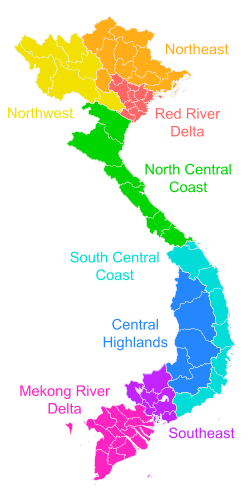
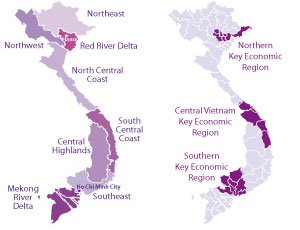
Embarking on a journey through Vietnam means discovering a land rich in diverse landscapes, cultures, and traditions. At Vietnam Adventure, we love helping travelers unravel the intricacies of this beautiful country. A common question we hear is, how many regions are there in Vietnam? The answer, in terms of commonly recognized geographical and cultural divisions, is generally considered to be three main regions: North Vietnam, Central Vietnam, and South Vietnam.
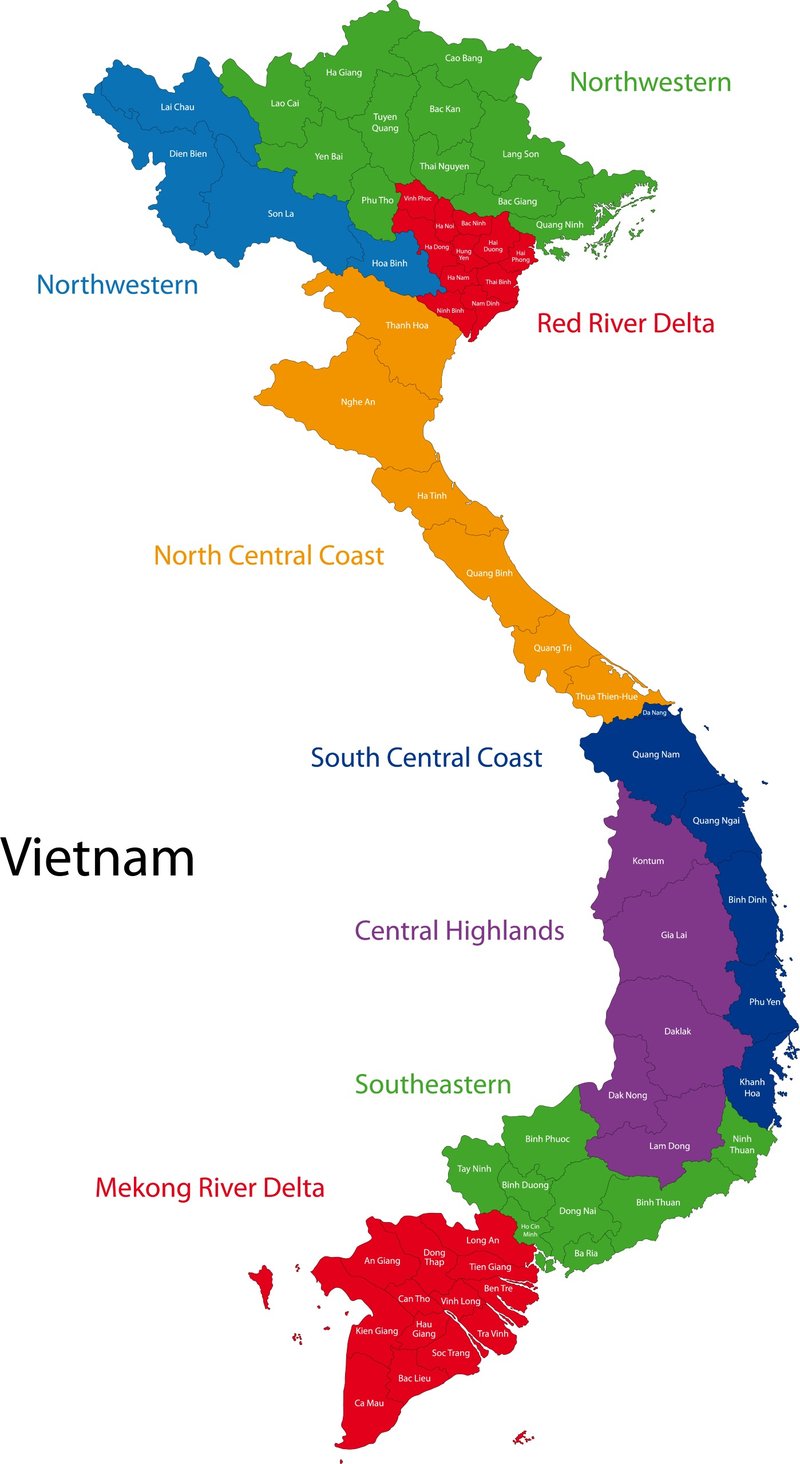
Unveiling Vietnam’s Three Main Regions
While administratively Vietnam is divided into 58 provinces and 5 centrally-governed municipalities, for travelers and in a broader cultural context, understanding the country through its three primary regions offers a more meaningful perspective. These divisions shape everything from cuisine and dialect to climate and local customs, making your exploration of how many regions in Vietnam truly an adventure in discovery.
North Vietnam: Cradle of Vietnamese Civilization
Imagine mist-shrouded mountains, ancient villages, and the vibrant pulse of a thousand-year-old capital. That’s North Vietnam, a region deeply steeped in history and tradition. Here, you’ll find iconic destinations that leave an indelible mark on your soul.
- Hanoi: The charming capital, with its Old Quarter’s labyrinthine streets, serene Hoan Kiem Lake, and French colonial architecture. Spend your days sipping strong Vietnamese coffee, savoring pho, and exploring ancient temples.
- Ha Long Bay: A UNESCO World Heritage site, where thousands of limestone karsts rise dramatically from emerald waters. A cruise here feels like stepping into a mythical painting.
- Sapa: High in the Tonkinese Alps, Sapa offers breathtaking rice terraces carved into mountainsides, home to various ethnic minority groups like the Hmong and Dao. Trekking through these landscapes and engaging with local communities is an unforgettable experience.
- Ninh Binh: Often called “Ha Long Bay on land,” this area boasts stunning limestone formations, serene river cruises through Tam Coc or Trang An, and ancient pagodas nestled amongst lush greenery.

Central Vietnam: The Heartbeat of History and Heritage
Journeying south, Central Vietnam reveals a coastline dotted with pristine beaches, imperial cities whispering tales of emperors, and lantern-lit towns that enchant at dusk. This region is a bridge between the north and south, culturally and geographically.
- Hue: Once the imperial capital of the Nguyen Dynasty, Hue is a treasure trove of historical sites. Explore the majestic Imperial City, visit the elaborate royal tombs along the Perfume River, and delve into its rich culinary heritage.
- Hoi An: A UNESCO-listed Ancient Town, Hoi An is renowned for its well-preserved traditional architecture, vibrant silk lanterns, and tailor shops. Spend evenings strolling along the Thu Bon River, soaking in the magical atmosphere.
- Da Nang: A bustling coastal city offering beautiful beaches like My Khe, the Marble Mountains with their caves and pagodas, and easy access to the scenic Hai Van Pass. It’s a fantastic blend of urban energy and natural beauty.
- Nha Trang: Known for its long stretches of sandy beach and clear waters, Nha Trang is a popular destination for sun-seekers and diving enthusiasts.
South Vietnam: Bustling Energy and Verdant Deltas
As you venture further south, the landscape transforms into a dynamic tableau of bustling metropolises, lush rice paddies, and the intricate waterways of the Mekong Delta. South Vietnam offers a vibrant, fast-paced energy contrasted with tranquil rural life.
- Ho Chi Minh City (Saigon): The economic powerhouse of Vietnam, this city is a whirlwind of motorbikes, towering skyscrapers, and historical landmarks. Visit the War Remnants Museum, the Notre Dame Cathedral, and the bustling Ben Thanh Market.
- Mekong Delta: A sprawling network of rivers, swamps, and islands, the Mekong Delta is a vital agricultural region often called Vietnam’s “rice bowl.” Explore floating markets, take boat trips through coconut groves, and experience the slow pace of rural life.
- Phu Quoc Island: Vietnam’s largest island, Phu Quoc is a tropical paradise with white sand beaches, dense jungle, and pepper plantations. It’s the perfect spot for relaxation and exploring untouched nature.
- Mui Ne: Famous for its unique red and white sand dunes, Mui Ne is also a popular spot for watersports like kitesurfing and windsurfing.
Regional Characteristics and Experiences
Understanding how many regions are there in Vietnam and their distinct characteristics allows you to tailor your journey for a truly immersive experience. Each region offers its own unique flavor, creating a diverse tapestry for any traveler.
Climate Variations Across Regions
Vietnam’s elongated shape means its climate varies significantly from north to south. This is a crucial factor when planning your trip.
- North Vietnam: Experiences four distinct seasons. Winters (Nov-Apr) can be cool and damp, especially in Hanoi and mountainous areas like Sapa, with temperatures sometimes dropping low enough for frost. Summers (May-Oct) are hot and humid with heavy rainfall. The spring (Mar-Apr) and autumn (Sept-Nov) offer the most pleasant weather.
- Central Vietnam: Has a more tropical climate, but is influenced by both northern and southern weather patterns. It experiences dry, hot summers (Jan-Aug) and a rainy season (Sept-Dec) which can bring typhoons and floods, particularly to cities like Hue and Hoi An.
- South Vietnam: Generally enjoys a warm, tropical climate year-round. It has two main seasons: the dry season (Nov-May) with abundant sunshine and pleasant temperatures, and the wet season (June-Oct) characterized by short, heavy downpours, usually in the afternoon.
Culinary Journeys Through Vietnam’s Regions
The culinary landscape of Vietnam is as varied as its scenery, with each region boasting its own iconic dishes and flavor profiles.
| Region | Signature Dishes | Flavor Profile |
|---|---|---|
| North Vietnam | Pho (noodle soup), Bun Cha (grilled pork with noodles), Cha Ca La Vong (turmeric fish with dill) | Subtle, balanced, less spicy, often with a clear broth. |
| Central Vietnam | Bun Bo Hue (spicy beef noodle soup), Cao Lau (Hoi An noodles), Banh Xeo (sizzling pancake) | Spicier, bolder flavors, complex sauces, often a blend of sweet, sour, salty, and spicy. |
| South Vietnam | Com Tam (broken rice), Banh Mi (Vietnamese sandwich), Hu Tieu (noodle soup), fresh spring rolls | Sweeter, often with coconut milk, herbs, and slightly more diverse ingredients due to Mekong Delta’s bounty. |
Cultural Nuances and Traditions
The cultural tapestry across how many regions are there in Vietnam is incredibly rich. From the ancient traditions of the North to the more modern, dynamic spirit of the South, each area has developed distinct customs.
- Northern Conservatism: The North, particularly Hanoi, is considered the heart of Vietnamese tradition, valuing formality, intellectualism, and historical preservation. Respect for elders and traditional family values are highly prominent.
- Central Imperial Heritage: Central Vietnam, especially Hue, still carries the echoes of its imperial past, reflected in its refined cuisine, intricate architecture, and a certain elegance in local customs.
- Southern Dynamism: The South, led by Ho Chi Minh City, is often seen as more open, dynamic, and commercially driven. Its culture is a vibrant mix of traditional Vietnamese values with influences from its colonial history and modern global trends.
Planning Your Regional Adventure
Deciding which regions to explore depends entirely on your interests and the length of your trip. Whether you’re seeking historical immersion, culinary delights, or breathtaking natural landscapes, Vietnam has a region for you.
Best Time to Visit Each Region
Given the diverse climates, timing your visit to each region is key for an enjoyable experience.
- North Vietnam: The ideal times are March to April (spring) and September to November (autumn) when temperatures are mild and rainfall is lower.
- Central Vietnam: February to May offers dry, sunny weather. Avoid September to December if possible, due to heavy rains and potential typhoons.
- South Vietnam: November to April is the dry season, perfect for exploring the Mekong Delta and enjoying the beaches.
Crafting Your Itinerary: Short vs. Long Trips
Understanding how many regions in Vietnam helps in crafting the perfect travel plan:
- Short trip (3-6 days): Focus on one region. For example, explore Hanoi and Ha Long Bay in the North, or Ho Chi Minh City and the Mekong Delta in the South. This allows for deeper immersion without feeling rushed.
- Mid-length trip (7-10 days): You can comfortably visit two regions, perhaps combining North and Central, or Central and South. This might involve flying between major cities to save time.
- Long trip (14-20 days or more): With more time, you can truly experience all three regions, traveling from north to south (or vice versa) and immersing yourself in the varied landscapes and cultures. This allows for slower travel, perhaps by train or bus, offering unique perspectives.
Frequently Asked Questions
What are the major cities in each of Vietnam’s main regions?
In North Vietnam, the major cities include Hanoi (the capital), Haiphong, and Nam Dinh. For Central Vietnam, you’ll find Hue, Da Nang, and Hoi An. In South Vietnam, the prominent urban centers are Ho Chi Minh City (formerly Saigon), Can Tho (in the Mekong Delta), and Nha Trang.
Are the cultural differences between the regions very noticeable?
Yes, the cultural differences are quite noticeable and contribute significantly to the richness of a trip through Vietnam. These differences manifest in dialect, cuisine, traditional dress, and even general temperament. For example, Northerners are often perceived as more reserved and traditional, Central Vietnamese as more refined, and Southerners as more outgoing and dynamic. Experiencing these nuances is a highlight of traveling here.
How do transportation options vary between the regions?
Transportation across Vietnam is generally efficient, but options vary. Major cities in all regions are well-connected by domestic flights. Trains run along the entire length of the country, offering a scenic way to travel between regions, particularly between Hanoi, Hue, Da Nang, and Ho Chi Minh City. Buses are plentiful and connect almost every town and city. Within cities, taxis, ride-sharing apps (like Grab), and motorbikes are popular. In the Mekong Delta, boat travel is a primary mode of transport for local exploration.
Is it possible to visit all three regions in a single trip?
Absolutely! Many travelers choose to visit all three regions, especially if they have two weeks or more. This allows for a comprehensive experience of Vietnam’s incredible diversity. You might start in Hanoi, fly to Da Nang or Hue, and then fly to Ho Chi Minh City, using a mix of flights, trains, and local transport to explore each region’s highlights. This approach effectively addresses the question of how many regions are there in Vietnam by allowing you to experience them all firsthand.
What are the major natural attractions in each region?
Each region boasts stunning natural beauty. North Vietnam is famous for the dramatic limestone karsts of Ha Long Bay, the terraced rice fields of Sapa, and the lush national parks like Ba Be and Cuc Phuong. Central Vietnam offers the pristine beaches of Da Nang and Nha Trang, the stunning Hai Van Pass, and the Phong Nha-Ke Bang National Park with its massive caves. South Vietnam is defined by the intricate waterways and vibrant fruit orchards of the Mekong Delta, the tropical paradise of Phu Quoc Island, and the unique sand dunes of Mui Ne.
Conclusion
Exploring Vietnam is a journey of discovery, and understanding how many regions are there in Vietnam is your first step towards unlocking its multifaceted charm. From the ancient allure of the North to the imperial grandeur of the Central lands and the vibrant energy of the South, each region offers a unique story waiting to be experienced. At Vietnam Adventure, we are passionate about crafting journeys that connect you deeply with these diverse landscapes and cultures. Let us help you plan an unforgettable adventure tailored to your interests, ensuring you experience the very best of Vietnam’s captivating regions.