
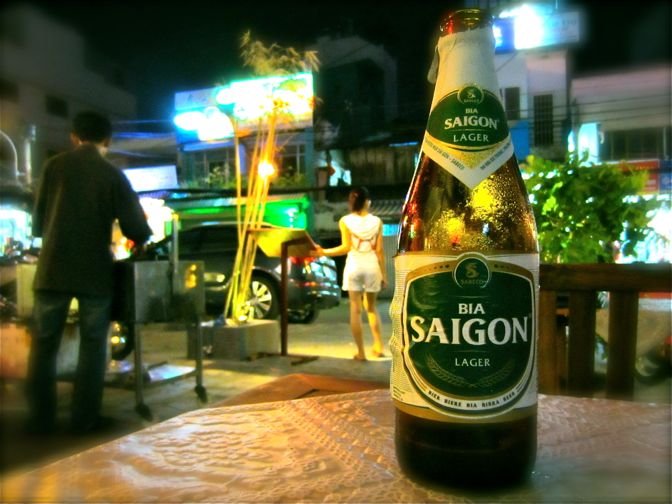
Welcome, fellow explorers, to the enchanting streets of Vietnam! At Vietnam Adventure, we’re here to guide you through every fascinating corner of this incredible country, including its lively social customs. One question that often sparks curiosity among travelers is: can you drink beer on the street in Vietnam? The direct and delightful answer is: Yes, you absolutely can drink beer on the street in Vietnam! In fact, it’s an integral and cherished part of the local culture, offering a truly immersive experience you won’t want to miss.
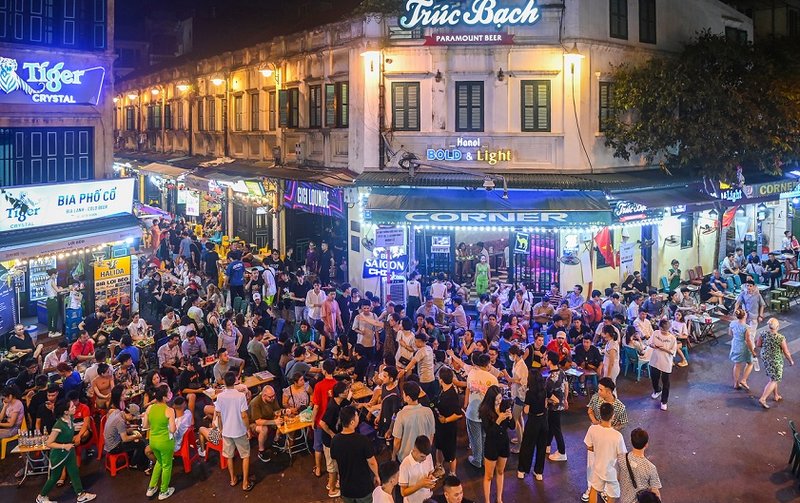
The Heartbeat of Vietnamese Socializing: Bia Hơi and Street Culture
Imagine the golden glow of a late afternoon, the gentle hum of motorbikes, and the aroma of sizzling street food wafting through the air. This is the backdrop against which much of Vietnam’s social life unfolds, often centered around a cold glass of bia hơi – fresh, unpasteurized draft beer. Far from being a clandestine activity, sharing a beer on the sidewalk is a cornerstone of daily life here. It’s where friends gather, families unwind, and stories are exchanged. You’ll see locals perched on tiny plastic stools, their laughter echoing amidst the vibrant streetscape, a testament to the easygoing nature of Vietnamese hospitality.
A Brief History of Bia Hơi and its Popularity
The tradition of bia hơi dates back decades, offering an affordable and refreshing escape from the tropical heat. Unlike bottled or canned beer, bia hơi is brewed fresh daily and has a shorter shelf life, contributing to its unique, light, and crisp taste. This freshness, combined with its incredibly low price, made it an instant hit with the masses. It’s not just a drink; it’s a cultural institution, a symbol of community and casual conviviality that defines the essence of street life.
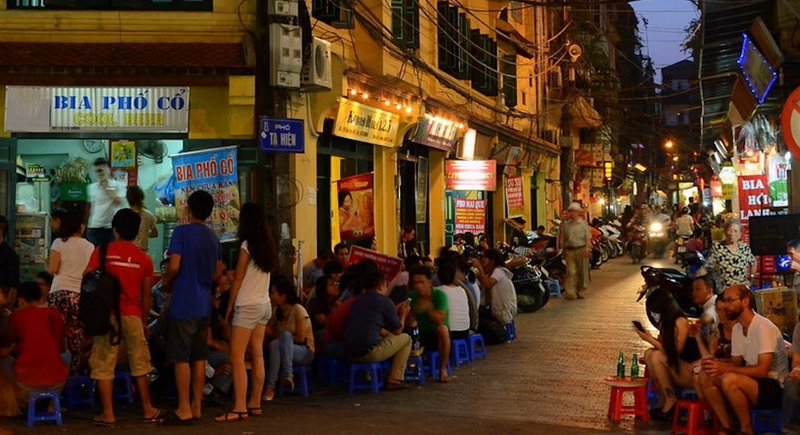
Is it Legal to Drink in Public in Vietnam? Understanding the Norms
This is where many travelers, accustomed to stricter public drinking laws in their home countries, might feel a moment of hesitation. Let us assure you: is it legal to drink in public in Vietnam? Generally speaking, yes, it is perfectly acceptable and widely practiced. Unlike some Western nations, Vietnam does not have widespread laws prohibiting the consumption of alcohol in public spaces, especially when it comes to the casual enjoyment of beer at sidewalk establishments. This cultural acceptance means you can truly embrace the local way of life without undue concern.
The Nuances of Public Drinking: What to Expect
While the act of drinking beer on the street is embraced, it’s always good to understand the nuances. You won’t typically see people wandering down the street with open bottles, but rather congregating at designated spots. These can be makeshift cafes with plastic chairs, bustling street-side restaurants, or dedicated “bia hơi” corners. The key is that consumption is usually associated with a specific, albeit informal, establishment. So, while can you drink on the street in Vietnam, it’s usually done while seated and enjoying the atmosphere of a vendor’s setup, rather than as a solitary pedestrian activity.
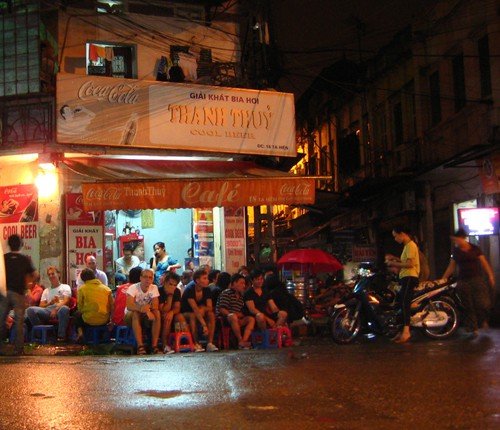
Navigating Vietnam’s Beer Scene: Cheap, Cold, and Plentiful
Prepare to be delighted by the sheer abundance and affordability of beer in Vietnam. Whether it’s the iconic bia hơi or popular local bottled brands, a refreshing brew is always within reach. The climate necessitates cold drinks, and Vietnamese vendors excel at keeping their stock perfectly chilled, ready to offer respite from the heat.
Popular Vietnamese Beers to Try
- Bia Hà Nội: A staple in the northern capital, known for its balanced flavor.
- Bia Sài Gòn: The beer of choice in the south, often sweeter and lighter.
- 333 (Ba Ba Ba): A popular lager found nationwide, with a slightly stronger taste.
- Larue: A French-influenced beer, especially popular in Central Vietnam.
- Huda: A beloved beer from Central Vietnam, particularly around Huế.
The Social Ritual of “Một Hai Ba Yo!”
Drinking beer in Vietnam is often a communal affair, marked by enthusiastic toasts. You’ll quickly learn the phrase “Một Hai Ba Yo!” (One, Two, Three, Cheers!), which is often shouted before clinking glasses. It’s a joyful, inclusive ritual that welcomes newcomers and strengthens bonds. Don’t be shy – join in the merriment!
Drinking Culture in Vietnam: More Than Just a Beverage
The act of drinking in Vietnam is deeply interwoven with social fabric, serving as a catalyst for connection and celebration. It’s about sharing food, conversation, and laughter, often extending late into the evening. The atmosphere is generally lively and friendly, reflecting the warm and hospitable nature of the Vietnamese people.
Respecting Local Customs and Decorum
While the culture is open to public drinking, mindful behavior is always appreciated. Keep your voice at a respectful level, especially in residential areas, and avoid excessive displays of intoxication. The aim is to integrate, not to disrupt. Observing locals is often the best guide to appropriate conduct. Remember, while can you drink beer on the street in Vietnam, it’s also about respecting the community you’re immersing yourself in.
Etiquette for Mindful Street-side Beer Enjoyment
To truly embrace the experience of drinking beer on the street in Vietnam, here are a few pointers to help you navigate with grace and appreciation:
- Find a Spot: Look for plastic tables and chairs spilling out onto the sidewalk. This is your invitation to join the local scene.
- Order Simply: Point to the beer you want or simply say “bia hơi” for the fresh draft.
- Share Food: Beer is almost always accompanied by delicious snacks or full meals. Embrace the culinary journey alongside your drink.
- Toast Enthusiastically: Don’t hesitate to join in the “Một Hai Ba Yo!” with your companions or even friendly strangers.
- Observe and Learn: Watch how locals interact. They are often happy to share their customs.
- Keep it Clean: Dispose of your waste responsibly. Most street vendors will provide a small bin for bottle caps or napkins.
- Be Aware of Your Surroundings: While generally safe, always be mindful of your personal belongings.
Here’s a quick guide to what you might encounter when enjoying a street-side beer:
| Aspect | Typical Experience |
|---|---|
| Seating | Small plastic stools and tables |
| Ambiance | Lively, noisy, communal, full of local chatter |
| Cost | Extremely affordable (especially for bia hơi) |
| Food Pairings | Grilled meats, seafood, spring rolls, various street snacks |
| Hours | Often from late afternoon until late evening |
| Service Style | Informal, friendly, often quick |
Frequently Asked Questions About Drinking Beer on Vietnamese Streets
Is public drinking legal in Vietnam?
Yes, is public drinking legal in Vietnam, particularly in the context of socializing at street-side eateries and bia hơi establishments. There are no widespread national laws prohibiting responsible alcohol consumption in public spaces, unlike in many Western countries. It’s a deeply ingrained cultural practice.
What is the legal drinking age in Vietnam?
The legal drinking age in Vietnam is 18 years old. While enforcement may sometimes appear relaxed, it’s always important to adhere to the legal age requirements.
Do they stop selling alcohol at a certain time in Vietnam?
Generally, there are no strict, nationwide last-call times for alcohol sales in Vietnam. Many street-side vendors and bars will serve until late into the night, especially in tourist areas and major cities. However, some establishments might close earlier, and local regulations can vary.
Are there any specific places where I absolutely should not drink alcohol in public?
While street drinking is common, exercising common sense is key. Avoid drinking in or immediately outside temples, pagodas, or other religious sites, as this would be considered disrespectful. Also, refrain from drinking in government buildings or schools. Stick to areas where you see locals comfortably enjoying themselves, such as street food stalls, bia hơi joints, and outdoor restaurants.
Is it safe to drink beer on the street in Vietnam?
Yes, it is generally very safe to can you drink beer on the street in Vietnam. The environment is usually friendly and welcoming. As with any travel, exercise general caution: be aware of your surroundings, don’t leave your belongings unattended, and drink responsibly. The biggest “risk” might be having too much fun and forgetting the time!
Can I just buy a beer from a convenience store and drink it walking down the street?
While technically not illegal in most places, it’s less common to see people simply walking down the street with an open beer from a convenience store. The cultural norm is to sit down at a vendor’s stall or a small restaurant, often on those iconic plastic stools, and enjoy your drink as part of a meal or social gathering. Embracing this communal aspect enhances the experience.
What are the consequences for violating drinking laws in Vietnam?
While public drinking is largely accepted, disruptive behavior or extreme intoxication that causes public disorder could lead to legal consequences, including fines. It’s important to be respectful of local customs and maintain decorum. The spirit of street drinking is one of relaxed enjoyment, not unruly behavior.
Conclusion: Embrace the Street-side Cheers of Vietnam
So, there you have it! The answer to can you drink beer on the street in Vietnam is a resounding yes, and it’s an experience that truly captures the soul of this incredible country. From the clinking of glasses to the shared laughter over plastic tables, it’s a testament to Vietnam’s vibrant, communal spirit. This isn’t just about drinking a beer; it’s about soaking in the atmosphere, connecting with locals, and becoming part of the rhythmic pulse of Vietnamese life. It’s an authentic, budget-friendly, and unforgettable way to experience the nation. When you travel with Vietnam Adventure, we encourage you to step out, pull up a stool, and say “Một Hai Ba Yo!” to an unforgettable journey!