

Embark on a captivating journey with Vietnam Adventure as we delve into the heart of Vietnam’s wild side. Many travelers ponder, are there elephants in Vietnam? The answer is a resounding yes, elephants do exist in Vietnam, both in wild populations and under human care in conservation efforts. These magnificent creatures, primarily Asian elephants, are a vital part of Vietnam’s natural heritage, though their populations face significant challenges.
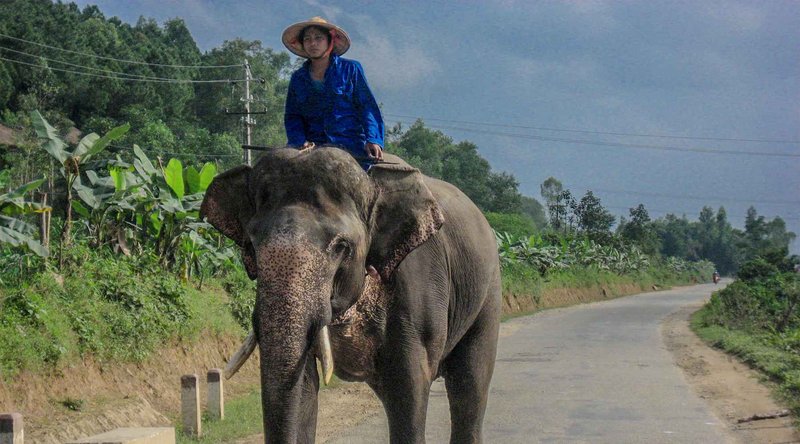
A Glimpse into the Lives of Vietnam’s Elephants
The story of elephants in Vietnam is a tapestry woven with ancient traditions, ecological significance, and the ongoing struggle for survival. For centuries, these gentle giants have roamed the dense forests and rolling hills, playing a crucial role in the ecosystem. Today, while wild populations are sadly dwindling, dedicated conservationists and ethical tourism initiatives are working tirelessly to secure a future for these incredible animals.
Where to Encounter Elephants in Vietnam
If you’re wondering are there elephants in Vietnam and where you might respectfully observe them, certain regions and national parks are key. These areas offer a chance to witness elephants in environments that prioritize their well-being, moving away from exploitative practices.
- Yok Don National Park: Located in the Dak Lak province, Yok Don National Park is often highlighted as the premier destination for ethical elephant encounters in Vietnam. Here, rescued elephants are rehabilitated and live in a more natural setting. Visitors can observe them from a distance, learning about their behavior and the park’s conservation efforts. This is a place where the phrase ‘the elephant comes first’ truly resonates.
- Cat Tien National Park: Another vital habitat, Cat Tien National Park offers glimpses of wild elephants, though encounters are rare and require patience and luck. This park is a biodiverse wonderland, home to many species, and its dense jungles provide crucial refuge for elephants.
- Dak Lak Elephant Conservation Center: This center in Dak Lak plays a pivotal role in the national plan to save elephants, focusing on rescue, rehabilitation, and responsible management of the remaining population.
The Cultural Significance of Elephants in Vietnam
For generations, elephants have been revered in Vietnamese culture, symbolizing strength, wisdom, and good fortune. Their presence is deeply embedded in the history and folklore of various ethnic groups, particularly the M’Nong people in the Central Highlands, who have a long-standing relationship with these animals.
Historical Roles and Traditions
Historically, elephants were utilized in various aspects of Vietnamese life, from agricultural work to ceremonial events. The M’Nong, for instance, were renowned for their elephant taming skills. However, these traditional practices have evolved, with a growing awareness of animal welfare. Understanding this rich history helps us appreciate why are elephants native to Vietnam is a question with deep cultural roots.
Elephant Festivals and Cultural Events
While traditional elephant festivals, which once featured elephant races and other spectacles, are now largely being re-evaluated to prioritize ethical animal treatment, the spirit of reverence for elephants remains. Modern interpretations focus on education and celebrating these animals without compromising their welfare.
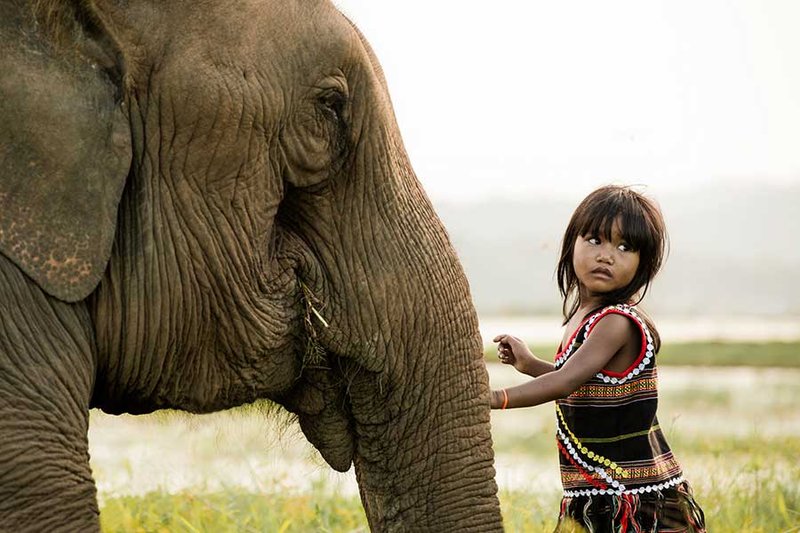
Conservation Challenges and Hope for the Future
Despite their cultural significance, Vietnam’s elephant populations face severe threats. Habitat loss due to deforestation, human-elephant conflict, and poaching have significantly reduced their numbers. Many wonder, with concern, are there elephants in Vietnam in the wild much longer?
Threats to Elephant Populations
The encroachment of human settlements into elephant habitats leads to increasing conflict as elephants search for food and water. This often results in tragic outcomes for both humans and elephants. Poaching, driven by the illegal ivory trade, also remains a serious concern, pushing these magnificent creatures closer to the brink.
Ongoing Conservation Initiatives
Fortunately, dedicated organizations and the Vietnamese government are actively working on conservation. Efforts include establishing protected areas, implementing anti-poaching measures, and educating local communities on coexistence. Ethical tourism also plays a vital role by raising awareness and providing funding for these crucial programs.
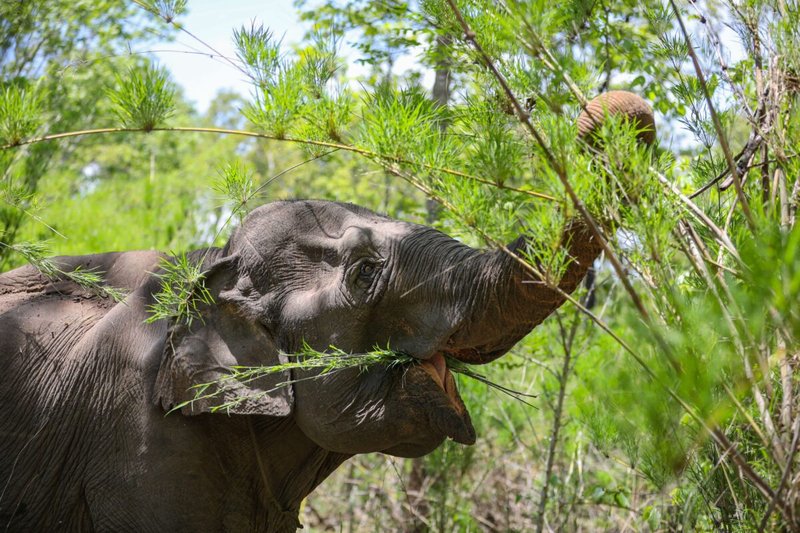
Ethical Elephant Tourism in Vietnam
For those eager to connect with these animals, choosing ethical elephant tourism is paramount. This means seeking out sanctuaries and national parks that prioritize the elephants’ welfare above all else. Avoid any activities that involve riding, bathing, or close physical interaction, as these often involve cruel training methods.
Guidelines for Responsible Elephant Encounters
- Research thoroughly: Before booking any tour, investigate the operator’s practices. Look for certifications from reputable animal welfare organizations.
- Observe from a distance: The best way to appreciate elephants is to observe them in their natural or semi-natural habitat, allowing them to behave freely without human interference.
- Support local communities and conservation: Choose operators who transparently reinvest their profits into elephant conservation and local communities.
- Educate yourself and others: Learn about elephant behavior and the challenges they face. Share this knowledge to promote responsible tourism.
Seasonal Considerations for Elephant Viewing
The best time to visit elephant habitats often aligns with the dry season, when elephants may be more visible near water sources. However, each season offers unique insights into the ecosystem.
| Season | Months | Elephant Viewing Conditions |
|---|---|---|
| Dry Season | November to April | Easier to spot elephants near shrinking water sources. Generally pleasant weather for trekking. |
| Wet Season | May to October | Lush landscapes, but elephant sightings can be more challenging due to abundant water sources and denser foliage. |
Frequently Asked Questions
Are elephants native to Vietnam?
Yes, Asian elephants (Elephas maximus) are native to Vietnam and have historically inhabited its forests and mountains for thousands of years. They are an indigenous species, though their populations have dramatically decreased due to human activity.
What is the current population of wild elephants in Vietnam?
Estimates suggest that the wild elephant population in Vietnam is critically low, possibly numbering fewer than 100 individuals. This makes every conservation effort and ethical encounter incredibly important.
Can I ride elephants in Vietnam?
Reputable and ethical elephant sanctuaries in Vietnam strongly discourage and do not offer elephant riding. This practice is widely recognized as harmful to elephants, involving cruel training methods. Always choose observation-based experiences.
Which national parks in Vietnam are home to elephants?
The primary national parks in Vietnam known for elephant populations are Yok Don National Park and Cat Tien National Park. Yok Don is particularly known for its ethical elephant experiences involving rescued elephants.
How can tourists contribute to elephant conservation in Vietnam?
Tourists can contribute by choosing ethical tour operators and sanctuaries, avoiding any activities that exploit elephants, donating to reputable conservation organizations, and spreading awareness about responsible elephant tourism. Your mindful choices directly impact the future of these incredible animals.
Embracing the Majesty of Elephants in Vietnam
As we’ve explored, the question are there elephants in Vietnam opens a door to a complex, beautiful, and sometimes challenging reality. These magnificent creatures are a testament to Vietnam’s rich biodiversity and cultural heritage. By understanding their plight and choosing mindful, ethical ways to engage with their world, we can all contribute to a brighter future for Vietnam’s elephants. Join Vietnam Adventure in supporting responsible tourism and ensuring these gentle giants continue to roam the landscapes of Vietnam for generations to come. Your journey here can truly make a difference.