
Welcome, fellow adventurers, to a journey that promises to ignite your senses and enrich your understanding of Vietnam! Here at Vietnam Adventure, we believe every travel experience should be a mindful exploration, and that begins with truly knowing the heart of a nation. So, let’s unveil a fundamental truth for any curious soul: what is the capital of Vietnam? The answer, vibrant and ancient, is Hanoi.
Hanoi isn’t just a dot on a map; it’s a living, breathing tapestry woven with a thousand years of history, infused with the aroma of street food, and echoing with the gentle hum of daily life. For any traveler pondering what is the capital city of Vietnam, understanding Hanoi is essential to unlocking the soul of this incredible country.
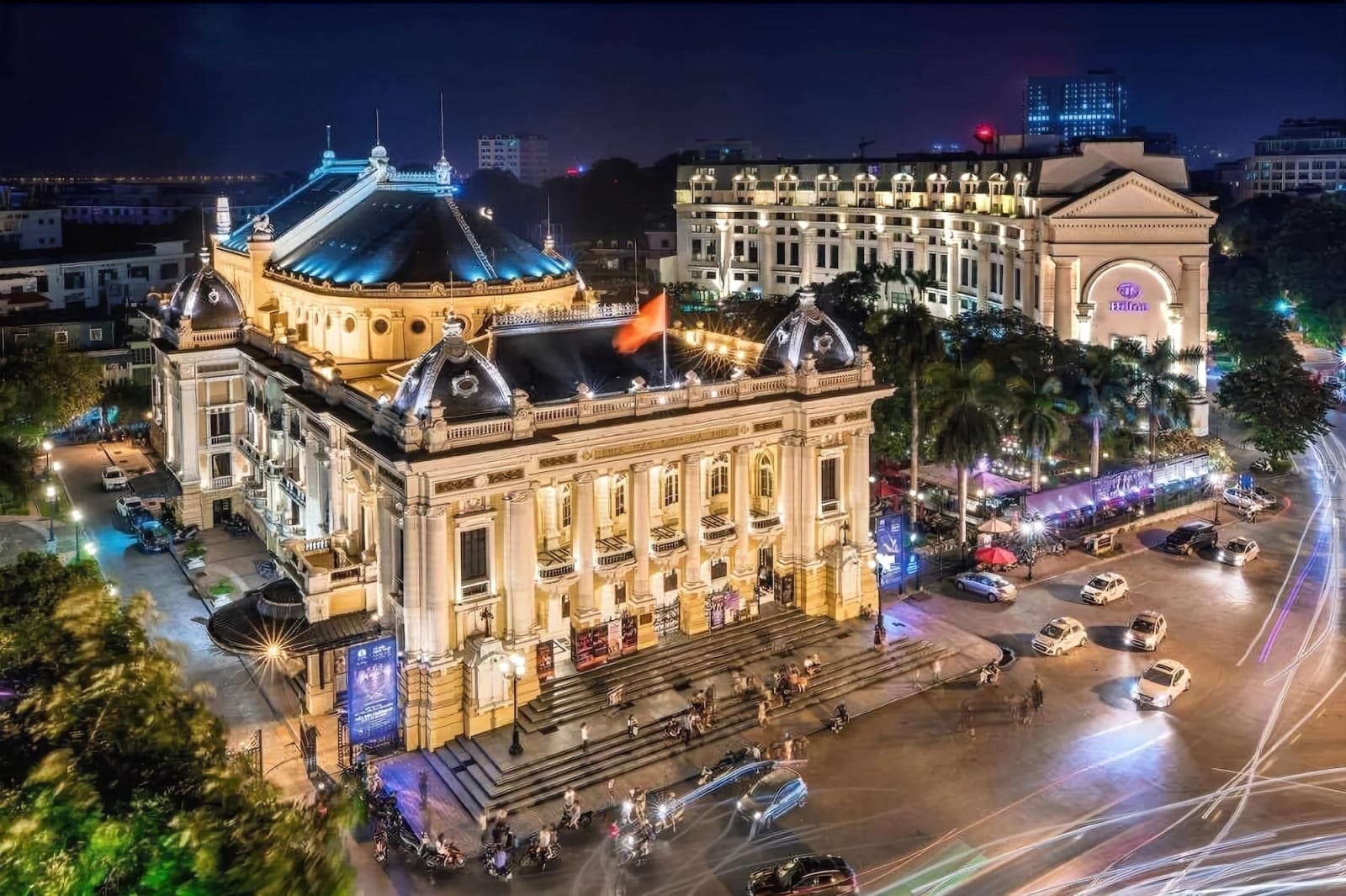
Hanoi: A City of Enduring Beauty and Profound History
The journey into Vietnam often begins with the question, what’s the capital of Vietnam, and the answer, Hanoi, immediately conjures images of serene lakes, tree-lined boulevards, and ancient temples. But Hanoi is far more than just a pretty face; it’s a city that has gracefully carried the weight of its past while embracing the promise of its future.
Unveiling Hanoi’s Ancient Roots: A Millennium of Names
Hanoi’s history stretches back over a millennium, a story etched in every pagoda and alleyway. Before it was known as Hanoi, the city bore several evocative names, each reflecting a chapter in its rich narrative. From Thăng Long, meaning “Ascending Dragon,” given in 1010 by Emperor Lý Thái Tổ, to Đông Đô and Đông Kinh, its identity has evolved, but its spirit of resilience and beauty has remained constant. This deep historical lineage is a significant part of why is Hanoi the capital of Vietnam—it has long been a cultural and political heartland.
Pre-Thăng Long Period: Foundations of a Future Capital
Long before Emperor Lý Thái Tổ graced the region, the area that would become Hanoi was a strategic stronghold. During the Kingdom of Âu Lạc and under various periods of Chinese rule, the Red River Delta region was recognized for its fertile lands and defensive positioning. These early settlements laid the groundwork for a future capital.
Thăng Long to Đông Kinh: The Golden Ages
The name Thăng Long, bestowed in 1010, marked a pivotal moment. It signifies the city’s emergence as the capital of Đại Việt, an independent Vietnam. Over centuries, it transitioned through names like Đông Đô (Eastern Capital) and Đông Quan (Eastern Gate) during times of conflict, eventually settling on Đông Kinh (Eastern Metropolis) during the later Lê Dynasty. It was a period of flourishing arts, intellect, and power, cementing its role as the dominant center. This enduring legacy is why when someone asks which city is the capital of Vietnam, Hanoi is the immediate and unequivocal answer.
Hanoi Under Colonial Influence and Modern Transformations
The 19th and 20th centuries brought significant changes to Hanoi. During the Nguyễn dynasty and the French colonial period, Hanoi became the capital of French Indochina. You can still see the elegant French architecture blending seamlessly with traditional Vietnamese styles, a testament to its multifaceted past. During WWII, the First Indochina War, and the Vietnam War, Hanoi stood as a symbol of Vietnamese resistance and determination. Today, it’s a bustling modern metropolis, yet it clings beautifully to its heritage, offering a captivating contrast for travelers.
When you ask yourself, is Hanoi in Vietnam, you’re not just asking about a geographical point; you’re asking about a symbol of national identity. And indeed, Hanoi is not just *in* Vietnam; it *is* Vietnam, in many profound ways.
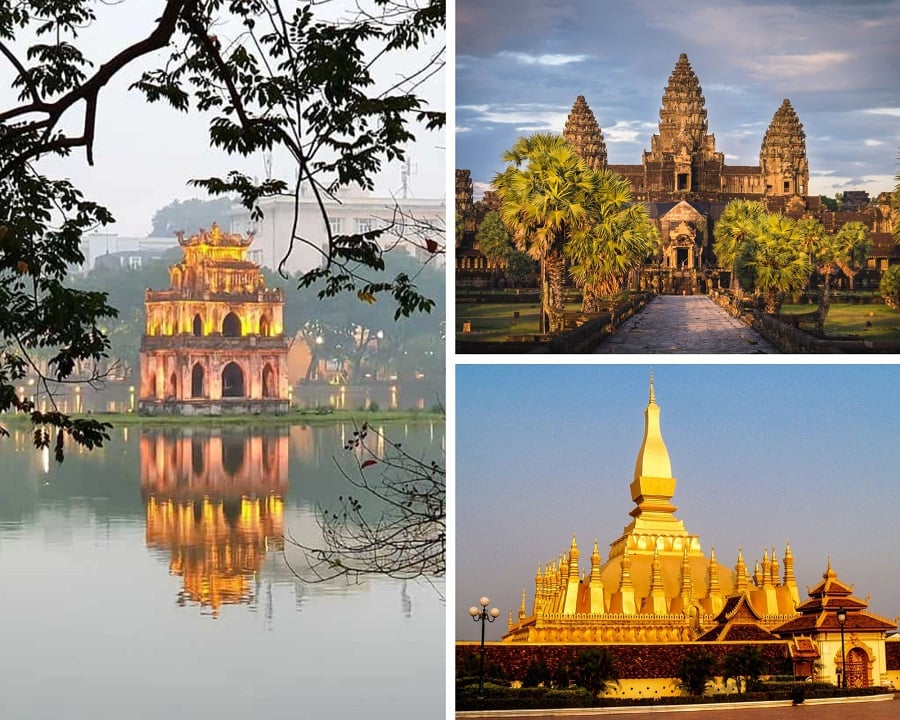
Where is Hanoi Vietnam Located? A Glimpse into its Geography and Climate
Understanding where is Hanoi Vietnam located provides a clearer picture of its strategic importance and unique atmosphere. Nestled in the heart of the Red River Delta, in northern Vietnam, Hanoi benefits from its fertile surroundings and proximity to various natural wonders.
Location and Climate: A Dance of Seasons
Hanoi’s location in northern Vietnam gives it a distinct climate, different from the more tropical south. It experiences four distinct seasons, each offering a unique charm. Spring brings gentle warmth and blooming flowers, summer can be hot and humid with sudden downpours, autumn offers crisp, pleasant weather, and winter is cool and sometimes misty. This seasonal variation adds another layer to the city’s character. For those wondering is Hanoi in north or south Vietnam, it’s firmly in the north, shaping its climate and cultural nuances.
| Season | Typical Months | Characteristics |
|---|---|---|
| Spring | February – April | Mild, humid, blooming flowers. Occasional light rain. |
| Summer | May – August | Hot, humid, with frequent heavy showers. |
| Autumn | September – November | Pleasant, dry, sunny. Often considered the best time to visit. |
| Winter | December – January | Cool, sometimes chilly and misty. Less rainfall. |
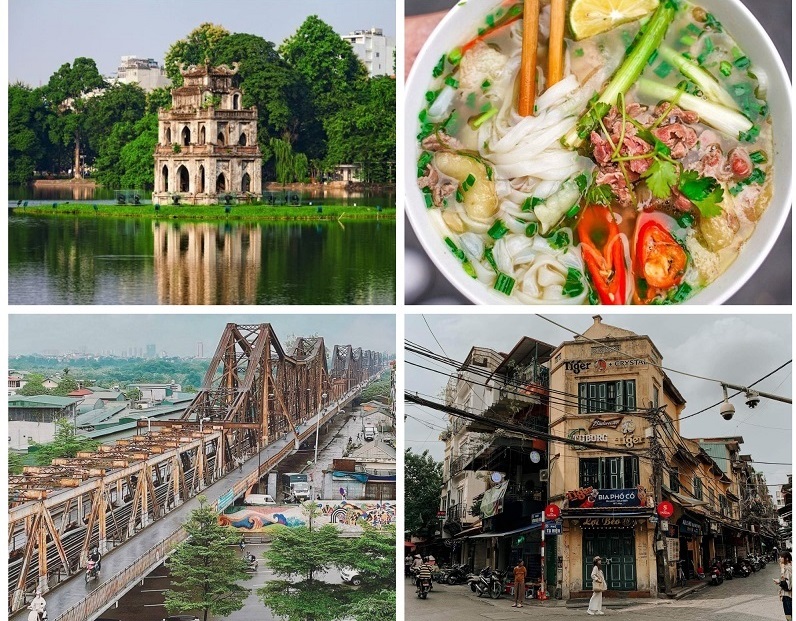
Exploring Hanoi’s Heart: Landmarks and Cultural Treasures
Hanoi is a treasure trove for the senses, with every corner revealing a new wonder. The city perfectly illustrates what is the capital of Vietnam by showcasing its rich cultural tapestry.
The Enduring Charm of the Old Quarter
Step into the Old Quarter, and you step back in time. This labyrinthine district, with its narrow streets named after the goods once sold there (Silk Street, Silver Street), is a vibrant hub of commerce, history, and daily life. The air is thick with the scent of spices, incense, and street food. Motorbikes weave through the bustling lanes, while vendors meticulously arrange their wares. This is the heart of traditional Hanoi, a place where ancient traditions thrive amidst modern energy.
Imperial Sites and Sacred Lakes
Hanoi’s spiritual and historical core is deeply intertwined with its lakes and imperial sites. Hoan Kiem Lake, with its tranquil waters and the iconic Turtle Tower, is a place of legend and serenity. The Temple of Literature, Vietnam’s first national university, stands as a testament to the country’s scholarly heritage. The Imperial Citadel of Thăng Long, a UNESCO World Heritage site, offers a fascinating glimpse into Vietnam’s royal past. These landmarks reveal the profound answer to why is Hanoi the capital of Vietnam—it has always been a center of power, learning, and cultural identity.
Museums and Modern Day Hanoi
For a deeper dive into Vietnam’s story, Hanoi’s museums offer invaluable insights. From the Vietnam Museum of Ethnology, showcasing the country’s diverse cultures, to the Ho Chi Minh Mausoleum complex, honoring the nation’s beloved leader, these institutions connect visitors to the soul of Vietnam. Beyond the ancient sites, modern Hanoi thrives with contemporary art galleries, chic cafes, and bustling shopping centers, creating a dynamic blend of old and new.
Practical Traveler Tips for Your Hanoi Adventure
To truly immerse yourself in Hanoi, a little preparation goes a long way. This insight into what is the capital of Vietnam helps you navigate its vibrant streets with confidence and respect.
- Embrace Walking and Cyclos: The Old Quarter is best explored on foot. For a unique experience, hire a cyclo (bicycle rickshaw) and let a local guide you through the charming chaos.
- Master the Art of Crossing the Street: It might seem daunting at first with the motorbikes, but walk slowly and steadily, making eye contact with approaching drivers. They will flow around you.
- Savor the Street Food: Hanoi is a culinary paradise. Don’t be shy; try the Pho, Bún Chả, and Egg Coffee from street vendors. Look for places with a crowd of locals – that’s usually a sign of good, authentic food.
- Bargain Respectfully: Especially in markets, bargaining is expected. Do it with a smile and good humor.
- Dress Modestly: When visiting temples or pagodas, ensure your shoulders and knees are covered as a sign of respect.
- Stay Hydrated: The weather can be warm, so drink plenty of water.
- Download Offline Maps: Google Maps is generally reliable, but having an offline version can be a lifesaver in the narrow streets.
Understanding that Hanoi is not just a city but a repository of history and culture allows for a more mindful travel experience. It transforms a simple visit into a meaningful journey.
Frequently Asked Questions About Vietnam’s Capital
H3: When did Hanoi become the capital of Vietnam?
Hanoi, then known as Thăng Long, officially became the capital of Đại Việt (the independent kingdom of Vietnam) in 1010 AD under Emperor Lý Thái Tổ. While its name changed several times over the centuries, its status as a significant political and cultural center persisted, solidifying its role as the long-standing capital.
H3: Why is Hanoi the capital of Vietnam?
Hanoi’s designation as the capital is rooted in its strategic geographical location in the fertile Red River Delta, offering both agricultural prosperity and defensive advantages. Its rich history as a cultural, political, and economic hub for over a millennium, coupled with its symbolic significance as a center of Vietnamese independence and resilience, cemented its position as the nation’s capital. When discussing why is Hanoi the capital of Vietnam, its historical depth and enduring spirit are key.
H3: Is Hanoi in North or South Vietnam?
Hanoi is definitively located in North Vietnam. Its position in the northern part of the country profoundly influences its climate, cuisine, and cultural characteristics, distinguishing it from cities in Central and Southern Vietnam like Ho Chi Minh City.
H3: What is the official name of the capital city of Vietnam?
The official name of the capital city of Vietnam is simply Hanoi.
H3: What are some must-visit attractions in Hanoi?
Beyond the Old Quarter, some essential attractions include Hoan Kiem Lake, the Temple of Literature, the Imperial Citadel of Thăng Long, Ho Chi Minh Mausoleum, One Pillar Pagoda, and the Vietnam Museum of Ethnology. Each offers a unique window into Hanoi’s soul.
H3: How does Hanoi compare to Ho Chi Minh City?
While both are major Vietnamese cities, Hanoi (the capital) is often seen as the more traditional and culturally preserved heart of Vietnam, with a slower pace and stronger emphasis on history. Ho Chi Minh City (formerly Saigon) is a bustling, more modern, and economically driven metropolis with a faster pace and a more Westernized feel. They offer distinct experiences.
Conclusion: The Enduring Spirit of Hanoi, Vietnam’s Capital
As our journey through the heart of Vietnam concludes, we hope you feel a deeper connection to this remarkable nation. Understanding what is the capital of Vietnam is far more than knowing a name; it’s about appreciating the soul of a country that has risen from ancient legends to a vibrant modern identity. Hanoi is a city that whispers tales of emperors and poets, buzzes with the energy of a thousand street vendors, and welcomes you with the warmth of its people.
The layers of history, the intoxicating aromas, the bustling streets, and the serene lakes all contribute to Hanoi’s undeniable charm. It’s a city that invites you to slow down, observe, and truly connect with its spirit. This mindful approach to travel is what we champion at Vietnam Adventure. Let Hanoi capture your imagination, and let its story become a part of your own unforgettable adventure.