
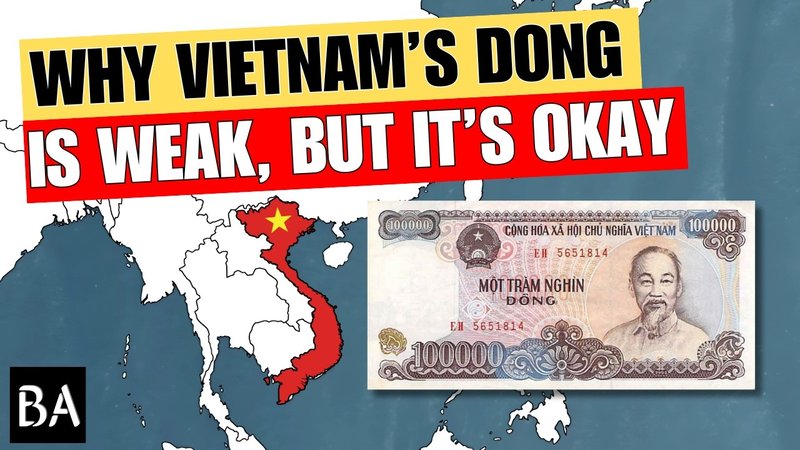
Xin chào, fellow wanderer! Here at Vietnam Adventure, we love sharing the vibrant spirit of Vietnam, from the bustling markets of Hanoi to the tranquil rice paddies of Mai Chau. One question that sometimes surfaces for curious travelers is, why is Vietnam dong so low? The direct and concise answer is that the Vietnamese Dong’s relatively low value is primarily due to a combination of historical economic policies, a strong focus on export-led growth, and the deliberate management of its exchange rate by the State Bank of Vietnam to maintain export competitiveness and attract foreign investment.
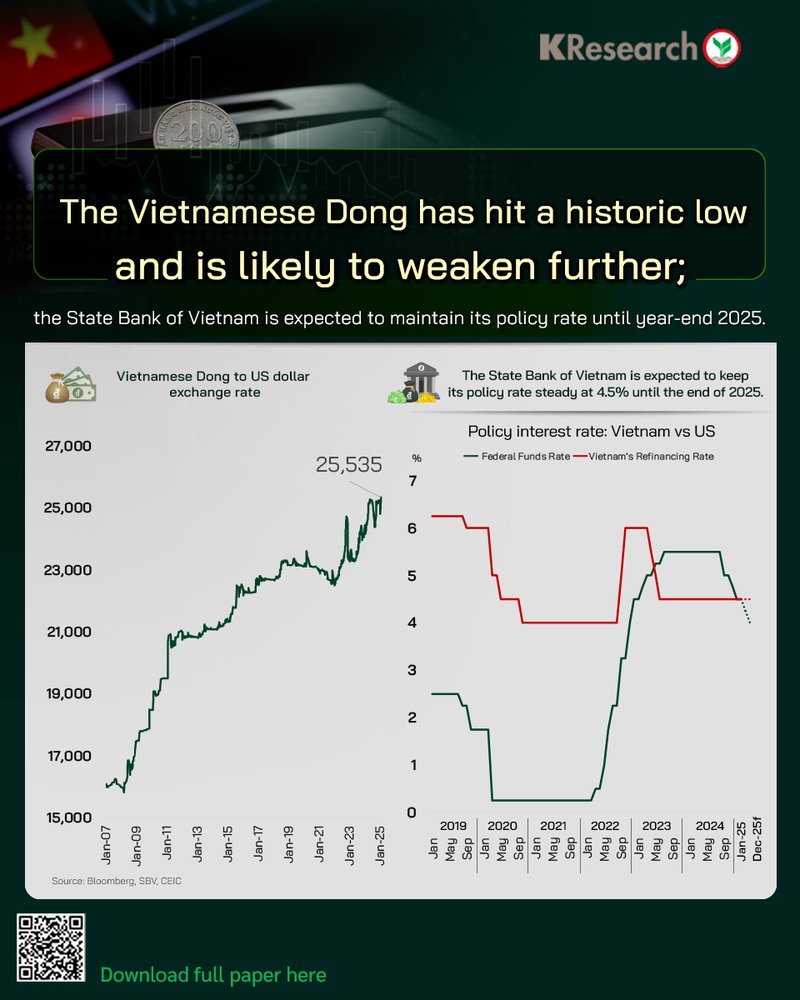
Unraveling the Dong’s Journey: Why Vietnam Currency is So Low
Stepping into Vietnam often means a delightful encounter with its currency, the Vietnamese Dong (VND). You might find yourself with stacks of colorful banknotes, feeling like a millionaire as you pay for a delicious bowl of pho. This immediate sense of abundance often sparks the question: why is Vietnam dong so low? Let’s delve into the fascinating story behind its value, which, far from being a negative, actually enhances your travel experience.
A Look Back at Vietnam’s Economic Evolution
Vietnam’s economic landscape has transformed dramatically over the past few decades. From a centrally planned economy, it has embraced market reforms known as Doi Moi, meaning Renovation, starting in 1986. This pivotal shift opened the doors to international trade and investment, propelling Vietnam onto the global stage. As the nation modernized and integrated, its currency policy has played a strategic role.
The Export-Oriented Growth Strategy
One of the core reasons why Vietnam currency is so low is rooted in its successful export-led growth strategy. A weaker currency makes Vietnamese goods and services more affordable to international buyers, boosting exports and stimulating economic growth. Think of the vibrant textiles, delicious coffee, and electronics that find their way from Vietnam to markets worldwide. This strategy is a deliberate choice by the government to foster a competitive advantage and continue its impressive economic expansion.
Managed Exchange Rate by the State Bank of Vietnam
Unlike some currencies that fluctuate freely with market forces, the State Bank of Vietnam (SBV) actively manages the Dong’s exchange rate. This control allows them to maintain stability and predictability, crucial for businesses and investors. They aim to strike a balance: keeping the Dong low enough to support exports but stable enough to prevent runaway inflation or capital flight. This careful calibration is a key part of why is Vietnam dong so low. It’s not a sign of economic weakness, but rather a tool for strategic development.
Inflationary History and Denominations
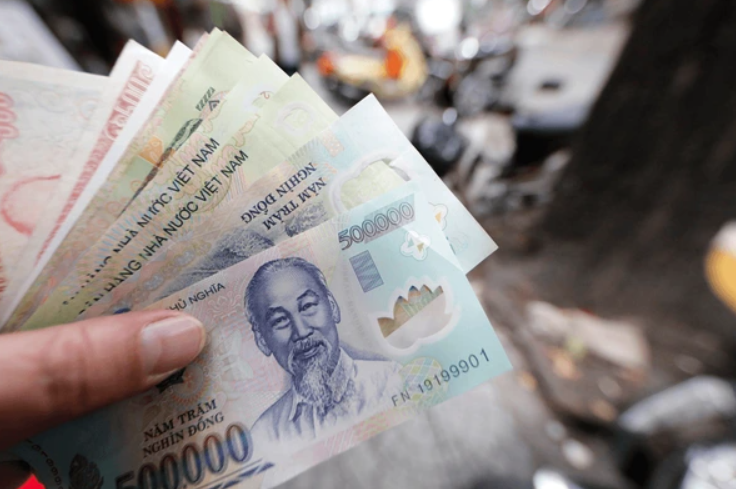
Vietnam also has a history of high inflation, particularly in the post-war period. While inflation is now largely under control, the legacy of past high inflation means that the currency carries many zeros. The large denominations you encounter, such as 10,000 VND, 50,000 VND, or even 500,000 VND, are a direct result of this historical context. It’s a common feature in rapidly developing economies that have transitioned through periods of significant economic change.
Foreign Direct Investment (FDI) Attraction
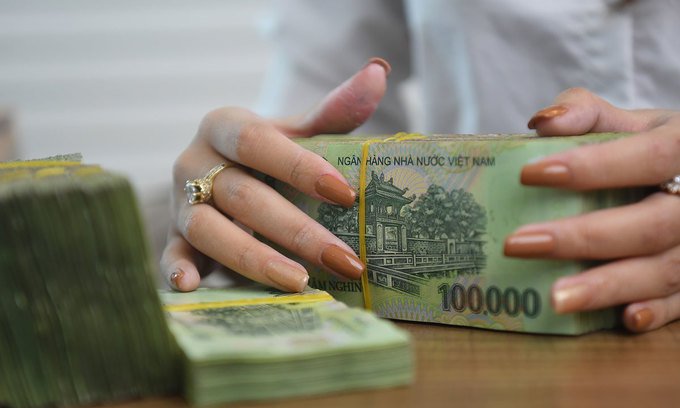
Another significant factor contributing to why is Vietnam dong so low is the country’s proactive approach to attracting Foreign Direct Investment. A weaker currency can make it more attractive for foreign companies to invest in Vietnam, as their capital goes further in local currency terms. This influx of foreign capital fuels industrial growth, creates jobs, and introduces new technologies, all contributing to Vietnam’s dynamic economic landscape.
Navigating the Dong with Delight: Practical Tips for Travelers
Understanding the value of the Vietnamese Dong not only enriches your grasp of Vietnam’s economy but also enhances your travel experience. Here’s how to embrace it with joy:
- Embrace the Zeros: Don’t be intimidated by the large numbers. Quickly learn to recognize common denominations like 20,000 VND (roughly $1 USD) and 100,000 VND. It soon becomes second nature!
- Cash is King: While credit cards are accepted in many hotels and larger establishments, cash is essential for street food, local markets, and smaller shops. It’s the lifeblood of daily transactions.
- Exchange Wisely: Exchange your currency at reputable banks, gold shops, or official exchange counters at airports. Rates can vary, so a quick comparison can be beneficial. Avoid unofficial changers.
- Budgeting Bliss: The relatively low value of the Dong means your travel budget often stretches further, allowing you to indulge in more culinary adventures, cultural experiences, and souvenirs without breaking the bank.
- Tipping Etiquette: While not mandatory, leaving a small tip for excellent service is always appreciated. Here’s a helpful guide:
Etiquette for Mindful Tipping
Tipping in Vietnam is generally not as ingrained a custom as in some Western countries, but it’s always appreciated for good service. Given why is Vietnam dong so low, even small amounts can make a difference to local service providers.
| Service | Suggested Tip (VND) | Notes |
|---|---|---|
| Restaurant Staff | 20,000 – 50,000 VND | For good service, especially in nicer restaurants. Often not expected in street food stalls. |
| Tour Guides | 100,000 – 200,000 VND per person per day | For excellent, knowledgeable guides. Adjust based on tour length and group size. |
| Drivers (Taxis, Grab, Private) | 10,000 – 30,000 VND | For courteous service, especially for longer journeys or if they help with luggage. |
| Hotel Bellhops/Porters | 10,000 – 20,000 VND per bag | For carrying luggage to your room. |
| Spa/Massage Therapists | 50,000 – 100,000 VND | For a relaxing and professional treatment. |
Frequently Asked Questions
Is it expensive to travel in Vietnam?
No, quite the opposite! Traveling in Vietnam is remarkably affordable, especially when compared to many Western countries. The low value of the Vietnamese Dong means that your foreign currency stretches much further, allowing you to enjoy delicious food, comfortable accommodation, and captivating experiences without a hefty price tag. You can savor gourmet street food for a dollar or two, find charming guesthouses for under $30 a night, and enjoy thrilling adventures that are surprisingly budget-friendly.
Is Vietnam Dong a strong currency?
The Vietnamese Dong is not considered a strong currency in the traditional sense of having a high exchange rate against major global currencies like the US Dollar or Euro. However, its lower value is largely a strategic policy choice by the Vietnamese government to support its export-oriented economy and attract foreign investment. This carefully managed weakness is an intentional tool for economic growth and competitiveness, rather than a sign of inherent economic instability.
What currency should I bring to Vietnam?
The local currency in Vietnam is the Vietnamese Dong (VND). While some major hotels and tour operators might accept US Dollars, it’s always best to pay in Dong for daily transactions, street food, markets, and local shops. We recommend bringing US Dollars, Euros, or British Pounds to exchange for VND upon arrival. ATMs are widely available in cities and larger towns for withdrawing Dong. Always carry smaller denominations of VND for convenience.
Does Vietnam use cash or card?
Vietnam predominantly operates on a cash-based system, especially for everyday transactions. You’ll need cash for street food vendors, local markets, small shops, and many cafes. Credit and debit cards are accepted in larger hotels, upscale restaurants, modern supermarkets, and some major tour agencies. However, it’s crucial to always have a good supply of Vietnamese Dong on hand for most of your purchases and activities, particularly when exploring outside the main tourist hubs.
Conclusion
The intriguing question of why is Vietnam dong so low reveals a thoughtful economic strategy, rather than a cause for concern. It’s a testament to Vietnam’s deliberate path to growth, its focus on export competitiveness, and its appeal to international investors. For you, the mindful traveler, this translates into an incredibly accessible and value-rich adventure. Your journey through Vietnam will be filled with the warmth of its people, the scent of its aromatic cuisine, and the joy of experiences that feel both grand and intimately authentic, all while your budget feels wonderfully expansive. So, pack your bags, prepare to embrace the vibrant culture, and let Vietnam Adventure guide you through this enchanting land where every Dong spent opens a door to discovery!