
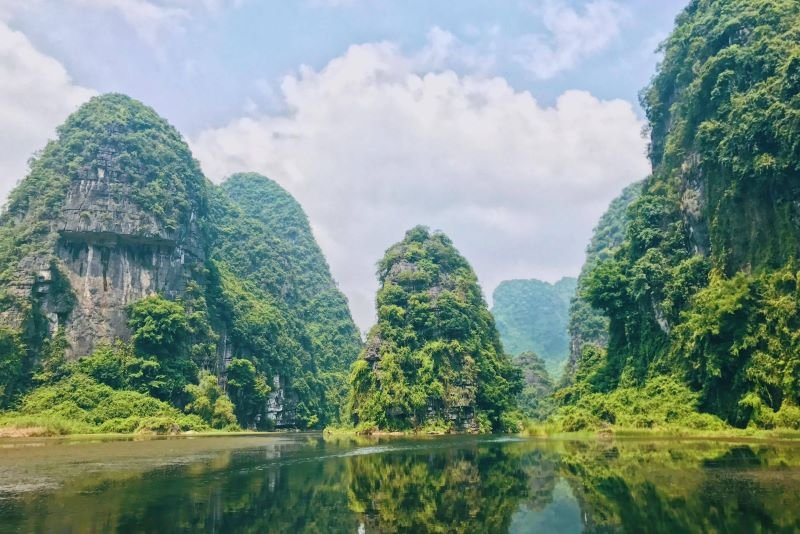
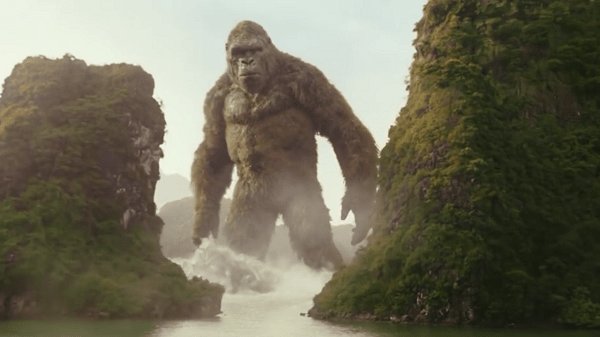
Embark on an unforgettable journey with Vietnam Adventure as we unveil the secrets of Vietnam’s cinematic landscapes. Many travelers wonder, where was King Kong filmed in Vietnam? The blockbuster movie “Kong: Skull Island” found its awe-inspiring backdrops across several breathtaking locations in northern Vietnam, including the mystical karst formations of Ninh Binh, the iconic limestone pillars of Ha Long Bay, and the majestic caves of Phong Nha-Ke Bang National Park. These places truly brought the prehistoric world of Skull Island to life, making them must-visit destinations for film buffs and nature lovers alike.
Unveiling Vietnam’s Skull Island: A Cinematic Pilgrimage
Prepare to step into a world where ancient legends and Hollywood blockbusters intertwine. When you ask where was King Kong filmed in Vietnam, you’re really asking about an immersive adventure into some of the most dramatic and pristine natural wonders our country has to offer. The filmmakers chose these locations precisely for their otherworldly beauty, transforming them into a landscape that felt both ancient and untamed, perfectly suited for the legendary Kong.
Ninh Binh: The Ethereal Gateway to Skull Island
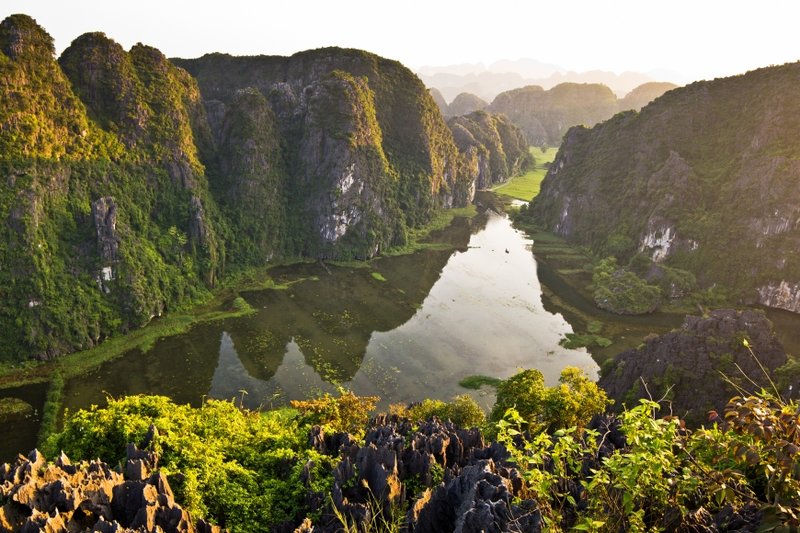
Ninh Binh, often referred to as “Ha Long Bay on land,” was a primary filming location and it’s easy to see why. Its majestic limestone karsts rise dramatically from emerald rice paddies and serene river systems, creating a surreal, almost prehistoric atmosphere. Imagine floating along a tranquil river, surrounded by towering peaks, and you’ll understand how the film crew envisioned this as the heart of Skull Island. The sheer scale and untouched beauty here are truly humbling.
Specific areas within Ninh Binh that featured prominently include:
- Trang An Scenic Landscape Complex: A UNESCO World Heritage site, Trang An’s intricate network of caves, grottoes, and winding rivers offered the perfect setting for many of Kong’s jungle scenes. The boat tours here transport you through a landscape that feels right out of the movie, with verdant cliffs and mysterious waterways.
- Tam Coc Bich Dong: Famous for its “three caves,” Tam Coc boasts rice fields framed by limestone karsts, creating iconic scenes that captured the essence of an unexplored paradise.
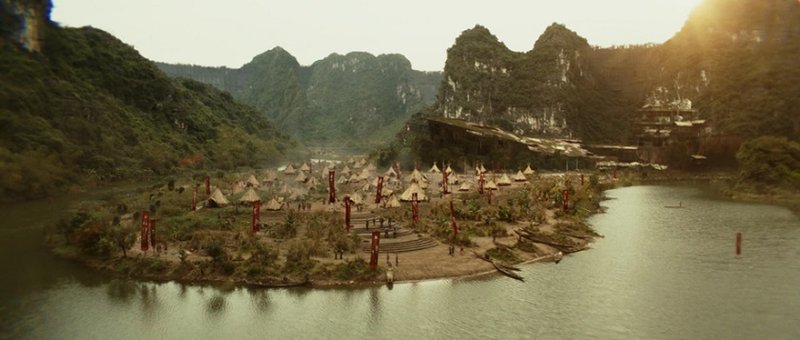
- Van Long Wetland Nature Reserve: This serene wetland, with its vast lagoons and towering limestone mountains, provided the backdrop for the film’s opening scenes and was a crucial area for showcasing Skull Island’s diverse ecosystem.
Ha Long Bay: The Dragon’s Breath of Kong’s Domain
Another iconic answer to where was King Kong filmed in Vietnam is the magnificent Ha Long Bay. Its thousands of limestone islands and islets, rising majestically from the emerald waters of the Gulf of Tonkin, provided a fantastical, almost mystical, setting. The mist-shrouded peaks and hidden coves lent themselves perfectly to the mystery and grandeur of Kong’s home. Cruising through Ha Long Bay, you can almost feel the presence of ancient creatures lurking just beyond the next karst.
While the entire bay is a cinematic marvel, specific areas like:
- Sung Sot Cave (Surprise Cave): This enormous cave, with its stalactites and stalagmites resembling mythical creatures, perfectly embodied the hidden wonders of Skull Island.
- Titop Island: Offering panoramic views of the bay, the vistas from here might remind you of aerial shots from the film, showcasing the vastness of this natural wonder.
Phong Nha-Ke Bang National Park: The Untamed Wilderness
For the truly wild and untamed aspects of Skull Island, the filmmakers turned to Phong Nha-Ke Bang National Park in Quang Binh province. This UNESCO World Heritage site is renowned for its colossal cave systems, ancient karsts, and dense jungles. The sheer scale of its natural beauty, particularly its enormous caves, created a sense of primal wonder and danger that was essential to the film’s atmosphere.
Key areas in Phong Nha-Ke Bang that captured the movie’s spirit include:
- Son Doong Cave: Though not directly filmed inside due to its extreme accessibility, the aura and scale of Son Doong—the world’s largest cave—undoubtedly inspired the subterranean landscapes of Skull Island. The surrounding area, with its dramatic karsts and lush rainforests, served as a vital part of the film’s visual tapestry.
- Hang Va and En Cave: These incredible caves, with their unique geological formations and underground rivers, contributed to the film’s depiction of the mysterious inner world of Skull Island.
Journeying to the Cinematic Landscapes of Vietnam
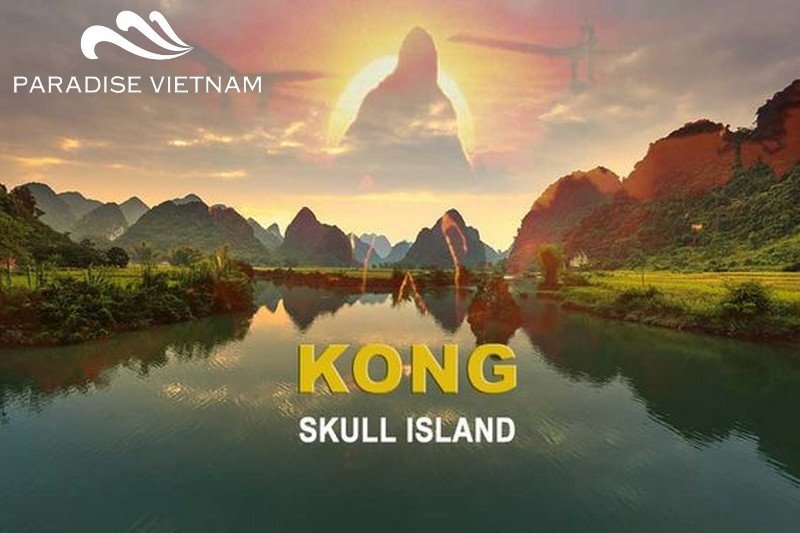
Now that you know where was King Kong filmed vietnam, how do you experience these magnificent locations for yourself? Each site offers a unique adventure, perfectly blending natural beauty with a touch of cinematic magic.
Exploring Ninh Binh
Ninh Binh is easily accessible from Hanoi. You can travel by:
- Train: A scenic journey offering glimpses of the Vietnamese countryside.
- Bus/Limousine: Comfortable and convenient options for direct travel.
- Private Car: Offers flexibility to explore at your own pace.
Once there, activities include:
- Taking a traditional sampan boat ride through Trang An or Tam Coc.
- Cycling through the tranquil rice paddies.
- Hiking to viewpoints like Mua Cave for breathtaking panoramic vistas.
Discovering Ha Long Bay
From Hanoi, Ha Long Bay is typically reached by:
- Shuttle Bus/Private Transfer: Most cruise operators offer pick-up and drop-off services.
The best way to experience Ha Long Bay is on a:
- Overnight Cruise: This allows you to truly immerse yourself in the beauty, waking up amidst the limestone karsts and enjoying activities like kayaking, swimming, and exploring caves.
- Day Trip: A shorter option for those with limited time, offering a glimpse of the bay’s grandeur.
Venturing into Phong Nha-Ke Bang National Park
Phong Nha is further south but well worth the journey:
- Flight: Fly to Dong Hoi Airport (VDH) and then take a taxi or shuttle to Phong Nha town.
- Train: Overnight trains from Hanoi or Da Nang stop at Dong Hoi.
In Phong Nha, prepare for incredible adventures:
- Cave Expeditions: Explore magnificent caves like Phong Nha Cave, Paradise Cave, or for the more adventurous, embark on multi-day treks to explore Hang En or even Son Doong Cave (requires booking far in advance).
- Jungle Treks: Discover the lush rainforests and their diverse wildlife.
- Kayaking and Ziplining: Enjoy adventurous activities in and around the rivers.
Embracing Responsible Tourism in King Kong’s Realm
As you journey to these spectacular locations, remember that mindful exploration is key. The beauty that drew filmmakers to Vietnam is fragile and precious. Here are some thoughts on how to be a responsible traveler:
- Respect Local Culture: Vietnam is rich in traditions. Dress modestly when visiting temples and interact respectfully with local communities.
- Support Local Businesses: Choose locally owned guesthouses, restaurants, and tour operators to ensure your tourism benefits the communities directly.
- Minimize Your Footprint: Dispose of waste properly, avoid single-use plastics where possible, and stick to marked trails to protect the delicate ecosystems.
- Learn Basic Vietnamese Phrases: A few simple greetings go a long way in connecting with locals and enriching your travel experience.
Respecting Vietnam’s Natural Wonders: A Guide for Travelers
When visiting the breathtaking locations where where was King Kong filmed in Vietnam, it’s essential to remember that these are not just film sets, but living, breathing ecosystems and cherished cultural landscapes. Our goal at Vietnam Adventure is to inspire travel that not only delights but also respects and preserves these wonders for future generations. Here’s a practical guide to ensuring your visit is both memorable and responsible:
| Aspect of Travel | Mindful Practice | Why it Matters |
|---|---|---|
| Waste Management | Carry a reusable water bottle, refuse single-use plastics, and dispose of all trash in designated bins. Consider packing out what you pack in. | Reduces pollution in pristine natural areas and protects wildlife from harmful plastics. |
| Interaction with Wildlife | Observe animals from a distance, never feed wild animals, and avoid disturbing their natural habitats. Do not participate in activities that exploit animals. | Maintains ecological balance and ensures the well-being and natural behaviors of indigenous species. |
| Cultural Sensitivity | Dress appropriately, especially when visiting religious sites. Ask for permission before taking photos of people. Learn a few basic Vietnamese phrases. | Shows respect for local customs and traditions, fostering positive interactions with communities. |
| Supporting Local Economy | Patronize local businesses, eat at local restaurants, and purchase handicrafts directly from artisans. Hire local guides. | Ensures that tourism revenue directly benefits the local communities and helps preserve traditional livelihoods. |
| Environmental Impact | Stick to marked paths, do not remove any natural items (rocks, plants, etc.), and avoid loud noises that can disturb the environment. | Prevents erosion, protects sensitive flora and fauna, and maintains the tranquility of natural sites. |
Frequently Asked Questions About King Kong’s Vietnam Locations
Is it expensive to visit the King Kong filming locations in Vietnam?
The cost varies depending on your travel style. While entrance fees to national parks and boat tours are generally affordable, multi-day cruises in Ha Long Bay or specialized cave expeditions in Phong Nha-Ke Bang can be more significant investments. However, Vietnam is known for being a budget-friendly destination overall, and there are options to suit every budget.
Can I visit all three main King Kong filming locations on one trip?
Yes, it’s absolutely possible! Many travelers combine these destinations into a comprehensive Northern and Central Vietnam itinerary. We recommend allowing ample time for travel between locations (Ninh Binh is relatively close to Hanoi and Ha Long Bay, while Phong Nha-Ke Bang requires a flight or overnight train). A typical itinerary exploring all three might take 7-10 days.
Do I need a tour guide to explore these areas?
While some areas, like a casual boat trip in Tam Coc, can be explored independently, having a knowledgeable local guide significantly enhances the experience. Guides can offer invaluable insights into the history, culture, and ecology of the sites, as well as navigate logistics. For more adventurous activities like cave trekking in Phong Nha, a certified guide is often mandatory for safety reasons.
What is the best time of year to visit the King Kong filming locations?
The best time to visit Northern Vietnam (Ninh Binh and Ha Long Bay) is generally during the dry season, from October to April, with pleasant temperatures. For Phong Nha-Ke Bang in Central Vietnam, the dry season runs from March to September, making it ideal for cave exploration. If you’re visiting all three, aim for a shoulder season like March-April or September-October for balanced weather across the regions.
Are the King Kong movie props still visible at the filming locations?
No, the large-scale movie props, such as the giant skull and airplane wrecks, were temporary set pieces and have long been removed after filming concluded. The true attraction lies in the natural landscapes themselves, which are far more magnificent than any prop could convey. Local communities, particularly in Trang An, have since created small, respectful homages to the film, but these are small-scale and managed by the community.
Embark on Your Own Epic Adventure Through Vietnam’s Legendary Landscapes
Exploring where was King Kong filmed in Vietnam is more than just tracing movie locations; it’s an invitation to discover the soul-stirring beauty and dramatic grandeur of this incredible country. From the ancient karsts of Ninh Binh to the ethereal waters of Ha Long Bay and the mystical caves of Phong Nha-Ke Bang, these landscapes hold a magic that transcends the silver screen. Let Vietnam Adventure be your guide to crafting an unforgettable journey, where every vista feels like a scene from your very own epic tale.