
Embark on an extraordinary journey beneath the shimmering surface with Vietnam Adventure as we explore where to dive in Vietnam. For those yearning to discover the vibrant coral gardens and diverse marine life, the concise answer to where to dive in Vietnam primarily points to Nha Trang, Phu Quoc, and the Con Dao Islands.
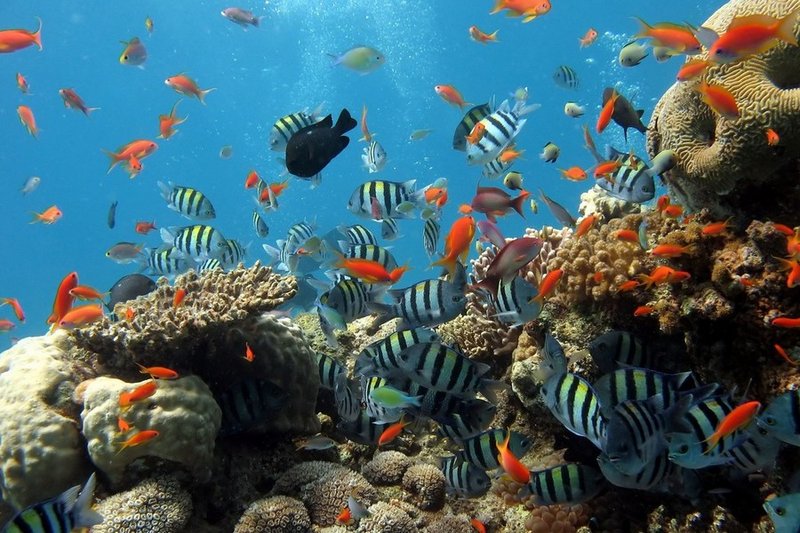
Discovering Vietnam’s Underwater Paradise
Vietnam, a land celebrated for its emerald rice paddies and bustling streetscapes, also holds a hidden realm of breathtaking beauty beneath its turquoise waters. For passionate divers and curious snorkelers alike, the question of where to dive in Vietnam opens up a world of colorful corals, playful fish, and even elusive dugongs. Imagine gliding effortlessly through crystal-clear waters, the sun’s rays dancing through the depths, illuminating an ecosystem teeming with life. Each dive site offers a unique narrative, a new adventure waiting to unfold.
Nha Trang: The Diving Capital
Nha Trang stands as Vietnam’s undisputed diving capital, offering accessibility and a wide array of sites suitable for all skill levels. Its calm, clear waters and abundant marine life make it an ideal starting point for your underwater exploration. Whether you are a seasoned diver or just considering your first breath underwater, Nha Trang provides the perfect backdrop.
- Hon Mun Marine Park: A protected area, Hon Mun is a kaleidoscope of hard and soft corals. Expect to encounter vibrant clownfish, delicate nudibranchs, and schools of barracuda. Night dives here reveal a completely different world, as nocturnal creatures emerge from their daytime slumber.
- Madonna Rock: This site boasts impressive rock formations and swim-throughs, creating a playground for divers. Keep an eye out for moray eels peeking from crevices and the occasional reef shark gliding by.
- Electric Reef: True to its name, Electric Reef buzzes with activity. It is a fantastic spot for macro photography, with countless small critters hidden among the corals.
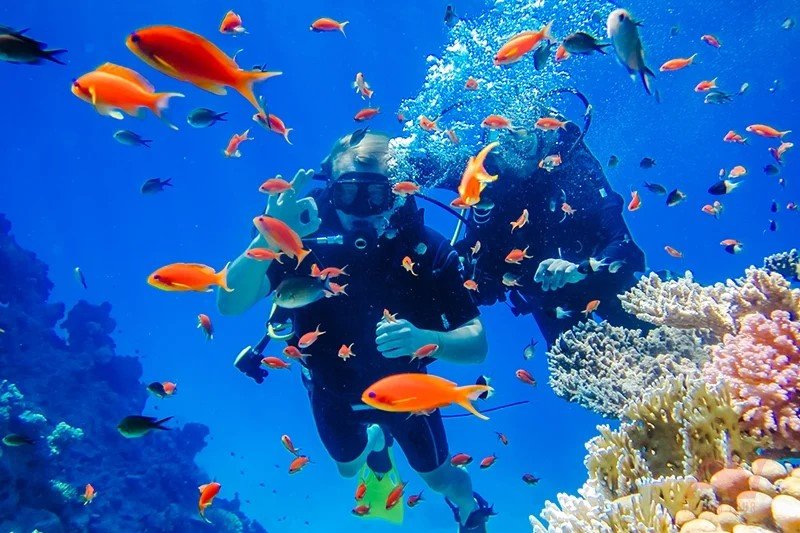
Phu Quoc: Island Charm and Coral Reefs
Further south, the idyllic island of Phu Quoc offers a more tranquil diving experience. While perhaps not as famed as Nha Trang for its sheer number of dive sites, Phu Quoc’s charm lies in its pristine conditions and the chance for more intimate encounters with marine life. For those wondering where to scuba dive in Vietnam with a relaxed island vibe, Phu Quoc is a strong contender.
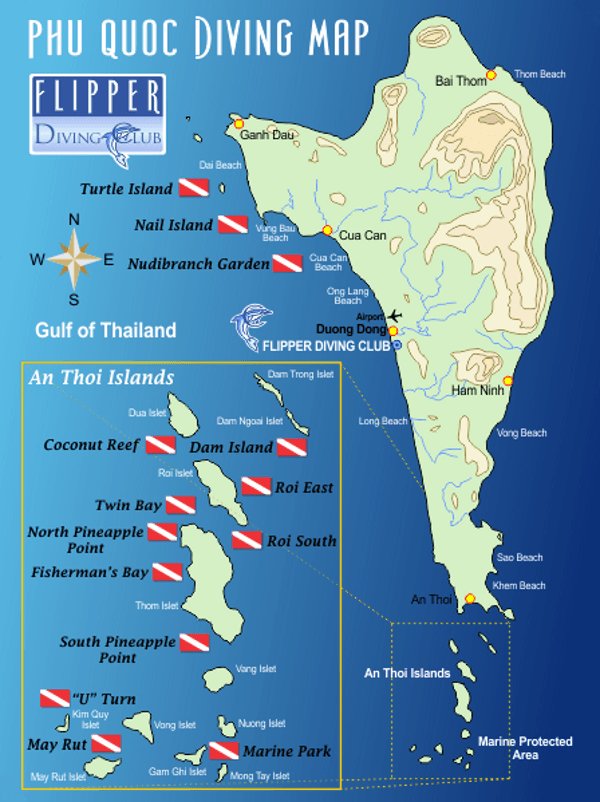
- An Thoi Archipelago: Located off the southern tip of Phu Quoc, this cluster of islands provides diverse diving opportunities. Expect healthy coral reefs, a variety of tropical fish, and even some small wrecks to explore.
- Turtle Island (Hon Doi Moi): Despite its name, spotting turtles here can be a rare treat, but the vibrant coral gardens are a guaranteed spectacle. It is perfect for both diving and snorkeling.
- Fingernail Island (Hon Mong Tay): Known for its beautiful beaches above water, below the surface, it offers interesting rock formations and a good chance to see rays.
Con Dao Islands: Untouched Wilderness
For the truly adventurous seeking an unspoiled underwater frontier, the Con Dao Islands are a protected marine park offering some of the best diving in Vietnam. This remote archipelago boasts exceptional biodiversity, making it a prime location for those who want to witness marine life in its most natural state. If you are serious about where to dive in Vietnam for an unparalleled experience, Con Dao should be at the top of your list.
- Hon Bay Canh: This island is a crucial nesting ground for sea turtles, and while diving, you have a good chance of encountering these magnificent creatures. The coral reefs here are extensive and exceptionally healthy.
- Hon Cau: Known for its dramatic underwater topography and crystal-clear visibility, Hon Cau offers a thrilling dive experience with diverse fish species and larger pelagics.
- Small Island (Hon Tai): Offering sheltered bays, this site is perfect for spotting smaller reef inhabitants and enjoying leisurely dives amidst beautiful coral formations.
Planning Your Vietnamese Diving Expedition
To make the most of your underwater adventure, consider these practical details for where to dive in Vietnam.
Best Time to Dive
Vietnam’s diving seasons vary by region due to its elongated coastline and diverse climate. Choosing the right time ensures optimal visibility and comfortable conditions.
| Destination | Best Months for Diving | Notes |
|---|---|---|
| Nha Trang | February to October | Calm seas, good visibility, peak season is May-August. |
| Phu Quoc | November to May | Dry season, calm waters, excellent visibility. |
| Con Dao Islands | March to September | Warmest water, best visibility, outside typhoon season. |
Choosing a Dive Operator
Safety and enjoyment go hand-in-hand when diving. Always select a reputable dive center that prioritizes safety standards and environmental responsibility.
- Certifications: Ensure the dive center is affiliated with recognized international organizations like PADI or SSI.
- Equipment Quality: Check that rental equipment is well-maintained and in good condition.
- Experienced Guides: Local guides with extensive knowledge of the dive sites and marine life enhance your experience and safety.
- Small Group Sizes: Opt for operators who limit group sizes for a more personalized and safer dive.
Responsible Diving Practices
As guests in the underwater world, it is our responsibility to protect its delicate ecosystems. Mindful diving ensures these wonders can be enjoyed for generations to come.
- Hands Off: Never touch corals or marine life. Even a gentle touch can damage sensitive organisms.
- Buoyancy Control: Maintain neutral buoyancy to avoid contact with the reef and stirring up sediment.
- No Feeding: Feeding fish can disrupt their natural behaviors and health.
- Take Only Photos, Leave Only Bubbles: Remove any trash you find and avoid taking souvenirs from the reef.
Frequently Asked Questions About Diving in Vietnam
Is Vietnam good for diving?
Absolutely! Vietnam offers a surprisingly rich and diverse underwater landscape, making it an excellent destination for diving. While it might not have the dramatic drop-offs or massive pelagic encounters of some other global hotspots, it excels in vibrant coral reefs, abundant macro life, and comfortable diving conditions, especially in its key dive destinations like Nha Trang, Phu Quoc, and the Con Dao Islands. It’s particularly well-suited for beginners and intermediate divers, offering plenty to explore.
What type of marine life can I expect to see when I scuba dive in Vietnam?
When you scuba dive in Vietnam, you can expect to encounter a beautiful array of tropical marine life. Common sightings include various species of colorful reef fish like clownfish, angelfish, butterflyfish, and parrotfish. You’ll often spot moray eels, barracudas, and groupers. Macro enthusiasts will delight in finding nudibranchs, seahorses, and pipefish. In certain areas, especially the Con Dao Islands, there’s a good chance of seeing green sea turtles, hawksbill turtles, and even dugongs. Occasional sightings of reef sharks and rays are also possible, adding to the excitement of your dive.
Do I need a diving certification to dive in Vietnam?
Yes, for proper scuba diving beyond introductory experiences, you will need a recognized diving certification (such as PADI Open Water Diver or equivalent). Many dive centers in Vietnam offer introductory “Discover Scuba Diving” experiences, which allow uncertified individuals to try diving under the direct supervision of an instructor in shallow waters. However, to fully explore the dive sites and go to greater depths, a certification is essential for your safety and to comply with local regulations.
How much does it cost to go diving in Vietnam?
The cost of diving in Vietnam is generally quite affordable compared to many other diving destinations worldwide. A “Discover Scuba Diving” experience can range from $50-$80 USD. A certified fun dive trip, which typically includes two dives, equipment rental, and lunch, usually costs between $70-$120 USD. PADI Open Water certification courses often fall in the range of $300-$450 USD, depending on the dive center and location. Prices can vary based on the specific location, the reputation of the dive center, and the season.
Are there opportunities for snorkeling as well?
Absolutely! Many of the best diving locations in Vietnam are also fantastic for snorkeling. Places like Hon Mun Marine Park in Nha Trang, Turtle Island in Phu Quoc, and many spots around the Con Dao Islands boast vibrant coral reefs and abundant fish life in shallow, clear waters, making them perfect for snorkelers. Dive centers often offer combined diving and snorkeling tours, allowing groups with mixed interests to enjoy the underwater beauty together.
Your Underwater Journey Awaits
As the sun dips below the horizon, painting the sky in fiery hues, you will surface from your dive with memories etched deep into your soul. Vietnam’s underwater world is a testament to its incredible natural beauty, offering an experience that is both exhilarating and profoundly peaceful. From the vibrant reefs of Nha Trang to the serene depths of Con Dao, where to dive in Vietnam offers an adventure for every ocean lover.
We at Vietnam Adventure invite you to plunge into these waters and discover the magic for yourself. Let us guide you to the hidden wonders that lie beneath the waves, creating moments of connection with nature that will last a lifetime. Your next great adventure is calling!