
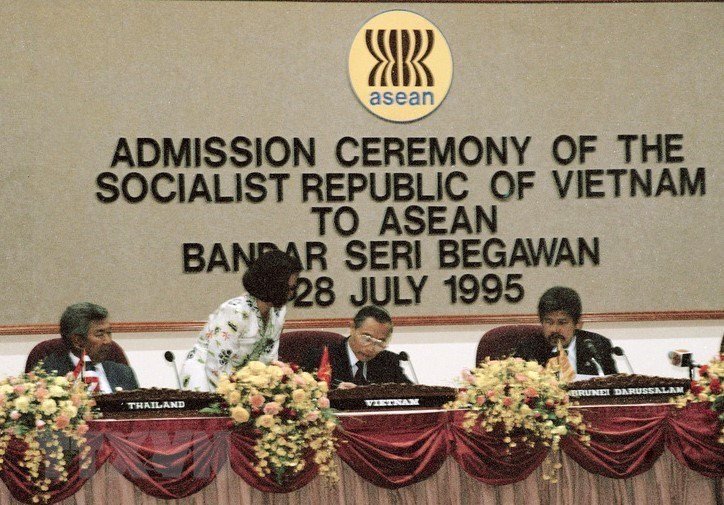
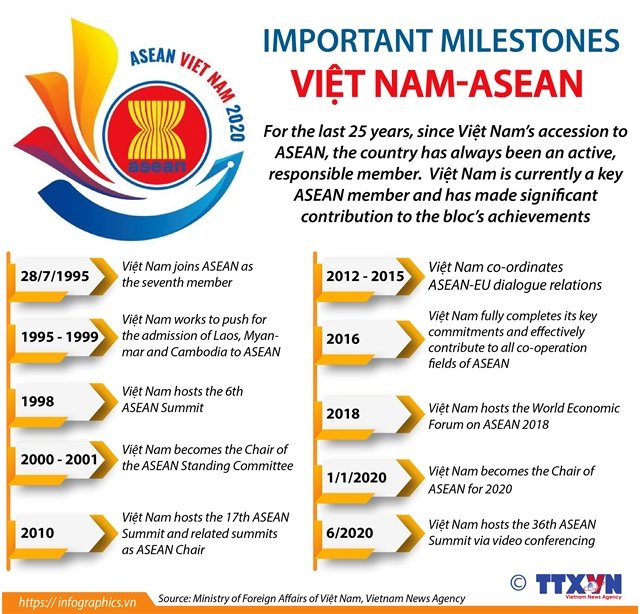
Xin chào, fellow adventurers! As you plan your meaningful journey through the captivating landscapes and rich cultures of Southeast Asia, you might find yourself wondering about the intricate tapestry of its nations. Here at Vietnam Adventure, we love shedding light on these fascinating connections. A common question we encounter is when did Vietnam join ASEAN, and understanding this moment in history offers valuable insights for your travels. So, let’s dive in! Vietnam officially joined ASEAN on July 28, 1995, marking a pivotal moment for both the nation and the regional bloc.
A Historic Step: Vietnam’s Integration into ASEAN
The journey for Vietnam to become a member of the Association of Southeast Asian Nations (ASEAN) was a significant chapter in its post-war history. For decades, Vietnam had been focused on rebuilding and developing its nation, often in relative isolation. The decision for when did Vietnam join ASEAN was a strategic move that signaled the country’s desire for deeper regional integration, economic cooperation, and enhanced peace and stability.
The Road to Membership
Before when did Vietnam joined ASEAN, the nation had spent years observing and engaging with the bloc. The early 1990s saw Vietnam actively pursuing a more outward-looking foreign policy, recognizing the benefits of collaboration with its neighbors. This period was characterized by economic reforms, known as Đổi Mới, which opened Vietnam to the world and laid the groundwork for its regional integration. The process wasn’t just about political declarations; it involved aligning policies and fostering understanding, a true testament to the spirit of regional camaraderie.
July 28, 1995: A Day to Remember
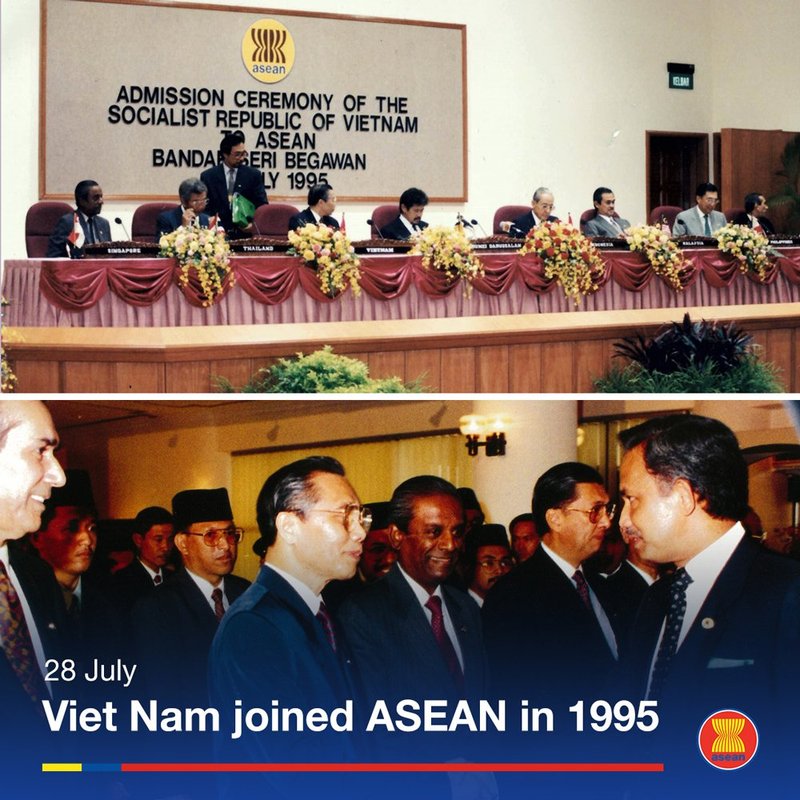
The formal accession ceremony on July 28, 1995, was a momentous occasion. Vietnam became the seventh member of ASEAN, joining Brunei Darussalam, Indonesia, Malaysia, the Philippines, Singapore, and Thailand. This event was not merely a formality; it symbolized Vietnam’s commitment to regional partnership and its embrace of a multilateral future. From that day forward, is Vietnam in ASEAN has been unequivocally answered with a resounding yes, and the nation has played an increasingly vital role in the bloc’s development.
Vietnam’s Transformative Role Within ASEAN
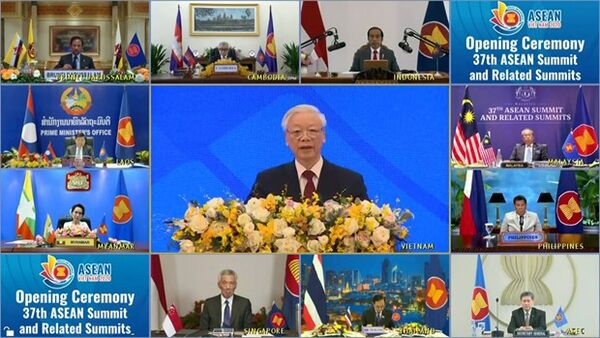
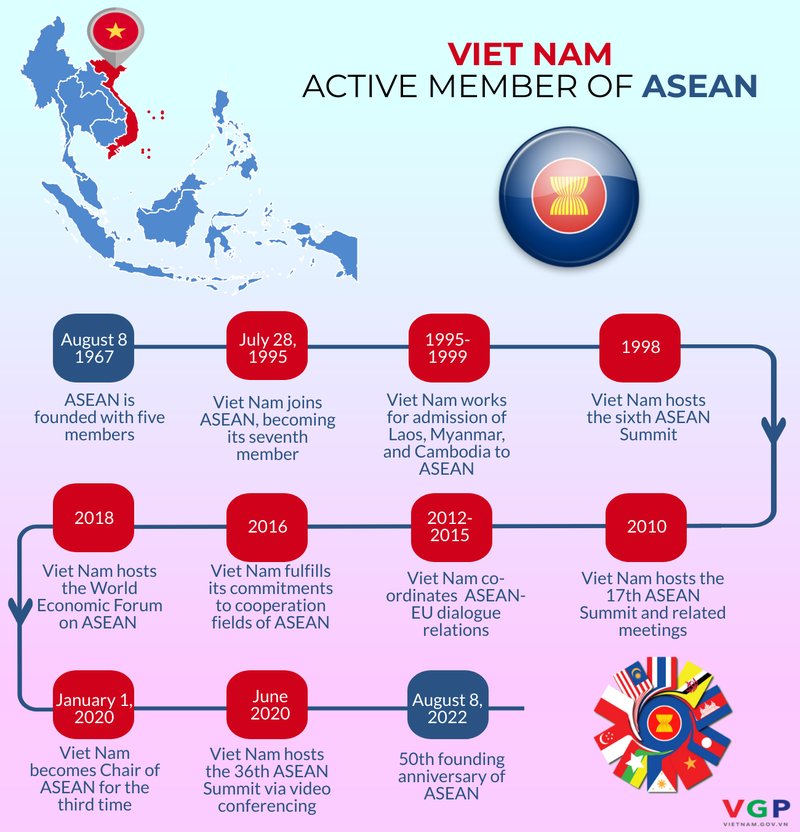
Since joining, Vietnam has been an active and constructive member, contributing significantly to ASEAN’s pillars of economic, socio-cultural, and political-security cooperation. The nation’s dynamism and resilience have brought fresh perspectives and vigor to the organization.
Economic Integration and Growth
Being a part of ASEAN has profoundly impacted Vietnam’s economy. The establishment of the ASEAN Economic Community (AEC) has facilitated trade, investment, and the movement of skilled labor across member states. This integration has helped propel Vietnam’s remarkable economic growth, transforming it into a vibrant manufacturing hub and an attractive destination for foreign investment. Travelers today witness this growth in bustling cities, thriving markets, and innovative industries. When you explore Vietnam, you’re experiencing a nation deeply interwoven with the regional economic fabric.
Promoting Peace and Stability
Beyond economics, Vietnam’s membership has strengthened regional peace and stability. The principle of non-interference, consensus-building, and peaceful dispute resolution are cornerstones of the ASEAN Way, which Vietnam wholeheartedly embraces. Its active participation in various ASEAN forums, including the ASEAN Regional Forum (ARF) and the ASEAN Defence Ministers’ Meeting (ADMM) Plus, underscores its commitment to maintaining a secure and harmonious Southeast Asia. This regional stability directly benefits travelers, ensuring a safe and welcoming environment for exploration.
Cultural Exchange and Connectivity
The socio-cultural pillar of ASEAN is where the heart of regional connections truly beats. Vietnam’s rich cultural heritage, from its ancient traditions to its contemporary arts, has added vibrant threads to the ASEAN tapestry. Exchange programs, festivals, and tourism initiatives fostered by ASEAN help people-to-people connections flourish. As a traveler, this means easier access to experience the diverse cultures of the region, from the serene temples of Laos to the bustling markets of Thailand, often with smoother border crossings and enhanced regional tourism infrastructure.
Embracing Vietnam’s ASEAN Connection on Your Journey
Understanding when Vietnam join ASEAN enriches your travel experience by highlighting Vietnam’s interconnectedness with its neighbors. It helps you see the country not in isolation, but as a vital part of a dynamic, evolving region.
What Vietnam’s ASEAN Membership Means for Mindful Travelers
For those who seek meaningful and mindful exploration, Vietnam’s role in ASEAN offers several practical and profound insights:
- Seamless Regional Travel: ASEAN membership has led to greater connectivity. Many ASEAN citizens can travel visa-free or with simplified procedures across member states. While specific visa rules for non-ASEAN travelers vary, the overall emphasis on regional tourism makes combined itineraries easier to plan. Consider a multi-country adventure, perhaps starting in Vietnam and flowing into Laos or Cambodia.
- Cultural Bridges: The shared heritage and ongoing cultural exchanges within ASEAN mean you’ll find fascinating common threads and unique distinctions across countries. Observe how the same traditional crafts or culinary ingredients manifest differently, telling a story of shared history and distinct identities.
- Economic Vibrancy: Witness firsthand the economic dynamism fostered by regional integration. From modern cityscapes to bustling ports, you’ll see the impact of trade and collaboration on daily life and opportunities for local communities.
- A Sense of Belonging: When you travel consciously, you become part of the narrative. Recognizing Vietnam’s place within ASEAN helps you appreciate its broader diplomatic efforts and its commitment to a peaceful, prosperous region.
Here’s a snapshot of Vietnam’s journey in ASEAN:
| Aspect | Before ASEAN Membership (Pre-1995) | After ASEAN Membership (Post-1995) |
|---|---|---|
| Foreign Policy | More focused on socialist bloc, cautious international engagement. | Outward-looking, multilateral, regional integration prioritized. |
| Economy | Centrally planned, limited international trade, slow growth. | Market-oriented, robust trade and investment, rapid growth. |
| Regional Relations | Often strained, periods of conflict. | Cooperative, emphasis on peace, stability, and mutual benefit. |
| Tourism | Limited, nascent infrastructure. | Booming, integrated into regional tourism circuits, developed infrastructure. |
Frequently Asked Questions About Vietnam and ASEAN
H3 When exactly did Vietnam join ASEAN?
Vietnam officially became a member of ASEAN on July 28, 1995, making it the seventh country to join the regional bloc.
H3 Why was Vietnam’s entry into ASEAN significant?
Vietnam’s entry was highly significant as it marked a new era of reconciliation and cooperation in Southeast Asia, bringing together former adversaries under a common framework for peace, economic growth, and cultural exchange. It also demonstrated Vietnam’s commitment to multilateralism and regional integration.
H3 Is Vietnam an active member of ASEAN today?
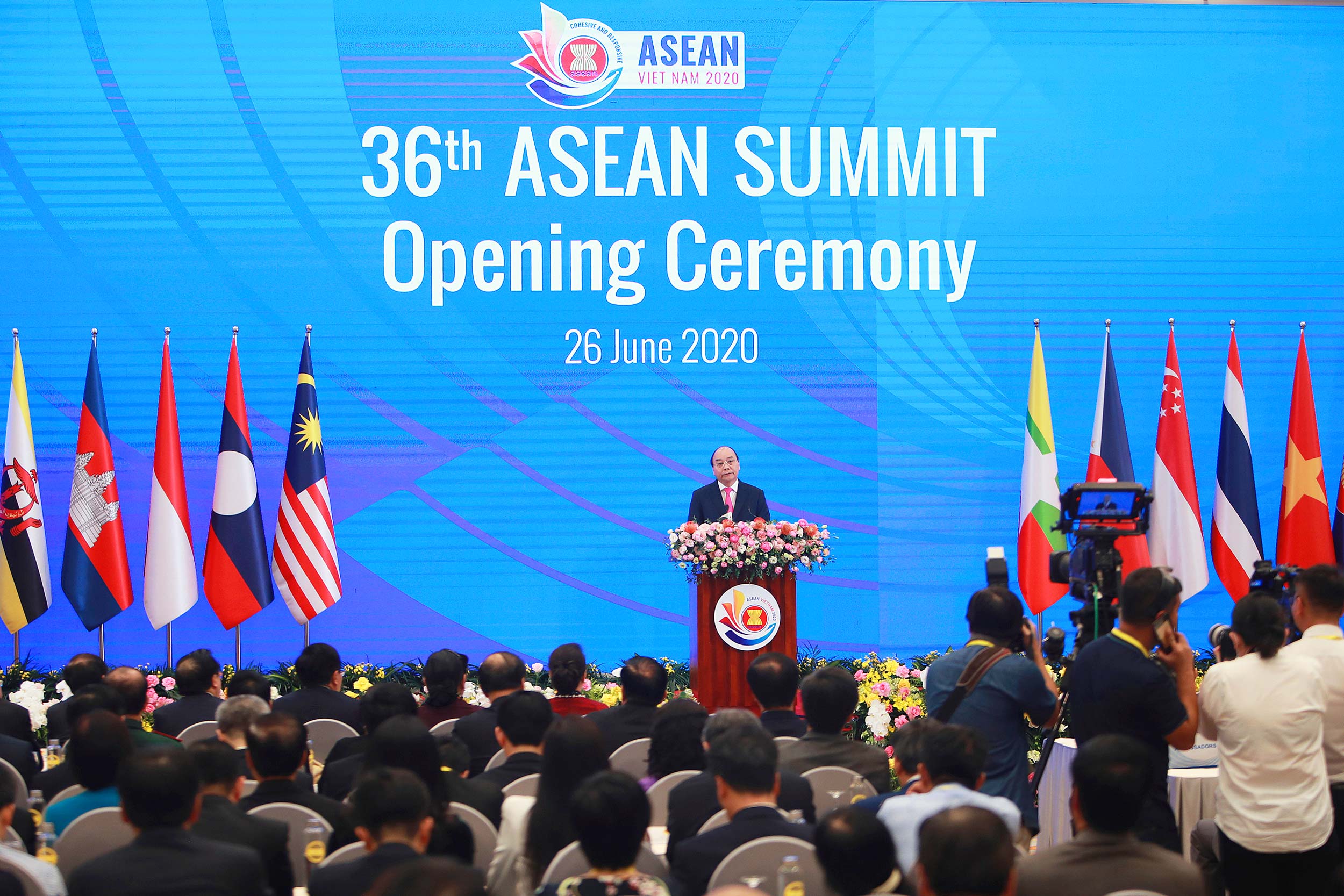
Absolutely! Vietnam is a very active and respected member of ASEAN, consistently contributing to regional initiatives in economic, political-security, and socio-cultural spheres. It has hosted and chaired numerous ASEAN meetings and played a crucial role in shaping the bloc’s agenda.
H3 How does ASEAN membership benefit Vietnam?
ASEAN membership provides Vietnam with numerous benefits, including increased trade and investment opportunities through the ASEAN Economic Community, enhanced regional security cooperation, a platform for diplomatic engagement, and opportunities for cultural exchange and tourism development. It also strengthens Vietnam’s voice on the international stage.
H3 Can I travel easily between Vietnam and other ASEAN countries?
Yes, in general, travel between Vietnam and other ASEAN countries is relatively straightforward, especially for ASEAN citizens who often enjoy visa-free entry. For non-ASEAN tourists, while visa requirements still apply to many nationalities, the emphasis on regional tourism by ASEAN has often led to streamlined processes and improved connectivity.
H3 What are the main goals of ASEAN?
ASEAN’s main goals include accelerating economic growth, social progress, and cultural development in the region, promoting regional peace and stability through adherence to the rule of law, and fostering cooperation on matters of common interest. It aims to create a cohesive and prosperous community of Southeast Asian nations.
Embrace the Spirit of a Connected Vietnam
Understanding when did Vietnam join ASEAN is more than just a historical fact; it’s a lens through which to appreciate the nation’s journey and its vibrant connections within Southeast Asia. Vietnam’s commitment to regional cooperation has shaped its present and continues to guide its future, influencing everything from its bustling economy to the warm hospitality you’ll encounter on your travels. So, as you plan your adventure, remember that you’re not just visiting Vietnam; you’re stepping into a country that is an integral, dynamic part of a larger, fascinating regional story. Ready to explore this richly connected land? Let Vietnam Adventure guide your way!