
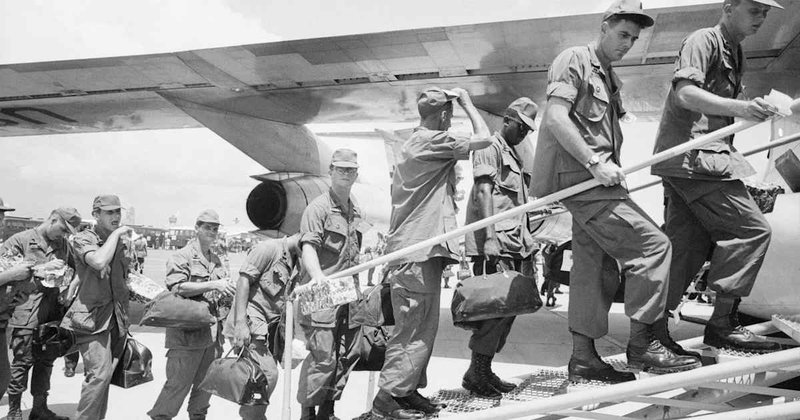
Here at Vietnam Adventure, we believe understanding a place’s history deepens your journey. It allows you to appreciate the resilience of its people and the vibrant spirit that thrives today. Many travelers wonder, when did Americans leave Vietnam? The direct answer is that the last U.S. combat troops departed on March 29, 1973, marking a significant turning point in a long and complex conflict.
A Look Back: The Road to Withdrawal
The decision to withdraw American forces wasn’t a sudden one, but rather the culmination of years of political and social shifts. As the conflict wore on, public opinion in the United States grew increasingly divided, leading to a policy of “Vietnamization.”
The Policy of Vietnamization
Under President Richard Nixon, the strategy of Vietnamization aimed to gradually transfer the responsibility of fighting the war to the South Vietnamese army (ARVN), while simultaneously withdrawing U.S. troops. This period, roughly from 1969 to 1972, saw a steady reduction in American ground forces. It was a complex and often turbulent time, both on the ground in Vietnam and within the United States.
Paris Peace Accords of 1973
The path to American withdrawal was formally paved by the signing of the Paris Peace Accords on January 27, 1973. This agreement aimed to establish peace in Vietnam and bring an end to the direct military involvement of the United States. Key provisions included a ceasefire, the withdrawal of all remaining U.S. troops, the release of prisoners of war, and a framework for political settlement.
It’s important to distinguish between the departure of combat troops and the absolute end of the war. While the agreement led to the rapid departure of American military personnel, the conflict between North and South Vietnam continued for another two years.

The Final Departures: March 29, 1973
The date of March 29, 1973, holds significant historical weight. On this day, the last acknowledged U.S. combat troops officially departed from South Vietnam. This marked the end of direct American military engagement in the conflict, fulfilling a promise made as part of the Paris Peace Accords. For many Americans, it symbolized the conclusion of a long and painful chapter in their nation’s history.
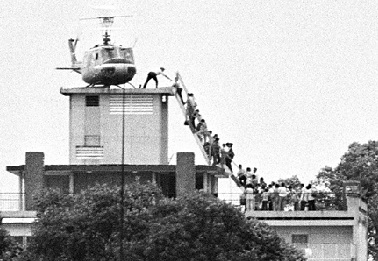
However, it’s worth noting that a small number of U.S. personnel, primarily Marines protecting the American embassy, remained until the dramatic events of April 1975.
The Fall of Saigon and the Ultimate End of the War
While U.S. combat troops had left in 1973, the Vietnam War itself did not conclude until April 30, 1975, with the Fall of Saigon. This pivotal event saw North Vietnamese forces capture the capital of South Vietnam, leading to the reunification of Vietnam under communist rule. The images of the last helicopters lifting off from the American embassy in Saigon remain etched in history, symbolizing the chaotic and hurried final moments of the war for many.
Beyond the Dates: Understanding Vietnam’s Resilience
Learning when did Americans leave Vietnam provides a factual anchor, but it’s only one piece of a much larger tapestry. Today, Vietnam is a nation that has moved forward with remarkable strength and optimism. The echoes of the past can still be felt, certainly, but they are intertwined with a vibrant present and a hopeful future. From the bustling streets of Hanoi to the serene waters of Ha Long Bay, and the historic charm of Hoi An, the country invites travelers to discover its beauty, culture, and incredible resilience.
Exploring Vietnam allows you to witness firsthand the determination of its people to build a thriving society. The war left indelible marks, but the Vietnamese spirit has always been one of endurance, innovation, and an unwavering commitment to community. When you visit war museums, speak with locals, and wander through historical sites, you gain a deeper appreciation for the journey this nation has undertaken.
Historical Landmarks and Reflection
For those interested in understanding the historical context and reflecting on the events, Vietnam offers numerous sites that respectfully acknowledge the past:
- War Remnants Museum, Ho Chi Minh City: A powerful and poignant museum showcasing the impact of the war.
- Cu Chi Tunnels, near Ho Chi Minh City: An incredible network of underground tunnels used by Viet Cong soldiers, offering a glimpse into their resourcefulness.
- Hoa Lo Prison (Hanoi Hilton), Hanoi: A former prison used by the French colonists and later by North Vietnam for captured American pilots.
- DMZ (Demilitarized Zone) Tours, Central Vietnam: Explore the former dividing line between North and South Vietnam, including Khe Sanh Combat Base and the Vinh Moc Tunnels.
These sites offer an opportunity for quiet contemplation and a chance to learn from history, fostering a deeper connection to the people and the land.
Traveling in Vietnam Today: A Journey of Discovery
Vietnam today is a country brimming with life, welcoming visitors with open arms. From its breathtaking natural landscapes to its ancient traditions and delicious cuisine, there’s something for every traveler. The history, while significant, does not define the entirety of your experience. Instead, it adds layers of depth and understanding to the vibrant present.
Engaging with local communities, savoring street food, and exploring the dynamic cities and tranquil villages will give you a true sense of modern Vietnam. The warmth of the people, their hospitality, and their enduring spirit are truly inspiring.
Navigating Historical Sites with Respect
When visiting historical sites related to the war, mindful engagement is key to a meaningful experience. Showing respect for the sacrifices made and the stories shared is paramount. Here’s how to approach these powerful locations:
| Aspect of Respectful Visit | Description and Recommendation |
|---|---|
| Dress Appropriately | Wear modest clothing, especially at memorial sites and temples. Shoulders and knees should generally be covered. |
| Maintain a Quiet Demeanor | These are places of reflection. Speak softly and avoid boisterous behavior. |
| Ask Before Photographing | While many areas allow photography, always be sensitive. Avoid taking photos of individuals without their permission, especially at emotionally charged sites. |
| Engage with Guides | Local guides often provide invaluable insights and personal perspectives, enriching your understanding of the history and local narratives. |
| Read and Reflect | Take your time to read the informational plaques and exhibits. Allow yourself time to process the information and reflect on the historical significance. |
| Support Local Communities | Consider purchasing souvenirs from local vendors or dining at local establishments near historical sites to contribute directly to the community. |
Your respectful approach enhances not only your own journey but also demonstrates appreciation for Vietnam’s heritage.
Frequently Asked Questions About the Vietnam War and US Involvement
When did American troops leave Vietnam?
The last U.S. combat troops officially departed from South Vietnam on March 29, 1973, following the signing of the Paris Peace Accords.
What was the significance of the Paris Peace Accords?
Signed on January 27, 1973, the Paris Peace Accords were meant to establish peace in Vietnam and facilitate the withdrawal of U.S. forces, return of POWs, and a ceasefire. While it ended direct American military involvement, it did not immediately end the conflict between North and South Vietnam.
Did all Americans leave Vietnam in 1973?
While the last combat troops left on March 29, 1973, a small number of U.S. personnel remained, primarily attached to the Defense Attaché Office (DAO) and guarding the American embassy in Saigon. These remaining personnel were largely evacuated during the Fall of Saigon in April 1975.
What happened after the Americans left Vietnam?
After the withdrawal of U.S. combat troops in 1973, the fighting between North and South Vietnam continued. The war ultimately concluded with the Fall of Saigon on April 30, 1975, when North Vietnamese forces captured the capital, leading to the reunification of Vietnam under communist rule.
How does Vietnam remember this period?
Vietnam remembers this period through a variety of historical sites, museums, and memorials across the country. These locations offer insights into the war from a Vietnamese perspective, commemorating the sacrifices made and celebrating national reunification. The general atmosphere is one of moving forward, while respectfully acknowledging the past.
Embrace the Spirit of Vietnam
Knowing when did Americans leave Vietnam is a piece of the puzzle, but the true adventure lies in experiencing the country’s transformation. Vietnam is a land of vibrant culture, breathtaking landscapes, and a people who embody resilience and warmth. We invite you to explore its rich history, indulge in its exquisite cuisine, and connect with its incredible spirit. Begin your unforgettable journey with Vietnam Adventure.