
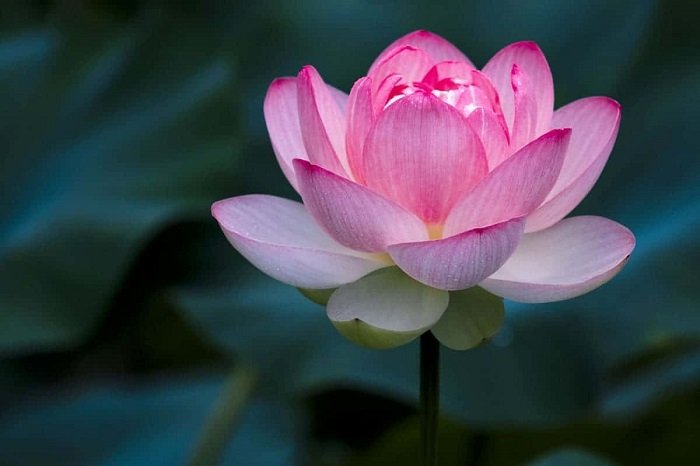
Embark on a captivating journey with Vietnam Adventure as we unveil a profound cultural symbol. Many travelers wonder, what is the national flower of Vietnam? The direct and concise answer is the lotus flower.
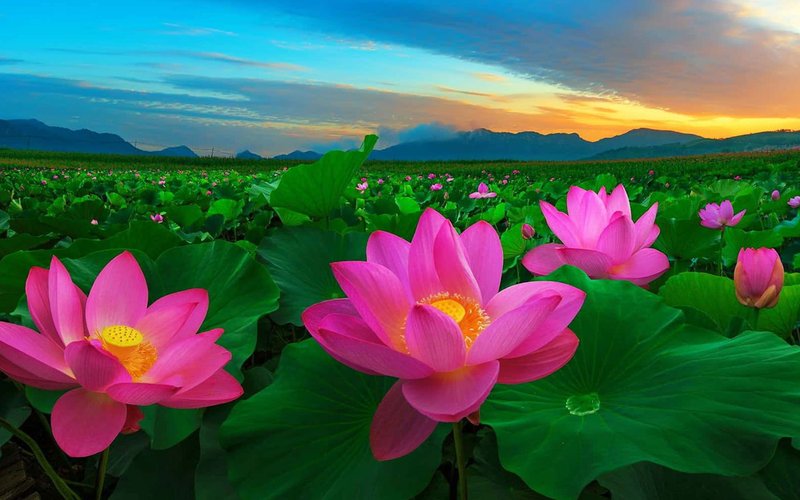
Discovering the Lotus: More Than Just a Flower
The lotus, or “Hoa Sen” in Vietnamese, is not merely a beautiful bloom; it is a profound emblem deeply woven into the fabric of Vietnamese identity, spirituality, and daily life. Its presence graces everything from ancient pagodas to modern art, inspiring poetry, music, and a way of living. When you ponder what is the national flower of Vietnam, you are delving into the very soul of the country.
The Enduring Symbolism of the Lotus
The question of why is lotus the national flower of Vietnam unravels a rich tapestry of meaning. Rising majestically from muddy waters, unstained and pure, the lotus embodies resilience, purity, and optimism. It represents:
- Purity and Enlightenment: Though its roots are in the mud, its petals remain pristine, symbolizing the purity of the spirit even amidst adversity. This resonates deeply with Buddhist philosophy, a cornerstone of Vietnamese culture.
- Beauty and Grace: The delicate layers of its petals and its serene beauty have long captivated artists and poets, reflecting an inherent appreciation for elegance and simplicity.
- Strength and Resilience: The lotus pushes through challenging conditions to bloom, mirroring the enduring spirit of the Vietnamese people who have faced numerous trials throughout history.
- Optimism and Future: Each sunrise brings the lotus to full bloom, a daily testament to renewal, hope, and the promise of a brighter future.
- Love and Affection: In Vietnamese folklore and proverbs, the lotus often represents unwavering love, loyalty, and the beauty of relationships.
Exploring Vietnam, you will encounter the lotus everywhere – in tranquil ponds, adorning temples, as motifs on traditional textiles, and even as a delicious ingredient in local cuisine. This omnipresence truly answers what is the national flower of Vietnam and showcases its pervasive influence.
A Journey Through Lotus Landscapes
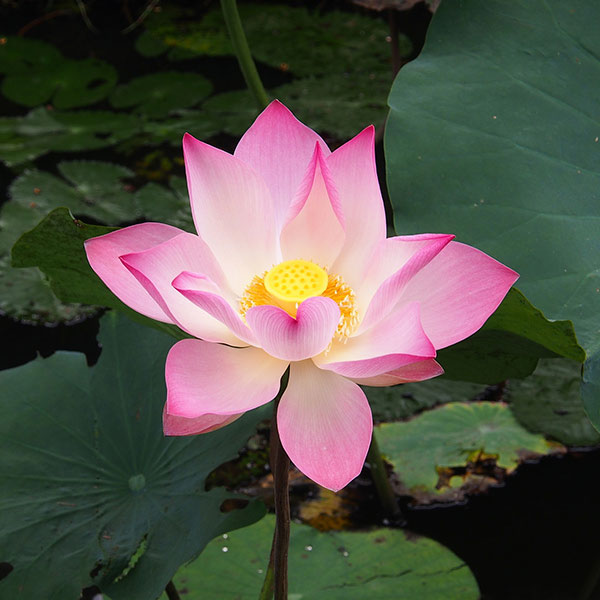
To truly appreciate what is the national flower of Vietnam, immerse yourself in the landscapes where it thrives. Imagine serene mornings by a lotus pond, the gentle rustle of leaves, and the subtle, intoxicating fragrance carried on a soft breeze. This sensory experience is an integral part of understanding Vietnam.
Best Places to Witness the Lotus Bloom
To deepen your connection with the lotus, consider visiting these enchanting locations:
- Hanoi’s West Lake (Hồ Tây): During summer, vast sections of West Lake transform into a sea of pink and white lotus blooms. Rent a small boat or simply stroll along the shores to soak in the tranquil beauty.
- Mekong Delta: The Delta’s fertile waterways are home to countless lotus fields. A boat trip through these regions offers breathtaking views and opportunities to see local life intertwined with the lotus harvest.
- Hue’s Imperial City: Within the ancient walls and royal gardens of Hue, lotus ponds are meticulously maintained, adding to the regal and serene atmosphere.
- Dong Thap Province: Often called the “Land of the Lotus,” this province in the Mekong Delta offers specialized tours where you can learn about lotus cultivation and enjoy lotus-based delicacies.
Lotus in Vietnamese Cuisine and Art
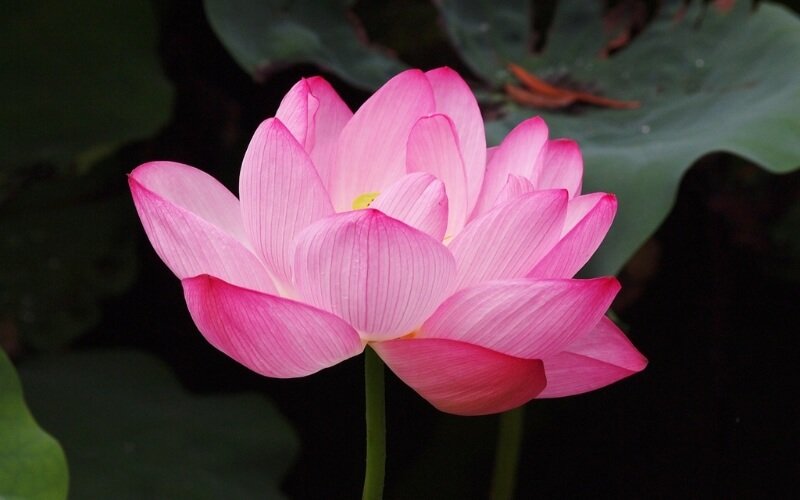
The influence of what is the national flower of Vietnam extends beyond its visual appeal. It’s an edible delight and an artistic muse:
Lotus in Cuisine:
| Dish/Ingredient | Description |
|---|---|
| Lotus Seed Sweet Soup (Chè Hạt Sen) | A refreshing dessert, often served cold, with tender lotus seeds and sometimes longan fruit. |
| Lotus Stem Salad (Gỏi Ngó Sen) | A crunchy, tangy salad made from young lotus stems, often with shrimp or pork. |
| Lotus Tea (Trà Sen) | Premium green tea scented with fresh lotus blossoms, known for its delicate aroma. |
| Lotus Root Soup | A savory soup, often with pork ribs, known for its earthy flavor and nutritional benefits. |
Lotus in Art and Craft:
- Silk Paintings: Many traditional Vietnamese silk paintings feature the lotus as a central motif, symbolizing grace and beauty.
- Lacquerware: Intricate lotus designs are often found on stunning lacquerware pieces, reflecting meticulous craftsmanship.
- Ao Dai (Traditional Dress): Lotus patterns can be seen embroidered or printed on the elegant Ao Dai, adding a touch of national pride.
- Architecture: Pagoda roofs, temple decorations, and even modern buildings often incorporate lotus-inspired elements in their design.
Mindful Interaction with Vietnamese Culture
As you explore Vietnam and encounter its national flower, remember to do so with respect and a mindful spirit.
- Observe with Reverence: When visiting lotus ponds, especially near temples or pagodas, maintain a respectful demeanor. Avoid disturbing the plants or picking the flowers without permission.
- Support Local Artisans: If you’re drawn to lotus-inspired crafts, consider purchasing from local artisans. This not only provides you with a beautiful souvenir but also supports traditional craftsmanship.
- Engage with Openness: Ask locals about the significance of the lotus in their lives. Their stories will enrich your understanding of why is lotus the national flower of Vietnam.
- Taste Authentically: Don’t hesitate to try lotus-infused dishes and drinks. It’s a delightful way to experience a different facet of Vietnamese culture.
Frequently Asked Questions About the Lotus
What is the spiritual significance of the lotus in Vietnam?
The lotus holds deep spiritual significance in Vietnam, primarily due to its strong association with Buddhism. It symbolizes purity, enlightenment, and spiritual awakening because it grows from muddy water yet remains pristine. This metaphor represents rising above earthly attachments and achieving spiritual perfection, a core tenet of Buddhist philosophy that is widely embraced across Vietnam.
Is the lotus officially designated as the national flower of Vietnam?
While the lotus flower is universally recognized and deeply revered as the unofficial national flower of Vietnam, it has not been officially designated as such through a formal decree or law by the government. Despite the lack of official legal recognition, its cultural prominence and symbolic weight make it the de facto national flower in the hearts and minds of the Vietnamese people.
Can I find lotus flowers year-round in Vietnam?
While lotus flowers can be found in various forms (dried seeds, roots, tea) year-round, the blooming season for fresh lotus flowers is typically during the summer months, from May to July. This is when ponds and lakes across Vietnam are adorned with their beautiful blossoms, making it the best time for photography and experiencing the flower in its natural glory.
Are there different types of lotus flowers in Vietnam?
Yes, while the common pink and white varieties of the sacred lotus (Nelumbo nucifera) are the most recognized, there are also other aquatic plants colloquially referred to as “lotus” or “water lilies” in Vietnam. However, the sacred lotus with its distinct raised center and large, round leaves is the one specifically associated with the country’s cultural identity and symbolic meaning.
How does the lotus contribute to the Vietnamese economy?
The lotus contributes to the Vietnamese economy in several ways. Lotus seeds, stems, and roots are harvested for culinary uses, supporting agricultural communities, especially in the Mekong Delta. Lotus tea and dried lotus products are popular local goods and exports. Furthermore, its aesthetic appeal and cultural significance attract tourism, with visitors flocking to lotus fields and festivals, boosting local economies through hospitality and related services.
Conclusion
Understanding what is the national flower of Vietnam is an invitation to explore the country’s profound beauty, resilience, and spiritual depth. The lotus, with its elegant simplicity and powerful symbolism, is a guiding light to the Vietnamese soul. May your travels with Vietnam Adventure be filled with the serenity and inspiration that this revered flower embodies.