
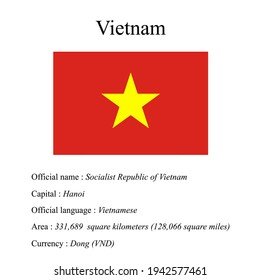
Embarking on a journey with Vietnam Adventure, you might find yourself pondering the nation’s identity, especially what is the full name of Vietnam. The direct, concise answer is: The Socialist Republic of Vietnam. This official title encapsulates a nation rich in history, resilience, and captivating beauty, a tapestry woven from ancient traditions and modern aspirations.

The Journey of a Name: Tracing Vietnam’s Identity
Understanding what is the full name of Vietnam is more than just knowing a title; it’s an invitation to explore the country’s profound historical and political landscape. From its ancient roots to its modern-day standing, Vietnam’s name reflects a powerful narrative of independence and unity.
A Glimpse into Etymology and Historical Naming Conventions
The name “Vietnam” itself holds a fascinating past. “Viet” refers to the dominant ethnic group, while “Nam” means south, signifying the ‘Southern Viet’ people. This designation has roots stretching back centuries, evolving through various dynasties and periods of foreign influence. Before the modern era, the land we now know as Vietnam was called by many names, reflecting shifting borders, rulers, and cultural identities. Delving into the evolution of these names offers a window into the historical complexities that shaped this vibrant nation.
For instance, during imperial times, names like Văn Lang, Âu Lạc, Đại Việt, and Annam were common. Each name carries the echoes of powerful empires, significant battles, and cultural shifts. It’s a journey through time that reveals the determination and spirit of the Vietnamese people to preserve their identity amidst continuous change.
The Emergence of The Socialist Republic of Vietnam
The contemporary answer to what is the official name of Vietnam, The Socialist Republic of Vietnam, came into being after the reunification of the North and South in 1976. This marked a pivotal moment, symbolizing the end of a long and arduous struggle for independence and the dawn of a new, unified era. This name reflects the nation’s chosen political system and its aspirations for a cohesive future.

Exploring Vietnam Beyond its Name
Beyond its official name, Vietnam is a land of breathtaking landscapes, bustling cities, and serene rural life. Every corner of this country tells a story, from the ancient pagodas whispered among the misty mountains to the vibrant street food scenes that tantalize your senses.
The Heart of Vietnamese Culture
Vietnamese culture is a rich mosaic of traditions, influenced by centuries of history and diverse ethnic groups. From the intricate artistry of water puppetry to the graceful movements of traditional dances, every aspect of life in Vietnam is imbued with a sense of heritage. The warmth of its people, their resilience, and their deep respect for family and community are instantly palpable, making every encounter a memorable one.
- Cuisine: A culinary paradise, Vietnam offers an explosion of flavors. From the savory pho to the fresh spring rolls and aromatic banh mi, each dish is a journey in itself.
- Festivals: Immerse yourself in the vibrant energy of Tet Nguyen Dan (Lunar New Year) or the enchanting Mid-Autumn Festival, where traditions come alive with colorful lanterns and joyous celebrations.
- Arts and Crafts: Discover the delicate beauty of silk paintings, the intricate details of lacquerware, and the skilled artistry of traditional pottery.
Geography and Natural Wonders
Vietnam’s geography is as diverse as its history. From the towering peaks of the Northern Highlands to the emerald rice paddies of the Mekong Delta and the pristine beaches along its extensive coastline, the country offers a myriad of natural wonders to explore.
- Ha Long Bay: A UNESCO World Heritage site, its karst limestone formations rising majestically from the turquoise waters create a mystical landscape.
- Phong Nha-Ke Bang National Park: Home to some of the world’s largest caves, including Son Doong, this park offers unparalleled adventure for explorers.
- Mekong Delta: A lush labyrinth of rivers, swamps, and islands, where life unfolds on the water, offering unique cultural experiences.

Navigating the Beauty: Practical Insights for Your Adventure
As you plan your unforgettable journey, understanding a few practical details will enhance your experience in The Socialist Republic of Vietnam.
Etiquette for Mindful Exploration
Traveling responsibly and respectfully is key to a truly meaningful experience in Vietnam. The local customs and traditions are deeply ingrained, and a little awareness goes a long way.
| Aspect | Mindful Practice | Why it Matters |
|---|---|---|
| Greetings | A polite bow or slight nod, accompanied by a “Xin chào” (hello), shows respect. | Demonstrates cultural appreciation. |
| Dress Code | Modest attire, especially when visiting temples, pagodas, or other religious sites. Shoulders and knees covered. | Respects local religious and cultural sensitivities. |
| Bargaining | Polite bargaining is common in markets, but do so with a smile and good humor. | Part of the local market culture, but avoid aggressive tactics. |
| Photography | Always ask for permission before taking photos of individuals, especially in rural areas. | Respects personal privacy and avoids discomfort. |
| Public Displays of Affection | Keep public displays of affection to a minimum. | Vietnamese culture tends to be more reserved in public. |
| Footwear | Remove shoes before entering someone’s home or a temple. | A traditional sign of respect and cleanliness. |
| Eating | Use chopsticks and spoons, and wait for the eldest to begin eating. | Shows respect for elders and traditional dining etiquette. |
Frequently Asked Questions about Vietnam’s Name
What is the full name of Vietnam?
The full, official name of Vietnam is The Socialist Republic of Vietnam. This name reflects its political system and unified status since 1976.
When did Vietnam officially become The Socialist Republic of Vietnam?
Vietnam officially adopted the name The Socialist Republic of Vietnam on July 2, 1976, following the reunification of North and South Vietnam after the Vietnam War.
What does the name “Vietnam” mean?
The name “Vietnam” is derived from “Viet” (referring to the dominant ethnic group) and “Nam” (meaning south), collectively signifying the ‘Southern Viet’ people. It’s a historical and geographical designation.
Were there other names for Vietnam historically?
Yes, throughout its long history, the land now known as Vietnam has been called by various names, including Văn Lang, Âu Lạc, Đại Việt, and Annam. These names reflected different dynastic periods, political structures, and territorial boundaries.
Why is it important to know what is the official name of Vietnam?
Knowing what is the official name of Vietnam provides insight into the nation’s political identity and its recent history of reunification. It signifies the formal recognition of its sovereignty and governmental structure.
How does the official name influence international relations?
The official name, The Socialist Republic of Vietnam, is used in all international diplomatic contexts, treaties, and official communications. It’s crucial for formal recognition and engagement on the global stage, reflecting its status as a unified and independent nation.
Does the shorter name “Vietnam” still hold significance?
Absolutely. While The Socialist Republic of Vietnam is the formal title, “Vietnam” is widely used in everyday conversation, media, and general references. It retains all the cultural and historical significance of the nation, serving as a beloved shorthand for its people and places.
Embracing The Socialist Republic of Vietnam
Knowing what is the full name of Vietnam, The Socialist Republic of Vietnam, opens a doorway to a deeper appreciation of this incredible nation. It’s a country that has bravely forged its path, emerging as a destination that enchants with its natural splendor, vibrant culture, and the indomitable spirit of its people. Every visit here is more than just a trip; it’s an immersion into a living story. We at Vietnam Adventure are excited to help you write your own chapter in this extraordinary narrative.