
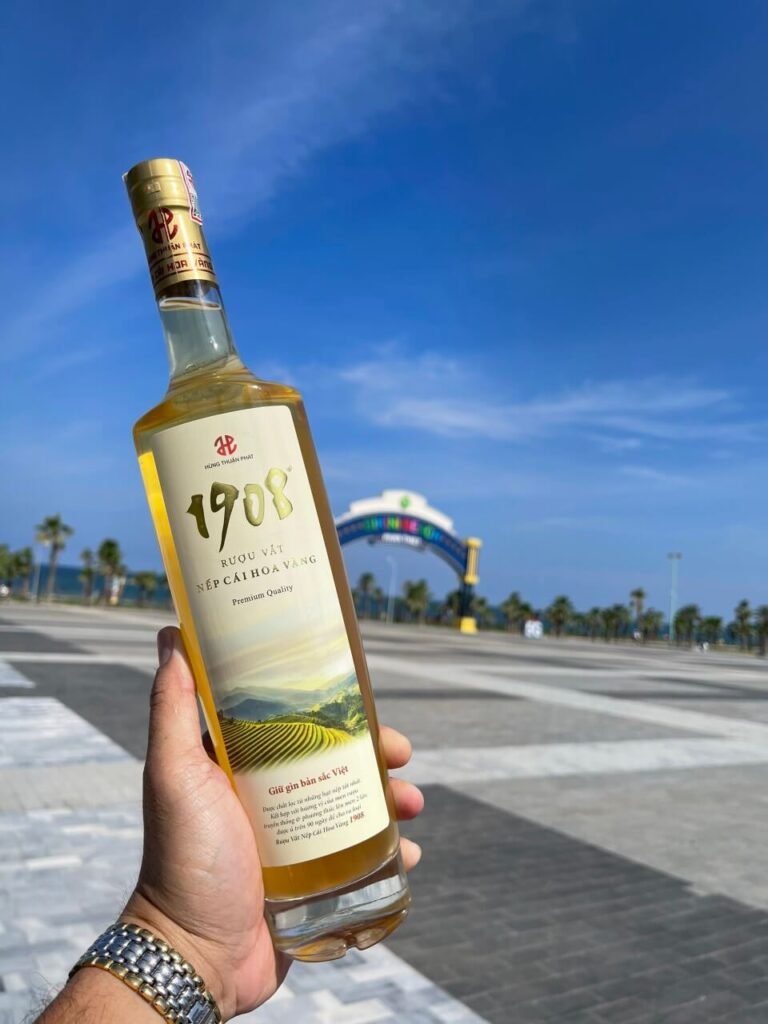
Here at Vietnam Adventure, we understand that every detail of your journey matters, from the breathtaking landscapes to the flavors on your palate. One question that often arises, especially for those who enjoy a fine vintage, is: is wine expensive in Vietnam? The concise answer is: imported wines can indeed be expensive in Vietnam, while local fruit wines and some emerging domestic grape wines offer a more affordable, often unique, experience.

The nuanced cost of uncorking a bottle in Vietnam
Embarking on a journey through Vietnam means immersing yourself in a tapestry of senses, and that includes exploring its culinary and beverage landscape. When it comes to wine, the cost can be a fascinating study, reflecting global trends, local taxation, and a burgeoning interest in this ancient drink. You might wonder, is wine expensive in Vietnam compared to your home country? It truly depends on what you are seeking.
Imported elegance versus local charm
Vietnam’s wine scene is a dynamic blend of the familiar and the delightfully unexpected. For those accustomed to international labels, you will find that many popular imported wines, particularly those from Europe, Australia, and the Americas, tend to be significantly more expensive. This is primarily due to import duties and taxes, which are quite substantial. These tariffs aim to protect local industries and generate revenue, making that beloved Bordeaux or Californian Cabernet a luxurious indulgence. So, if your heart is set on a specific foreign vintage, be prepared for prices that might be double or even triple what you’d pay back home.

However, Vietnam also boasts its own unique and emerging wine culture. The climate, while challenging for traditional grape varietals in many regions, has proven suitable for certain types, notably in the cooler climes of Dalat. Dalat wines, often made from local grapes or fruit, offer an exciting and far more affordable alternative. These can be a delightful discovery, showcasing a different facet of Vietnamese agriculture and ingenuity. Beyond grape wines, you’ll encounter a wonderful array of fruit wines, crafted from mulberries, plums, and even sticky rice, which are an integral part of local festivities and offer a truly authentic taste of the land at a very reasonable price point.
Understanding why is wine so expensive in Vietnam for imports
Let’s delve a little deeper into why is wine so expensive in Vietnam when it comes to international selections. The government imposes high luxury taxes on imported alcohol, viewing it as a non-essential item. This, combined with transportation costs, distribution markups, and retailer profits, quickly escalates the final price. While Vietnam is renowned for its affordability in many aspects, this doesn’t always extend to imported luxuries like fine wine. For a bottle that might cost $10-$15 in a Western supermarket, you could easily pay $30-$50 or more in a Vietnamese store or restaurant.

Where to find wine and what to expect
You’ll find wine in various outlets across Vietnam. Supermarkets in larger cities like Hanoi, Ho Chi Minh City, and Da Nang will have dedicated sections for both local and imported wines. Specialty wine shops offer a broader selection of international labels, often with knowledgeable staff. Restaurants, particularly those catering to tourists or with a more upscale ambiance, will also have wine lists, but expect a significant markup from retail prices. Even smaller local shops might carry a few bottles, typically the more budget-friendly domestic options.
When dining out, be mindful that a glass of imported wine can sometimes cost as much as a full meal. Consider exploring the local beer, like Bia Hoi, or refreshing Vietnamese iced coffee for a more budget-friendly and culturally immersive beverage experience alongside your delicious meals.
Navigating wine choices in Vietnam
For those looking to enjoy wine without breaking the bank, here’s some advice from your friendly guides at Vietnam Adventure:
- Embrace Local Wines: Seek out Dalat wines or various fruit wines. They offer a unique taste of Vietnam and are significantly more affordable.
- Happy Hour Deals: Many bars and restaurants in tourist areas offer happy hour specials on wine, often buy-one-get-one-free or discounted glasses.
- Duty-Free Purchases: If you’re arriving internationally, consider purchasing a bottle or two at duty-free upon arrival.
- Shop at Supermarkets: For imported wine, supermarkets generally offer better prices than restaurants or small convenience stores.
- Look for Promotions: Keep an eye out for sales or promotions in larger supermarkets, especially around holidays.
Here’s a general idea of wine prices you might encounter:
| Wine Type | Approximate Price Range (VND) | Approximate Price Range (USD) |
|---|---|---|
| Local Dalat Wine (Bottle) | 100,000 – 250,000 | $4 – $10 |
| Local Fruit Wine (Bottle) | 80,000 – 200,000 | $3 – $8 |
| Mid-Range Imported Wine (Bottle) | 400,000 – 1,000,000+ | $16 – $40+ |
| Premium Imported Wine (Bottle) | 1,500,000+ | $60+ |
| Imported Wine by the Glass (Restaurant) | 100,000 – 250,000 | $4 – $10 |
Prices are estimates and can vary based on location, brand, and current exchange rates.
Frequently asked questions
Will I be able to find my favorite international wine brands in Vietnam?
Yes, in larger cities like Ho Chi Minh City, Hanoi, and Da Nang, you will likely find a good selection of international wine brands, especially from popular regions like Australia, Chile, France, and Italy. However, as discussed, be prepared for higher prices due to import taxes and duties.
Are there any good Vietnamese grape wines?
Dalat, located in the Central Highlands, is Vietnam’s primary grape-growing region. While not widely known internationally, Dalat wines (often from Cardinal grapes) are gaining popularity locally. They offer a lighter, often sweeter profile and are a fascinating local experience. Exploring these can answer your question about is wine expensive in Vietnam in a positive way, as they are very affordable.
What are fruit wines like in Vietnam?
Vietnamese fruit wines are diverse and delightful! Mulberry wine (rượu dâu tằm) from Dalat is particularly famous, offering a sweet, slightly tart flavor. Other popular fruit wines include those made from plums (rượu mận), sticky rice (rượu nếp), and even special herbal infusions. They are generally sweet, often served chilled, and represent a vibrant part of Vietnamese beverage culture. They are significantly less expensive than grape wines.
Can I bring wine into Vietnam?
Yes, travelers are permitted to bring a certain amount of alcohol into Vietnam duty-free. For wine, the current allowance is 1.5 liters. If you bring more than this, you may be subject to customs duties. This can be a strategic way to mitigate the cost if you have a specific imported wine you wish to enjoy.
Is it common to drink wine with Vietnamese food?
Traditionally, Vietnamese cuisine is often paired with beer, rice wine (rượu), or tea. However, with increasing international influence, more restaurants, especially in urban centers and fine dining establishments, are offering wine pairings. Lighter, fruitier red wines or crisp white wines can complement many Vietnamese dishes beautifully.
Concluding your wine journey through Vietnam
So, to circle back to your initial query, is wine expensive in Vietnam? For a taste of the world’s most renowned vintages, the answer leans towards yes, primarily due to taxation. However, Vietnam also offers a wonderfully affordable and adventurous alternative in its local grape and fruit wines, inviting you to discover new flavors that are deeply rooted in its culture and landscape. We encourage you to explore these unique options, to savor the unexpected, and to let your palate guide you through the diverse offerings of this incredible country. Let Vietnam Adventure help you plan a trip where every sip and every bite is a part of your unforgettable story!