
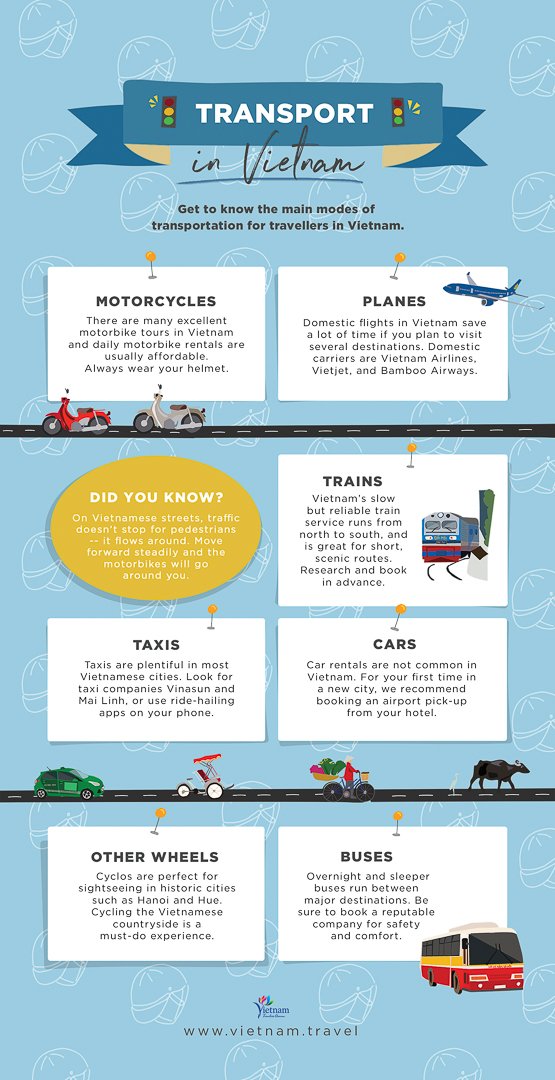
Welcome, fellow wanderer! As you dream of Vietnam’s emerald rice paddies, bustling cityscapes, and serene coastal stretches, a crucial question often arises: how to get around Vietnam? At Vietnam Adventure, we believe understanding local transport is key to unlocking the heart of this incredible nation. You can get around Vietnam using a diverse range of transport options including domestic flights, long-distance trains, sleeper buses, motorbikes (rented or with a driver), ride-hailing apps, taxis, and local urban transport like cyclos and public buses. Each mode offers a unique perspective, weaving you deeper into the vibrant tapestry of Vietnamese life. Embracing these journeys isn’t just about reaching a destination; it’s about savoring every moment of discovery on the path less traveled.
Navigating Vietnam: Your Transport Choices Explored
Deciding how to get around in Vietnam depends on your budget, time, and desired level of adventure. From the swift comfort of domestic flights to the immersive charm of a train journey, Vietnam offers a solution for every traveler.
Soaring Above: Domestic Flights
For those eager to maximize their exploration time across Vietnam’s significant length, domestic flights are a fantastic option. Major cities like Hanoi, Da Nang, and Ho Chi Minh City are well-connected by modern airports, making long distances feel surprisingly short. Airlines such as Vietnam Airlines, Vietjet Air, and Bamboo Airways offer frequent and often affordable services. This is especially useful if you’re planning to traverse the country from north to south or vice versa, allowing more time to immerse yourself in each destination rather than spending days on the road.

The Rhythmic Journey: Trains in Vietnam
Imagine the gentle rhythm of the rails as the Vietnamese landscape unfolds outside your window. Traveling by train is arguably one of the most romantic and authentic ways to experience Vietnam. The iconic Reunification Express, stretching from Hanoi to Ho Chi Minh City, offers various classes – from soft-seat to comfortable sleeper berths. It’s a journey that allows you to truly see the country, from bustling villages to serene coastlines. Booking tickets in advance, especially during peak season, is highly recommended. The train offers a wonderful opportunity to slow down, reflect, and meet local travelers or other adventurers.
Overland Adventures: Buses and Coaches
Buses are the backbone of inter-city travel for many Vietnamese and budget-conscious tourists alike. They reach almost every corner of the country, offering a truly local experience. Sleeper buses, in particular, are popular for overnight journeys, providing individual reclining bunks that can be surprisingly comfortable. While often the most economical option, journeys can be long, and comfort levels vary. However, they are an excellent way to see the country’s diverse landscapes up close. Many travelers choose “open bus tickets” which allow hop-on, hop-off travel between major tourist destinations, providing flexibility for your itinerary.
Embrace the Freedom: Motorbikes and Scooters
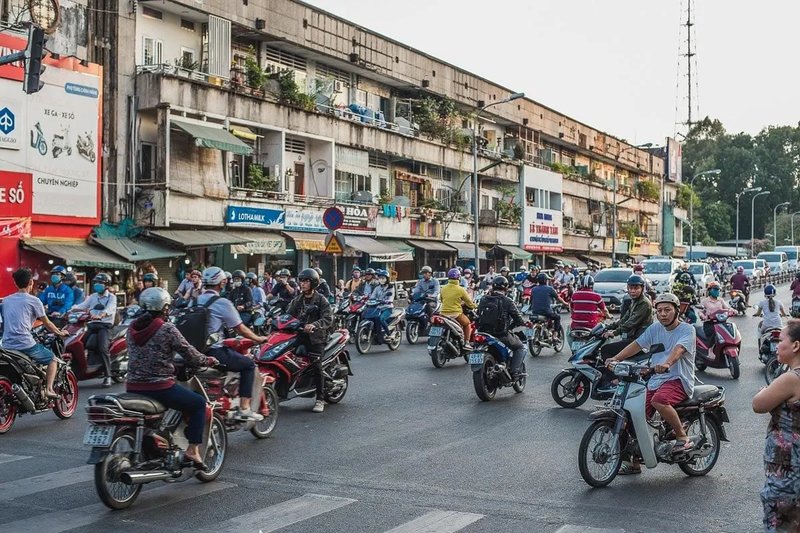
For the adventurous at heart, renting a motorbike or scooter is an exhilarating way to travel through Vietnam. The freedom to explore winding backroads, discover hidden gems, and feel the wind on your face is unparalleled. However, it’s crucial to be an experienced rider, possess the correct international driving permit, and understand the chaotic yet fluid nature of Vietnamese traffic. Safety should always be your top priority: wear a helmet, drive defensively, and consider travel insurance that covers motorbike accidents. Alternatively, for a worry-free experience, consider hiring a motorbike with a local driver – often known as “Easy Riders” – who can share local insights and navigate the roads with expertise.
Local Charms: Taxis, Ride-Hailing, and Cyclos
Within cities, how to get around Vietnam is made easy by a plethora of local transport options. Taxis are readily available, but always ensure the meter is running or agree on a price beforehand. Ride-hailing apps like Grab (for both cars and motorbikes) are incredibly popular, convenient, and offer transparent pricing, making them an excellent choice for short distances in urban areas. For a truly iconic Vietnamese experience, hop into a cyclo (bicycle rickshaw) – a slower, charming way to see city sights, though typically more suited for short, leisurely rides and be sure to negotiate the fare in advance.
Active Exploration: Cycling and Walking
For shorter distances and exploring specific areas, walking and cycling offer an intimate connection with your surroundings. Many towns and cities are flat enough for leisurely bike rides, allowing you to discover local markets, quiet alleyways, and interact with residents. Renting a bicycle is usually inexpensive and widely available, especially in smaller towns or coastal areas like Hoi An. This mindful approach to travel lets you absorb the sights, sounds, and smells at your own pace.
Choosing Your Path: Practical Tips for Navigating Vietnam
Understanding what is the best way to travel in Vietnam really comes down to your personal travel style and priorities. Here are some actionable insights to help you make informed decisions for a truly memorable journey:
- Mix and Match: Don’t feel you have to stick to one mode of transport. Many travelers find a blend of flights for long distances, trains for scenic routes, and local buses or Grab for city hopping works best.
- Book in Advance for Peak Seasons: During holidays like Tet (Lunar New Year) or national holidays, transport, especially trains and popular buses, can sell out quickly. Plan ahead!
- Embrace Technology: Download useful apps like Grab for ride-hailing, Google Maps for navigation, and a translation app to bridge language barriers.
- Bargain Respectfully: When negotiating prices for taxis (without a meter), cyclos, or market purchases, do so with a friendly smile and respect for local customs.
- Pack Lightly: Lighter luggage makes it easier to navigate various transport types, especially if you’re frequently moving between locations.
Comparing Popular Transport Options for Traveling Through Vietnam
To help you decide how to travel around Vietnam, here’s a quick comparison of the most popular options:
| Transport Type | Pros | Cons | Best For |
|---|---|---|---|
| Domestic Flights | Fast, efficient, comfortable for long distances. | Less scenic, can be more expensive, airport transfers. | Covering vast distances quickly (e.g., Hanoi to Ho Chi Minh City). |
| Trains (Reunification Express) | Scenic, unique cultural experience, comfortable sleepers. | Slower than flying, limited routes. | Enjoying the landscape, mid-range to long distances (e.g., Hue to Da Nang). |
| Sleeper Buses | Cost-effective, extensive network, good for overnight travel. | Can be less comfortable, potential for longer journey times due to traffic, less privacy. | Budget travel, connecting smaller towns, overnight journeys. |
| Motorbikes (Self-Drive) | Ultimate freedom, immersive local experience. | Dangerous for inexperienced riders, legal complexities, weather dependent. | Adventurous travelers, exploring rural areas, short to mid-range journeys. |
| Ride-Hailing (Grab) | Convenient, transparent pricing, widely available in cities. | Primarily for urban or short inter-city travel, less cultural immersion. | City transport, short rides, avoiding language barriers. |
By considering these options and tips, you can craft a travel itinerary that truly suits your mindful and meaningful exploration of Vietnam.
Frequently Asked Questions About Getting Around Vietnam
How easy is it to use local transport in Vietnam as a tourist?
Using local transport in Vietnam is generally quite easy, even for tourists. In cities, ride-hailing apps like Grab are incredibly convenient and bridge any language barriers with their in-app translation features. Taxis are also plentiful. For longer distances, trains and buses are well-established, and while some local knowledge can help, booking through reputable travel agencies or online platforms makes it straightforward. Many locals are also eager to assist, though a friendly smile and basic translation app can go a long way.
Is it safe to travel by motorbike in Vietnam?
Riding a motorbike in Vietnam can be exhilarating but also carries risks, especially for inexperienced riders. Traffic can be chaotic, and road rules are often interpreted loosely. It is strongly recommended only for experienced riders who are comfortable with busy Asian traffic, possess an international driving permit, and have comprehensive travel insurance. For a safer option, consider hiring a motorbike with a local driver (an “Easy Rider”) or using Grab motorbike taxis for short urban commutes.
What are “open bus tickets” and are they a good option?
Open bus tickets allow travelers to purchase a single ticket for a route that includes multiple stops along the main tourist trail (e.g., Ho Chi Minh City to Hanoi, with stops in Mui Ne, Nha Trang, Hoi An, Hue, etc.). You can hop off at any designated stop, explore for as long as you wish, and then hop back on a later bus from the same company. They are a good option for budget-conscious travelers who want flexibility, but be aware that comfort can vary, and schedules might not always be precise.
Can I rent a car and drive myself in Vietnam?
While car rental agencies exist, self-driving a car in Vietnam is not commonly recommended for tourists. The traffic can be very challenging, and an international driving permit specifically for Vietnam (which requires conversion from your home country’s license in Vietnam) is legally required. Most foreign travel insurance policies do not cover accidents if you are driving without the proper local license. A more popular and hassle-free option is to rent a car with a local driver, which allows you to relax and enjoy the scenery.
How do I buy train tickets in Vietnam?
Train tickets for the Reunification Express and other routes can be purchased online through the official Vietnam Railways website, through reputable third-party booking platforms, or directly at train stations. It’s advisable to book in advance, especially for popular routes and sleeper berths, as they can sell out, particularly during holidays. Using an online agency often provides more convenience and English-language support.
Are ride-hailing apps widely available in Vietnam?
Yes, ride-hailing apps are very popular and widely available in major cities and tourist areas across Vietnam, with Grab being the dominant player. You can hail both car and motorbike taxis through the app, offering a convenient, often cheaper, and transparent alternative to traditional taxis. It’s highly recommended to download and set up a Grab account before your trip.
Embrace the Journey: Your Vietnam Adventure Awaits
Exploring how to get around Vietnam is an integral part of your adventure. Whether you choose the bustling energy of a motorbike, the serene pace of a train, or the swift convenience of a flight, each mode of transport offers a unique window into the soul of this captivating country. It’s about more than just moving from one point to another; it’s about connecting with the landscapes, the people, and the vibrant culture that defines Vietnam. So, plan thoughtfully, travel mindfully, and let every journey be a part of your discovery. Ready to begin your unforgettable Vietnamese odyssey? Let Vietnam Adventure guide you every step of the way!