
Xin chào, fellow adventurers! As you plan your unforgettable journey through the vibrant landscapes and rich culture of Vietnam, one practical question that often surfaces is about daily expenses. At Vietnam Adventure, we believe that understanding the nuances of local living costs helps you travel more mindfully and enjoyably. So, let us shed some light on a common query: how much is electricity in Vietnam? The direct and concise answer is that how much is electricity in Vietnam for residential use typically ranges from approximately 1,678 VND (about 0.07 USD) per kWh for the lowest tier of consumption to about 2,927 VND (about 0.12 USD) per kWh for higher consumption tiers. These rates are subject to change and depend on your usage and the specific tariff structure set by EVN (Electricity of Vietnam).
Unveiling Vietnam’s Electricity Pricing Tiers
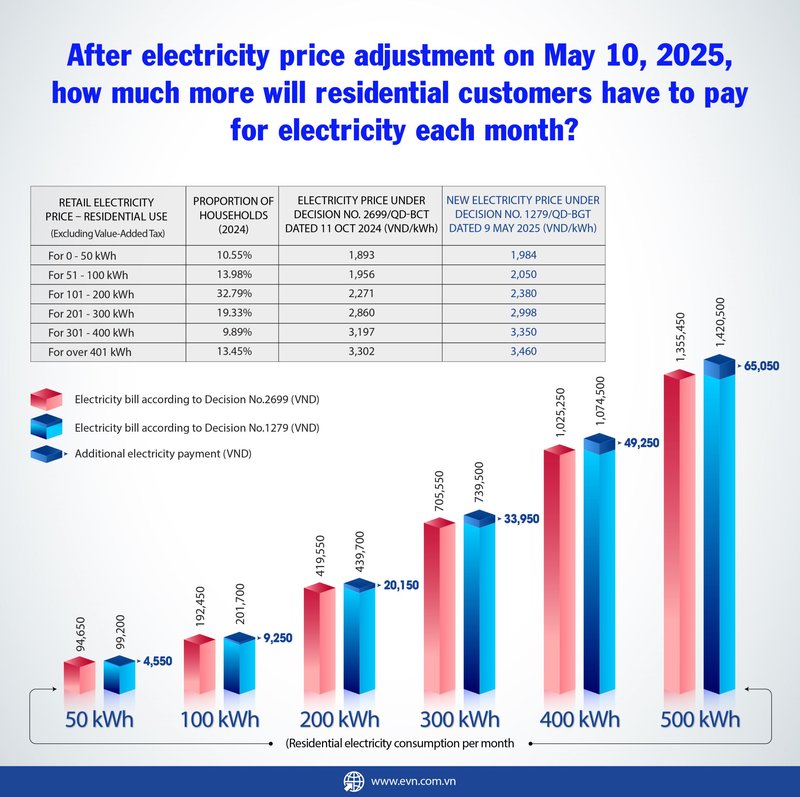
Vietnam’s electricity pricing is structured in a tiered system, designed to encourage energy conservation and ensure affordability for basic needs. This means that how much does electricity cost in Vietnam will vary significantly based on your monthly consumption. As a traveler, especially if you are staying in a rented apartment, homestay, or considering a longer-term visit, understanding these tiers is quite beneficial.
Residential Electricity Rates Explained
The residential electricity tariffs in Vietnam are divided into several blocks. The price per kilowatt-hour (kWh) increases as your consumption rises through these blocks. This progressive pricing structure is a key factor in determining how much is electricity in Vietnam for individual households.
- Tier 1 (0-50 kWh): This initial block offers the lowest rate, designed to cover essential usage. It is the most economical.
- Tier 2 (51-100 kWh): The rate here is slightly higher than Tier 1.
- Tier 3 (101-200 kWh): Consumption in this range sees another incremental increase in price.
- Tier 4 (201-300 kWh): As usage climbs, so does the cost per kWh.
- Tier 5 (301-400 kWh): This block reflects a higher rate still.
- Tier 6 (401+ kWh): The highest consumption tier incurs the highest price per kWh.
These tiers are crucial for budgeting, especially if you are living like a local and managing your own utilities. For instance, a small apartment with mindful air-conditioning use might stay within the lower tiers, while a larger space with constant AC could quickly escalate into the higher, more expensive blocks.
Factors Influencing Your Electricity Bill in Vietnam
Beyond the tiered system, several other elements contribute to how much electricity costs in Vietnam for you. Being aware of these can help you manage your consumption and avoid any surprises.
Climate and Air Conditioning Usage
Vietnam’s tropical climate means air conditioning is often a necessity, especially during the hot and humid months. Air conditioners are significant power consumers. If you are accustomed to keeping your living space cool throughout the day and night, your electricity bill will reflect this. Even short-term stays in hotels or serviced apartments might include electricity in the overall price, but for longer rentals, this becomes a primary consideration.
Appliance Usage and Energy Efficiency
The types and number of appliances you use also play a role. Modern, energy-efficient appliances can make a noticeable difference in your monthly bill. However, older apartments might come equipped with less efficient units. Common culprits for higher consumption include:
- Refrigerators (especially older models)
- Water heaters
- Washing machines
- Televisions and other electronics left on standby
Understanding the energy appetite of your devices is key to grasping how much is electricity in Vietnam for your personal usage.
Fluctuations and Adjustments
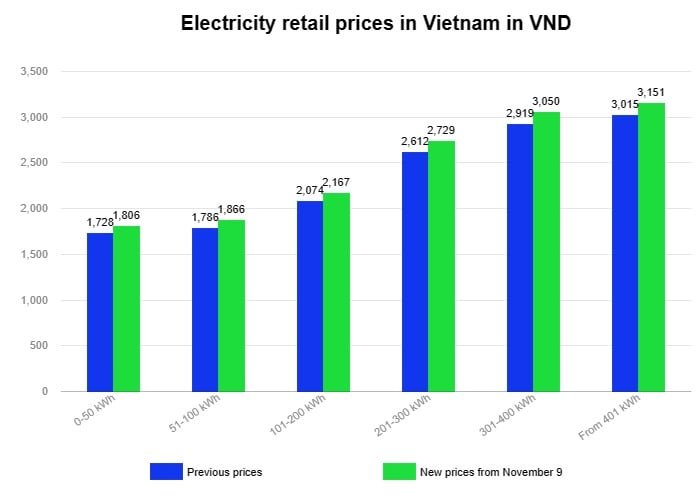
Electricity prices in Vietnam are regulated by the government and can be subject to periodic adjustments. These adjustments are often influenced by global fuel prices, investment in new power infrastructure, and inflation. Staying informed about any potential price changes, perhaps through local news or by asking your landlord, can help you manage your budget effectively. For example, there have been recent increases to retail electricity prices, reflecting the dynamic nature of utility costs.
A Glimpse at Electricity Prices: Vietnam vs. Global Averages
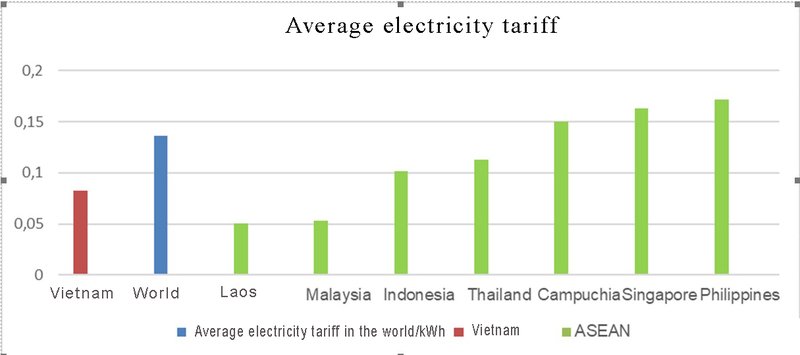
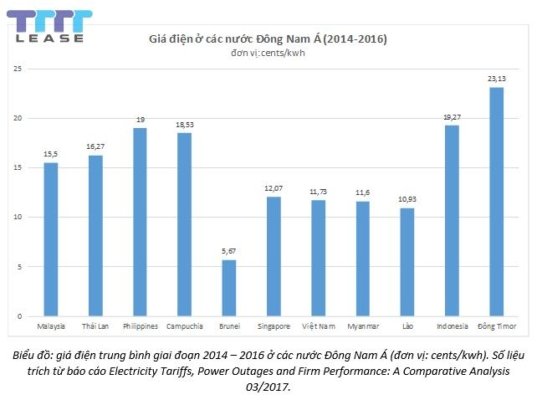
To put how much is electricity in Vietnam into perspective, let’s look at how it compares globally. Generally, electricity prices in Vietnam are considered relatively affordable when compared to many developed countries. This can be a pleasant surprise for travelers from regions with much higher utility costs.
| Country/Region | Average Residential Electricity Price (USD/kWh, approximate) |
|---|---|
| Vietnam | 0.07 – 0.12 |
| United States | 0.15 – 0.20 |
| United Kingdom | 0.30 – 0.40 |
| Australia | 0.25 – 0.35 |
| Japan | 0.25 – 0.35 |
| Southeast Asian Average | 0.10 – 0.20 |
Please note that these are approximate figures and can fluctuate based on specific regions, providers, and global market conditions. However, this table illustrates that how much does electricity cost in Vietnam generally sits at the lower end of the spectrum, contributing to Vietnam’s reputation as an affordable travel and living destination.
Mindful Energy Use in Vietnam: Practical Tips for Travelers
Understanding how much is electricity in Vietnam empowers you to make conscious choices. Embracing mindful energy consumption not only helps your budget but also aligns with sustainable travel principles. Here are some actionable tips:
- Optimize Air Conditioning: Set your AC to a comfortable, but not excessively cold, temperature (around 25-26°C or 77-79°F). Turn it off when leaving the room. Use fans when possible, which consume significantly less electricity.
- Unplug Electronics: Even when turned off, many electronics in Vietnam still draw “phantom” power. Unplug chargers and devices when not in use.
- Embrace Natural Light and Ventilation: Open windows and curtains to let in natural light and fresh air, reducing the need for artificial lighting and constant AC.
- Mindful Water Heating: If you have control over a water heater, turn it on only when needed and switch it off after use.
- Communicate with Your Host/Landlord: If you are renting, discuss electricity costs upfront. Clarify whether it is included in the rent or charged separately, and ask about estimated monthly bills for similar usage.
- Track Your Usage (if possible): Some landlords might provide access to the meter, allowing you to monitor your consumption and better understand where your usage lies within the tiered system.
By implementing these simple practices, you can significantly reduce your electricity bill and enjoy your Vietnamese adventure with a lighter environmental footprint.
Frequently Asked Questions About Electricity in Vietnam
How is electricity typically billed for rented accommodation in Vietnam?
For rented accommodation, electricity is often billed separately from rent. Landlords usually read the meter monthly and charge tenants based on their consumption, applying the official EVN tiered rates. Sometimes, especially in shared accommodations or guesthouses, a flat rate or slightly marked-up rate per kWh might be charged by the landlord to cover administrative costs, but it should still be transparent.
Are electricity prices uniform across all cities in Vietnam?
Yes, the residential electricity tariff structure set by EVN is generally uniform across the entire country. However, local taxes or specific building management fees in some serviced apartments might lead to slight variations in the final amount you pay. The core EVN rates for how much is electricity in Vietnam remain consistent.
Can I pay my electricity bill online in Vietnam?
Yes, EVN offers various convenient payment methods, including online payment through their website, mobile banking apps, e-wallets like MoMo, ZaloPay, and banking transfers. Many local convenience stores and post offices also accept bill payments.
What voltage and plug types are used in Vietnam?
Vietnam primarily uses 220V at 50Hz. The most common plug types are A, C, and G. It’s always a good idea to bring a universal adapter to ensure compatibility with your devices.
Is it common for electricity to be included in hotel or short-term rental prices?
For most hotels and short-term rentals (like Airbnb stays), the cost of electricity is typically included in the overall price. However, for longer-term rentals, especially month-to-month apartments, it is standard for electricity to be billed separately based on usage.
Are there peak and off-peak electricity rates for residential customers?
For residential customers, EVN primarily uses the progressive tiered system without distinct peak and off-peak rates. Time-of-use tariffs are more common for commercial and industrial users. This simplifies understanding how much is electricity in Vietnam for most travelers and residents.
Embrace Your Vietnamese Journey, Informed and Inspired
Navigating the practicalities of travel, like understanding how much is electricity in Vietnam, empowers you to immerse yourself more deeply in the local experience. While the costs are generally low compared to many Western countries, being aware of the tiered system and practicing mindful consumption can help you save money and contribute to a more sustainable journey.
At Vietnam Adventure, we are dedicated to helping you discover the magic of Vietnam, with every detail considered. May your travels be filled with warmth, wonder, and the gentle hum of discovery, knowing you’re traveling smart and respectfully.