
Welcome, fellow wanderer, to the vibrant tapestry of Vietnam! As you prepare to immerse yourself in the bustling markets, tranquil rice paddies, and ancient temples, a crucial question often arises: how much is 1 dollar in Vietnam Dong? Understanding the local currency is key to a seamless and enriching adventure. Here at Vietnam Adventure, we’re here to be your friendly guide, offering practical insights into navigating the Vietnamese Dong. So, let’s unlock the mystery of spending in Vietnam. Today, as of our latest update, 1 US Dollar is approximately 24,000 – 25,000 Vietnamese Dong (VND), though this rate can fluctuate. This is the direct, concise answer to how much is 1 dollar in Vietnam Dong.
Understanding the Vietnamese Dong (VND)
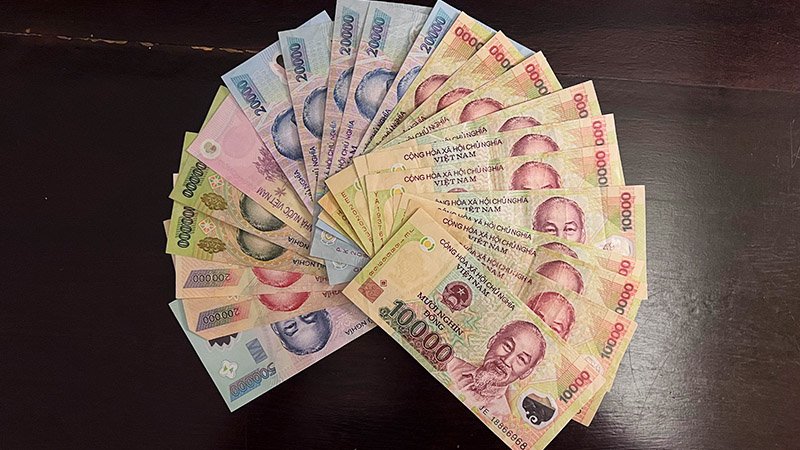
The Vietnamese Dong, or VND, is the official currency of Vietnam. It’s a fascinating currency, often creating a sense of being a millionaire when you first exchange your dollars! Don’t be intimidated by the large numbers; with a little practice, you’ll be converting like a pro. Knowing how much is 1 dollar in Vietnam Dong is your first step to savvy spending.
The denominations of VND
Vietnamese Dong comes in various banknote denominations, with no coins in common circulation. You’ll primarily encounter notes of:
- **10,000 VND:** Featuring a lively oil rig, useful for small purchases.
- **20,000 VND:** Showcasing the iconic Japanese Covered Bridge in Hoi An, perfect for a coffee or a street food snack.
- **50,000 VND:** With the ancient capital of Hue’s Ngo Mon Gate, often used for taxi fares or a hearty meal.
- **100,000 VND:** Displaying the Temple of Literature in Hanoi, a common note for daily expenses.
- **200,000 VND:** Featuring Ha Long Bay, excellent for slightly larger purchases.
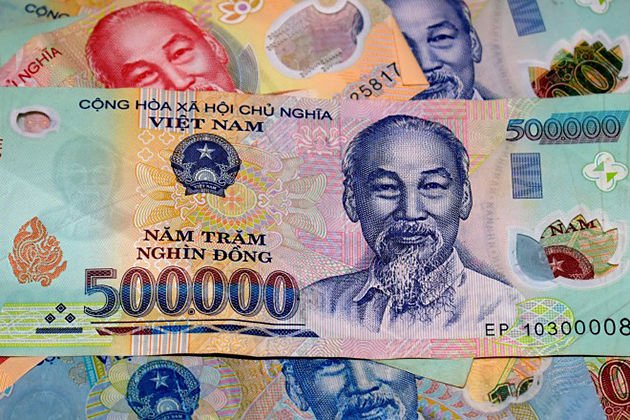
- **500,000 VND:** The largest denomination, adorned with President Ho Chi Minh’s birthplace, used for accommodation or significant purchases.
It’s worth noting that due to the high denominations, it’s easy to get confused. Always double-check the number of zeros!
Factors influencing the exchange rate
The exchange rate for how much is 1 dollar in Vietnam Dong isn’t static; it dances with the global economic currents. Several factors contribute to its daily fluctuations:
- **Central bank policies:** The State Bank of Vietnam plays a significant role in managing the Dong’s value.
- **Economic performance:** A robust Vietnamese economy generally strengthens the Dong.
- **Political stability:** A stable political environment fosters investor confidence, impacting currency value.
- **Inflation rates:** Higher inflation in Vietnam compared to the US can lead to a weaker Dong.
- **Global events:** International trade, crises, and market sentiment can also cause shifts.
Keeping an eye on these factors, even casually, can help you understand why the answer to how much is 1 dollar in Vietnam Dong might slightly vary from day to day.
Where to Exchange Your US Dollars for Vietnamese Dong
When you’re wondering how much is 1 dollar in Vietnam, the “where” of your exchange is just as important as the “how much.” Choosing the right place can save you money and hassle.
Banks and official exchange counters
For reliable and generally fair rates, banks are a solid choice. Look for major banks like Vietcombank, Techcombank, or BIDV. Their exchange counters are usually secure and transparent. Airport exchange booths offer convenience upon arrival, but their rates might be slightly less favorable than those in city centers. This is often the first place visitors consider when thinking about how much is 1 USD in Vietnam Dong they will receive.
Gold shops and jewelry stores
A fascinating aspect of Vietnamese currency exchange is the role of gold shops. These often offer surprisingly competitive rates, sometimes even better than banks, especially for larger amounts. They are prevalent in bustling areas and their rates for how much is 1 dollar in Vietnam currency are often displayed clearly. However, always exercise caution and count your money carefully in a discreet manner. We recommend only using reputable and well-established gold shops.
ATMs and credit cards
ATMs are widely available in major cities and tourist areas, allowing you to withdraw VND directly. While convenient, be aware of potential foreign transaction fees from your bank and ATM withdrawal fees from the Vietnamese bank. Using credit cards for larger purchases is also an option, particularly in hotels, upscale restaurants, and department stores. Always inform your bank of your travel plans to avoid card blocking. This is a common method for travelers figuring out how much is 1 dollar in Vietnam Dong they can access instantly.
Navigating Spending in Vietnam
Now that you know how much is 1 dollar in Vietnam Dong, let’s talk about smart spending to truly enjoy your adventure.
Bargaining etiquette in markets
Bargaining is an art form in Vietnam’s vibrant markets! It’s expected and a fun part of the cultural experience. Start by offering around 50-70% of the initial asking price and work your way up. Keep a friendly smile, and if you don’t reach an agreement, it’s perfectly fine to walk away. Sometimes, the vendor will call you back with a better offer! This is where knowing how much is 1 dollar in Vietnam currency truly empowers you to negotiate effectively.
Budgeting tips for daily expenses
Vietnam can be incredibly budget-friendly. Here’s a quick guide:
- **Accommodation:** Hostels can be as low as 150,000 VND (around $6-7 USD), while mid-range hotels range from 500,000 – 1,500,000 VND ($20-60 USD).
- **Food:** Street food is a culinary delight and incredibly cheap, often 25,000 – 50,000 VND ($1-2 USD) per dish. A meal in a mid-range restaurant might be 100,000 – 250,000 VND ($4-10 USD).
- **Transportation:** Local buses are very cheap, a few thousand VND. Xe om (motorbike taxis) or ride-hailing apps like Grab are also economical. A short Grab ride in a city typically costs 30,000 – 70,000 VND ($1.20-3 USD).
- **Activities:** Entrance fees to temples and historical sites are usually modest, ranging from 20,000 – 100,000 VND ($0.80-4 USD).
Cash vs. card usage
While cards are accepted in larger establishments, cash is king, especially for street food, local markets, small shops, and many cafes. Always carry a good amount of smaller denomination VND notes. This also simplifies transactions, as small vendors might not have change for a 500,000 VND note if your purchase is only 20,000 VND.
Smart Money Habits for a Seamless Vietnamese Adventure
To truly embrace the magic of Vietnam, a few smart money habits will make your journey smoother and more mindful. Understanding how much is 1 dollar in Vietnam Dong is just the beginning.
Tips for secure currency exchange
- Exchange in well-lit, reputable locations: Stick to banks, official exchange offices, or well-known gold shops.
- Count your money carefully: Always double-check the amount you receive, especially with the large denominations.
- Break down large bills: After exchanging, try to break a 500,000 VND note at a larger store or restaurant by making a substantial purchase. This ensures you have smaller bills for street vendors who might not have change.
- Be wary of street changers: Avoid individuals offering to exchange money on the street, as these are often scams.
Managing your budget on the go
- Use a budgeting app: Several apps can help you track your daily spending in VND and convert it back to USD.
- Set daily spending limits: This helps prevent overspending and keeps your adventure within budget.
- Keep a small emergency fund: Always have some extra cash or a separate card for unexpected situations.
- Embrace local prices: Don’t compare every price to what you’d pay back home. Enjoy the incredible value Vietnam offers!
Understanding tipping culture in Vietnam
Tipping is not traditionally embedded in Vietnamese culture as it is in some Western countries, but it is becoming more common in tourist-centric areas and is always appreciated for good service. When considering how much is 1 dollar in Vietnam Dong in terms of a tip, remember:
- Restaurants: Tipping is not mandatory, but rounding up the bill or leaving a small amount (e.g., 10,000 – 20,000 VND for a casual meal, 50,000 – 100,000 VND for a fine dining experience) is a kind gesture.
- Tour guides and drivers: If you’ve had an exceptional tour guide or driver, a tip is highly valued. For a full-day tour guide, 100,000 – 200,000 VND per person is a good benchmark. For a driver, 50,000 – 100,000 VND for a full day.
- Hotel staff: A small tip for bellhops or housekeeping (e.g., 20,000 – 50,000 VND) is appreciated.
- Street vendors and local shops: Tipping is not expected.
Comparing Exchange Rates: A Snapshot
While direct exchange rates are dynamic, here’s a simplified comparison of what you might expect for how much is 1 dollar in Vietnam Dong at different common exchange points (these are approximate and illustrative):
| Exchange Location | Approximate VND for 1 USD (illustrative) | Convenience Level | Recommended For |
|---|---|---|---|
| Airport Exchange | 23,800 – 24,500 VND | High (upon arrival) | Initial small amount for immediate needs |
| Major Banks (City Centers) | 24,000 – 25,000 VND | Medium | Larger exchanges, secure transactions |
| Reputable Gold Shops | 24,200 – 25,100 VND | Medium | Potentially best rates, requires vigilance |
| ATMs (Withdrawal) | 24,000 – 25,000 VND (minus fees) | High (24/7 access) | Emergency cash, smaller withdrawals |
Remember, these are illustrative. Always check the live rates upon your arrival.
Frequently Asked Questions About Currency in Vietnam
How much is 1 USD in Vietnam Dong today?
While constantly fluctuating, generally, 1 US Dollar is approximately 24,000 – 25,000 Vietnamese Dong (VND). It’s always best to check a reliable online currency converter or a local bank upon your arrival for the most up-to-date rate.
Can I use US dollars in Vietnam?
While some major hotels and tour operators in tourist areas might accept USD, it’s generally **not recommended** to use US dollars directly for everyday transactions. You’ll likely receive a poor exchange rate, and vendors may not have accurate change. It’s always better to exchange your USD for VND and pay in local currency. This ties back to understanding exactly how much is 1 dollar in Vietnam Dong to avoid being shortchanged.
Is it better to exchange money in Vietnam or before I go?
For the best rates, it’s usually more advantageous to exchange your money **upon arrival in Vietnam**. Airports offer immediate convenience, but city banks and reputable gold shops typically provide slightly better rates. Exchanging a small amount at your home bank for initial expenses is fine, but avoid large exchanges before your trip.
Are credit cards widely accepted in Vietnam?
Credit cards are accepted in major cities, particularly at upscale hotels, large restaurants, and some department stores. However, for smaller purchases, street food, local markets, and many independent shops, **cash is king**. Always carry enough VND for your daily needs.
What are common pitfalls to avoid when exchanging money?
Be cautious of unofficial money changers on the street, always count your money carefully after an exchange, and avoid accepting heavily damaged banknotes, as they might be refused elsewhere. When considering how much is 1 dollar in Vietnam currency you are receiving, ensure all the zeros are correct on the notes.
How do I calculate large sums in Vietnam Dong quickly?
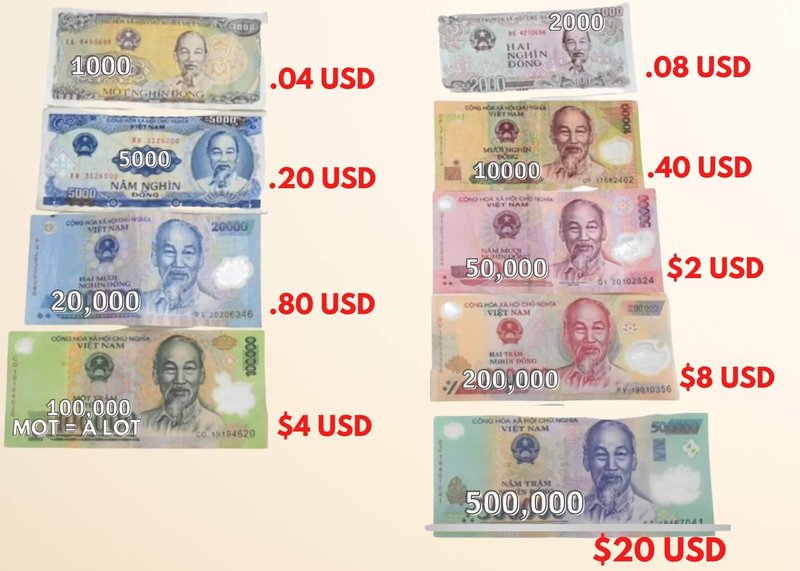
A simple trick is to divide the VND amount by 25,000 (a rough average rate) to get an idea of the USD equivalent. For example, 100,000 VND / 25,000 = $4 USD. Alternatively, remove the last three zeros and divide by 25. For example, 100,000 VND becomes 100, then 100 / 25 = $4 USD. This quickly helps grasp how much is 1 usd in Vietnam Dong‘s real purchasing power.
Do I need to inform my bank before traveling to Vietnam?
Yes, it’s highly recommended to **inform your bank** of your travel dates and destinations. This prevents them from flagging your transactions as suspicious and blocking your cards, which could be a major inconvenience.
Embrace the Dong, Embrace Vietnam
Understanding how much is 1 dollar in Vietnam Dong is more than just a currency conversion; it’s a doorway to a richer, more authentic travel experience. With a little preparation and these friendly tips, you’ll navigate the bustling markets and serene landscapes with confidence, savoring every moment of your journey. Let the vibrant colors, enticing aromas, and warm smiles of Vietnam enchant you, knowing you’re well-prepared for every transaction. Ready to begin your mindful and meaningful exploration? Start planning your adventure with Vietnam Adventure today!