
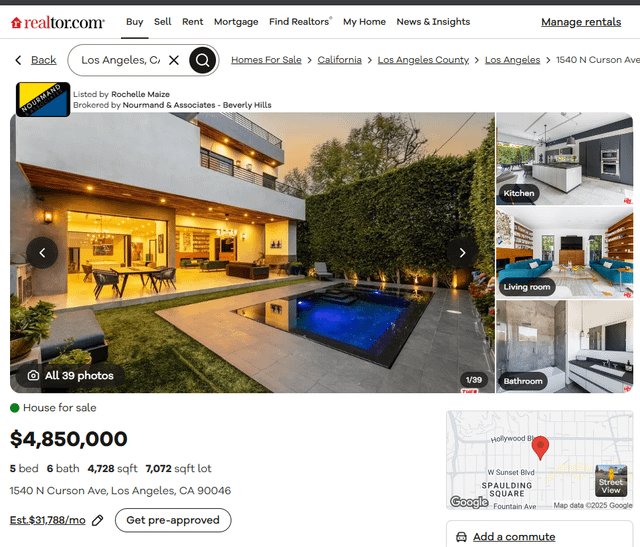
Xin chào, fellow adventurer! Are you dreaming of a life woven into the vibrant tapestry of Vietnam, perhaps even wondering about settling down amidst its captivating landscapes? At Vietnam Adventure, we often hear queries like, how much do houses cost in Vietnam. The answer, much like Vietnam itself, is diverse and depends on where your heart calls home, but generally, a house in Vietnam can range from approximately $60,000 USD for a modest property in a less developed area to several million USD for luxury villas in prime city locations.

Unveiling the Vietnamese Property Landscape
Vietnam’s real estate market is a dynamic and exciting realm, reflecting the nation’s rapid development and burgeoning economy. From the bustling metropolises of Ho Chi Minh City and Hanoi to the serene coastal towns and tranquil rural areas, the cost of property varies significantly. Understanding these nuances is key to finding your perfect slice of paradise.
The Pulse of the Cities: Ho Chi Minh City and Hanoi
In the vibrant heart of Vietnam’s largest cities, Ho Chi Minh City (HCMC) and Hanoi, the cost of living and, consequently, property prices are at their highest. These urban centers offer unparalleled opportunities, modern amenities, and a fast-paced lifestyle, attracting both local and international residents.
- Ho Chi Minh City: Often considered the economic engine of Vietnam, HCMC boasts a wide array of housing options. A modern apartment in a desirable district like District 2 or District 7 could start from around $100,000 to $200,000 USD for a one or two-bedroom unit, while spacious houses or villas can easily command prices upwards of $500,000 USD to several million USD, especially in prime locations with good access to international schools and business hubs.
- Hanoi: The charming capital, Hanoi, with its ancient pagodas and tree-lined boulevards, offers a slightly different, perhaps more traditional, urban experience. Property prices here are comparable to HCMC, with apartments in popular expat areas like Tay Ho (West Lake) ranging from $80,000 to $180,000 USD. Traditional tube houses in the Old Quarter, though smaller, carry a premium due to their historical significance and central location, often starting from $300,000 USD.
Coastal Charms: Da Nang and Nha Trang
For those drawn to the sea, Vietnam’s coastline offers stunning options. Da Nang and Nha Trang are increasingly popular for their beautiful beaches, burgeoning tourism, and more relaxed pace of life, often with more affordable price tags compared to the major cities.
- Da Nang: Known for its clean beaches and modern infrastructure, Da Nang has seen a surge in property development. A two-bedroom apartment near My Khe Beach might cost between $70,000 and $150,000 USD. Larger houses or villas with sea views can range from $250,000 to $1 million USD, offering excellent value for coastal living.
- Nha Trang: This vibrant beach resort city offers a lively atmosphere and stunning bay views. While prices can be slightly lower than Da Nang, a modern apartment here could be found for $60,000 to $120,000 USD. Villas and larger homes closer to the beach command higher prices, from $200,000 USD upwards.
Emerging Markets and Rural Retreats
Beyond the well-trodden paths, Vietnam offers pockets of opportunity in emerging cities and serene rural areas. Phu Quoc, with its special economic zone incentives, is a burgeoning island destination, while cities like Hoi An or Quy Nhon offer a blend of cultural heritage and coastal beauty.
- Phu Quoc: As a rapidly developing island, property here can be an interesting investment. Condotels and resort villas are common, with prices starting from $150,000 USD for smaller units and rising significantly for luxury properties.
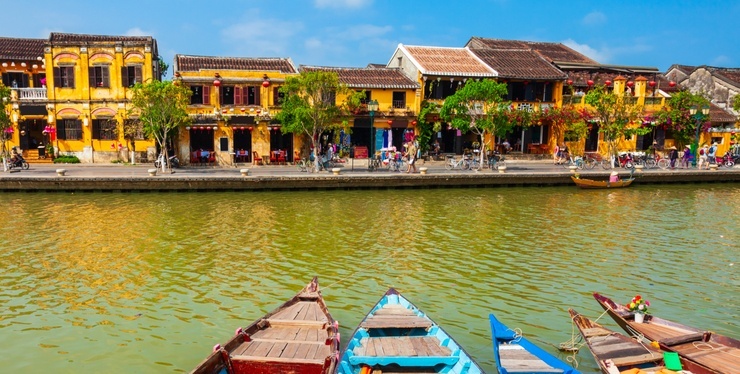
- Hoi An: While the ancient town itself has restrictions on foreign ownership for historical reasons, properties in the surrounding areas or just outside the core can be found. A modest house near Hoi An might start from $100,000 USD, offering a tranquil lifestyle amidst rice paddies and riverside charm.
So, when considering how much do houses cost in Vietnam, remember that the range is incredibly broad. Factors like location, property type (apartment, house, villa), size, amenities, and proximity to desirable features like beaches or city centers all play a crucial role in determining the final price. Understanding these variables will help you navigate the market with confidence.
Types of Properties and Their Costs
Let’s dive deeper into the specific types of homes you might encounter and what they generally entail in terms of cost, providing a clearer picture of how much is a house in Vietnam based on its style and function.
Apartments (Căn hộ chung cư)
These are the most common entry points for foreign buyers and are abundant in urban areas. They offer modern living with amenities like gyms, pools, and security.
- Studio/1-Bedroom: In Ho Chi Minh City or Hanoi, expect to pay between $60,000 and $120,000 USD. In secondary cities like Da Nang, these could start from $50,000 USD.
- 2-3 Bedrooms: In major cities, these typically range from $100,000 to $300,000 USD, depending on size, finish, and district. In coastal cities, prices might be $80,000 to $200,000 USD.
- Luxury Penthouses: High-end apartments with expansive views and premium finishes in prime locations can easily exceed $500,000 USD, reaching into the millions.
Landed Property (Nhà đất): Houses and Villas
Owning a landed property in Vietnam, a ‘nhà đất’, is often a symbol of status and tradition. These can be traditional townhouses, modern terraced houses, or detached villas.
- Terraced Houses (Nhà Phố): These are common in urban and suburban areas. A modest terraced house in a decent district of HCMC or Hanoi could start from $250,000 USD, with larger or more centrally located ones going for $500,000 USD to over $1 million USD. In smaller cities or less prime areas, prices might begin around $150,000 USD.
- Detached Villas (Biệt Thự): These offer more space and privacy. Prices vary wildly based on location, size of land, and luxury. In a good area of a major city, a villa could range from $700,000 USD to several million USD. Coastal villas in resort areas are similarly priced, often starting from $500,000 USD.
Condotels & Officetels
These are hybrid investment products, typically found in tourist destinations or business districts. Condotels combine condominium living with hotel services, while officetels merge office space with residential features.
- Condotels: Common in places like Nha Trang, Da Nang, or Phu Quoc, prices can range from $100,000 to $300,000 USD for a unit, often with rental management programs.
- Officetels: Primarily in HCMC and Hanoi, these can be priced from $80,000 to $200,000 USD, offering flexibility for live-work arrangements.
Understanding Foreign Ownership and Leasehold
It’s important to note that while foreigners can own property in Vietnam, the legal framework is primarily based on a leasehold system. Foreigners are typically granted a 50-year leasehold on property, which can be renewed. This differs from freehold ownership in many Western countries. However, for many, the benefits of living and investing in Vietnam far outweigh this distinction.
Beyond the Purchase Price: Associated Costs
When calculating how much do houses cost in Vietnam, remember that the purchase price is just one component. There are several associated costs that you’ll need to factor into your budget:
| Cost Type | Approximate Percentage / Details | Description |
|---|---|---|
| Value Added Tax (VAT) | 10% of the property value | Applicable to new properties from developers. |
| Registration Fee (Transfer Tax) | 0.5% of the property value | Paid to register ownership with the local authorities. |
| Notary Fees | Varies, typically 0.05% – 0.1% | For notarizing the sale and purchase agreement. |
| Maintenance Fees (for Apartments) | Varies by building, usually 10,000-20,000 VND per sqm/month | Covers common area upkeep, security, and amenities. |
| Legal Fees | Varies, typically 1% – 3% of property value | Engaging a lawyer is highly recommended for due diligence and contract review. |
| Agent Commission | Typically 1% – 3% for buying (paid by seller) | While usually paid by the seller, it’s good to be aware of. |
| Furniture & Fittings | Highly variable | Many properties are sold unfurnished, so budget for furnishing. |
| Renovation Costs | Highly variable | If buying an older property or one that needs upgrading. |
Understanding these additional costs is crucial for a realistic budget, ensuring that your dream of owning a home in Vietnam is a smooth and joyful reality. Always seek professional advice to navigate the legal and financial aspects of property acquisition in Vietnam.
The Path to Vietnamese Homeownership: Your Step-by-Step Guide
Embarking on the journey to purchase a house in Vietnam can be an exciting adventure! Here’s a simplified guide to help you navigate the process, ensuring you understand not just how much do houses cost in Vietnam but also how to acquire them.
1. Research and Budgeting
Your adventure begins with research. Determine which city or region aligns with your lifestyle and budget. Explore various property types – from bustling city apartments to tranquil coastal villas. Get a clear understanding of your financial capacity, factoring in not just the purchase price but also associated taxes, fees, and potential renovation costs. Remember, being prepared financially is your first step to a smooth experience.
2. Finding Your Dream Property
This is where the excitement truly builds! You can engage with reputable local real estate agents who possess invaluable knowledge of the market and can guide you through available listings. Online portals and property developers are also excellent resources. Consider visiting Vietnam to experience the neighborhoods firsthand and view properties that capture your imagination. Walking through a potential home, feeling the breeze from the balcony, and imagining your life unfold there is an irreplaceable part of the process.
3. Due Diligence and Legal Counsel
Once you’ve found a property that speaks to you, it’s crucial to engage an independent Vietnamese lawyer. They will perform comprehensive due diligence, verifying the property’s legal status, ownership documents (the “Pink Book”), and ensuring there are no outstanding debts or disputes. This step is vital to protect your investment and ensure a legitimate transaction. They will also clarify the 50-year leasehold for foreigners and any specific ownership quotas or restrictions that might apply.
4. Negotiating and Signing the Sale and Purchase Agreement (SPA)
Your lawyer will assist in negotiating the terms of the sale. Once terms are agreed upon, you will sign a Sale and Purchase Agreement (SPA). This legally binding document outlines all aspects of the transaction, including price, payment schedule, and completion date. It’s common to pay a deposit (typically 10-20%) upon signing the SPA.
5. Payment Schedule and Transfer of Ownership
The remaining payment will typically be made in installments, often tied to construction milestones for new developments, or a lump sum for existing properties. Upon full payment and the completion of all legal requirements, the property’s ownership (or leasehold rights) will be transferred to your name. This involves registering the transfer with the local land registration office. Congratulations, you’re now a proud property holder in Vietnam!
6. Post-Purchase Considerations
After acquiring your property, consider the practicalities. If it’s an apartment, you’ll start paying maintenance fees. If you plan to rent it out, you might explore property management services. For any major renovations or new construction on land, understanding local permits and regulations will be essential. Living in Vietnam offers a wonderful tapestry of experiences, and having a home here makes it even richer.
Real Estate Trends and Future Outlook
The Vietnamese real estate market is constantly evolving, influenced by economic growth, tourism, and government policies. Understanding these trends can offer valuable insights into how much do houses cost in Vietnam in the long run.
Booming Real Estate Markets
- Ho Chi Minh City: Continues to be a powerhouse, with strong demand for both residential and commercial properties. Its economic dynamism ensures a steady appreciation in property values, especially in well-planned urban developments.
- Hanoi: As the capital, Hanoi benefits from government investments in infrastructure and a growing middle class. The demand for modern housing, particularly apartments, remains robust.
- Da Nang: Positioned as a smart city and a major tourist hub, Da Nang’s property market is on an upward trajectory. Coastal properties and resort-style living are particularly attractive to investors and expatriates.
- Phu Quoc: With its special economic zone status and focus on tourism, Phu Quoc offers significant potential for growth, particularly in the hospitality and leisure property sectors.
Factors Influencing Growth
- Economic Growth: Vietnam’s strong GDP growth fuels an expanding middle class with increasing purchasing power.
- Foreign Direct Investment (FDI): Continuous FDI inflows contribute to infrastructure development and job creation, further boosting property demand.
- Tourism Boom: The thriving tourism sector drives demand for hospitality properties, as well as residences for expatriate workers.
- Government Policies: Recent amendments to property laws have made it easier for foreigners to own property, albeit under specific conditions, increasing market liquidity.
Market Forecast for the Next 5 Years (2026-2030)
Experts predict continued, albeit more stable, growth in the Vietnamese real estate market. While prices in prime urban areas may stabilize after periods of rapid appreciation, secondary cities and emerging markets are expected to see sustained growth. Infrastructure projects, such as new expressways and airports, will open up new development areas and enhance connectivity, further impacting property values. Investors are advised to look for properties in well-planned urban areas, coastal cities with strong tourism potential, and industrial zones experiencing economic expansion. The long-term outlook for how much do houses cost in Vietnam suggests continued appreciation, making it an appealing prospect for those looking to invest or settle.
Financing Your Purchase: Mortgages for Foreigners Explained
Navigating financing options as a foreigner in Vietnam can be a unique experience. While direct mortgages for foreigners from Vietnamese banks have historically been challenging, the landscape is slowly evolving. Understanding your options is key when considering how much is a house in Vietnam and how you’ll fund it.
The Challenge and The Opportunity
The primary challenge for foreigners seeking mortgages in Vietnam stems from legal restrictions and the fact that land ownership is technically vested in the state. Most properties for foreigners are on a 50-year leasehold. However, with increasing foreign interest, some international and local banks are beginning to offer more tailored solutions.
Who Qualifies? The Ideal Foreign Borrower Profile
Typically, banks are more inclined to offer loans to foreigners who:
- Have a stable income in Vietnam or from a reputable international source.
- Possess a valid work permit and residency card in Vietnam.
- Have a clean credit history, both internationally and locally (if applicable).
- Are purchasing property in a project that has specific agreements with the lending bank.
International vs. Local Banks
- International Banks: Some international banks with a presence in Vietnam (e.g., Standard Chartered, HSBC) may offer mortgage products to foreign residents, often with stricter criteria and potentially requiring collateral outside Vietnam. These usually cater to high-net-worth individuals or those with long-standing relationships with the bank.
- Local Banks: Vietnamese banks are generally more conservative. While some may consider lending to foreigners, it is often on a case-by-case basis and might require a Vietnamese guarantor or a higher down payment. Interest rates can also be higher.
Given these complexities, many foreign buyers choose to finance their property purchase through:
- Cash Payment: The most straightforward method, avoiding interest and lengthy approval processes.
- Offshore Financing: Obtaining a mortgage from a bank in their home country, leveraging assets or income from abroad.
- Developer Payment Plans: For new developments, developers often offer attractive interest-free payment plans over the construction period, which can ease the initial financial burden.
It’s always recommended to consult with financial advisors and legal experts in Vietnam to understand the most viable and secure financing options for your specific situation. This due diligence ensures that your dream home in Vietnam is not only beautiful but also financially sound.
Maximizing Returns: The Vietnamese Rental Market & Property Management
For those considering property in Vietnam as an investment, understanding the rental market and how to manage your asset is just as important as knowing how much do houses cost in Vietnam. The country’s growing economy and expat community create a robust rental demand, particularly in major cities and popular tourist areas.
Understanding Tenant Demographics and Rental Demand
- Expatriates: Ho Chi Minh City and Hanoi are home to large expat communities, creating strong demand for modern apartments and houses, often favoring properties with international-standard amenities. Rent for a good quality 2-bedroom apartment in a prime expat area can range from $700 to $1,500 USD per month, while houses can command $1,500 to $4,000+ USD per month.
- Local Professionals: A rising middle class in Vietnam means increasing demand for quality rental housing among local professionals and young families.
- Tourists/Short-term Rentals: In coastal cities like Da Nang and Nha Trang, and tourist-heavy areas, there’s a significant market for short-term rentals and holiday homes, especially through platforms like Airbnb.
Finding and Screening Tenants
Finding the right tenant is crucial for a smooth rental experience. Key strategies include:
- Real Estate Agents: Local agents specialize in connecting landlords with suitable tenants, often handling listings, viewings, and initial screening.
- Online Platforms: Websites and social media groups frequented by expats and locals are effective for advertising your property.
- Company Networks: Properties near international schools or large multinational companies often attract corporate tenants.
Thorough screening involves checking references, employment status, and visa validity for foreign tenants. A clear, legally sound tenancy agreement is essential to protect both landlord and tenant.
The Role of a Property Management Company
For foreign owners, especially those not residing in Vietnam, a property management company can be invaluable. They handle a wide range of responsibilities, including:
- Marketing and Tenant Sourcing: Advertising your property and finding suitable tenants.
- Rent Collection: Ensuring timely payment and handling any arrears.
- Maintenance and Repairs: Coordinating and overseeing necessary upkeep and repairs.
- Lease Management: Handling contract renewals, negotiations, and dispute resolution.
- Financial Reporting: Providing regular updates on rental income and expenses.
While property management fees typically range from 8% to 15% of the monthly rent, the peace of mind and professional handling of your investment can be well worth the cost. This allows you to enjoy the benefits of your Vietnamese property without the day-to-day operational burdens, making your investment a truly passive one.
FAQs About Property in Vietnam
How much is a 3-bedroom house in Vietnam?
A 3-bedroom house in Vietnam can vary dramatically in price depending on the location and specific property type. In major cities like Ho Chi Minh City or Hanoi, a modern 3-bedroom terraced house might start from around $350,000 USD and easily go up to $700,000 USD or more in prime districts. In coastal cities like Da Nang or Nha Trang, a similar property could range from $200,000 to $450,000 USD. Rural or less developed areas would offer significantly lower prices, potentially starting from $100,000 USD.
How much is an apartment in Vietnam?
The cost of an apartment in Vietnam also varies widely. A studio or 1-bedroom apartment in a major city can be found from around $60,000 to $120,000 USD. A 2-3 bedroom apartment in a good urban location typically ranges from $100,000 to $300,000 USD. Luxury apartments in top-tier developments can easily exceed $500,000 USD. In secondary cities, apartment prices might start from as low as $40,000 USD for smaller units.
What are the legal restrictions for foreigners buying property in Vietnam?
Foreigners can generally own apartments and houses (landed property in specific projects) in Vietnam, primarily under a 50-year leasehold, which is renewable. There are restrictions on the percentage of foreign ownership in a building or project (typically up to 30% for apartments in a building and 10% for landed property in a project). Foreigners cannot own land directly but can own the structures built on the land. It’s crucial to work with a local lawyer to navigate these regulations.
What income do you need to buy a house in Ho Chi Minh City?
To comfortably afford a house in Ho Chi Minh City, a significant income is required, especially if you are looking at mid-to-high range properties. Given that a modest house could start from $250,000 USD, a down payment of 20-30% would be $50,000-$75,000 USD. If you’re seeking a mortgage, banks will look for a stable, substantial income, typically in the range of $3,000-$5,000+ USD per month to cover mortgage payments and living expenses, although this is a broad estimate and depends heavily on the property price and loan terms.
Is it a good investment to buy property in Vietnam?
Many consider buying property in Vietnam a good investment due to the country’s strong economic growth, rising middle class, and increasing tourism. Property values in key urban and coastal areas have seen significant appreciation. However, like any investment, it comes with risks, including market fluctuations and the unique legal framework for foreign ownership. Thorough research and professional advice are essential.
Can foreigners apply for mortgages in Vietnam?
Applying for mortgages as a foreigner in Vietnam is challenging but not impossible. While direct mortgages from local banks are rare and often require a Vietnamese guarantor or substantial collateral, some international banks or specific project developers may offer financing options. Many foreigners opt for cash purchases or secure financing from their home countries.
Embracing Your Vietnamese Home Adventure
As you’ve journeyed with us through the diverse property landscape, we hope you now have a clearer picture of how much do houses cost in Vietnam. From the bustling energy of Ho Chi Minh City to the serene coastal beauty of Da Nang, Vietnam offers a home for every dream and budget. The cost of a house, as you’ve seen, is as varied and rich as the culture itself, influenced by location, type, and the vibrant life that surrounds it. Whether you’re seeking a modern apartment overlooking a cityscape, a tranquil villa near the sea, or a charming house nestled amidst local life, Vietnam holds endless possibilities.
At Vietnam Adventure, we believe in mindful exploration and meaningful experiences. Owning a piece of Vietnam is more than just a transaction; it’s an invitation to deepen your connection with this incredible country, its people, and its soul. May your journey to finding your Vietnamese home be filled with discovery and joy!