
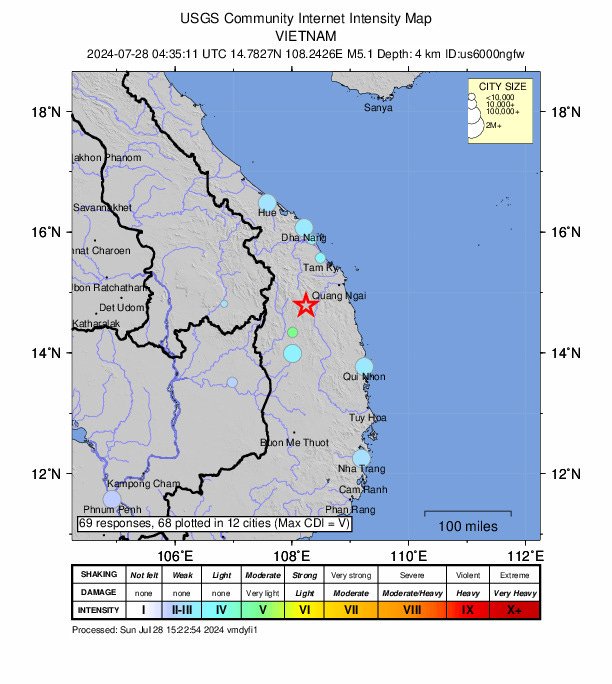
As you plan your unforgettable journey with Vietnam Adventure, you might be wondering about various aspects of this enchanting country, including its geological stability. The question does Vietnam get earthquakes is a natural one for any mindful traveler. Yes, Vietnam does experience earthquakes, but they are generally infrequent and of low to moderate magnitude, posing a very low risk to visitors.

Unveiling Vietnam’s Seismic Landscape
Vietnam, a land of breathtaking natural beauty and vibrant culture, sits at the edge of several tectonic plates. While not on the highly active “Ring of Fire” like some of its neighbors, the country is still subject to seismic activity. It is important to understand that when considering does Vietnam get earthquakes, we are talking about a different scale and frequency than regions known for major seismic events. The majestic mountains, the fertile deltas, and the stunning coastlines are all part of a dynamic geological tapestry.
Recent Earthquakes and Their Impact
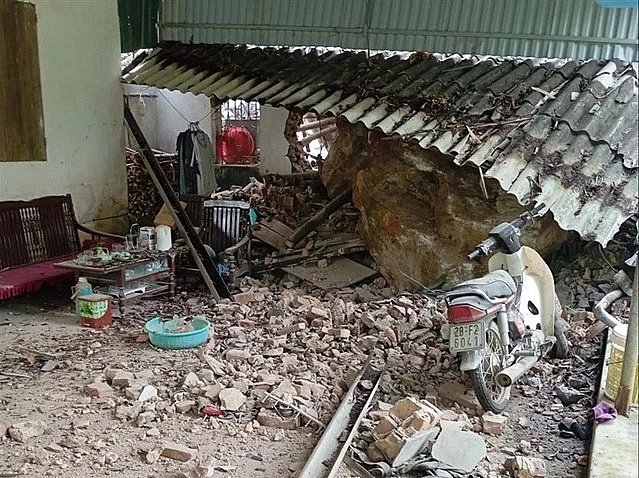
Historically, Vietnam has experienced a number of minor tremors. While major, destructive earthquakes are exceedingly rare, smaller ones do occur. These are often felt more distinctly in northern provinces or along specific fault lines. For instance, there have been recorded instances of magnitude 4 to 5 earthquakes, such as the M5.1 earthquake in 2007. These events, while notable, typically cause minimal damage and disruption, especially compared to the powerful quakes seen in other parts of the world. The country’s geological monitoring agencies keep a close watch on any seismic movements, providing timely updates.
When you ask, does Vietnam have earthquakes, it is helpful to look at the data. Most seismic activity is concentrated in specific zones, and the majority of popular tourist destinations, while not entirely immune, are considered very low risk. Think of it as a gentle hum beneath the earth, rather than a roar.

Understanding Vietnam’s Geological Context
Vietnam’s position on the Indo-Eurasian plate complex means it experiences tectonic stresses. The Red River fault system is one of the most significant geological features influencing seismic activity in the region. This fault system runs through northern Vietnam and has been responsible for some of the country’s historically larger tremors. However, even these larger historical events were moderate compared to global standards for major earthquakes.
Fault Lines and Seismic Zones
The primary seismic zones in Vietnam are generally located in the northern mountainous regions and some offshore areas. Cities like Hanoi, while not directly on a major fault, can occasionally feel tremors from activity in these northern zones. Southern Vietnam, including Ho Chi Minh City and the Mekong Delta, is generally considered to have an even lower risk of significant earthquake activity. Understanding these regional variations can add to your peace of mind as you traverse this beautiful country.

Staying Safe and Informed During Your Vietnam Adventure
While the likelihood of encountering a significant earthquake during your travels is very low, being informed is always part of responsible and mindful exploration. Vietnam is well-versed in disaster preparedness for various natural events, including typhoons and floods, and the same principles of awareness apply to seismic activity.
Practical Preparedness for Travelers
Here are a few thoughtful tips to keep in mind, even though the risk for does Vietnam get earthquakes impacting your trip significantly is minimal:
- Stay Informed: Before and during your trip, keep an eye on local news or official advisories. However, do not let this overshadow the incredible experiences awaiting you.
- Know Your Surroundings: Familiarize yourself with emergency exits in your accommodation. This is a good practice anywhere you travel.
- Follow Local Guidance: In the highly unlikely event of a noticeable tremor, simply follow the instructions of local authorities or your hotel staff.
- Travel Insurance: Ensure your travel insurance covers natural disasters, just as a general precaution for any international trip.
Response Plans and Building Standards
Vietnam has been steadily improving its infrastructure and implementing building codes designed to withstand various natural forces, including earthquakes. While older buildings may present different considerations, modern constructions, especially in urban centers, are built with greater seismic resilience in mind. The government also has plans for emergency response, focusing on safeguarding both residents and visitors.
Common Concerns About Natural Events in Vietnam
Beyond the question of does Vietnam get earthquakes, travelers often have broader questions about natural phenomena. Here’s a quick overview:
| Natural Event | Frequency & Risk | Key Information for Travelers |
|---|---|---|
| Earthquakes | Infrequent, low to moderate magnitude. Very low risk to travelers. | Focus on northern regions and some offshore areas. Modern buildings have improved resilience. |
| Typhoons & Tropical Storms | Seasonal (May to November), mainly affecting coastal areas. | Can cause heavy rain, flooding, and travel disruptions. Monitor forecasts, especially if traveling during this season. |
| Flooding | Common during rainy season and after typhoons, especially in low-lying areas and deltas. | Can impact travel plans, particularly road conditions. Local authorities are adept at managing and advising. |
| Landslides | Risk in mountainous areas, particularly during heavy rains. | Less common in popular tourist routes, but always follow local advisories in remote, hilly regions. |
Frequently Asked Questions
How frequent are earthquakes in Vietnam?
While small tremors occur somewhat regularly, significant earthquakes (above magnitude 5.0) are infrequent in Vietnam. The country experiences far fewer large quakes compared to countries located directly on major plate boundaries.
What was the strongest earthquake recorded in Vietnam?
One of the strongest earthquakes recorded within Vietnam’s borders in recent decades was a 5.1 magnitude event in 2007, which was felt in several northern provinces but caused minimal damage.
Are popular tourist destinations in Vietnam at risk from earthquakes?
Popular tourist destinations like Hanoi, Ho Chi Minh City, Da Nang, Hoi An, and Ha Long Bay are generally considered to be in low-risk seismic zones. While a tremor might occasionally be felt, the likelihood of a destructive earthquake affecting these areas is very low.
Does Vietnam have a tsunami warning system?
Given its coastline and potential for offshore seismic activity, Vietnam has implemented a tsunami warning system as part of broader regional cooperation. This system is designed to alert coastal populations in the unlikely event of a significant undersea earthquake.
What should I do if I feel an earthquake while in Vietnam?
If you were to feel a tremor, the general advice is “Drop, Cover, and Hold On.” Seek shelter under a sturdy piece of furniture, cover your head and neck, and hold on until the shaking stops. Then, evacuate to an open space if safe to do so. Your hotel or local guides will provide specific instructions.
Embrace the Journey with Confidence
The answer to does Vietnam get earthquakes is yes, but with a nuanced understanding of its low frequency and intensity, especially concerning significant risks to travelers. Vietnam remains an incredibly safe and welcoming destination, where the chances of your journey being affected by seismic activity are remarkably small. The vibrant markets, the serene temples, the emerald rice paddies, and the warmth of its people await your discovery.
With Vietnam Adventure, you are always in good hands. We prioritize your safety and comfort, providing you with all the information and support needed for a truly enriching and peaceful experience in this mesmerizing land.