
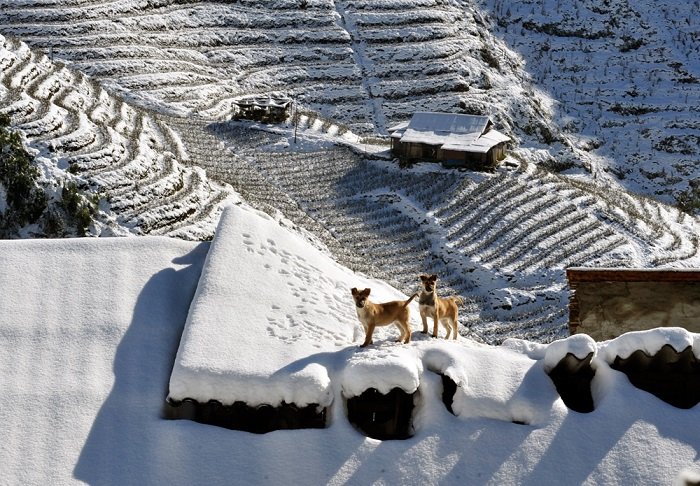
Welcome, fellow explorers! If you’ve ever dreamt of wandering through mist-shrouded mountains, but wondered, does it snow in Vietnam, you’re in for a delightful surprise. While Vietnam is renowned for its tropical beaches and lush rice paddies, the answer to does it snow in Vietnam is a resounding yes, but it is a rare and localized phenomenon, primarily occurring in the high-altitude northern mountains during harsh winter cold snaps.
Vietnam’s Enchanting Winter Climate and Snow Potential
Vietnam’s weather is a fascinating tapestry, shifting dramatically from the sun-drenched south to the cooler, sometimes frosty, north. While the image of a tropical paradise often comes to mind, the northern reaches, particularly in mountainous regions, experience a distinct winter. Temperatures can plummet, especially from December to February, creating the conditions necessary for a truly magical occurrence: snow!
It’s not a common sight across the entire country, but when the cold front truly embraces the high peaks, a hushed white blanket can transform already breathtaking landscapes into something utterly ethereal. Imagine rice terraces dusted with a delicate layer of frost, or ancient forests sparkling under a rare snowfall. It’s an experience that few travelers anticipate, making it all the more special for those who seek it out.
Where to Witness Snow in Vietnam’s Majestic North
If your heart yearns for the unique spectacle of snow in Southeast Asia, your journey will lead you to Vietnam’s rugged northern provinces. These are the places where elevation and cold conspire to offer a fleeting, yet unforgettable, winter wonderland.
Sapa: Vietnam’s Most Famous Snowy Retreat
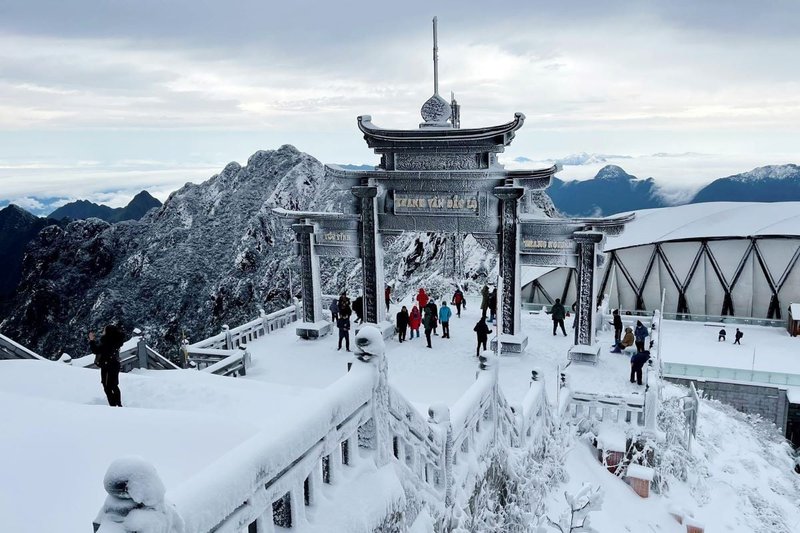
Nestled high in the Hoàng Liên Sơn Mountains, Sapa is often the first name that comes to mind when discussing snow in Vietnam. This charming town, famous for its vibrant ethnic minority cultures and stunning terraced rice fields, occasionally transforms into a snowy paradise during its coldest winter months, typically from late December to early February. The sight of snow falling gently over the valleys, blanketing the rooftops, and dusting the slopes of Fansipan, Indochina’s highest peak, is truly breathtaking. It’s a scene that feels utterly out of place for Southeast Asia, drawing a special kind of adventurer. When people ask, does it snow in Sapa Vietnam, the answer is usually yes, although it’s not an annual certainty and can vary greatly in intensity and duration.
Mau Son Mountain: A Hidden Gem in Lang Son
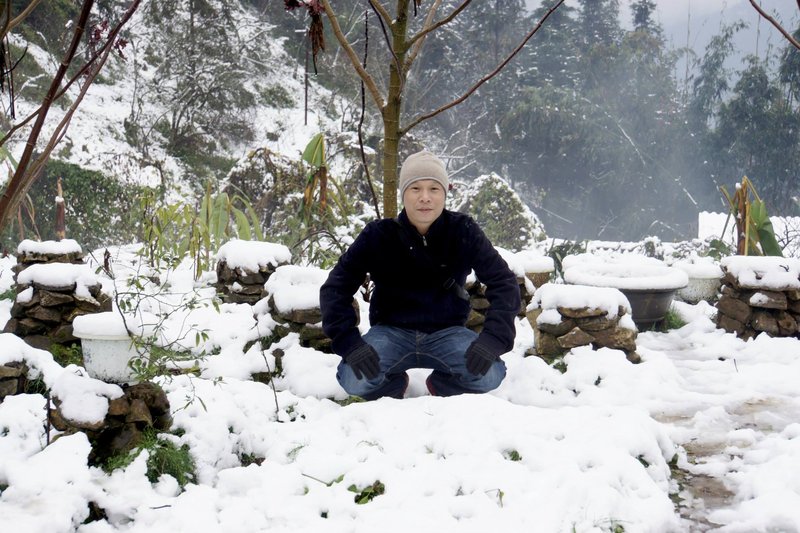
Further east, in Lang Son province, Mau Son Mountain stands as another strong contender for snowfall. Reaching elevations of over 1,500 meters, Mau Son is known for its cool climate year-round, but in the deepest winter, especially in January, temperatures can drop below freezing, leading to ice and sometimes even snow. The landscape here is wilder, less trodden than Sapa, offering a more secluded experience for snow hunters. Imagine crisp mountain air, a hush over the ancient forests, and the rare beauty of white flakes clinging to every branch.
Ha Giang: Rugged Beauty Touched by Winter
The far northern province of Ha Giang, renowned for its dramatic karst landscapes and challenging mountain passes, can also experience snowfall. Areas like Dong Van and Meo Vac, with their soaring peaks and deep valleys, sometimes see a dusting of snow during severe cold snaps. It’s an even rarer event here than in Sapa, but for those exploring the truly remote corners of Vietnam, the reward of witnessing snow against such a formidable backdrop is unparalleled. The treacherous roads become even more challenging, but the vistas of snow-capped peaks rising from swirling mists are truly unforgettable.
Fansipan: The Roof of Indochina
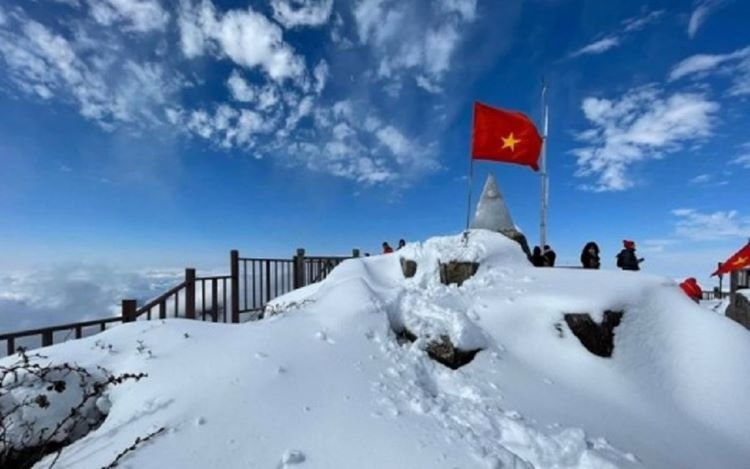
As the highest peak in Indochina, Fansipan in Sapa is undoubtedly the most likely place to see consistent snowfall, or at least ice and hoarfrost, during Vietnam’s winter. Even when Sapa town itself only experiences frost, the summit of Fansipan often sees a more significant white covering. Reaching the peak by cable car during these times offers an incredible panoramic view of a snow-dusted world, a stark contrast to the tropical images usually associated with Vietnam. This is where does it snow in Vietnam finds its most emphatic answer, with hardy hikers sometimes even trekking through light snow.
Other Potential Snowy Spots: Yen Bai and Phia Oac
While less famous than Sapa, regions in Yen Bai province, particularly at higher elevations, and Phia Oac Mountain in Cao Bang province, have also reported occasional snowfall during exceptionally cold winters. These are truly off-the-beaten-path destinations, offering the most intrepid travelers a chance to witness Vietnam’s rare winter magic.
When Does it Snow in Vietnam? Timing Your Winter Adventure
Understanding when does it snow in Sapa Vietnam, or anywhere in the northern mountains, is key to planning your snow-chasing adventure. Snowfall is not an annual guarantee and is highly dependent on specific weather conditions.
Generally, the coldest months in northern Vietnam are from late December to early February. This is when cold fronts from mainland Asia sweep down, causing temperatures to drop dramatically. It is during these periods that temperatures in the highest mountainous areas can fall below 0°C (32°F), leading to frost, ice, and, occasionally, snow. January is often considered the peak month for potential snowfall.
It’s important to remember that these are fleeting moments. A snowfall might last only a day or two before melting, especially if temperatures rise. So, embracing flexibility and keeping a close eye on weather forecasts are essential for a successful “snow hunt.”
Preparing for Your Northern Vietnam Winter Expedition
Chasing snow in Vietnam requires a bit more preparation than your typical tropical getaway. Here are some essential tips:
- Layer Up: Temperatures can be surprisingly cold, especially in the mountains. Pack warm layers, including thermal underwear, sweaters, a waterproof and windproof jacket, and warm pants.
- Footwear is Key: Sturdy, waterproof hiking boots with good grip are crucial, as paths can be slippery with ice or mud.
- Accessories Matter: Don’t forget a warm hat, gloves, and a scarf to protect against the biting wind.
- Stay Hydrated and Energized: Bring a thermos with hot tea or coffee, and plenty of snacks to keep your energy up in the cold.
- Check Forecasts Diligently: Weather patterns can change quickly. Monitor local forecasts in the days leading up to your trip.
- Book Accommodations in Advance: If snow is predicted, popular spots like Sapa can see a surge in domestic tourism, so secure your lodging early.
- Embrace the Unexpected: Even without heavy snow, the frosty, misty landscapes of northern Vietnam in winter offer a uniquely beautiful and atmospheric experience.
Does it Snow in Hanoi, Vietnam?
Many travelers wonder, does it snow in Hanoi Vietnam? The simple answer is no. While Hanoi experiences a distinct winter with cool, damp, and sometimes chilly weather, temperatures very rarely drop below 5°C (41°F) and almost never reach freezing point. The conditions required for snowfall, particularly sustained sub-zero temperatures, simply do not occur in the capital city. You might experience cold rain and a pervasive dampness, but never snow.
Comparing Northern and Southern Vietnam Winters
To illustrate the stark differences within Vietnam’s winter, let’s look at average temperatures during the coldest months:
| Region | Average January Temperature | Likelihood of Snow |
|---|---|---|
| Sapa (High Mountains) | 5-10°C (41-50°F), often below 0°C at night/peak | Occasional light snowfall or heavy frost |
| Hanoi (Northern Lowlands) | 14-17°C (57-63°F) | Virtually none, cold and damp |
| Hue/Da Nang (Central Coast) | 19-22°C (66-72°F) | No snow, mild to warm, rainy season |
| Ho Chi Minh City (Southern Lowlands) | 25-28°C (77-82°F) | No snow, warm and dry |
As you can see, the probability of encountering snow is isolated to very specific, high-altitude northern regions, making it a truly unique and sought-after experience for those venturing into these majestic landscapes during the coldest parts of the year.
Frequently Asked Questions
Is there any snow in Vietnam every year?
Snowfall in Vietnam is not an annual certainty. It is a relatively rare occurrence, happening only in the highest mountainous regions of northern Vietnam during particularly harsh cold snaps, typically from late December to early February. Some years may see no significant snowfall, while others might experience several events.
What is the best time to see snow in Sapa?
The best chance to see snow in Sapa is during the coldest months of winter, specifically from late December through January. However, it’s crucial to monitor weather forecasts closely as snowfall is unpredictable and depends entirely on severe cold fronts reaching the region.
Do I need special equipment to visit snowy areas in Vietnam?
Yes, if you’re hoping to experience snow or even very cold conditions, warm clothing is essential. This includes layers, a waterproof and windproof jacket, warm hats, gloves, and sturdy, waterproof footwear with good grip. For serious hiking in snowy conditions, specialized gear might be necessary, but for general sightseeing, warm winter attire is sufficient.
Can you ski or snowboard in Vietnam?
No, there are currently no established ski resorts or facilities for skiing or snowboarding in Vietnam. While snow does occur, it is generally light, intermittent, and melts quickly, making sustained winter sports impossible. The infrastructure for such activities is also non-existent.
How do locals react to snow in Vietnam?
For most Vietnamese, especially those from warmer regions, snow is a fascinating and exciting phenomenon. When it snows in places like Sapa, it often attracts a surge of domestic tourists eager to witness and experience the rare winter spectacle. For local mountain communities, however, it can also bring challenges due to the extreme cold and potential impact on agriculture.
Embracing the Unexpected: Your Winter Journey with Vietnam Adventure
So, when you ponder does it snow in Vietnam, remember that this captivating country holds more climatic wonders than often imagined. While not a typical winter destination, the remote, high-altitude north offers a rare chance to see snow transform already stunning landscapes into something truly magical. It’s a testament to Vietnam’s incredible natural diversity and a unique experience for the adventurous traveler.
Whether you’re dreaming of misty mountains, the rare sight of snow, or exploring vibrant cultures, Vietnam Adventure is here to craft a journey that uncovers the hidden gems and unforgettable moments of this extraordinary land. Let us guide you on a mindful and meaningful exploration of Vietnam’s diverse beauty, no matter the season.