
Welcome, fellow adventurers! As your friendly companion from Vietnam Adventure, I’m here to shed light on a common query for many travelers: can I bring meat into Vietnam? The direct and concise answer is that bringing meat and meat products into Vietnam for personal consumption is generally prohibited or severely restricted. Vietnam has stringent regulations to prevent the spread of animal diseases and to protect its agricultural industry.
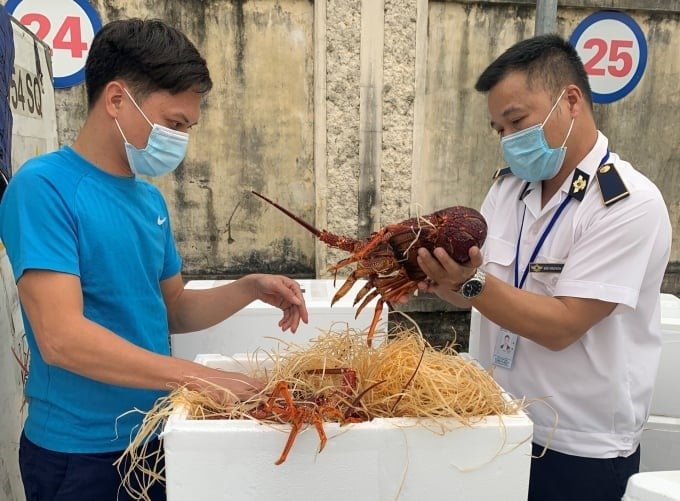
Understanding Vietnam’s Customs Regulations on Meat
Navigating customs in any country can feel a bit like deciphering an ancient scroll, and Vietnam is no exception, especially when it comes to food items. The regulations around importing meat are particularly strict, driven by a global effort to control animal diseases like African Swine Fever, avian influenza, and foot-and-mouth disease. These measures are crucial for safeguarding Vietnam’s vital livestock and poultry sectors.
Why the Strictness? A Deeper Look
Imagine the vibrant markets of Vietnam, overflowing with fresh produce, bustling with life, and offering an incredible array of local meats. This rich agricultural landscape is a cornerstone of Vietnamese culture and economy. Importing meat products without proper inspection and certification poses a significant biosecurity risk. A single contaminated item could lead to devastating outbreaks, impacting farmers’ livelihoods and disrupting the food supply chain. This is why customs officials are so diligent in inspecting incoming goods, ensuring that only safe, authorized products enter the country.
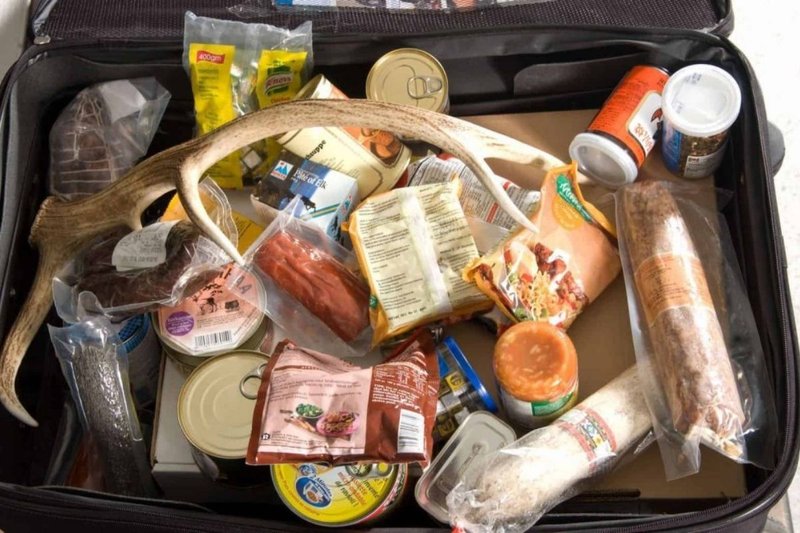
What Food Items Are Prohibited or Restricted?
While our focus is on can I bring meat into Vietnam, it’s helpful to understand the broader landscape of prohibited and restricted food items. Generally, raw meat, processed meat products, and even certain dairy items fall under strict scrutiny.
Strictly Banned Foods
- Raw Meat: This includes beef, pork, poultry, and lamb in any raw, uncooked form.
- Processed Meat Products: Items like sausages, ham, pâté, jerky, and even some canned meats are typically prohibited unless they come with specific, valid health certificates and import licenses, which are nearly impossible for individual travelers to obtain.
- Live Animals and Animal Products: This extends beyond just meat to include live poultry, eggs, unpasteurized dairy products, and certain seafood.
Restricted or High-Risk Food Items
Some items might be allowed under specific conditions, often requiring official documentation. However, for the average traveler, it’s best to assume these are restricted and avoid bringing them. These can include:
- Homemade Foods: Dishes prepared at home, especially those containing meat or dairy, are almost universally disallowed due to the inability to verify their safety and origin.
- Unpackaged or Unlabeled Goods: Any food item that isn’t commercially packaged and clearly labeled with ingredients and origin information will likely be confiscated.
The golden rule here is: when in doubt, leave it out. It’s simply not worth the risk of confiscation, fines, or delays at customs.
Duty-Free Limits and Declaration
Even if a food item were technically allowed, travelers must adhere to duty-free limits and declaration procedures. However, for meat and meat products, these limits are largely irrelevant because of the outright prohibitions.
Declaring Food at Vietnam Customs
Transparency is key when dealing with customs. If you do happen to bring any food items that might be questionable, it is always best to declare them.
- When Must You Declare Food Items? If you have any food products, especially those of animal origin, you should declare them on your customs form. Failure to declare can lead to fines and legal complications.
- How to Fill Out the Customs Declaration: Be honest and thorough. Clearly list all food items you are carrying.
- What If You Don’t Declare? Consequences can range from confiscation of the items to significant fines. In more serious cases, you might face legal penalties.
The authorities are not trying to spoil your trip; they are protecting public health and national agriculture. So, always declare, even if you think the item might be permissible.
Exploring Vietnam’s Culinary Delights Instead
Instead of worrying about can I bring meat into Vietnam, consider this an exciting invitation to dive headfirst into Vietnam’s incredible culinary landscape! Trust me, you won’t miss your imported snacks when you discover the explosion of flavors waiting for you here.
A Taste of Vietnam: What to Expect
Vietnamese cuisine is a symphony of fresh ingredients, aromatic herbs, and complex flavors. From the bustling street food stalls to elegant restaurants, every meal is an adventure.
- Phở: The iconic noodle soup, rich with savory broth, tender slices of beef or chicken, and fresh herbs. Each region has its own subtle variations.
- Bánh Mì: A testament to culinary fusion, this crispy baguette filled with pâté, various cold cuts (local, safe ones!), pickled vegetables, and fresh cilantro is a sensation.
- Gỏi Cuốn (Fresh Spring Rolls): Light and refreshing, these rolls are packed with shrimp, pork, vermicelli, and crisp vegetables, served with a delicious peanut dipping sauce.
- Bún Chả: A Hanoi specialty featuring grilled pork patties and slices of pork belly served over vermicelli noodles with a dipping sauce that balances sweet, sour, salty, and spicy notes.
And the best part? All these delights are readily available, incredibly fresh, and often incredibly affordable. You’ll find meat products here that are sourced locally, prepared with traditional care, and are perfectly safe to enjoy.
Tips for a Smooth Arrival in Vietnam
To ensure your entry into Vietnam is as smooth as a silken noodle, here are some friendly pointers:
- Pack Smart: Dos and Don’ts:
- Do: Pack light, bring essential medications (with prescriptions if necessary), and embrace the adventure of local foods.
- Don’t: Attempt to bring any meat products, live animals, or large quantities of undeclared food.
- Know the Green – Yellow – Red Channel System:
- Green Channel: For travelers with nothing to declare.
- Red Channel: For travelers with goods to declare (including any food items that might be permissible but require declaration). Since meat is generally prohibited, you’d likely not use this for meat unless it’s a very specific, pre-approved commercial import, which isn’t for tourists.
- Quick Traveler’s Checklist:
- Valid passport and visa (if required).
- All necessary travel documents.
- No prohibited food items.
- An open mind and an empty stomach for Vietnamese cuisine!
Remember, the goal is to enjoy your journey and immerse yourself in the beauty of Vietnam, not to encounter customs issues.
Frequently Asked Questions About Bringing Food into Vietnam
What is not allowed to bring into Vietnam?
Generally, raw meat, processed meat products, live animals, poultry, eggs, certain dairy products, fresh fruits, and vegetables are either strictly prohibited or heavily restricted. Also, large quantities of commercially packaged food for personal use might be questioned if they exceed reasonable limits or appear to be for commercial purposes. It’s always safest to avoid bringing any perishable food items, especially those of animal or plant origin.
Can I bring food in baggage?
While you can i bring food into Vietnam in your baggage, the type of food is crucial. Commercially packaged, non-perishable items like chocolates, biscuits, or instant coffee for personal consumption are usually fine. However, any food items of animal origin (like meat or dairy), fresh produce, or homemade dishes are very likely to be confiscated, regardless of whether they are in your carry-on or checked baggage. The key is to avoid high-risk items.
Can I bring food onto Vietjet?
Airlines like Vietjet have their own policies regarding food in carry-on and checked baggage, usually aligning with international aviation rules. For instance, liquids over 100ml are restricted in carry-on. However, bringing food onto the flight is separate from bringing it *into* the country. Even if Vietjet allows you to carry a specific food item on board, Vietnamese customs regulations will still apply upon arrival. So, while you might carry a sandwich for your flight, the question of can I bring meat into Vietnam still points to a general prohibition at the border.
Can I bring food in hand luggage?
Similar to bringing food in general baggage, commercially packaged snacks are generally permissible in hand luggage. However, the same customs rules apply: meat, fresh produce, and unsealed or homemade perishable items are highly likely to be confiscated. For liquids, gels, and aerosols, the international 3-1-1 rule (containers must be 3.4 ounces/100 milliliters or less, fit in one quart-sized bag, and limited to one bag per passenger) applies in hand luggage. Always prioritize non-perishable, commercially sealed items if you must bring food.
Embrace the Culinary Journey
So, while the answer to can I bring meat into Vietnam is a resounding no for most travelers, don’t let that dampen your spirits! This beautiful country offers a culinary adventure like no other. From the fragrant street food to the elegant restaurant meals, every dish tells a story, a vibrant part of Vietnam’s soul. Let your taste buds lead the way, and you’ll discover flavors and experiences far richer than any meat you might have brought from home. Ready to savor the true taste of Vietnam? Begin your unforgettable journey with Vietnam Adventure!