
Embarking on a journey through Vietnam, one quickly senses the vibrant energy and enduring spirit of its people. As we at Vietnam Adventure guide you through bustling cities and tranquil landscapes, it’s natural to ponder the multifaceted concept of wealth. Beyond mere numbers, understanding what is considered rich in Vietnam offers a deeper appreciation of its evolving society, where prosperity is often measured in unique ways, blending tradition with modern aspirations.
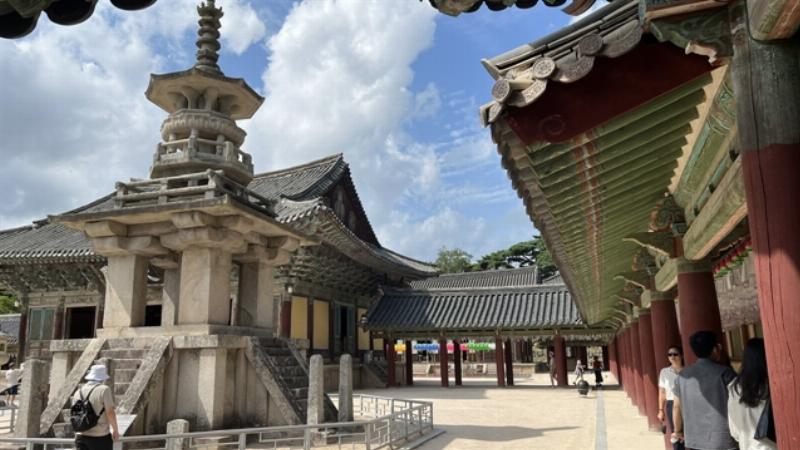
 Vibrant street scene in Vietnam showcasing modern prosperity alongside traditional culture
Understanding the Shifting Sands of Wealth
The definition of being “rich” in Vietnam is a dynamic tapestry, woven with economic growth, cultural values, and changing lifestyles. Historically, wealth might have been tied to land ownership and agricultural success. Today, it encompasses a broader spectrum, reflecting Vietnam’s rapid development and integration into the global economy. What constitutes affluence here is not just about a high income or luxurious possessions, but often about security, social standing, and the ability to provide for one’s family and community.
Where Does Wealth Manifest in Vietnam
Vietnam’s economic transformation has concentrated wealth in specific geographic areas and industries, creating hubs where the signs of affluence are more pronounced. However, the influence of wealth extends beyond these physical locations, shaping opportunities and aspirations across the nation.
Major Urban Centers Drive Prosperity
The most evident concentrations of wealth are found in Vietnam’s two largest cities: Ho Chi Minh City and Hanoi. These metropolises serve as the economic engines of the country, attracting significant foreign investment and fostering robust domestic businesses. Here, high-end residential complexes, luxury car dealerships, and designer boutiques are common sights, signaling a flourishing affluent class.
- Ho Chi Minh City: Often seen as the commercial heart, Ho Chi Minh City’s dynamic business environment, particularly in finance, technology, and real estate, fuels significant wealth creation. The city boasts the highest number of millionaires and billionaires in the country, with many residing in opulent villas and apartments in districts like District 2 (now Thu Duc City) and District 7.
- Hanoi: As the capital, Hanoi combines political power with economic prowess. Its wealth is often rooted in established businesses, state-owned enterprises, and a thriving private sector. The city’s affluent residents often value heritage and subtlety, with luxurious homes nestled in historic areas or emerging upscale neighborhoods.
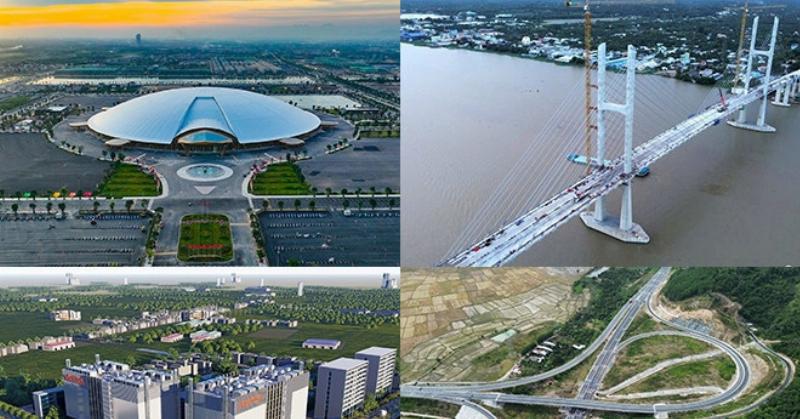
 High-rise buildings and modern infrastructure in a major Vietnamese city symbolizing economic prosperity
Coastal Cities and Industrial Zones Emerge
Beyond the two main hubs, several other regions are rapidly developing and contributing to Vietnam’s growing wealthy population. These areas often benefit from tourism, manufacturing, or specific industrial growth.
- Da Nang: This central coastal city has transformed into a major tourist destination and an attractive hub for international investment, particularly in hospitality and technology. Its beautiful beaches and modern infrastructure have drawn a new class of affluent residents and investors.
- Hai Phong & Binh Duong: These provinces are key industrial powerhouses, attracting significant manufacturing investments. The growth of industrial parks and related services has created numerous business opportunities and a burgeoning wealthy class among entrepreneurs and high-level executives.
Why Wealth Is Defined Beyond Material Possessions
While material wealth such as luxury homes, cars, and designer goods are visible indicators, the true definition of what is considered rich in Vietnam extends into less tangible, yet profoundly significant, aspects of life. These cultural and societal elements are deeply embedded in the Vietnamese psyche.
Education and Opportunities for the Next Generation
For many Vietnamese, true wealth is the ability to provide a superior education for their children, both domestically and internationally. Investing in education is seen as the ultimate long-term asset, ensuring future success and upward mobility. A family that can afford to send their children to prestigious universities abroad, or enroll them in top international schools within Vietnam, is undoubtedly considered affluent. This focus reflects a deep-seated cultural value of filial piety and intergenerational responsibility.
Health and Wellness as a Priority
With increasing prosperity, there’s a growing emphasis on health and wellness. Access to high-quality healthcare, including private hospitals and specialized treatments, is a significant marker of wealth. Beyond medical care, affluent Vietnamese often invest in premium health supplements, organic foods, and fitness programs, reflecting a holistic approach to well-being that ensures longevity and vitality.
Strong Social and Business Networks
In Vietnamese society, “quan hệ” (relationships or connections) holds immense importance. A strong network of influential friends, family, and business associates can be more valuable than immediate cash in hand. Those with extensive and powerful networks are often considered rich in social capital, which translates into opportunities, support, and influence in various aspects of life. This intangible wealth opens doors and facilitates success in ways that purely financial assets cannot.
Respect and Social Status
Wealth in Vietnam also brings respect and social status within the community. This isn’t just about admiration for material possessions, but often for the perceived wisdom, success, and ability to contribute to society. Successful business owners, influential leaders, and philanthropists gain considerable standing, solidifying their position as truly rich individuals. This respect often extends to their families, elevating their collective social standing.
When Did Vietnam’s Definition of Richness Evolve
The concept of wealth in Vietnam has undergone significant transformations, particularly since the Doi Moi (renovation) economic reforms initiated in 1986. These reforms opened Vietnam to market forces and international trade, catalyzing rapid economic growth and reshaping societal norms around prosperity.
Post-Doi Moi Economic Boom
The period following Doi Moi marked a pivotal shift. As the economy transitioned from a centrally planned system to a socialist-oriented market economy, new avenues for wealth creation emerged. Entrepreneurship flourished, foreign investment poured in, and the private sector boomed. This era saw the rise of a new class of wealthy individuals who capitalized on the burgeoning opportunities in real estate, manufacturing, and trade. The focus shifted from collective well-being to individual prosperity, albeit within a broader societal context.
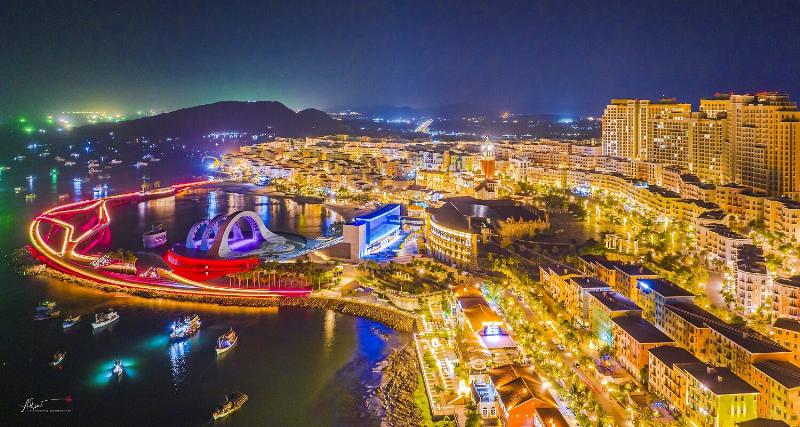
 Symbolic image representing Vietnam's rapid economic growth and development post-Doi Moi reforms
The Rise of the Middle and Affluent Classes
The 21st century has witnessed the rapid expansion of Vietnam’s middle and affluent classes. Economic growth, averaging around 6-7% annually for decades, has lifted millions out of poverty and created a substantial consumer base with increasing disposable income. This period has seen a dramatic increase in home ownership, car sales, and demand for luxury goods and services. The younger generation, often tech-savvy and globally connected, has different aspirations and definitions of success, further broadening the scope of what is considered rich in Vietnam.
How to Recognize What Is Considered Rich in Vietnam
Observing the signs of wealth in Vietnam can be nuanced, as prosperity is expressed through a blend of traditional values and modern consumption patterns. As you travel with Vietnam Adventure, you’ll notice various indicators, from the subtle to the overtly luxurious.
The Home and Lifestyle
One of the most significant indicators of wealth in Vietnam is the home. Affluent individuals often own large, multi-story houses in prime urban locations or sprawling villas in exclusive gated communities. These residences are typically well-maintained, featuring modern amenities, sophisticated interiors, and often, lush gardens.
- High-End Residences: Look for properties in exclusive districts, characterized by grand facades, security features, and often, multiple cars parked outside.
- Interior Design: Rich Vietnamese homes often feature imported furniture, expensive artwork, and state-of-the-art electronics, reflecting a taste for both comfort and sophistication.
- Domestic Help: Employing multiple domestic helpers, including drivers, cooks, and nannies, is a common luxury for affluent families, freeing up time for business and leisure.
Transportation and Luxury Goods
Luxury vehicles, especially foreign brands, are prominent symbols of wealth. High-end cars like Mercedes-Benz, BMW, Lexus, and even supercars are increasingly common sights in the major cities. Beyond cars, designer clothing, accessories, and watches from international brands also signify a certain level of affluence.
- Luxury Cars: The sight of a Rolls-Royce or Lamborghini, though still rare, points to the extreme top tier of wealth. More commonly, premium European or Japanese sedans and SUVs indicate significant financial success.
- Designer Fashion: High-end apparel and accessories, often purchased during international travel or from exclusive boutiques, denote a sophisticated and affluent lifestyle.
- Exotic Pets and Hobbies: Owning exotic pets, collecting rare art, or participating in exclusive golf club memberships are also leisure activities indicative of significant disposable income.
 A collection of luxury vehicles on a city street in Vietnam symbolizing affluence and high status
Financial Prudence and Investment
While outward displays of wealth are visible, many affluent Vietnamese also prioritize financial prudence and strategic investments. They are often keen investors in real estate, stocks, and various business ventures, aiming to grow their assets and secure their financial future. This balanced approach—enjoying present comforts while planning for long-term growth—is a hallmark of sustained wealth.
Frequently Asked Questions
How does income compare for the rich in Vietnam?
The income levels considered “rich” in Vietnam vary, but typically involve monthly earnings significantly higher than the national average. For instance, while the average national income might be a few hundred dollars, individuals earning several thousands or tens of thousands of dollars monthly are firmly in the affluent category, especially when combined with substantial assets.
Are there billionaires in Vietnam?
Yes, Vietnam has a growing number of billionaires, recognized by international publications like Forbes. Their wealth typically stems from major conglomerates with interests in real estate, retail, manufacturing, and technology, making them key figures in defining what is considered rich in Vietnam.
What role does family play in Vietnamese wealth?
Family plays a central role. Wealth is often accumulated and managed with the entire family’s well-being in mind, including extended relatives. Inherited wealth, family businesses, and intergenerational support are crucial aspects of how prosperity is built and sustained.
Is real estate a major indicator of wealth?
Absolutely. Owning multiple properties, especially in prime urban locations or luxurious developments, is a primary indicator of wealth. Real estate investments are seen as stable and lucrative, providing both income and a significant asset base for the rich in Vietnam.
How do the wealthy in Vietnam spend their leisure time?
The affluent in Vietnam enjoy a range of leisure activities. This includes international travel, luxury dining, golf, yachting, and exclusive club memberships. They also frequently invest in high-end entertainment systems and sophisticated hobbies within their homes.
What are some challenges faced by the wealthy in Vietnam?
Despite their prosperity, the wealthy in Vietnam can face challenges such as managing complex business interests, navigating regulatory changes, and dealing with social scrutiny. Ensuring sustained growth and succession planning for family businesses are also common concerns.
Do the rich contribute to philanthropy in Vietnam?
Many wealthy individuals and families in Vietnam are active in philanthropy, supporting educational initiatives, healthcare improvements, and poverty alleviation programs. This reflects a cultural value of giving back to society and reinforces their social standing.
How has technology influenced wealth accumulation in Vietnam?
Technology has been a significant driver of new wealth. The rise of e-commerce, digital services, and tech startups has created numerous opportunities for entrepreneurs and innovators to accumulate substantial wealth, fostering a new generation of affluent individuals.
Is displaying wealth common among the rich in Vietnam?
While some affluent individuals prefer subtle displays, overt demonstrations of wealth, such as luxury cars, designer items, and grand homes, are increasingly common, particularly among the younger generation, to reflect their success and status.
What is the future outlook for wealth in Vietnam?
Vietnam’s economy is projected to continue its strong growth trajectory. This sustained development, coupled with an expanding middle class and increasing global integration, suggests that the number of affluent individuals and the overall definition of what is considered rich in Vietnam will continue to evolve and expand.
A Journey into Vietnamese Prosperity
As we conclude our exploration of what is considered rich in Vietnam, it’s clear that wealth is a dynamic concept, stretching far beyond monetary figures. It’s a blend of economic success, cultural priorities like family and education, and social standing. From the gleaming skyscrapers of Ho Chi Minh City to the vibrant traditions upheld in lavish homes, the signs of prosperity are deeply interwoven into the nation’s fabric. This understanding enriches your travel experience, offering a nuanced perspective on the aspirations and realities of this incredible country. Let Vietnam Adventure be your guide to discovering these fascinating facets of Vietnamese life.