
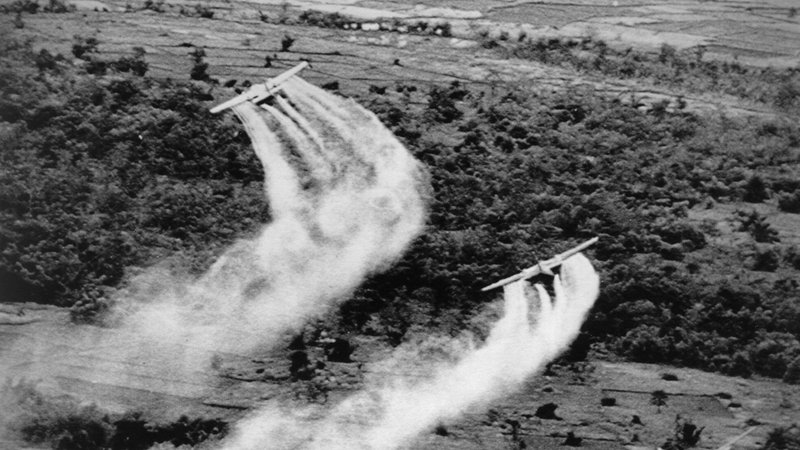
Embarking on a journey with Vietnam Adventure means delving into the rich tapestry of this nation, which includes understanding its profound history. A significant chapter in that history is learning how was Agent Orange used in Vietnam. Agent Orange was a potent herbicide and defoliant used by the U.S. military during the Vietnam War, primarily to strip away dense jungle foliage that provided cover for enemy forces and to destroy crops that sustained them.
Unveiling the “Operation Ranch Hand”
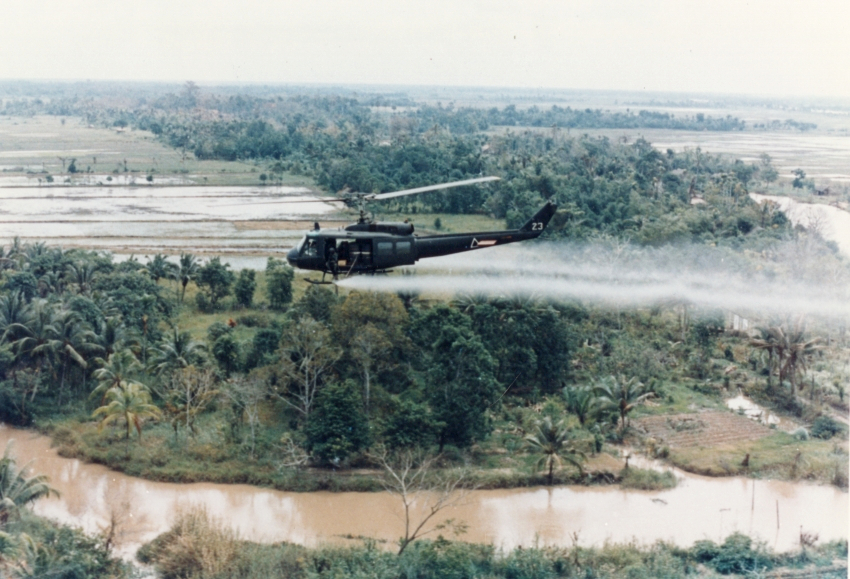
The story of how was Agent Orange used in Vietnam begins with Operation Ranch Hand, a military initiative that spanned from 1961 to 1971. The goal was to clear vast swathes of forest and vegetation, exposing the Viet Cong and North Vietnamese Army’s hiding places and supply routes, particularly along the Ho Chi Minh Trail. Imagine the dense, almost impenetrable jungle you might encounter in some of Vietnam’s national parks today – during the war, this natural cover was a tactical advantage for the guerrilla fighters. Agent Orange, named for the orange stripe on its storage drums, was one of several “Rainbow Herbicides” employed, but it was by far the most widely used and infamous due to its contamination with dioxin.
The Scale and Scope of Dissemination
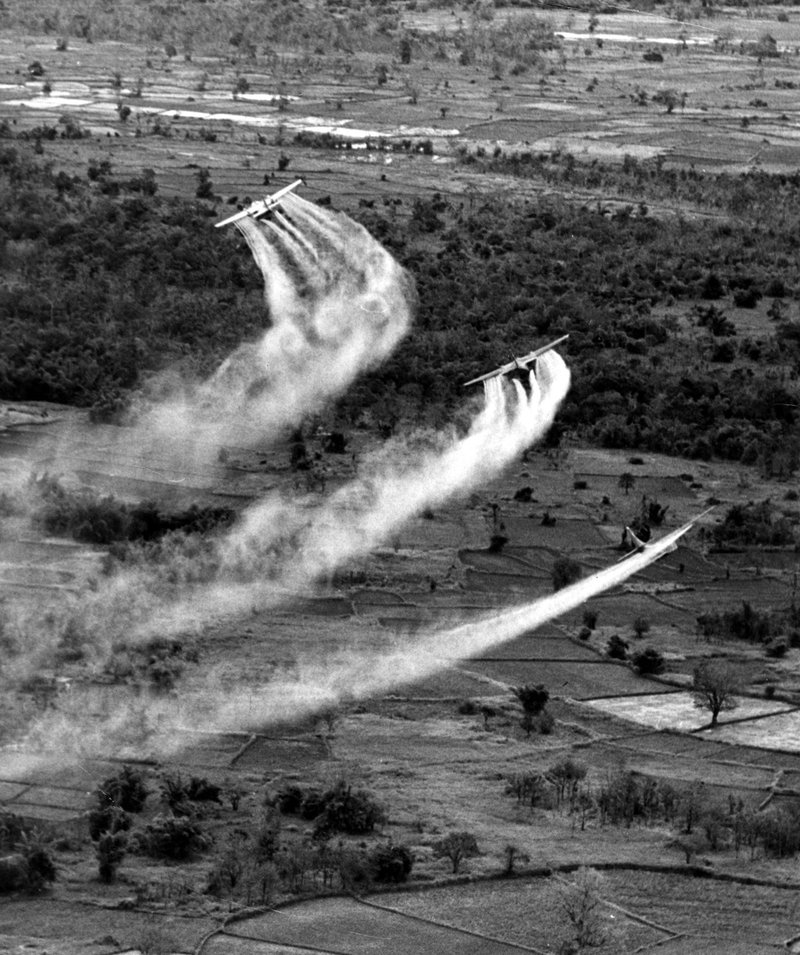
Understanding how much Agent Orange was sprayed in Vietnam paints a vivid picture of the sheer scale of this operation. Over a decade, approximately 11 to 12 million gallons of Agent Orange were sprayed across South Vietnam, alongside other herbicides. This wasn’t a localized effort; the spraying covered an estimated 10-20% of Vietnam’s dense jungles and agricultural lands. The impact was immediate and visible: once lush landscapes transformed into barren, defoliated zones within days. This tactic aimed to starve out enemy forces and deny them the natural camouflage that had proven so effective.
The spraying missions were often conducted by C-123 Provider aircraft, flying low over the targeted areas, releasing a fine mist of the defoliant. Ground troops also used handheld sprayers for more localized clearing. The areas primarily targeted were remote jungle regions, border areas, and agricultural fields suspected of supporting the opposition. The legacy of how was Agent Orange used in Vietnam continues to echo across these landscapes and in the lives of the people who call them home.
Where was Agent Orange Used in Vietnam? Understanding the Geographic Impact
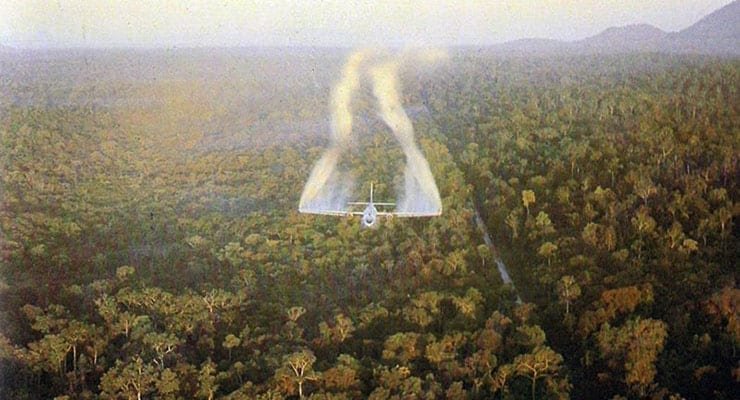
When we ask where was Agent Orange used in Vietnam, we are talking about a broad geographical footprint that stretched across many provinces of South Vietnam. While no region was entirely spared, certain areas bore the brunt of the spraying campaigns due to their strategic importance or high concentration of jungle cover.
- Along the Ho Chi Minh Trail: This intricate network of jungle paths and roads, stretching from North Vietnam through Laos and Cambodia into South Vietnam, was a primary target. Disrupting this supply line was crucial to the U.S. military strategy.
- Near U.S. Military Bases: Perimeters around U.S. and allied military bases were often cleared to prevent ambushes and improve visibility for defense. This meant areas around major airfields like Bien Hoa and Da Nang were heavily affected.
- Mekong Delta: The fertile rice paddies of the Mekong Delta were sprayed to destroy crops, aiming to deny food supplies to Viet Cong forces. This had a devastating impact on local agricultural communities.
- Coastal Areas and Forests: Many coastal mangrove forests and inland forests were also targeted for defoliation, particularly in provinces like Quang Tri and Thua Thien Hue, which saw intense fighting.
Today, remnants of this history can be found in certain “hotspots” where dioxin concentrations remain elevated, even decades later. Efforts are underway, with international cooperation, to remediate these contaminated sites and mitigate the ongoing health and environmental impacts. This brings us to a crucial question for visitors: is Agent Orange still in Vietnam and is Agent Orange still present in Vietnam?
Is Agent Orange Still Present in Vietnam? The Lingering Echoes
The direct spraying of Agent Orange ceased in 1971. However, the toxic chemical, specifically the dioxin TCDD, is highly persistent. So, the answer to is Agent Orange still in Vietnam and is Agent Orange still present in Vietnam is, unfortunately, yes. While the herbicide itself has long since broken down, the dioxin contaminant has a very long half-life in soil and sediment. This means that in certain areas, particularly former military bases and heavily sprayed hotspots, dioxin can still be found in the soil, rivers, and food chain.
The Vietnamese government and international partners have identified and are working to clean up these dioxin hotspots. Bien Hoa Airbase, for example, is one of the most contaminated sites and a significant remediation project is underway there. These efforts are crucial to reducing the ongoing health risks to the local population.
Understanding the Impact for Mindful Travel
As you explore Vietnam, it’s natural to wonder about these historical impacts. While the general tourist routes are safe, being aware of this history allows for a more profound appreciation of the country’s resilience. The Vietnamese people have faced immense challenges, and their spirit, culture, and forward-looking attitude are truly inspiring. When you visit war museums or historical sites, you’ll gain deeper insight into these complex issues.
Legacy and Remembrance: Respectful Exploration
When exploring the historical landscapes of Vietnam, especially sites related to the war, it’s important to do so with a sense of empathy and respect. The legacy of how was Agent Orange used in Vietnam is not just a historical fact; it’s a living reality for many Vietnamese families who continue to grapple with its long-term health consequences.
Supporting the Future
Many organizations, both local and international, are dedicated to assisting victims of Agent Orange and mitigating its environmental impact. Travelers who wish to make a meaningful difference can seek out reputable NGOs working in this field. Engaging with local communities, learning their stories, and contributing to responsible tourism practices are ways to honor the past and support a brighter future for Vietnam.
| Aspect | Details of Impact |
|---|---|
| Environmental Degradation | Widespread deforestation, soil erosion, loss of biodiversity, and contamination of water sources in affected areas. |
| Human Health Issues | Birth defects, cancers, neurological disorders, and other illnesses in generations exposed to dioxin, both Vietnamese and American veterans. |
| Socio-Economic Challenges | Displacement of communities, loss of agricultural land, ongoing healthcare burdens, and poverty in dioxin-affected regions. |
| Remediation Efforts | Ongoing international and Vietnamese efforts to clean up dioxin hotspots and provide support to affected individuals. |
Frequently Asked Questions
What exactly was Agent Orange?
Agent Orange was a powerful herbicide and defoliant, one of the “Rainbow Herbicides,” used by the U.S. military during the Vietnam War. Its primary active ingredients were 2,4-D and 2,4,5-T, but it was notoriously contaminated with a highly toxic byproduct called 2,3,7,8-tetrachlorodibenzo-p-dioxin (TCDD), commonly known as dioxin.
Why was Agent Orange used during the Vietnam War?
It was used as part of Operation Ranch Hand to clear dense jungle foliage that provided cover for Viet Cong and North Vietnamese forces, expose their supply routes (like the Ho Chi Minh Trail), and destroy enemy food crops. The aim was to reduce the enemy’s ability to wage guerrilla warfare.
How much Agent Orange was sprayed in Vietnam?
Approximately 11 to 12 million gallons of Agent Orange were sprayed across South Vietnam from 1961 to 1971, impacting an estimated 10-20% of Vietnam’s jungles and agricultural land.
Is Agent Orange still present in Vietnam today?
Yes, the dioxin contaminant within Agent Orange is highly persistent and has a very long half-life. While the herbicide itself is gone, dioxin can still be found in certain “hotspots,” particularly former military bases, and in the soil, sediment, and food chain of those areas. Remediation efforts are ongoing.
What were the long-term effects of Agent Orange?
The long-term effects are severe and continue to be felt. They include widespread environmental damage, such as deforestation and soil erosion, and serious human health issues. These health issues range from various cancers, neurological disorders, and skin conditions to severe birth defects in children of exposed individuals, affecting both Vietnamese citizens and American veterans.
Where were the main areas in Vietnam affected by Agent Orange?
Agent Orange was extensively used across many parts of South Vietnam. Key areas included sections of the Ho Chi Minh Trail, perimeters around major U.S. military bases (like Bien Hoa and Da Nang), agricultural regions in the Mekong Delta, and dense forests and coastal mangroves in provinces like Quang Tri and Thua Thien Hue.
A Shared Understanding
Understanding how was Agent Orange used in Vietnam is an essential part of appreciating the resilience and spirit of the Vietnamese people. It’s a somber chapter, yet one that speaks to the profound impact of conflict and the ongoing efforts towards healing and renewal. By engaging with this history mindfully, we deepen our connection to this incredible country and its journey. Join Vietnam Adventure to explore Vietnam’s vibrant present while respectfully acknowledging its complex past.