
Xin chào, fellow adventurer! Here at Vietnam Adventure, we believe every journey should be filled with authentic connections and delightful discoveries. When you find yourself captivated by the vibrant markets and charming street vendors of Vietnam, mastering the art of the friendly negotiation is key. So, how to bargain in Vietnam effectively? Approach bargaining with a smile, a clear idea of what you are willing to pay, and a respectful attitude, aiming for a price that feels fair to both parties.
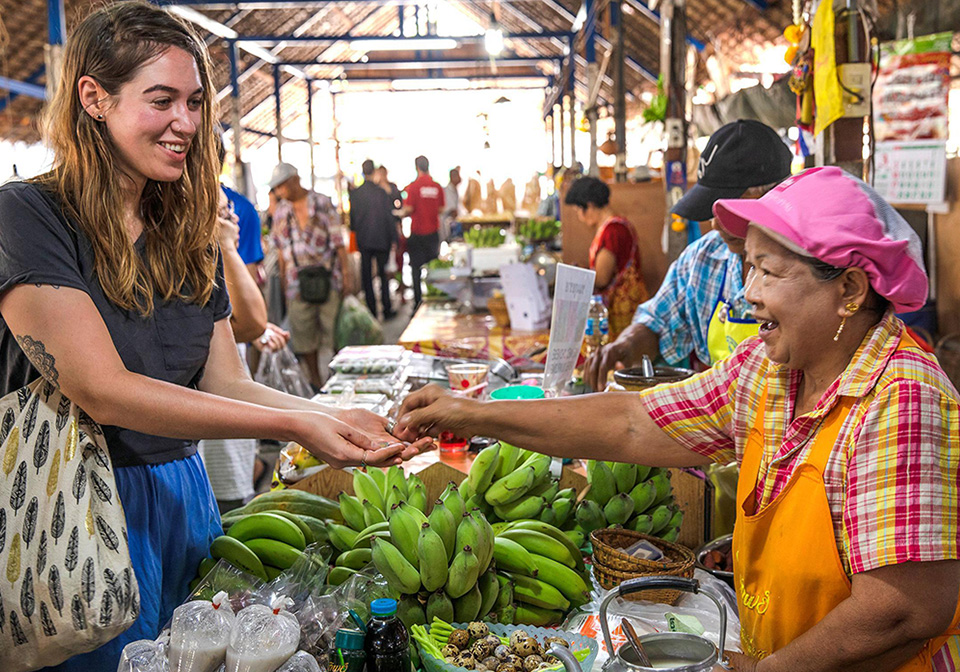
Embracing the Dance of the Dong: Your Guide to Bargaining in Vietnam
Vietnam’s markets are a symphony of sights, sounds, and enticing aromas. From the bustling Ben Thanh Market in Ho Chi Minh City to the charming night markets of Hoi An, every corner offers treasures waiting to be discovered. But before you dive in, let’s explore the wonderful tradition of how to bargain in Vietnam, turning a transaction into a memorable cultural exchange.
Understanding the Vietnamese Market Culture
Bargaining is not just about getting a good deal; it’s an integral part of Vietnamese shopping culture, especially in local markets. Vendors often quote a higher initial price, expecting you to negotiate. It’s a playful dance, a sign of respect for the process, and an opportunity to connect with locals. Don’t view it as a confrontation, but rather as an engaging interaction.
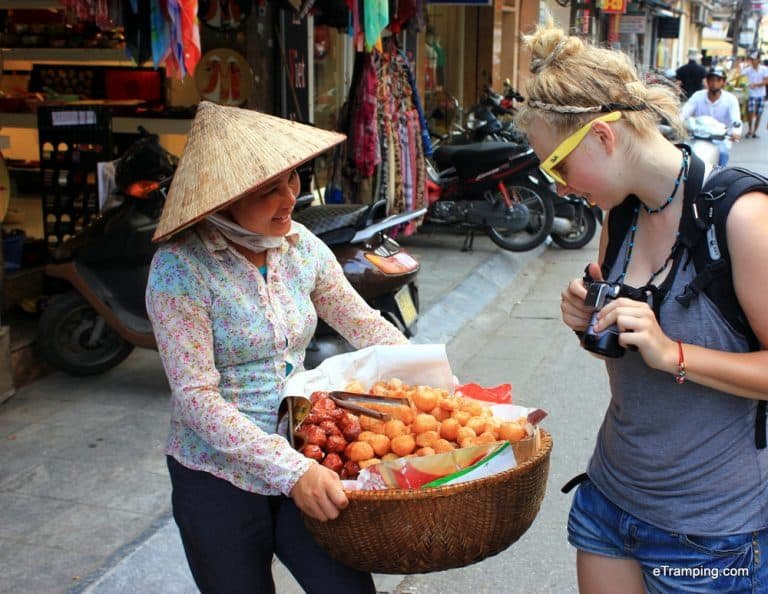
Setting the Stage: Preparation is Key
Before you even utter a word, a little preparation goes a long way. This isn’t just about saving money; it’s about being a savvy and respectful traveler. Knowing a few key phrases in Vietnamese can also open doors and smiles, showing your genuine interest in their culture.
- Know your worth: Research typical prices for similar items online or by observing local transactions. This gives you a baseline for negotiation.
- Start low, but not offensively low: A good starting point is usually 30-50% of the initial asking price. Be reasonable; aim for a price you genuinely believe is fair for the item.
- Have small denominations: Many vendors prefer exact change. Large bills can sometimes make the bargaining process trickier.
- Walk away: This is a powerful bargaining tool. If a vendor isn’t budging, politely thank them and begin to walk away. Often, they will call you back with a better offer.
The Art of the Exchange: Tips for a Successful Bargain
Now, let’s get into the heart of how to bargain in Vietnam. Remember, the goal is a win-win, where both you and the vendor feel satisfied. It’s less about ruthless negotiation and more about friendly persuasion.
A Friendly Demeanor Goes a Long Way
Always approach vendors with a smile and a polite greeting. A “Xin chào” (hello) and a genuine smile can instantly create a warmer atmosphere. Even if you’re trying to get a lower price, maintaining a friendly disposition is crucial. Shouting or showing frustration will not help your cause and can be seen as disrespectful.
Observe and Learn
Before making your move, take a moment to observe how locals interact with vendors. You’ll notice the subtle cues, the good-natured banter, and the ebb and flow of a typical transaction. This observation can offer valuable insights into the rhythm of the market.
The Power of the Pause
Once you’ve made your counter-offer, don’t rush. Allow a moment of silence. This gives the vendor time to consider your offer and often prompts them to lower their price. Patience is a virtue in Vietnamese markets.

Group Purchases and Multiple Items
If you’re buying several items from the same vendor, or if you’re traveling with friends and buying similar items, you have more leverage. Bundling purchases often makes vendors more willing to offer a discount. This is a great strategy for how to barter in Vietnam when stocking up on souvenirs.
When to Hold Firm and When to Concede
It’s important to know when to stick to your desired price and when to be flexible. If the price difference is minimal and you really love the item, it might be worth paying a little extra. Remember the value of the item in your home currency; often, even at a slightly higher price, it’s still a great deal by Western standards. However, if the price feels significantly inflated, politely decline and move on. Another vendor might have the same item for a more reasonable price. This applies to how to haggle in Vietnam for everything from street food to tailor-made clothing.
Beyond the Price: Building Connections
Ultimately, bargaining in Vietnam is about more than just the final price. It’s about connecting with the local culture, understanding their way of life, and embracing the joy of discovery. Each successful negotiation is a small victory, not just for your wallet, but for your cultural immersion.
Respect Local Customs
Remember that for many vendors, this is their livelihood. While bargaining is expected, there’s a fine line between a fair negotiation and trying to exploit someone. Aim for a price that feels mutually respectful. If a vendor seems genuinely distressed by your offer, it might be too low. Also, avoid bargaining in fixed-price stores or restaurants, as it’s generally not customary.
Essential Phrases for Friendly Negotiation
A few Vietnamese phrases can significantly enhance your bargaining experience and show your respect for the local culture. They demonstrate effort and often elicit a warmer response.
| English Phrase | Vietnamese Phrase | Pronunciation (approximate) |
|---|---|---|
| Hello | Xin chào | Sin chow |
| How much? | Bao nhiêu tiền? | Bow nyoo teen |
| Too expensive! | Mắc quá! | Mack kwa! |
| Can you reduce the price? | Giảm giá được không? | Zam za durr kong? |
| Thank you | Cảm ơn | Gam un |
| Goodbye | Tạm biệt | Tam byet |
Using these simple phrases, along with a warm smile, will make your experience of how to bargain in Vietnam much more enjoyable and successful.
Etiquette for Mindful Transactions
Beyond just the price, there are a few unwritten rules that can make your market interactions more pleasant and respectful:
- Be patient: Markets can be chaotic, and vendors might be busy. Wait your turn patiently.
- Don’t touch unless you intend to buy: While browsing is encouraged, repeatedly handling items without serious interest can be seen as disrespectful, especially with food or delicate goods.
- Know when to stop: Once a price is agreed upon, honor it. Don’t try to further reduce it after the handshake.
- Acknowledge the effort: Even if you don’t buy, a polite “Cảm ơn” (thank you) before leaving is always appreciated.
- Consider the context: In rural areas, bargaining might be less aggressive or even non-existent, especially for everyday necessities where prices are more standardized.

Frequently Asked Questions
Is bargaining always expected in Vietnam?
Bargaining is generally expected in markets, street stalls, and with independent vendors, especially for souvenirs, clothing, and handcrafted items. However, in modern supermarkets, department stores, and established restaurants, prices are usually fixed. Look for price tags; if they’re present, bargaining is unlikely. If not, it’s probably fair game to try your hand at how to barter in Vietnam.
What if I’m not good at bargaining?
Don’t worry! Start small and practice. Even if you only manage to get a small discount, it’s a win. The experience itself is valuable. Remember, a friendly attitude and a smile are your best tools. You’ll quickly get the hang of how to haggle in Vietnam with a bit of practice.
Should I bargain for food?
Generally, no. Food prices at street stalls and local eateries are usually set and very affordable. Bargaining for food is not customary and can be seen as disrespectful. Enjoy the incredibly delicious and inexpensive local cuisine as it is!
What currency should I use when bargaining?
Vietnamese Dong (VND) is the local currency and should always be used for transactions, especially when bargaining. While some tourist-oriented places might accept US dollars, you’ll almost always get a better rate and show more respect by using VND.
Are there situations where I shouldn’t bargain?
Yes. Avoid bargaining in places with clearly marked fixed prices, like most modern shops, cafes, and transportation services (unless it’s a private taxi where a price agreement is often made upfront). It’s also generally not appropriate to bargain in more upscale boutiques or art galleries.
The Art of the Deal: Your Vietnam Adventure Awaits
Mastering how to bargain in Vietnam is more than just securing a good price; it’s about engaging with the vibrant pulse of Vietnamese life. It’s a skill that will enrich your travels, foster connections, and leave you with stories to tell. So, step into the markets with an open heart, a ready smile, and these tips in your pocket. Your next amazing find, and a friendly cultural exchange, await!
Ready to embark on an unforgettable journey through Vietnam? Let Vietnam Adventure guide you to the heart of this incredible country.