
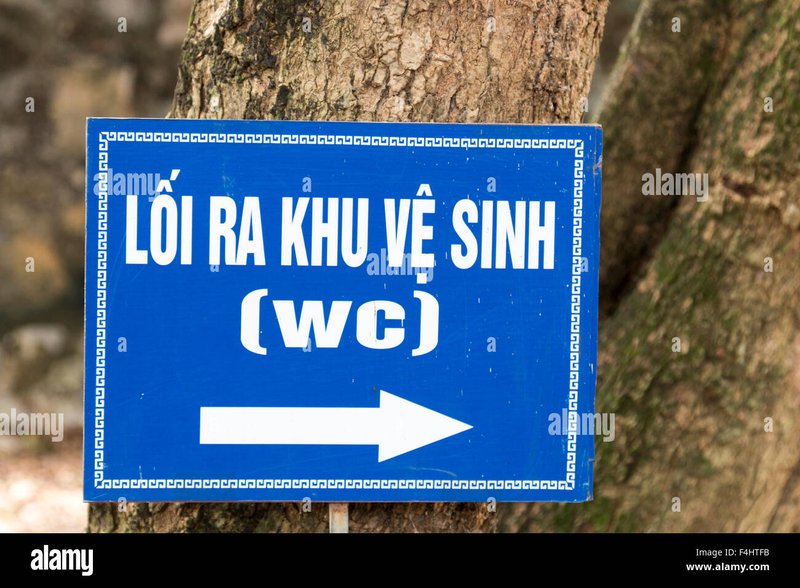
Embarking on a journey through the captivating landscapes and vibrant culture of Vietnam with Vietnam Adventure often brings delightful surprises, but sometimes, the simple things can spark a moment of curiosity. If you are wondering what does wc mean in Vietnam, the direct and concise answer is that WC stands for Water Closet, and it is the universally recognized abbreviation for a toilet or restroom.
Navigating Restrooms in Vietnam: Beyond the WC Sign
Now that we’ve unravelled what does wc mean in vietnam, let’s delve deeper into what you can expect when nature calls during your travels. Understanding the nuances of restrooms, or “nhà vệ sinh” as they are known in Vietnamese, will ensure your journey through this beautiful country remains comfortable and hassle-free. From bustling city centers to serene rural villages, the availability and style of facilities can vary, adding to the authentic tapestry of your adventure.
The Ubiquity of WC Signs
You’ll find the letters “WC” prominently displayed across Vietnam, from modern shopping malls in Ho Chi Minh City to quaint guesthouses in Hoi An. This widespread use means you rarely have to struggle with language barriers when seeking a restroom. It’s a comforting symbol of international understanding, even in the heart of a distinctly Vietnamese experience.
However, while the sign is consistent, the actual facilities behind it can offer a range of experiences. Think of it as part of the unfolding adventure, a small peek into the diverse infrastructure of a rapidly developing nation.

Varieties of Toilets: Squatting vs. Western Style
When considering what is wc in Vietnam, it’s important to be prepared for both squat toilets and Western-style seated toilets. In more modern establishments like hotels, upscale restaurants, and newer airports, you’re likely to encounter Western-style facilities. These will feel very familiar and offer a sense of home comfort.
On the other hand, in older buildings, local eateries, markets, and rural areas, squat toilets are still quite common. These are essentially porcelain pans set into the floor. While they might seem daunting at first, many locals and health advocates consider them more hygienic and natural. A small pipe or bucket of water with a scoop is usually provided for flushing and personal hygiene.
- Western-Style Toilets: Found in tourist-centric areas, hotels, and modern commercial spaces. Often come with toilet paper.
- Squat Toilets: Prevalent in local markets, older establishments, and rural regions. Typically feature a bucket and scoop or a bidet sprayer for washing.
Paper or Bidet? Understanding Hygiene Practices
One of the most significant differences when asking what does wc mean in Vietnam in practice relates to toilet paper. While Western-style toilets in tourist areas often provide toilet paper, it’s not always a given, especially in local establishments or with squat toilets. Instead, many Vietnamese prefer and utilize a bidet sprayer (often called a “hand bidet” or “bum gun”) or a small scoop of water from a bucket for personal cleaning. This is a common and effective method of hygiene throughout Southeast Asia.
It’s a thoughtful idea to always carry a small pack of tissues or a roll of toilet paper with you, just in case. You’ll also notice small waste bins next to the toilet. This isn’t just for general trash; in many places, especially with older plumbing systems, it’s customary to dispose of used toilet paper in the bin rather than flushing it, to prevent blockages. Look for signs, but when in doubt, use the bin.

Essential Restroom Etiquette in Vietnam
Understanding the practicalities of what does wc mean in Vietnam extends beyond just finding the sign. Adhering to local customs around restroom use shows respect and ensures a smoother experience for everyone. Embrace these small cultural insights as part of your enriching journey.
- Always carry tissues: As mentioned, toilet paper isn’t always available. Be prepared!
- Use the waste bin for paper: To protect plumbing, dispose of used toilet paper in the provided bin, not the toilet itself.
- Hand soap and dryers: These can be hit or miss, even in places with WC signs. Consider carrying a small hand sanitizer for peace of mind.
- Keep small change handy: In some public restrooms, especially at markets or bus stations, there might be a small fee for entry or for toilet paper. This is usually a nominal amount.
- Maintain cleanliness: Leave the restroom as you would wish to find it. This is a universal courtesy, but especially appreciated in facilities that might see a lot of foot traffic.
Where to Find Public WC Facilities
Your journey with Vietnam Adventure will take you through diverse settings, and knowing where to locate a restroom will be incredibly helpful. Whether you’re exploring ancient temples or bustling markets, a quick pit stop might be necessary.
Common Locations for Restrooms:
| Location Type | Description | Likely Style |
|---|---|---|
| Restaurants & Cafes | Most establishments, from casual eateries to fine dining, will have restrooms for customers. | Mix of Western and Squat |
| Shopping Malls | Modern, clean facilities are standard in larger shopping centers. | Mostly Western |
| Hotels & Guesthouses | Your accommodation will always have suitable facilities. Even small guesthouses often have communal options. | Mostly Western |
| Museums & Tourist Attractions | These sites are typically equipped with visitor restrooms, though quality can vary. | Mix of Western and Squat |
| Gas Stations | Along major roads, gas stations usually offer basic facilities. | Often Squat, can be basic |
| Public Parks | Some larger parks in cities may have public restrooms, but they can be simple. | Often Squat |
| Markets | Expect very basic facilities, often squat toilets, sometimes with a small fee. | Mostly Squat |
Don’t hesitate to ask “WC ở đâu?” (pronounced “way-say uh dow?”) which means “Where is the WC?” or “Nhà vệ sinh ở đâu?” (pronounced “nyaa veh sin uh dow?”) for “Where is the toilet?”. Locals are generally very helpful and will happily point you in the right direction.

Frequently Asked Questions about WC in Vietnam
Is WC the only term used for toilet in Vietnam?
While WC is widely understood and commonly seen on signs, especially in tourist areas and public spaces, the Vietnamese term for toilet is “nhà vệ sinh” (pronounced “nyaa veh sin”). You might also hear “phòng vệ sinh” (room for hygiene) or even “toilet” in English in more modern or international settings.
Do all toilets in Vietnam have flush systems?
Most modern Western-style toilets in Vietnam will have a traditional flush system. However, for squat toilets, particularly in rural areas or older establishments, you might find a bucket and scoop, or a bidet sprayer, used for flushing and cleansing. Always check the facility before assuming a standard flush.
Should I expect to pay to use a public toilet?
In some public places like markets, bus stations, or rest stops along highways, there might be a small fee (typically 2,000-5,000 VND) to use the restroom. This contribution often goes towards the upkeep and cleaning of the facilities. It’s always a good idea to carry small denominations of Vietnamese Dong for such instances.
Is it common to find clean public restrooms in Vietnam?
The cleanliness of restrooms in Vietnam can vary greatly depending on the location. Restrooms in upscale hotels, modern shopping malls, and well-maintained tourist attractions are generally very clean. Facilities in local markets, bus stations, or some rural areas might be more basic and less pristine. Being prepared with tissues and hand sanitizer is a smart approach.
What if I only find a squat toilet and am not comfortable using it?
While many establishments now offer Western-style toilets, squat toilets are still common. If you encounter one and are uncomfortable, your best bet is to find a more modern cafe, restaurant, or hotel nearby that is likely to have Western facilities. However, trying a squat toilet can also be part of the adventure and a minor cultural immersion!
Conclusion: Your Comfort on a Vietnamese Journey
Understanding what does wc mean in Vietnam is a small yet significant detail that enhances your travel comfort and confidence. It’s a simple abbreviation that unlocks access to an essential need, allowing you to fully immerse yourself in the wonders of this incredible country. From the bustling streets of Hanoi to the tranquil rice paddies, knowing you can easily find a restroom, and what to expect when you do, frees you to explore with greater peace of mind. As you plan your unforgettable adventure, remember that WC stands for Water Closet, and it points the way to a toilet. For more insights and to craft your perfect journey through Vietnam, connect with Vietnam Adventure.