

Xin chào, fellow adventurers! As you embark on a culinary journey through the vibrant landscapes of Vietnam, a question often blossoms in the minds of many travelers: is it safe to eat raw vegetables in Vietnam? The direct and reassuring answer from Vietnam Adventure is: Yes, with mindful precautions, it is generally safe to enjoy raw vegetables in Vietnam. This enchanting country offers an abundance of fresh, crisp produce that is an integral part of its delicious cuisine, from the aromatic herbs nestled in a steaming bowl of pho to the vibrant greens in a fresh spring roll.

Embracing the Verdant Bounty of Vietnamese Cuisine
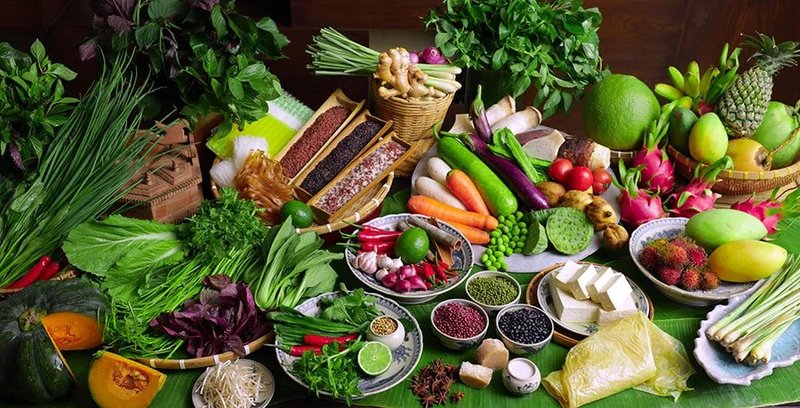
Imagine wandering through bustling markets, the air thick with the scent of fresh herbs, vibrant greens piled high, and the chatter of vendors offering their daily harvest. Raw vegetables are not just an accompaniment in Vietnam; they are a celebration of freshness, texture, and flavor. They cleanse the palate, add crunch, and enhance the intricate balance that Vietnamese cuisine is famous for. From the fragrant perilla leaves in a Bún Chả to the crisp lettuce wrapping a nem lụi, these greens are essential to the authentic dining experience.
The Art of Preparing Raw Vegetables in Vietnam
Vietnamese culinary traditions place a high emphasis on freshness and proper preparation. Many local eateries and households meticulously wash their raw vegetables, often soaking them in salted water or a diluted vinegar solution to ensure cleanliness. This age-old practice is a testament to the local understanding of food safety and hygiene. When you see a local skillfully washing handfuls of herbs, you’re witnessing a ritual passed down through generations, aimed at making these ingredients safe and delightful for consumption.
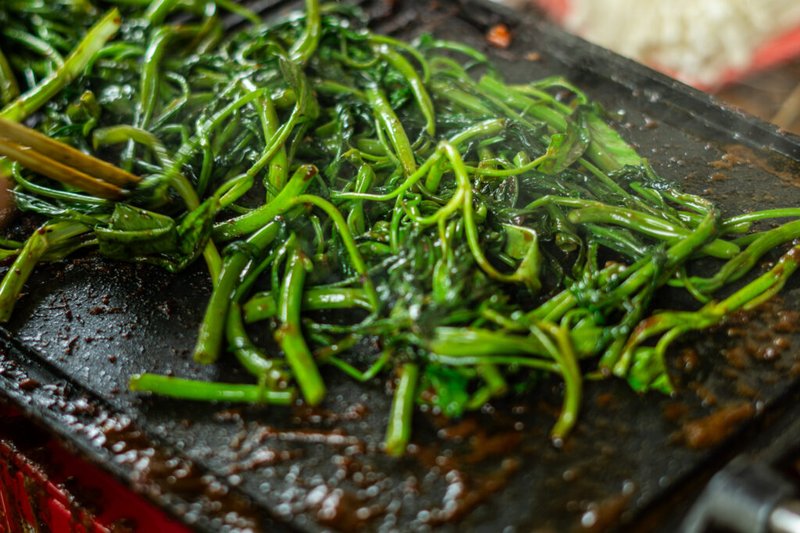
Navigating Your Culinary Adventure with Confidence
While the prospect of enjoying fresh, uncooked greens is enticing, understanding how to make the safest choices will enhance your culinary journey. It’s all about being a savvy traveler and knowing what to look for.
Choosing Reputable Eateries and Street Food Stalls
One of the best ways to ensure a safe raw vegetable experience is to dine at places frequented by locals and those with high turnover. These establishments typically have fresh ingredients that are quickly consumed. Observe the cleanliness of the stall or restaurant; a tidy environment often indicates good hygiene practices overall. Look for vendors who are actively washing their produce, and where the raw vegetables appear vibrant, crisp, and free from wilting or discoloration. If a place seems popular and busy, it’s usually a good sign.
Here’s a quick guide to help you choose:
- Busy Stalls: High customer traffic means ingredients are fresh and rotated quickly.
- Visible Hygiene: Observe the cleanliness of the vendor, utensils, and serving area.
- Fresh Appearance: Vegetables should look lively, firm, and free from blemishes.
- Established Businesses: Restaurants with a good reputation are more likely to adhere to food safety standards.
Personal Precautions for Enjoying Raw Greens
Even in the most reputable places, a few personal precautions can add an extra layer of comfort. Always wash your hands thoroughly before eating. If you are particularly sensitive or have a compromised immune system, you might opt for cooked vegetables more often, especially during the initial days of your trip as your body adjusts to new environments. However, for most travelers, exercising good judgment and following these simple guidelines will allow you to savor the rich flavors of Vietnam’s fresh produce. The question of is it safe to eat salad in Vietnam, for instance, often boils down to the same principles: choose wisely and observe carefully.
Understanding Local Water Sources and Washing Practices
When considering is it safe to eat raw vegetables in Vietnam, the source of water used for washing is a crucial factor. Most reputable food establishments and homes use filtered or boiled water for washing produce, especially that which will be consumed raw. Tap water in Vietnam is generally not considered safe for drinking directly, but many places have systems in place for preparing food. If you are concerned, you can always politely ask the vendor or restaurant staff about their washing practices.
| Practice | Recommendation | Why it matters |
|---|---|---|
| Washing Hands | Always before eating. | Prevents transfer of germs. |
| Observing Washing | Look for visible cleaning of produce. | Indicates attention to hygiene. |
| Drinking Water | Stick to bottled or filtered water. | Tap water is generally not potable. |
| Street Food Vetting | Choose busy, well-regarded stalls. | High turnover means fresh ingredients. |
A Deeper Dive into Vietnamese Raw Vegetable Delights
The variety of raw vegetables and herbs in Vietnam is truly astounding, each contributing its unique profile to the country’s diverse dishes. From the peppery bite of rau răm (Vietnamese coriander) to the refreshing coolness of mint, and the earthy notes of tía tô (perilla leaf), these ingredients are far more than mere garnishes. They are integral components that define the essence of Vietnamese cuisine. Experiencing these fresh flavors is a highlight of any trip.
Popular Dishes Featuring Raw Vegetables
- Gỏi Cuốn (Fresh Spring Rolls): These translucent rolls are packed with fresh herbs, lettuce, rice vermicelli, and often shrimp or pork, served with a delicious dipping sauce.
- Bún Chả: Grilled pork patties and slices of pork belly are served with a plate overflowing with fresh herbs, lettuce, and rice vermicelli, all dipped into a sweet and sour broth.
- Phở: While primarily a noodle soup, pho is almost always accompanied by a side plate of fresh herbs like basil, cilantro, and bean sprouts, to be added to taste.
- Bánh Xèo (Sizzling Crepe): This savory, crispy pancake is traditionally wrapped in large lettuce leaves with various fresh herbs before being dipped in nước chấm.
These dishes are a testament to how vital raw vegetables are to the Vietnamese palate, offering a delightful interplay of textures and temperatures. So, when you ask, is it safe to eat raw vegetables in Vietnam, remember the joy and authenticity these greens bring to the table.
Frequently Asked Questions
Is it safe to eat salad in Vietnam?
Eating salad in Vietnam can be safe, provided you choose reputable establishments that adhere to good hygiene practices. Look for salads where the greens appear fresh and vibrant, and the eatery is busy with local customers. It’s also wise to check if the ingredients seem to have been recently prepared.
What precautions should I take when eating street food with raw vegetables?
When enjoying street food, especially dishes with raw vegetables, look for stalls that are popular and have a high turnover of food. Observe the vendor’s hygiene, including how they handle ingredients and if their utensils are clean. Opt for freshly prepared items rather than those that have been sitting out for a long time.
Should I avoid all raw vegetables during my trip to Vietnam?
Not necessarily. While some travelers with very sensitive stomachs might prefer to stick to cooked foods, avoiding all raw vegetables means missing out on a significant part of authentic Vietnamese cuisine. By following the advice regarding choosing clean, busy establishments and practicing good personal hygiene, most travelers can safely enjoy Vietnam’s fresh produce.
Is it safe to drink tap water in Vietnam?
No, tap water in Vietnam is generally not considered safe for drinking. It is always recommended to drink bottled water, or water that has been boiled or properly filtered. This also applies to ice, which should ideally be made from filtered water.
How can I tell if a restaurant or food stall is hygienic?
Look for signs of overall cleanliness: clean surfaces, tidy preparation areas, and vendors who appear to handle food hygienically. High customer traffic, especially locals, is often a good indicator of quality and safety. Transparent operations where you can see the food being prepared can also instill confidence.
Conclusion
Embarking on a journey through Vietnam is an adventure for all the senses, and its incredible food scene is undoubtedly a major highlight. While the question of is it safe to eat raw vegetables in Vietnam is valid, with a little awareness and adherence to simple guidelines, you can confidently indulge in the fresh, vibrant, and utterly delicious raw produce that is so central to Vietnamese culinary identity. Don’t let fear keep you from experiencing the full spectrum of flavors this beautiful country has to offer. Trust your instincts, choose wisely, and prepare to be enchanted by every crisp bite. For more insights and to plan your unforgettable journey, connect with Vietnam Adventure.