

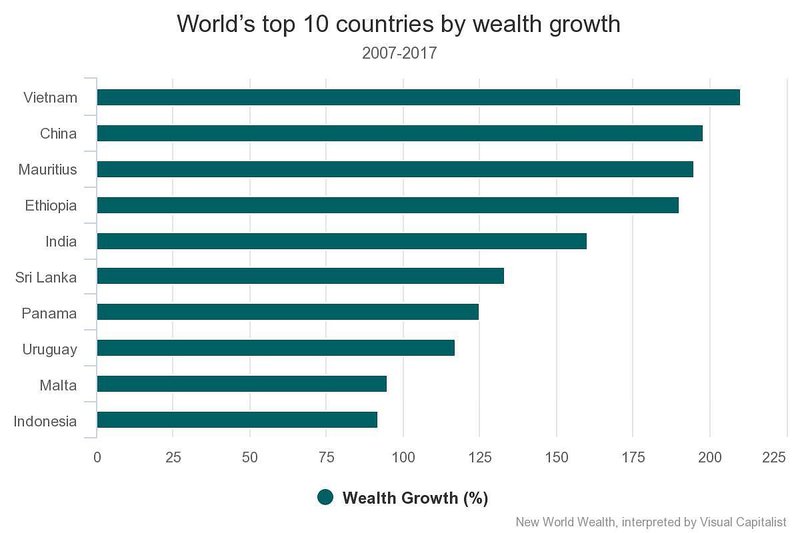
Welcome, fellow explorers! As your friendly companion from Vietnam Adventure, I am thrilled to embark on a journey with you to uncover how rich is Vietnam. This fascinating nation, with its vibrant history and dynamic spirit, presents a truly unique economic narrative. So, let us dive right into the heart of the matter: Vietnam is a rapidly developing lower-middle-income country with an impressive trajectory towards becoming an upper-middle-income nation in the near future. Its story is one of remarkable resilience and growth, where ancient traditions blend seamlessly with a burgeoning modern economy, offering a tapestry of experiences for the mindful traveler.
Unveiling Vietnam’s Economic Tapestry
To truly understand how rich is Vietnam, we must look beyond mere numbers and appreciate the profound transformations it has undergone. From the bustling energy of Ho Chi Minh City to the serene rice paddies of the Mekong Delta, the nation’s economic pulse beats with a rhythm of innovation and industriousness.
A History of Resilience and Reform
Vietnam’s economic journey is deeply intertwined with its history. The nation has faced immense challenges, from centuries of foreign occupation to devastating wars. However, it is precisely this resilience that has forged its remarkable path to economic prosperity. The Doi Moi reforms, initiated in 1986, were a pivotal moment, shifting the country from a centrally planned economy to a socialist-oriented market economy. This bold step unleashed the entrepreneurial spirit of the Vietnamese people, paving the way for sustained growth and development.
The Pillars of Prosperity: Key Economic Sectors
So, what fuels this remarkable growth? Vietnam’s economy is a diverse and robust one, with several key sectors driving its ascent:
- Agriculture: Though its share of GDP is decreasing, agriculture remains vital, particularly in rice, coffee, and seafood production. Traveling through the verdant landscapes, you’ll witness firsthand the meticulous care given to these fields, a testament to the nation’s agricultural heritage.
- Manufacturing and Exports: This is arguably the biggest engine of growth. Vietnam has become a global manufacturing hub, producing everything from textiles and footwear to electronics and smartphones. Its strategic location and competitive labor costs have attracted significant foreign direct investment, leading to a surge in exports.
- Tourism: Oh, the magic of Vietnam! Our very own domain, Vietnam Adventure, thrives on the beauty and hospitality this country offers. From the ethereal beauty of Ha Long Bay to the ancient charm of Hoi An, tourism is a vibrant and growing sector, bringing millions of visitors and significant revenue. The warmth of the people and the richness of the culture leave an indelible mark on every traveler.
- Services: The rapidly expanding urban centers are a testament to the growth of the service sector, encompassing finance, retail, and technology. Modern skyscrapers pierce the skies, symbolizing a nation reaching for new heights.
Measuring Vietnam’s Wealth: Beyond GDP
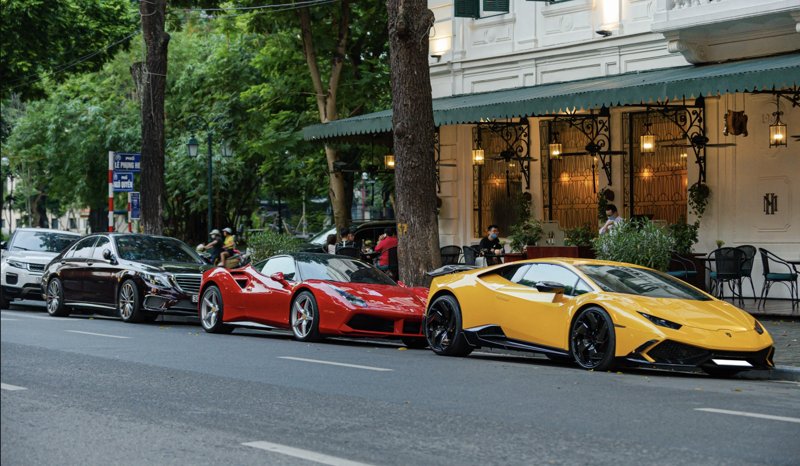
When we ask how rich is Vietnam, it is not just about GDP per capita. While important, it doesn’t tell the whole story. Vietnam’s wealth also lies in its human capital, its cultural richness, and its strategic global positioning.
GDP and Per Capita Income
Vietnam’s GDP has consistently grown at impressive rates, often among the fastest in Southeast Asia and the world. While its GDP per capita is still lower than many developed nations, it has seen remarkable increases over the past decades. This upward trend indicates a sustained improvement in living standards for many Vietnamese citizens.
The Rise of the Middle Class and Ultra-Rich
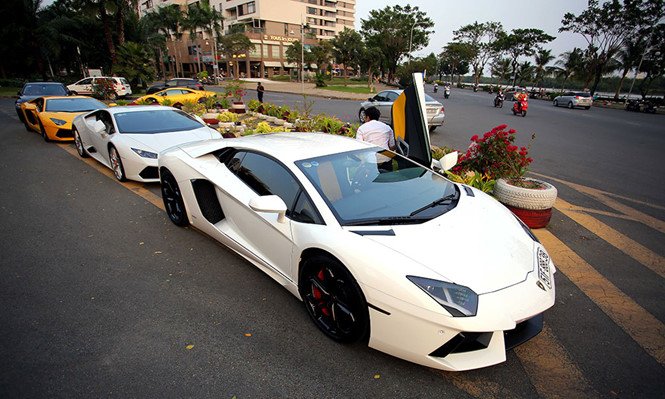
A significant indicator of how wealthy is Vietnam is the expansion of its middle class. As incomes rise, more Vietnamese are gaining access to better education, healthcare, and consumer goods. Furthermore, reports indicate a significant surge in the number of ultra-rich individuals, reflecting burgeoning private wealth and entrepreneurial success within the country. This growing affluence fuels domestic consumption and further economic diversification.
Global Economic Integration
Vietnam’s commitment to global integration through various free trade agreements has further propelled its economic growth. This openness to international trade and investment has fostered competitiveness and innovation, allowing Vietnamese businesses to thrive on the global stage.
Navigating the Economic Landscape: A Traveler’s Perspective
For those embarking on a Vietnam Adventure, understanding the nation’s economic landscape adds another layer to your journey. You will witness the stark contrasts, from bustling street markets to gleaming shopping malls, from traditional craft villages to modern factories. This dynamic environment shapes the everyday lives of the people you meet.
Understanding Local Commerce and Marketplaces
Exploring local markets is a feast for the senses and a glimpse into the local economy. From the vibrant stalls of Ben Thanh Market in Ho Chi Minh City to the floating markets of the Mekong Delta, you’ll see the flow of goods and the energy of commerce. Engaging with local vendors, even through simple bartering, offers a genuine connection to the economic rhythm of the country.
Etiquette for Mindful Transactions and Support
As a mindful traveler, your interactions can have a positive impact. Understanding local customs around transactions and tipping is key to respectful engagement.
- Bargaining: In local markets, polite bargaining is often expected and part of the cultural experience. Approach it with a friendly smile and good humor.
- Tipping: While not mandatory in all situations, tipping is increasingly appreciated in the service industry. It’s a thoughtful way to acknowledge good service and directly support local workers.
- Supporting Local Businesses: Choose to dine at local restaurants, buy crafts from artisan shops, and use local guides and tour operators. This directly contributes to the local economy and helps distribute wealth.
Here’s a general guide for tipping, though always feel free to adjust based on the quality of service and your comfort:
| Service | Suggested Tip (VND) | Notes |
|---|---|---|
| Restaurants (Mid-range to Fine Dining) | 5-10% of bill or 50,000 – 100,000 VND | Check if a service charge is already included. |
| Tour Guides | 100,000 – 200,000 VND per person per day | For excellent service on day tours or multi-day trips. |
| Drivers (Taxi/Private) | 10,000 – 20,000 VND for short trips, 50,000 – 100,000 VND for longer journeys/day hire | Optional, but appreciated for good service. |
| Hotel Staff (Porters/Housekeeping) | 20,000 – 50,000 VND per service or per night | Small gestures are often well-received. |
| Spa/Massage Therapists | 50,000 – 100,000 VND per session | For good service, especially if it was exceptional. |
Frequently Asked Questions
Is Vietnam considered a rich country?
No, Vietnam is not yet considered a rich country in the global sense, but it is a rapidly developing lower-middle-income economy with a strong growth trajectory. Its aim is to become an upper-middle-income country by 2030 and a high-income developed country by 2045. The narrative of how rich is Vietnam is one of progress and ambition.
What is Vietnam’s GDP per capita?
While specific figures fluctuate annually, Vietnam’s GDP per capita has been steadily increasing, reflecting improvements in living standards. It’s important to look at the trend of growth, which has been consistently positive, rather than a single static number, to understand how wealthy is Vietnam becoming.
What are the main drivers of Vietnam’s economic growth?
The primary drivers include a robust manufacturing and export sector, strong foreign direct investment, a flourishing tourism industry, and a growing domestic market fueled by an expanding middle class. The strategic implementation of market-oriented reforms has been crucial.
How has tourism contributed to Vietnam’s economy?
Tourism is a significant contributor to Vietnam’s economy, generating substantial revenue and creating numerous employment opportunities across various sectors, from hospitality and transportation to local crafts and food services. It showcases the nation’s natural beauty and rich cultural heritage to the world.
Is Vietnam’s wealth evenly distributed?
Like many rapidly developing nations, Vietnam faces challenges with wealth distribution. While the overall economic pie is growing, disparities exist between urban and rural areas, and between different social strata. However, the government is committed to policies aimed at reducing poverty and fostering more inclusive growth.
Embracing the Richness of Vietnam
So, as we conclude our exploration of how rich is Vietnam, it becomes clear that its wealth extends far beyond economic indicators. It is rich in history, rich in culture, rich in natural beauty, and most importantly, rich in the warmth and resilience of its people. The economic strides it has made are truly remarkable, transforming the nation into a dynamic and appealing destination for both business and leisure.
At Vietnam Adventure, we invite you to experience this richness firsthand. Come, immerse yourself in the vibrant tapestry of Vietnam, where every street corner tells a story, every landscape inspires awe, and every encounter leaves you with a deeper appreciation for this extraordinary country. We are here to guide you on a journey that is not just a vacation, but a profound and memorable exploration.