
Welcome, fellow adventurers, to a journey through the vibrant landscapes and rich culture of Vietnam! Perhaps you’re dreaming of a life immersed in fragrant pho, bustling markets, and the heartwarming smiles of Vietnamese students, all while pursuing a rewarding career. At Vietnam Adventure, we’re here to illuminate the path for aspiring educators. A common question we hear is, how much does an English teacher make in Vietnam? Generally, an English teacher in Vietnam can expect to earn between $1,200 and $2,000 USD per month, with potential for higher earnings based on qualifications, experience, and location.

Unveiling the English Teacher’s Earnings in Vietnam
Stepping into the world of teaching English in Vietnam is more than just a job; it’s an opportunity to shape young minds and embrace a dynamic new lifestyle. When considering how much does an English teacher make in Vietnam, it’s important to understand that salaries can vary significantly. Factors like your qualifications, where you teach (public school versus language center versus international school), and the city you choose can all play a role.
What Influences an English Teacher’s Salary?
The question of how much do English teachers get paid in Vietnam is nuanced. Several key elements contribute to your potential income:
- Qualifications and Experience: A Bachelor’s degree and a TEFL/TESOL certification are standard requirements. Holding a Master’s degree, a teaching license from your home country, or extensive prior teaching experience (especially with specific age groups or for exam preparation) will often lead to higher pay.
- Type of School: International schools generally offer the highest salaries, often accompanied by benefits like housing allowances, health insurance, and flight reimbursements. Language centers offer competitive rates, particularly in larger cities, while public schools might have slightly lower base salaries but can offer consistent hours.
- Location within Vietnam: Major cities like Hanoi, Ho Chi Minh City, and Da Nang typically offer more job opportunities and higher salaries due to a greater demand for English education and a higher cost of living. Smaller towns and rural areas might offer lower salaries, but the cost of living is also significantly less, allowing for a comfortable lifestyle.
- Hours Worked: Most teaching contracts are based on hourly rates, so the more hours you teach, the more you earn. Full-time positions usually involve 20-25 teaching hours per week, with additional time for lesson planning and grading.
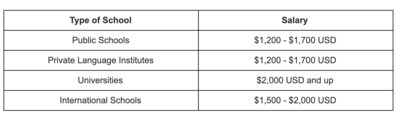
To truly grasp how much does an English teacher make in Vietnam, let’s look at some typical ranges:
| School Type | Monthly Salary Range (USD) | Typical Benefits |
|---|---|---|
| Language Centers | $1,200 – $1,800 | Often include work permit assistance, some holidays paid |
| Public Schools | $1,000 – $1,500 | Stable hours, usually more national holidays off |
| International Schools | $2,000 – $4,000+ | Housing, health insurance, flights, professional development |
| Private Tutoring | $15 – $30 per hour | Flexible, supplementary income |
Cost of Living: Making Your Salary Stretch
While understanding how much does an English teacher earn in Vietnam is crucial, it’s equally important to consider the cost of living. Vietnam is remarkably affordable compared to many Western countries, allowing teachers to live comfortably and even save money. Think of savoring a delicious bowl of phở for less than $2, or enjoying a fresh fruit smoothie for a dollar. Your salary will go a long way!
- Accommodation: Rent for a comfortable apartment in a major city can range from $300-$700 USD per month, depending on location and amenities. Outside the main hubs, it’s even more affordable.
- Food: Eating out, especially local street food, is incredibly cheap and delicious. Groceries are also inexpensive if you prefer to cook at home.
- Transportation: Motorbikes are the most common form of transport, and renting one is very affordable. Ride-hailing apps like Grab (for motorbikes and cars) are also widely used and budget-friendly.
- Utilities: Electricity, water, and internet are relatively inexpensive.

Beyond the Paycheck: The Intangible Rewards of Teaching in Vietnam
Beyond the practical considerations of how much does an English teacher make in Vietnam, lies a wealth of intangible rewards that truly enrich the experience. Imagine the daily joy of connecting with eager students, witnessing their progress, and becoming a part of their educational journey. Vietnam offers a unique cultural immersion that few other teaching destinations can match.
A Vibrant Cultural Tapestry
Living and teaching in Vietnam means waking up to the aroma of strong Vietnamese coffee, navigating bustling streets filled with the symphony of motorbikes and street vendors, and being embraced by a community known for its warmth and hospitality. You’ll have endless opportunities to:
- Explore ancient temples and imperial cities: Wander through the majestic Forbidden City in Hue or discover the spiritual serenity of Hanoi’s pagodas.
- Indulge in culinary delights: From the fresh spring rolls of the north to the spicy flavors of the south, Vietnamese cuisine is an adventure in itself.
- Trek through breathtaking landscapes: Discover the emerald rice paddies of Sapa, the karst landscapes of Ha Long Bay, or the pristine beaches of Phu Quoc.
- Engage with local traditions: Participate in festivals, learn a few Vietnamese phrases, and experience the rhythm of daily life in a truly authentic way.
Professional Growth and Personal Development
Teaching abroad, especially in a country as dynamic as Vietnam, fosters incredible personal and professional growth. You’ll develop cross-cultural communication skills, adaptability, and resilience. The challenges you overcome and the successes you celebrate will build confidence and broaden your perspective in ways you never imagined.
Navigating the Visa and Work Permit Journey
For those eager to understand how much does an English teacher make in Vietnam and then embark on this exciting path, understanding the practicalities of visas and work permits is essential. The process can seem daunting, but with the right guidance, it’s entirely manageable.
Key Documents for Your Vietnamese Adventure
- Visa: Before arriving, most teachers will need to secure a business visa (DN category). This can often be arranged through the school that hires you.
- Work Permit: Once you’re in Vietnam and have a job offer, your employer will typically assist you in applying for a work permit. This is a crucial step for legal employment and usually requires:
- A valid passport
- University degree (authenticated and legalized)
- TEFL/TESOL certificate (authenticated and legalized)
- Criminal background check (authenticated and legalized)
- Health check in Vietnam
- Photos
- Employer’s business license
- Temporary Residence Card: After obtaining your work permit, you can apply for a temporary residence card, which allows you to stay in Vietnam for longer periods without needing to renew your visa frequently.
While the administrative steps are part of the journey, many schools in Vietnam are experienced in assisting foreign teachers with this process, making it much smoother than it might initially appear.
Frequently Asked Questions About Teaching English in Vietnam
Is a TEFL certificate essential for teaching English in Vietnam?
Yes, almost all reputable schools and language centers in Vietnam require teachers to have a TEFL, TESOL, or CELTA certification. This demonstrates you have foundational training in teaching English as a foreign language.
Can I save money teaching English in Vietnam?
Absolutely! Many English teachers in Vietnam find they can comfortably cover their living expenses and still save a significant portion of their salary, especially if they are mindful of their spending and teach a good number of hours. The low cost of living is a major advantage.
What are the peak hiring seasons for English teachers in Vietnam?
The peak hiring seasons in Vietnam typically align with the academic year. You’ll find a surge in job openings around May to August (before the new school year starts in September) and again in December to February (after Lunar New Year) for mid-year hires.
Do I need to speak Vietnamese to teach English?
No, it’s generally not required to speak Vietnamese to teach English. Most schools prefer immersion, meaning you’ll only speak English in the classroom. However, learning some basic Vietnamese phrases will greatly enhance your daily life and interactions with locals.
What are the best cities to teach English in Vietnam?
Hanoi and Ho Chi Minh City offer the most job opportunities and the highest salaries, along with vibrant expat communities. Da Nang is also a popular choice, known for its beautiful beaches and growing demand for English teachers. Other cities like Hai Phong, Can Tho, and Hue also have opportunities, often with a lower cost of living.
Are there opportunities for professional development for English teachers in Vietnam?
Many larger language centers and international schools offer professional development workshops and training for their teachers. Additionally, there are often local TEFL/TESOL alumni groups and online communities where teachers can share resources and experiences.
Conclusion
Embarking on a teaching adventure in Vietnam is an incredible journey, blending meaningful work with profound cultural immersion. We’ve explored how much does an English teacher make in Vietnam, revealing salaries that comfortably support a vibrant lifestyle and often allow for savings. From the bustling streets of Hanoi to the tranquil beauty of the Mekong Delta, your experience here will be rich with discovery, connection, and growth.
The financial rewards are just one part of the story; the true wealth lies in the smiles of your students, the flavors of Vietnamese cuisine, and the breathtaking landscapes you’ll call home. Are you ready to begin your own unique chapter in this enchanting country? Let Vietnam Adventure be your guide to a truly unforgettable experience.