
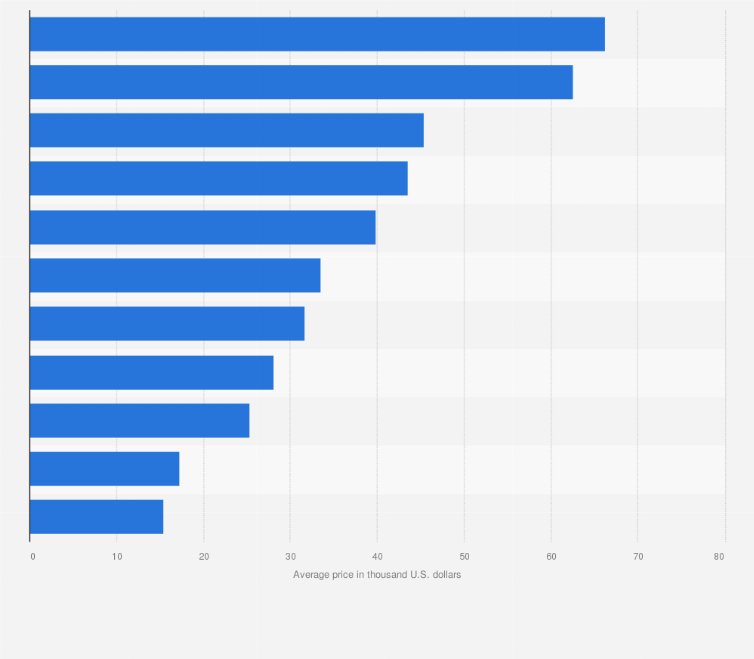
Here at Vietnam Adventure, we believe in helping you prepare for every aspect of your exciting journey through this vibrant country. When you consider transportation, a common question arises: how much does a car cost in Vietnam? The simple answer is that car prices in Vietnam are significantly higher than in many other countries, often two to three times more expensive. This is largely due to high import taxes and registration fees, making private car ownership a luxury for many.
Understanding Car Prices in Vietnam
Embarking on an exploration of Vietnam offers an immersive tapestry of experiences, from the bustling streets of Hanoi to the serene landscapes of the Mekong Delta. While motorbikes are the undisputed kings of the road, the allure of a private car for comfort and longer journeys is undeniable. But as you ponder the ease of navigating the scenic routes, the question of how much does a car cost in Vietnam becomes paramount. It is an important consideration for anyone dreaming of independent travel or a more permanent stay.
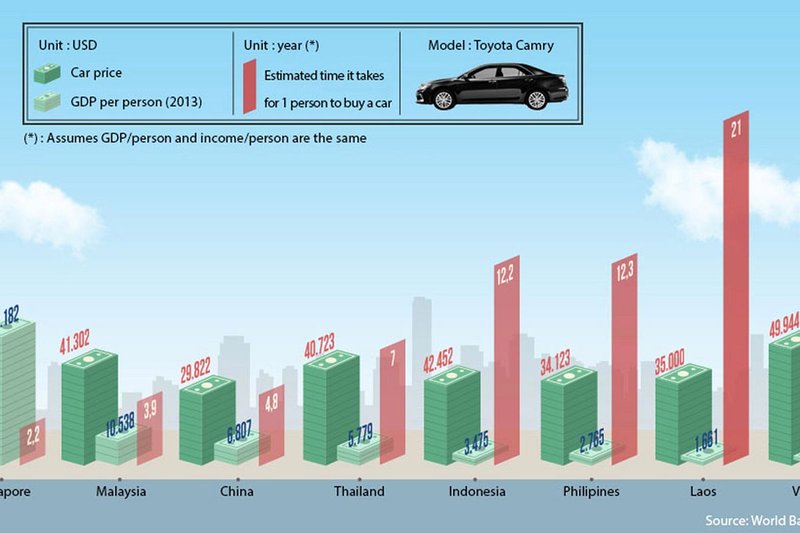
The car market here is a fascinating reflection of the country’s economic landscape and regulatory environment. Unlike many Western nations where car ownership is more accessible, owning a car in Vietnam comes with a hefty price tag. This isn’t just about the base price of the vehicle; a complex web of taxes and fees inflates the final cost dramatically. For instance, a car that might cost $20,000 in another country could easily retail for $50,000 or more here. This significant difference impacts everything from personal purchases to rental options for tourists seeking a more personalized experience.
Factors Influencing Car Costs
The reason why how much is a car in Vietnam is so much higher than expected lies in a blend of government policies and market dynamics. Understanding these elements can shed light on the investment required.
- Import Duties: Vietnam heavily taxes imported goods, and cars are no exception. These duties can range from 70% to 80% or even higher on the vehicle’s original value, immediately doubling or tripling the price. This protective measure aims to encourage domestic manufacturing, although the local car industry is still developing.
- Special Consumption Tax: Beyond import duties, a special consumption tax is applied, which varies based on engine displacement. The larger the engine, the higher the tax, sometimes reaching an additional 150% for luxury vehicles. This progressive taxation significantly impacts the cost of more powerful or premium models.
- Value Added Tax (VAT): A standard 10% VAT is applied to the car’s price after import duties and special consumption tax, adding another layer to the overall cost.
- Registration Fees and License Plates: Once all taxes are paid, buyers face substantial registration fees, which can be several thousand dollars, especially in major cities like Hanoi and Ho Chi Minh City. Obtaining a license plate also incurs a separate, often considerable, fee.
- Market Demand and Supply: While heavily taxed, there is a growing demand for cars among Vietnam’s burgeoning middle class. This demand, coupled with limited supply of locally manufactured vehicles and the high cost of imports, contributes to elevated prices.
These combined factors make the prospect of owning a car a significant financial undertaking. It’s why you often see a preference for motorbikes, which are far more affordable and nimble in the country’s often congested urban areas.
Examples of Car Prices
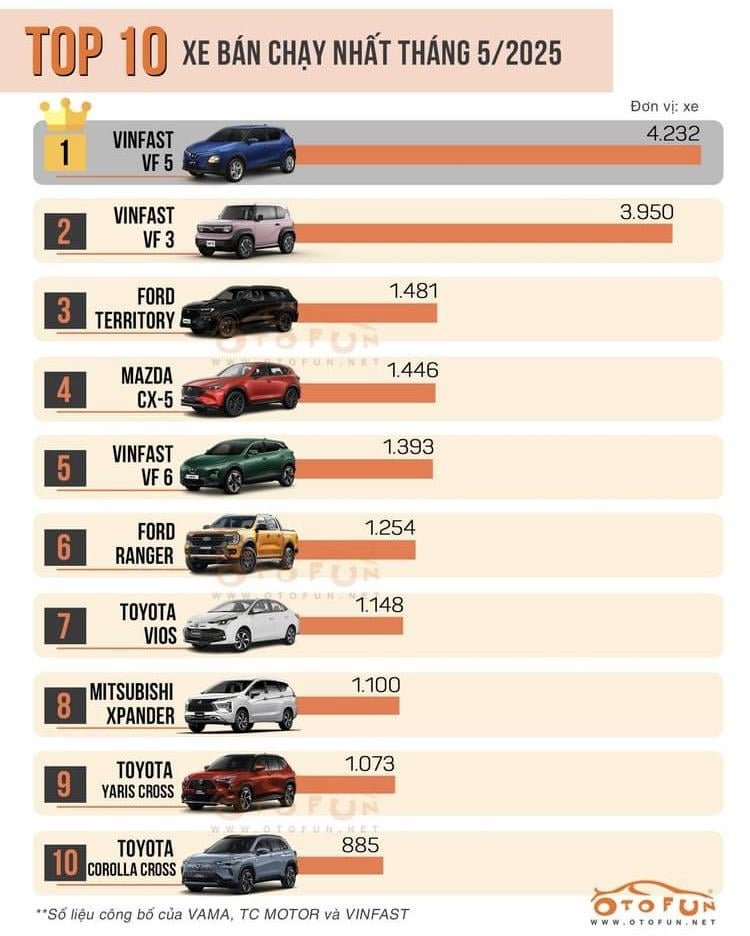
To give you a clearer picture of how much are cars in Vietnam, let’s look at some examples, keeping in mind that prices are always subject to change based on new policies, exchange rates, and specific trim levels. These figures are approximate and meant to provide a general understanding.
| Car Model | Approximate Price (USD) | Notes |
|---|---|---|
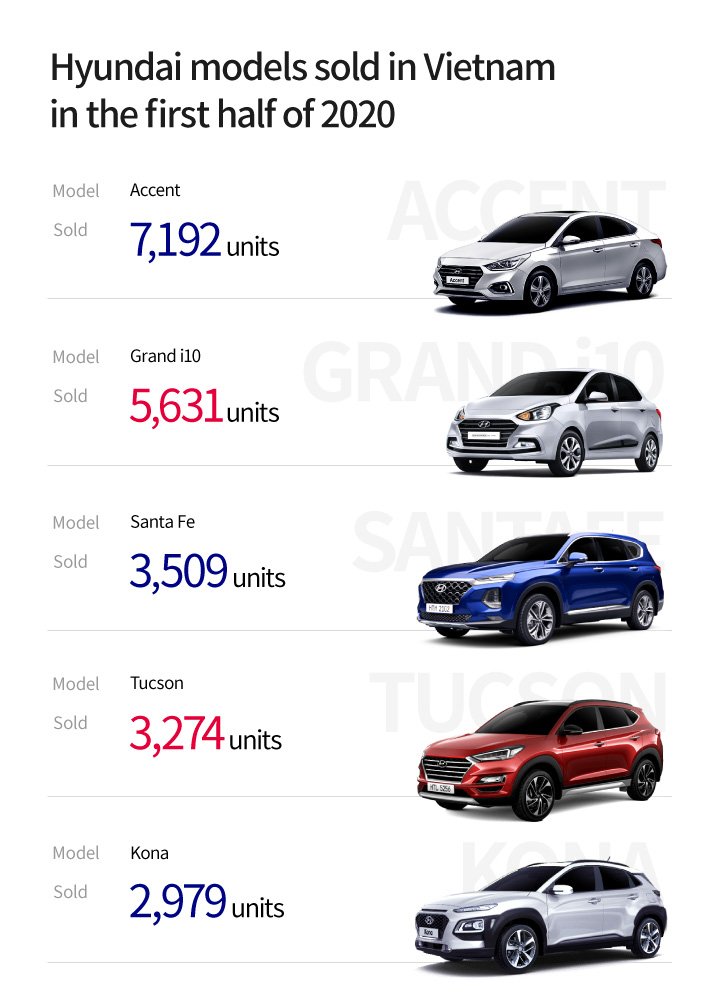
| Small City Car (e.g., Kia Morning, Hyundai i10) | $15,000 – $25,000 | Entry-level, compact, popular for urban driving. |
| Compact Sedan (e.g., Toyota Vios, Honda City) | $25,000 – $40,000 | Popular choices for families, reliable and efficient. |
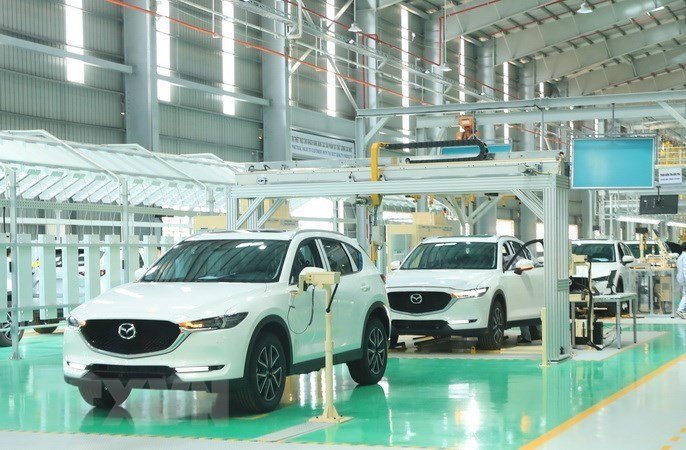
| Mid-size SUV (e.g., Hyundai Santa Fe, Mazda CX-5) | $45,000 – $70,000 | Growing in popularity, offering more space and comfort. |
| Luxury Sedan (e.g., Mercedes-Benz C-Class, BMW 3 Series) | $80,000 – $150,000+ | Significantly higher due to luxury taxes and import duties. |
| VinFast (Local Brand) | Starts from $20,000+ (for entry models) | Vietnam’s own automotive brand, offering competitive pricing due to local production advantages. |
It’s important to note that these prices can fluctuate. For foreigners residing in Vietnam, purchasing a car is possible but often involves navigating local regulations and requiring a valid long-term visa or business registration.
Navigating Car Ownership as a Foreigner
For those enchanted by the idea of extended stays or even settling down, the thought of personal transport naturally arises. So, if you’re wondering about how much does a car cost in Vietnam when you’re not a local, the path requires careful consideration.
Can Foreigners Buy Cars?
Yes, foreigners can indeed purchase cars in Vietnam, but it’s not as straightforward as in many other countries. The primary requirement is a valid long-term residence card or a business registration certificate for companies. Individual foreign tourists on short-term visas cannot buy and register a car. If you plan to live and work in Vietnam, or if you establish a business here, the process becomes feasible.
- Individual Purchase: Requires a valid residence card (temporary or permanent) and often a work permit. The car will be registered in your name.
- Company Purchase: If you own or work for a company in Vietnam, the car can be registered under the company’s name. This is a common approach for expatriates.
- Leasing: Another option gaining traction is long-term car leasing, which can bypass some of the complexities of outright ownership and registration.
The Buying Process
The process of buying a car in Vietnam, whether new or used, involves several steps:
- Research and Selection: Identify the car model that suits your needs and budget. Consider local brands like VinFast for potentially more competitive pricing due to reduced import duties.
- Dealer or Private Seller: For new cars, visit authorized dealerships. For used cars, consider reputable used car centers or online platforms, but exercise caution and always have the vehicle inspected.
- Price Negotiation: While official prices exist, there’s often room for negotiation, especially for used cars.
- Paperwork and Documentation: This is where it can get intricate. You’ll need your passport, valid visa, residence card, and possibly a work permit. If buying through a company, corporate registration documents are essential.
- Tax and Fee Payment: Be prepared for significant payments for import duties, special consumption tax, VAT, and registration fees. These are often paid at various stages of the process.
- Registration and License Plate: Once taxes are settled, you’ll proceed with vehicle registration at the local traffic police department to obtain your license plate. This can be a time-consuming administrative process.
- Insurance: Car insurance is mandatory in Vietnam. You’ll need to secure both compulsory third-party liability insurance and optional comprehensive insurance.
It’s highly advisable to seek assistance from a local expert, a reputable real estate agent, or a legal professional familiar with Vietnamese property and vehicle laws to navigate this process smoothly.
Alternatives to Car Ownership for Tourists
For visitors captivated by Vietnam’s charm, the idea of owning a car might seem daunting given the costs and complexities. Thankfully, there are many convenient and culturally immersive ways to explore the country without buying a vehicle.
Renting a Car with a Driver
This is by far the most recommended option for tourists seeking the comfort and flexibility of a car. It offers a seamless blend of convenience and local expertise. Imagine gliding through the verdant rice paddies or bustling city streets, while a knowledgeable local driver handles the navigation, traffic, and parking. The prices for renting a car with a driver can vary significantly based on the type of vehicle, the duration of the rental, and the distance covered.
- Daily Rates: For a standard sedan, expect to pay anywhere from $50 – $100 per day for inter-city travel, including fuel and driver’s wages. Longer trips or luxury vehicles will cost more.
- Half-Day Rates: For shorter excursions, half-day rates might be available, usually around $30 – $60.
- Long-Term Rentals: For extended tours over several days or weeks, negotiate a package deal, which can be more economical.
This option frees you from the stress of navigating unfamiliar roads, understanding local traffic laws (which can be quite different!), and finding parking. Plus, your driver can often offer valuable local insights and recommendations.
Motorbike Rentals
For the adventurous soul, renting a motorbike is the quintessential Vietnamese experience. It’s affordable, allows incredible flexibility, and lets you truly feel the pulse of the country. Prices are significantly lower than cars:
- Scooters (daily): $5 – $15 per day, depending on the model and rental duration. Monthly rates are even lower.
- Manual Motorbikes (daily): $10 – $30 per day for larger, more powerful bikes suitable for longer distances.
Important Considerations:
- International Driving Permit (IDP): While many rental shops may not ask, it is legally required to ride a motorbike in Vietnam with an IDP endorsed for motorcycles.
- Safety: Vietnamese traffic can be chaotic. Always wear a helmet, drive defensively, and consider taking lessons if you’re inexperienced.
- Insurance: Check if the rental includes basic insurance. It’s often limited, so consider travel insurance that covers motorbike accidents.
Ride-Hailing Services (Grab, Gojek)
In major cities like Hanoi, Ho Chi Minh City, Da Nang, and Hoi An, ride-hailing apps have revolutionized urban transport. Grab and Gojek are incredibly popular, offering both car and motorbike options.
- Motorbike Taxis (GrabBike/Gojek Bike): Incredibly cheap and efficient for navigating city traffic. A short ride might cost $1-$3.
- Car Taxis (GrabCar/Gojek Car): More comfortable for groups or those with luggage. Prices are still very reasonable, with a typical city ride costing $3 – $10 depending on distance.
These apps provide transparent pricing, GPS tracking, and a cashless payment option, making them a fantastic and stress-free way to get around.
Local Taxis and Buses
Traditional taxis (e.g., Mai Linh, Vinasun) are widely available and reliable, especially in cities. Always ensure the meter is running or agree on a price beforehand. Buses offer the most economical way to travel, particularly for inter-city routes, but can be less convenient for intricate sightseeing.
Embracing these alternatives allows you to experience Vietnam’s vibrant landscapes and bustling cities with ease and without the substantial investment of purchasing a private vehicle. Each mode of transport offers a unique perspective on the country, contributing to a truly memorable adventure.
Costs Beyond the Purchase Price: The True Expense of a Car in Vietnam
When considering how much a car is in Vietnam, it’s crucial to look beyond the initial sticker price. The true cost of ownership extends to a range of ongoing expenses that can quickly add up, making the overall investment even more substantial. For both residents and long-term expats, understanding these additional financial commitments is key to making an informed decision.
Fuel Costs
Fuel is a significant and recurring expense. While prices fluctuate, they are generally comparable to, or slightly higher than, international averages due to taxes and import costs. As of early 2024 (prices are subject to change):
- Petrol (RON 95): Approximately 23,000 – 25,000 VND per liter (around $0.90 – $1.00 USD per liter).
- Diesel: Approximately 20,000 – 22,000 VND per liter (around $0.80 – $0.90 USD per liter).
If you’re driving frequently, especially for longer distances, fuel can become a considerable part of your monthly budget.
Maintenance and Repairs
Just like anywhere else, cars in Vietnam require regular maintenance and occasional repairs. The costs here can be influenced by several factors:
- Spare Parts: For imported cars, spare parts often need to be imported as well, which can incur additional duties and shipping costs, making them more expensive and sometimes harder to source than in other markets.
- Labor Costs: While labor costs for mechanics might be lower than in Western countries, specialized dealerships for premium brands can still charge substantial fees.
- Service Quality: It’s important to find reliable service centers. Unauthorized workshops might offer lower prices but could compromise on quality, potentially leading to bigger issues down the line.
Regular servicing, oil changes, tire rotations, and unexpected repairs can add up to several hundred to a few thousand dollars annually, depending on the car’s age, model, and driving habits.
Insurance
Car insurance is mandatory in Vietnam, and the premiums vary based on the car’s value, type, and the driver’s history. There are generally two types of insurance:
- Compulsory Third-Party Liability (TPL): This is legally required and covers damages to third parties in an accident. The cost is relatively low, typically a few hundred thousand VND per year (around $10-$30 USD).
- Comprehensive Insurance: This optional but highly recommended insurance covers damages to your own vehicle, theft, fire, and other perils. Premiums can range from 1.5% to 2.5% of the car’s value annually, meaning a $50,000 car could incur $750 – $1,250 USD per year or more for comprehensive coverage.
Given the bustling traffic conditions, comprehensive insurance offers invaluable peace of mind.
Parking Fees
Parking in major Vietnamese cities can be a challenge and an additional expense. While informal parking attendants often charge small fees (around 10,000 – 20,000 VND per hour, or $0.40 – $0.80 USD), more formal parking structures, especially in shopping malls or business districts, can be more expensive. If you live in an apartment building, you might also have monthly parking fees, which can range from $50 – $150 USD per month depending on the location and facility.
Road Tax and Registration Renewal
Like many countries, Vietnam imposes an annual road tax. This fee is generally based on the car’s engine capacity and can range from a few million VND (hundreds of USD) per year. Additionally, vehicle registration needs to be renewed periodically, incurring further administrative fees.
Depreciation
While not an out-of-pocket expense, depreciation is a significant financial consideration. Cars in Vietnam, especially imported models, can depreciate rapidly due to the high initial cost and the dynamic market. The resale value might not always reflect the substantial initial investment.
When totaling these ongoing expenses, it becomes clear that the cost of owning a car in Vietnam extends far beyond the initial purchase. For many, especially those on shorter stays, the convenience and cost-effectiveness of ride-hailing, taxis, or hired drivers make them far more practical choices than personal car ownership.
Frequently Asked Questions about Car Costs in Vietnam
What are the primary reasons why cars are so expensive in Vietnam?
The primary reasons for high car costs in Vietnam are steep import duties, a special consumption tax based on engine size, and a 10% Value Added Tax (VAT). These taxes are designed to protect the developing domestic automotive industry and also serve as a significant source of government revenue. Additionally, substantial registration fees and license plate costs further inflate the final price, making car ownership a luxury rather than a commonplace necessity.
Can a tourist rent a car to drive themselves in Vietnam?
Generally, tourists cannot rent a car to drive themselves in Vietnam. An international driving permit (IDP) is required, but it must be accompanied by a valid Vietnamese driver’s license. Obtaining a Vietnamese license can be a lengthy process and is usually only feasible for those with long-term residency. For short-term visitors, the most practical and recommended option is to rent a car with a local driver, which bypasses the need for local licensing and navigating unfamiliar traffic rules.
How do the prices of local brands like VinFast compare to imported brands?
Local brands like VinFast generally offer more competitive pricing compared to imported brands. Because VinFast cars are manufactured domestically, they are not subjected to the same high import duties and special consumption taxes that significantly inflate the cost of foreign-made vehicles. This allows VinFast to price its cars more attractively, making them a more accessible option for Vietnamese consumers and those looking for a relatively more affordable entry into car ownership in Vietnam.
Are used cars significantly cheaper in Vietnam?
Yes, used cars are typically significantly cheaper than new cars in Vietnam, offering a more budget-friendly alternative. However, the used car market can be complex. While you can save on the initial purchase price, older imported models might still have high maintenance costs due to the expense of spare parts and specialized repair services. It’s crucial to thoroughly inspect any used vehicle and ideally have it checked by a trusted mechanic to avoid unexpected future expenses.
What are the cheapest car models available in Vietnam?
The cheapest car models available in Vietnam typically belong to the compact city car segment. These often include models like the Kia Morning, Hyundai i10, and some entry-level models from VinFast. These vehicles are favored for their fuel efficiency, smaller engine sizes (which incur lower special consumption tax), and maneuverability in urban environments. While still more expensive than similar models in other countries, they represent the most affordable entry point into car ownership in Vietnam.
Embracing Vietnam’s Journeys: Your Transport Choices
As we’ve explored, the answer to how much does a car cost in Vietnam is quite distinct from what you might find in many other parts of the world. While the dream of owning a private vehicle here comes with a substantial price tag due to various taxes and fees, it certainly doesn’t dim the splendor of exploring this captivating country. Whether you choose the unparalleled convenience of a hired car with a driver, the exhilarating freedom of a motorbike, or the efficiency of ride-hailing apps, Vietnam offers a spectrum of transport options to suit every traveler and every adventure.
At Vietnam Adventure, our passion is to ensure your journey is seamless, enriching, and unforgettable. We encourage you to weigh these factors, choose the mode of transport that best aligns with your travel style, and immerse yourself fully in the magic of Vietnam. Safe travels, and we look forward to welcoming you to our incredible land!