
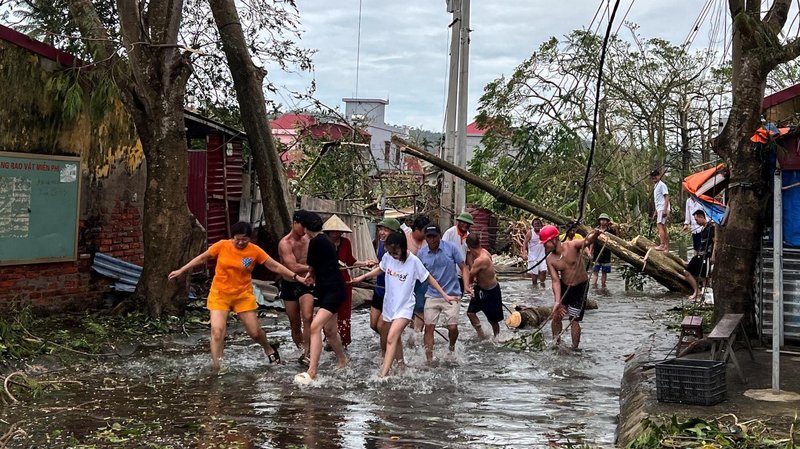
Embarking on a journey with Vietnam Adventure promises an unforgettable tapestry of vibrant culture, breathtaking landscapes, and delicious cuisine. As you dream of emerald rice paddies and bustling cityscapes, a common question often arises: does Vietnam have hurricanes? The direct and concise answer is yes, Vietnam does experience tropical cyclones, which are often referred to as typhoons in this region, particularly along its long coastline.

Understanding Vietnam’s Typhoon Season
Vietnam, with its enchanting coastline stretching over 3,000 kilometers, is indeed susceptible to tropical storms and typhoons. These powerful weather systems originate in the Pacific Ocean and typically affect the country during specific months. Knowing when is typhoon season Vietnam is crucial for planning your mindful and meaningful exploration.
When is Typhoon Season Vietnam?
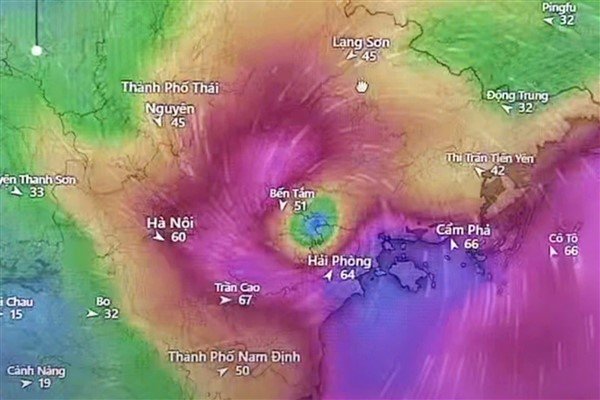
The typhoon season in Vietnam generally runs from approximately May to December, though the peak intensity and specific regions affected can vary. It’s a period marked by increased rainfall and the possibility of strong winds and flooding. While the entire country can be impacted, Central Vietnam often bears the brunt of these powerful storms.
- Northern Vietnam (Hanoi, Halong Bay): While less frequently hit by direct typhoons, this region can experience heavy rains and associated flooding, especially from June to September.
- Central Vietnam (Da Nang, Hoi An, Hue): This is the most vulnerable region, with the peak typhoon season typically falling between September and November. Storms here can bring significant wind damage and severe flooding.
- Southern Vietnam (Ho Chi Minh City, Mekong Delta): This area is generally less affected by direct typhoons, but it can still experience heavy monsoon rains, particularly from May to November, which can lead to localized flooding.
It’s important to remember that these are general timelines, and weather patterns can be unpredictable. Staying informed with local weather forecasts is always a wise approach when planning your adventure.
Planning Your Trip Around Typhoon Season
While the prospect of typhoons might sound daunting, it doesn’t mean you should shy away from experiencing the wonders of Vietnam. With careful planning and flexibility, you can still have an incredible journey. Understanding that does Vietnam have hurricanes doesn’t deter thoughtful travelers, but rather encourages informed preparation.
Best Times to Visit to Avoid Typhoons
For those hoping to minimize the risk of encountering a typhoon, certain times of the year offer more favorable weather conditions:
- Dry Season (December to April): This period is generally considered the best time to visit Vietnam, with cooler temperatures and less rainfall across much of the country.
- Shoulder Seasons (April/May and November/December): These months can offer a good balance of pleasant weather and fewer crowds, though there’s a slight increase in the chance of rain or storms as you approach or leave the typhoon season.
Even during typhoon season, many days are perfectly beautiful. The rain, when it comes, can often be short, intense downpours followed by clear skies, lending a lush vibrancy to the landscape.
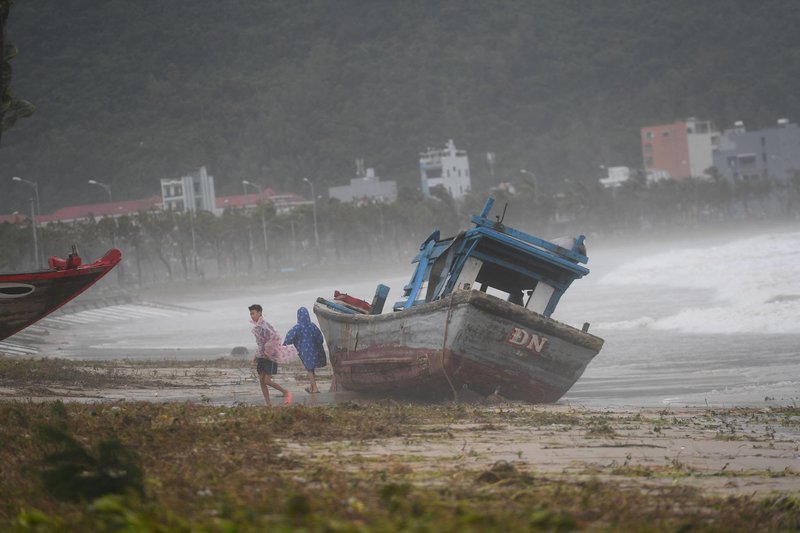
Staying Safe and Informed During Your Trip
Should your travels coincide with the typhoon season, there are simple steps you can take to ensure your safety and minimize disruption:
- Monitor Local Weather Forecasts: Regularly check reliable local weather sources for updates. Your accommodation and tour guides will also be excellent sources of information.
- Be Flexible with Your Itinerary: Heavy rains or strong winds might cause delays or cancellations for domestic flights, trains, or boat trips, especially in coastal areas or to islands like Phu Quoc or Con Dao. Having a flexible itinerary allows you to adjust plans if needed.
- Consider Travel Insurance: Comprehensive travel insurance that covers weather-related disruptions can provide peace of mind.
- Pack Appropriately: Bring waterproof gear, including a lightweight rain jacket and waterproof bags for electronics, if traveling during the wetter months.
- Heed Local Advice: Always follow instructions from local authorities, your accommodation, and your tour operator. They are the most knowledgeable about local conditions and safety protocols.
How to Pack for Vietnam’s Varied Weather
When preparing for your Vietnam adventure, understanding the climate, including the potential for typhoons, helps you pack smartly. Here’s a guide to ensure you’re comfortable and prepared for all the country offers, regardless of when is typhoon season Vietnam.
| Item | Why it’s essential | Typhoon Season Tip |
|---|---|---|
| Lightweight, Breathable Clothing | Vietnam is generally warm and humid. Cotton, linen, or quick-dry fabrics are ideal. | Even in rain, temperatures remain warm. Layers are key for varying indoor/outdoor conditions. |
| Rain Jacket or Poncho | Essential for sudden downpours, even outside of peak typhoon season. | Choose a lightweight, packable option. A sturdy umbrella can also be useful. |
| Waterproof Daypack Cover | Protects your electronics and important documents from unexpected rain. | A lifesaver for cameras, phones, and passports when out exploring. |
| Comfortable Walking Shoes/Sandals | You’ll be doing a lot of exploring! Choose shoes that are comfortable and can handle wet conditions. | Consider sandals or shoes that dry quickly. Avoid heavy leather footwear. |
| Insect Repellent | A must-have, especially in rural areas or during evenings, regardless of the season. | Mosquitoes are more prevalent after rain, so apply liberally. |
| Sunscreen & Hat | The sun can be intense even on cloudy days. Protect your skin. | Even if it’s overcast, UV rays can still be strong. |
| Reusable Water Bottle | Stay hydrated and reduce plastic waste. Many hotels offer water refills. | Hydration is always important, especially in humid conditions. |
Frequently Asked Questions
What is the difference between a hurricane and a typhoon?
The difference is purely geographical. “Hurricane,” “typhoon,” and “tropical cyclone” all refer to the same type of powerful rotating storm system with low pressure at its center and organized thunderstorms producing strong winds and heavy rain. The term “hurricane” is used for storms forming over the Atlantic Ocean and northeastern Pacific Ocean. “Typhoon” is used for storms forming over the northwestern Pacific Ocean. “Tropical cyclone” is a more general term used in other regions, such as the Indian Ocean and South Pacific. So, when discussing if does Vietnam have hurricanes, it’s more accurate to use the term “typhoon.”
Are typhoons in Vietnam dangerous for tourists?
While typhoons are powerful natural phenomena, the Vietnamese government and local communities have well-established systems for monitoring and responding to these storms. Tourists are generally safe if they follow official warnings and advice. Tour operators and hotels are experienced in managing such situations, often providing guidance on safe areas or rescheduling activities. The key is to stay informed, be flexible, and prioritize safety above all else.
Can I still travel to Vietnam during typhoon season?
Absolutely! Many travelers visit Vietnam during what is technically typhoon season and have wonderful experiences. The country is vast, and a typhoon affecting one region doesn’t necessarily impact others. For instance, while Central Vietnam might be experiencing heavy rains, Southern Vietnam could be enjoying sunny days. The benefits of traveling during this time can include fewer crowds and lush, vibrant landscapes. Just be sure to research the specific regions you plan to visit and consider the flexibility in your itinerary.
How does Vietnam prepare for typhoons?
Vietnam has a comprehensive disaster preparedness and response system. This includes early warning systems, evacuation plans for coastal and low-lying areas, and infrastructure designed to withstand severe weather. Local authorities and communities are well-versed in preparing for and recovering from typhoons. This proactive approach helps to mitigate the impact of these storms on both residents and visitors.
Conclusion
So, does Vietnam have hurricanes? Yes, it experiences typhoons, particularly during specific months, but this beautiful country remains an incredible destination for mindful travelers. With awareness, preparation, and a flexible mindset, you can navigate the seasons and discover the magic of Vietnam. Don’t let the thought of a little rain deter you from a profound adventure! For expertly crafted itineraries that consider the best times to explore each region and ensure your comfort, connect with Vietnam Adventure today!