
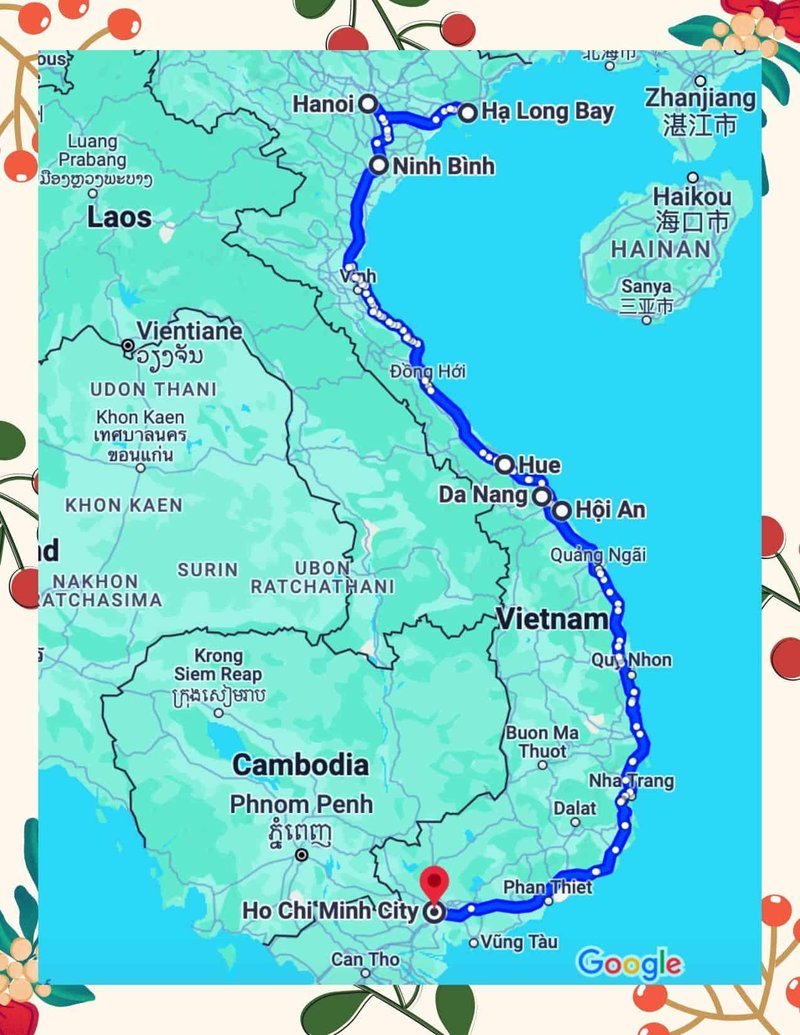
Welcome, fellow wanderer! Here at Vietnam Adventure, we believe every journey should be a tapestry woven with unforgettable moments and authentic discoveries. If you are dreaming of a captivating Southeast Asian escape, then understanding the ideal vietnam itinerary is your first step. A meticulously planned vietnam itinerary is crucial for experiencing the country’s diverse beauty, from bustling cities to serene landscapes and rich cultural encounters.

Crafting Your Perfect Vietnam Travel Itinerary
Deciding on the perfect vietnam travel itinerary often feels like choosing your favorite candy from a vast, delicious selection! Vietnam offers such an incredible array of experiences that tailoring your trip to your interests and time is key. Whether you dream of a rapid North-to-South exploration, a leisurely cultural immersion, or an adventurous trek through mountainous regions, there’s a vietnam road trip itinerary waiting for you. Let’s delve into some popular options and how you can make them uniquely yours.
How Long Should You Spend in Vietnam?
This is perhaps the most frequent question we hear! The truth is, Vietnam can enchant you for weeks, but even a shorter visit can be deeply rewarding. Here’s a general guide:
- One Week: A focused dash, perhaps concentrating on either the North (Hanoi, Ha Long Bay, Ninh Binh) or the South (Ho Chi Minh City, Mekong Delta, Mui Ne). It’s a taste, a delightful appetizer, but you’ll certainly crave more.
- Ten Days: This allows for a North-to-Central or Central-to-South exploration, offering a slightly more relaxed pace to enjoy key highlights like Hoi An’s ancient town or the imperial city of Hue.
- Two Weeks: This is often considered the best vietnam itinerary for first-timers. It provides ample time to traverse from North to South (or vice versa), hitting major cities, natural wonders, and cultural sites without feeling rushed. You can truly embrace the rhythm of Vietnamese life.
- Three Weeks or More: For the ultimate immersion, three weeks or longer allows you to delve deeper, discover offbeat destinations, linger in charming towns, and even venture into the highlands like Sapa or Dalat. This length truly enables a comprehensive vietnam trip itinerary.
Popular Routes and What to Expect
Most travelers opt for a journey either from North to South or South to North, following the country’s elongated shape. Each region holds its own unique charm and character.
Northern Vietnam: History, Mountains, and Mystical Bays
The North is where Vietnam’s rich history and breathtaking natural landscapes truly shine. Your suggested itinerary for Vietnam in this region might include:
- Hanoi: The vibrant capital, a symphony of motorbikes, street food, ancient temples, and colonial architecture. Spend a few days exploring the Old Quarter, visiting Hoan Kiem Lake, and savoring delicious pho.
- Ha Long Bay: A UNESCO World Heritage site, its emerald waters dotted with thousands of limestone karsts are simply magical. A overnight cruise is essential for absorbing its serene beauty.

- Ninh Binh: Often called Ha Long Bay on land, this region offers stunning landscapes of rice paddies, limestone karsts, and ancient pagodas. A boat trip through Tam Coc or Trang An is unforgettable.
- Sapa (Optional): If you have extra time and seek cooler climes, Sapa in the far north offers spectacular terraced rice fields and vibrant ethnic minority cultures, perfect for trekking.
Central Vietnam: Culture, Coastlines, and Culinary Delights
Central Vietnam acts as a cultural bridge, offering a blend of historical grandeur and pristine beaches.
- Hue: The former imperial capital, home to the Citadel, Forbidden Purple City, and numerous royal tombs. It’s a place steeped in history and poignant beauty.
- Da Nang: A rapidly developing coastal city with beautiful beaches, easily accessible mountains, and a modern vibe. Often a gateway to Hoi An.

- Hoi An: A UNESCO Ancient Town, famous for its lantern-lit streets, bespoke tailoring, and incredible food scene. This enchanting town is a must-visit on any vietnam itinerary.
Southern Vietnam: Bustle, Beaches, and the Mekong Delta
The South buzzes with a different energy, offering a glimpse into modern Vietnamese life, war history, and the tranquil waterways of the Mekong.
- Ho Chi Minh City (Saigon): The bustling metropolis, full of energy, incredible street food, historical sites like the Reunification Palace and War Remnants Museum, and vibrant nightlife.
- Mekong Delta: A labyrinth of rivers, swamps, and islands, where life revolves around the water. Explore floating markets, fruit orchards, and traditional villages.
- Phu Quoc or Con Dao (Optional): For beach lovers, these islands offer pristine white sands and clear turquoise waters, perfect for relaxation after your adventures.

Practical Matters for Your Vietnam Adventure
Beyond the destinations, a smooth vietnam itinerary also considers the practicalities. Thoughtful planning enhances the entire experience.
When to Visit Vietnam
Vietnam’s climate varies significantly from North to South. Generally, the best time to visit the entire country is during spring (March to April) or autumn (September to November) when temperatures are milder and rainfall is lower across most regions. However, specific regions have their own optimal times:
- Northern Vietnam: October to April for cool, dry weather.
- Central Vietnam: February to August for warm, dry weather.
- Southern Vietnam: December to May for warm, dry weather.
How to Get Around in Vietnam
Vietnam offers a fantastic range of transportation options, suiting all budgets and preferences:
- Flights: For covering long distances quickly (e.g., Hanoi to Ho Chi Minh City or Da Nang), domestic flights are efficient and affordable.
- Trains: The Reunification Express offers a scenic and comfortable way to travel between major cities, perfect for a vietnam road trip itinerary feel without driving yourself.
- Buses: An economical option for shorter inter-city travel. Night buses with sleeper berths are popular for longer overnight journeys.
- Motorbikes: For the adventurous, renting a motorbike allows incredible freedom, especially for exploring scenic routes like the Hai Van Pass. Always ensure you have the correct license and insurance.
- Taxis/Ride-Hailing: Grab (Southeast Asia’s Uber) is widely available in cities and incredibly convenient for local transport.
Money, Costs, and Communication
- Currency: Vietnamese Dong (VND). ATMs are widely available in cities.
- Costs: Vietnam is generally very affordable. Accommodation, food, and transport are budget-friendly, especially compared to Western countries.
- SIM Card: Easily purchased upon arrival at airports or local stores. Viettel, Mobifone, and Vinaphone are popular providers, offering cheap data packages.
Etiquette for Mindful Exploration
Traveling responsibly and respectfully enriches your experience and honors the local culture. Here’s a brief guide to mindful etiquette during your vietnam itinerary:
| Aspect | Mindful Practice | Why it Matters |
|---|---|---|
| Dress Code | Dress modestly, especially when visiting temples, pagodas, or other religious sites. Shoulders and knees should be covered. | Shows respect for local customs and religious beliefs. |
| Bargaining | Bargaining is common in markets, but do so with a smile and good humor. Don’t be overly aggressive. | Part of the cultural exchange, but maintain respect for vendors’ livelihoods. |
| Footwear | Remove your shoes before entering someone’s home or a temple/pagoda. | A sign of cleanliness and respect in Vietnamese culture. |
| Public Displays of Affection | Keep public displays of affection to a minimum. | Vietnamese culture tends to be more reserved in public. |
| Photography | Always ask for permission before taking photos of people, especially children or ethnic minorities. | Respects individual privacy and prevents cultural misunderstandings. |
| Tipping | Tipping is not mandatory but appreciated for good service. For specific guidelines, see the section below. | A gesture of gratitude for excellent service in a service-oriented economy. |
Tipping for Good Service in Vietnam
While not traditionally ingrained as in some Western cultures, tipping in Vietnam is becoming more common and is genuinely appreciated, particularly in the tourism sector. It’s a thoughtful way to acknowledge excellent service and contribute directly to the livelihoods of those who make your vietnam itinerary special.
- Tour Guides: For a full-day tour, a tip of 100,000-200,000 VND (approx. $4-8 USD) per person is a generous gesture, depending on the group size and quality of service. For multi-day tours, consider more.
- Drivers: For a full day of driving, 50,000-100,000 VND (approx. $2-4 USD) is appropriate. For shorter rides, rounding up the fare is often sufficient.
- Restaurant Staff: In local eateries, a tip isn’t expected, but leaving small change or 10-20,000 VND for exceptional service is a kind gesture. In upscale restaurants, a 5-10% tip is more common if a service charge isn’t already included.
- Hotel Staff (porters, housekeepers): 20,000-50,000 VND ($1-2 USD) for porters who handle your luggage, and a similar amount daily for housekeepers is a nice way to show appreciation.
- Spa/Massage Therapists: A tip of 50,000-100,000 VND (approx. $2-4 USD) is standard for a good massage.
- Boat Crews (Ha Long Bay, Mekong Delta): For a crew on an overnight cruise, a collective tip of around 200,000-300,000 VND per passenger can be given to the tour leader to distribute.
Remember, these are guidelines. The most important thing is to tip based on your satisfaction with the service and what feels comfortable for you. A sincere “Cảm ơn” (thank you) always accompanies any tip.
Frequently Asked Questions About Your Vietnam Itinerary
When is the best time to book flights and accommodation for a Vietnam trip?
It is generally advisable to book international flights 3-6 months in advance, especially if you are traveling during peak season (November to April). Domestic flights and popular accommodation can be booked 1-2 months ahead. For a smooth vietnam travel itinerary, early planning is always beneficial.
What are the visa requirements for Vietnam?
Visa requirements vary depending on your nationality. Many nationalities can apply for an e-Visa online, which is often the easiest option. Some countries have visa exemptions for short stays. Always check the latest visa policies well in advance of your trip through the official Vietnamese immigration website or your embassy to ensure your vietnam trip itinerary is hassle-free.
Is it safe to travel alone in Vietnam?
Vietnam is generally considered a very safe country for solo travelers, including women. Vietnamese people are known for their hospitality. Common sense precautions apply, such as being aware of your surroundings, especially in crowded areas, and safeguarding your valuables. Many solo travelers enjoy the flexibility of a personalized vietnam itinerary.
What should I pack for my Vietnam itinerary?
Pack light, breathable clothing, suitable for warm and humid weather. Include a light jacket or sweater for cooler evenings in the north or highland areas. Comfortable walking shoes are a must. Don’t forget swimwear, sun protection (hat, sunglasses, high-SPF sunscreen), insect repellent, a universal adapter, and a small first-aid kit. Consider a reusable water bottle to help reduce plastic waste.
Can I drink the tap water in Vietnam?
No, it is not safe to drink tap water in Vietnam. Always drink bottled water, which is readily available and inexpensive. Many hotels offer complimentary bottled water, and you can often refill your reusable bottle at certain accommodations or cafes, supporting sustainable tourism during your vietnam itinerary.
What is the street food like, and is it safe to eat?
Vietnamese street food is legendary and an absolute highlight of any vietnam itinerary! It’s generally safe and incredibly delicious. To minimize risk, choose stalls that are busy with locals, ensuring high turnover and fresh ingredients. Look for vendors who cook food to order and maintain good hygiene. Embrace the adventure and savor dishes like pho, banh mi, bun cha, and spring rolls!
Do I need travel insurance for Vietnam?
Absolutely, travel insurance is highly recommended for any international trip, including your vietnam itinerary. It provides crucial coverage for unforeseen circumstances like medical emergencies, trip cancellations, lost luggage, or travel delays, giving you peace of mind.
Your Vietnam Adventure Awaits
Embarking on a journey to Vietnam is stepping into a world of vibrant colors, intoxicating aromas, and heart-warming encounters. Whether you are seeking ancient history, breathtaking landscapes, bustling city life, or tranquil rural scenes, a well-crafted vietnam itinerary will guide you through this incredible country. Let your senses come alive as you navigate rice paddies, savor exquisite street food, and cruise through mystical limestone karsts. It’s more than just a trip; it’s an adventure for the soul.
Ready to turn your dreams into reality? Let Vietnam Adventure help you design the perfect, personalized vietnam itinerary that captures the essence of this magnificent land, ensuring every moment is filled with wonder and authentic connection.