
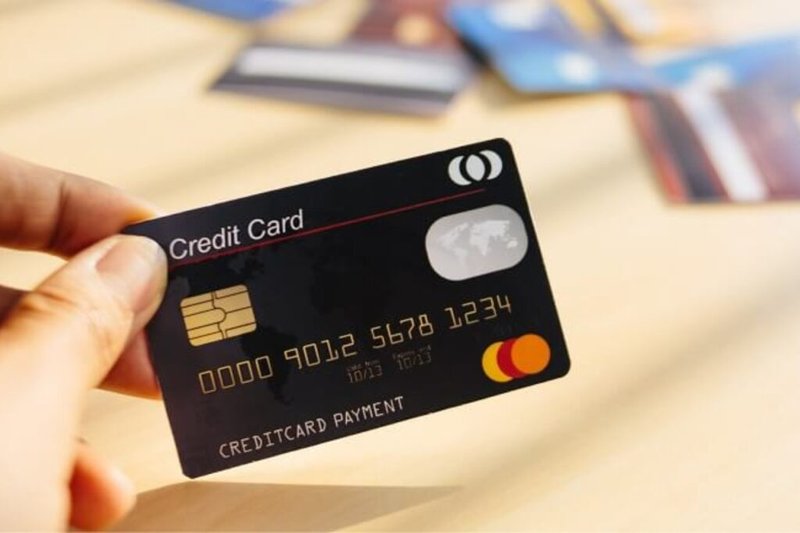
Welcome, fellow traveler, to the vibrant tapestry of Vietnam! As you dream of bustling markets, serene rice paddies, and the aroma of pho wafting through ancient streets, a practical question might arise: can I use Mastercard in Vietnam? The short answer is: Yes, you absolutely can use Mastercard in Vietnam, especially in urban centers and tourist-focused areas. Vietnam Adventure is here to guide you through the nuances of navigating payments, ensuring your journey is as smooth and enriching as possible.
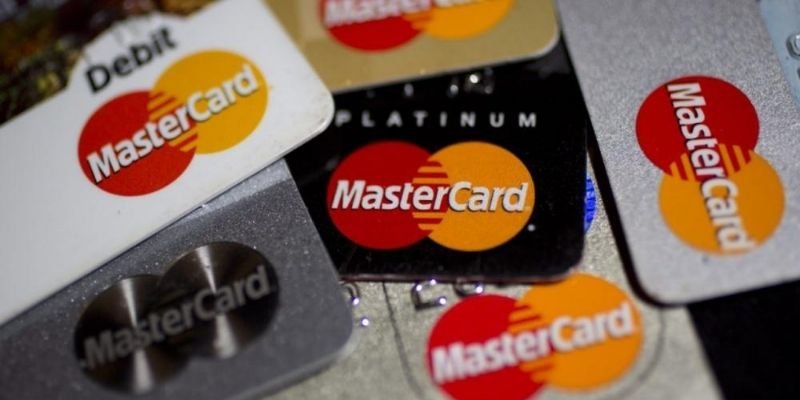
Mastercard Acceptance Across Vietnam: Where and When
Imagine yourself strolling through the charming streets of Hoi An, a lantern-lit evening painting the scene. You spot a beautiful silk scarf and wonder if your Mastercard will suffice. Understanding where your card will be accepted versus where cash reigns supreme is key to a stress-free adventure.
Where You Can Use Credit or Debit Cards
In Vietnam’s major cities like Ho Chi Minh City, Hanoi, Da Nang, and even popular tourist hubs like Nha Trang and Phu Quoc, you’ll find Mastercard acceptance is quite common. High-end hotels, international restaurants, large department stores, and tour operators are typically equipped with card terminals. Many modern cafes and boutiques also readily accept plastic. For bigger purchases or booking accommodations, your Mastercard will generally be your reliable companion, offering convenience and often a better exchange rate than carrying large sums of cash.
Where Cash Is Still King
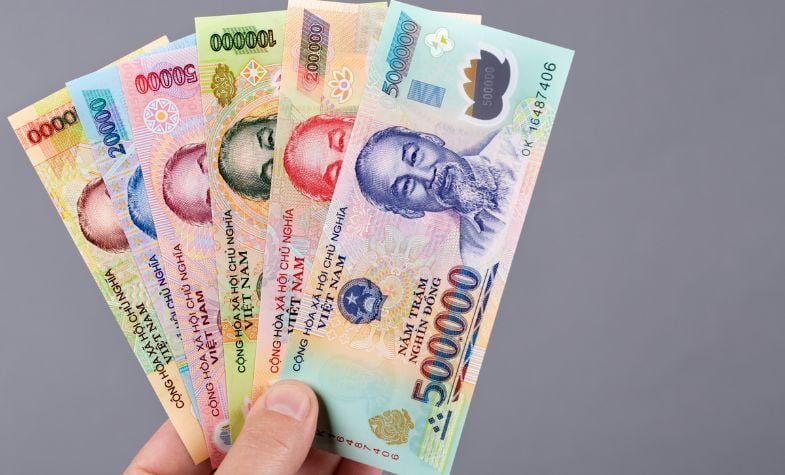
Stepping off the beaten path, however, cash becomes your best friend. Picture yourself haggling for a unique souvenir at a local market, enjoying a bowl of street food, or paying for a xe ôm (motorbike taxi) ride through a quaint village. These authentic experiences often rely solely on Vietnamese Dong (VND). Smaller guesthouses, local eateries, independent vendors, and many public transportation options primarily deal in cash. Even in cities, for smaller transactions, cash is often preferred and can sometimes lead to better prices, as merchants avoid card processing fees.
Always Carry Cash, Even in the City
Our advice, as your friendly travel companion, is to always have a good stash of Vietnamese Dong on hand. This ensures you’re prepared for any situation, from a spontaneous street food craving to an unexpected journey into a less-developed area. It also allows you to embrace the local way of life, supporting small businesses and enjoying the true essence of Vietnamese culture. While can i use Mastercard in Vietnam is a valid question, being cash-ready enhances your experience.
Understanding Fees and Smart Card Usage
Just like navigating a bustling Ho Chi Minh City intersection, understanding the flow of transactions and potential charges is crucial when you can i use my credit card in Vietnam.
Foreign Transaction Fees
Most international Mastercards come with foreign transaction fees, typically ranging from 1% to 3% of the purchase amount. These can add up over a trip, like drops of rain filling a bucket. Before you leave, check with your bank or card issuer about their specific fees. Consider a travel-specific credit card that offers no foreign transaction fees, making your purchases more cost-effective.
ATM Withdrawal Fees
When you need cash, ATMs are readily available, especially in urban areas. However, expect to encounter fees. There will likely be a fee from the local Vietnamese bank (often around 30,000-50,000 VND, or roughly $1.20-$2.00 USD per transaction) and potentially an additional fee from your own bank. These small amounts can accumulate like grains of rice, so plan larger, less frequent withdrawals to minimize costs.
Dynamic Currency Conversion (DCC)
This is a subtle trick to watch out for. When making a purchase or withdrawing cash, you might be asked if you want to pay in your home currency (e.g., USD, EUR) or Vietnamese Dong (VND). Always choose to pay in the local currency (VND). If you choose your home currency, the merchant or ATM operator will convert it using their own, often unfavorable, exchange rate. Let your card issuer handle the conversion for a generally better rate.
Daily Withdrawal Limits
Be aware that Vietnamese ATMs often have lower daily withdrawal limits compared to what you might be used to. Limits can vary by bank, but typically range from 2,000,000 to 3,000,000 VND (around $80-$120 USD) per transaction, with a daily maximum sometimes higher if you do multiple transactions. Plan accordingly and consider having multiple payment methods, as can you use credit cards in Vietnam, but cash is often needed for smaller amounts.
Is It Safe to Use Credit Card in Vietnam?
Safety is paramount on any adventure. The good news is that for the most part, is it safe to use credit card in Vietnam? Yes, it is, particularly in reputable establishments. However, just like anywhere else in the world, vigilance is key.
Tips for Minimizing Risks
- Keep Your Card in Sight: When making a payment, always keep your card visible and ensure it is swiped or inserted only once.
- Check Your Statements: Regularly review your bank and credit card statements for any unauthorized transactions.
- Notify Your Bank: Before traveling, inform your bank of your travel dates and destinations to prevent them from flagging legitimate transactions as suspicious activity.
- Use Secure ATMs: Opt for ATMs located inside bank branches or in well-lit, busy areas rather than isolated machines.
- Be Wary of Skimmers: Before inserting your card, quickly check the card slot for any signs of tampering or unusual attachments.
- Have a Backup: Always carry a secondary payment method, whether it’s another credit card, a debit card, or sufficient cash.
Alternative Payment Methods and Best Practices
Beyond Mastercard, there are other ways to manage your finances while exploring Vietnam’s wonders.
Visa Credit Card in Vietnam
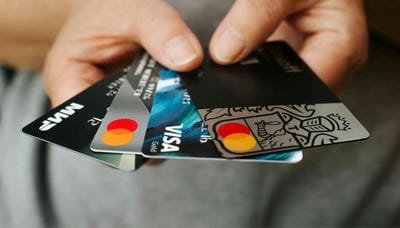
Visa is equally, if not more, widely accepted than Mastercard. Many travelers find it prudent to carry both a Visa and a Mastercard for maximum flexibility. If one network is down or a particular merchant prefers one over the other, you’ll have a backup. This redundancy provides peace of mind as you traverse the country.
Wise Card and Other Fintech Cards
Cards like Wise (formerly TransferWise) or Revolut are becoming increasingly popular among international travelers. These multi-currency cards often offer excellent exchange rates and low or no foreign transaction fees, allowing you to hold and spend Vietnamese Dong directly. They can be a fantastic way to save money and simplify your budgeting. They act much like a debit card, drawing from funds you’ve pre-loaded or converted.
Contactless and Mobile Wallet Payments
In major cities, contactless payment options are slowly gaining traction. Some larger stores or cafes might accept Apple Pay or Google Pay, but it’s not yet as ubiquitous as in many Western countries. Don’t rely solely on mobile payments; always have your physical card or cash ready. Remember, Vietnam is a country blending tradition with modernity, and payment systems reflect that evolving landscape.
Navigating ATM Withdrawals in Vietnam
Needing cash for that perfect bowl of pho or a ride on a cyclo is inevitable. Knowing how to efficiently use ATMs will make your life much easier.
Where to Find ATMs
ATMs are plentiful in urban centers and tourist areas. Look for machines from major Vietnamese banks such as Vietcombank, Sacombank, BIDV, Agribank, and Techcombank. These are generally reliable and have English language options. In smaller towns or rural areas, ATMs might be scarcer, so plan your cash withdrawals accordingly when heading off-grid.
Withdrawal Tips
- Choose Larger Banks: Stick to ATMs associated with well-known banks. They tend to be more secure and less prone to issues.
- Check for Logos: Ensure the ATM displays the Mastercard logo (and Cirrus or Maestro if it’s a debit card) before attempting a withdrawal.
- Keep Receipts: Hold onto your ATM receipts until you’ve reconciled them with your bank statement. This helps in case of any discrepancies.
- Inform Your Bank: Reiterate to your bank that you’ll be using your card for ATM withdrawals in Vietnam.
Comparison: Cash vs. Card in Vietnam
Let’s break down when to use which for optimal convenience and cost-effectiveness:
| Payment Method | Best For | Considerations |
|---|---|---|
| Mastercard/Credit Cards | Large purchases, hotels, upscale restaurants, tour bookings, major shops in cities. | Foreign transaction fees, DCC, potential for lower acceptance outside cities. |
| Debit Cards (ATM withdrawals) | Replenishing cash supply, emergencies. | ATM fees (local & bank), daily limits, security at ATMs. |
| Cash (VND) | Street food, markets, local transport, small shops, rural areas, tipping. | Security of carrying large amounts, exchange rates when converting. |
| Fintech Cards (Wise, Revolut) | Spending and withdrawing with favorable exchange rates, managing multiple currencies. | Pre-loading required, still subject to ATM fees from local banks. |
Etiquette for Mindful Transactions
As you immerse yourself in the rich culture of Vietnam, a little understanding of local payment etiquette can go a long way.
- Small Denominations for Cash: When paying with cash, especially for smaller items, try to use smaller denominations of VND. Street vendors or small shop owners may not have change for large bills.
- Patience is a Virtue: Payment processing in some smaller establishments might be a bit slower than you’re used to. Embrace the relaxed pace.
- Tipping: Tipping isn’t traditionally expected in Vietnam, but it is always appreciated for excellent service, especially in tourist-focused areas. A small cash tip to your guide, driver, or hotel staff goes a long way.
- Politeness: A simple “cám ơn” (thank you) after a transaction is a wonderful way to show appreciation.
Frequently Asked Questions
Can I use my credit card in Vietnam for all my purchases?
While you can use your credit card in Vietnam for many purchases, especially in larger establishments in cities, it’s not universally accepted. For street food, local markets, small shops, and many rural areas, cash remains the primary payment method. It’s always wise to carry a mix of cash and cards.
Are Visa and Mastercard equally accepted in Vietnam?
Generally, yes, both Visa and Mastercard are widely accepted, especially in tourist-centric businesses and major urban areas. Some establishments might prefer one over the other, or occasionally have issues with one network, so carrying both can be a good strategy.
What should I do if my Mastercard is declined in Vietnam?
First, don’t panic. Check if you have sufficient funds or credit available. Try using another card if you have one. It’s also possible that your bank flagged the transaction as suspicious, especially if you haven’t informed them of your travel plans. Contact your bank immediately if the issue persists.
Is it better to exchange currency at home or in Vietnam?
You’ll generally get a better exchange rate exchanging major currencies (like USD, EUR) in Vietnam than at home. Gold shops often offer slightly better rates than banks, but always compare and ensure transparency. Using an ATM for withdrawals with a low or no foreign transaction fee card can also be a very cost-effective way to get local currency.
How much cash should I carry daily?
This depends heavily on your travel style. For a moderate budget, carrying around 500,000 VND to 1,000,000 VND (approximately $20-$40 USD) for daily expenses like food, local transport, and small purchases is a reasonable starting point. If you plan on larger cash-only purchases, adjust accordingly.
Can I use my debit card directly for purchases in Vietnam?
While some larger establishments may accept international debit cards for direct purchases, it’s less common than credit card acceptance. Debit cards are primarily used for ATM withdrawals to obtain cash. Always be prepared to use cash for most day-to-day transactions.
Conclusion
Venturing into the heart of Vietnam is an exhilarating experience, filled with captivating sights, sounds, and tastes. Knowing that can I use Mastercard in Vietnam confidently opens up a world of convenience for larger transactions and peace of mind. However, to truly embrace the local charm, having a healthy supply of Vietnamese Dong is indispensable for those authentic market haggles, delicious street food discoveries, and rides through picturesque landscapes. By blending the modern convenience of your Mastercard with the timeless practicality of cash, you’ll be perfectly prepared for every twist and turn of your Vietnamese adventure. For more insights and to plan your unforgettable journey, connect with Vietnam Adventure – your trusted companion for mindful, meaningful exploration.