
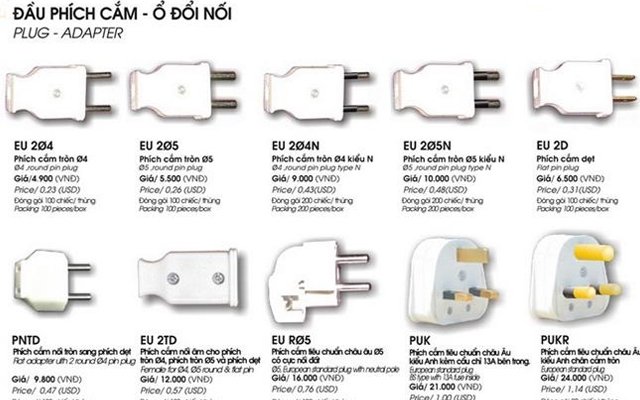
As you prepare for your unforgettable journey with Vietnam Adventure, ensuring your devices stay charged is key to capturing every magical moment. So, what plugs are used in Vietnam? The answer is that Vietnam primarily uses plug types A, C, and G. This means you will likely need a travel adapter to keep your cameras, phones, and other gadgets ready for action.
Decoding the Power Puzzle: Understanding Vietnamese Plugs and Sockets
Venturing into the vibrant tapestry of Vietnam means preparing for every detail, right down to your power plugs. The electrical system here, like many aspects of Vietnamese life, has its own unique rhythm. Understanding the types of plugs and sockets you’ll encounter is crucial for a seamless experience, allowing you to focus on the enchanting sights and sounds rather than the struggle for a charged battery.
The Main Plug Types You’ll Find
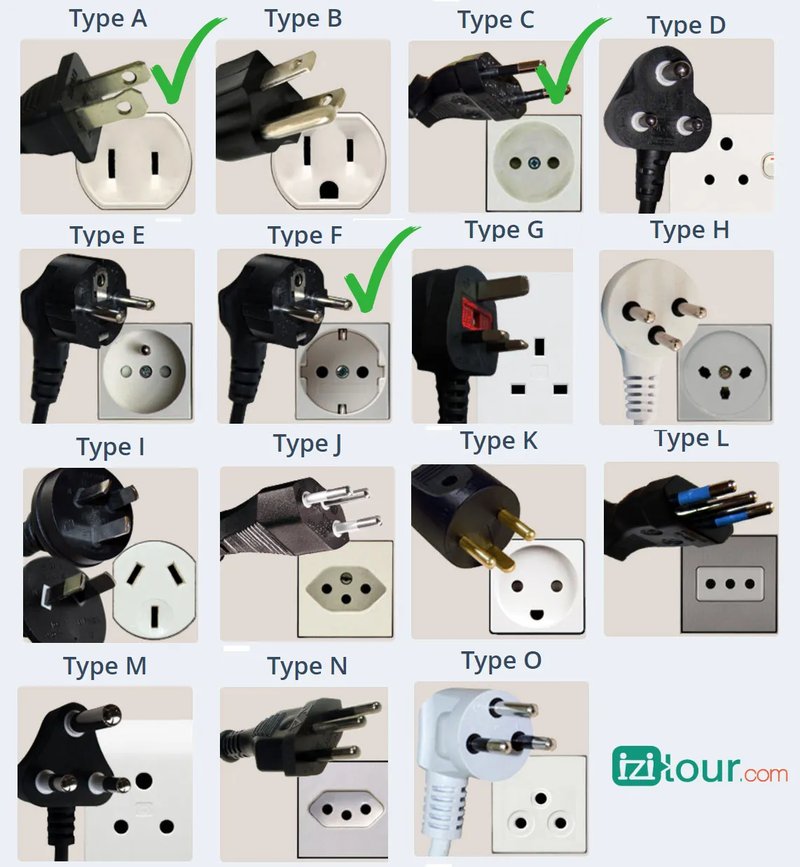
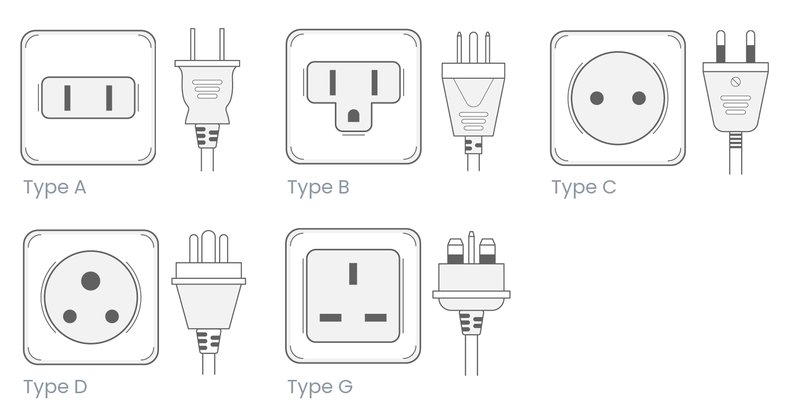
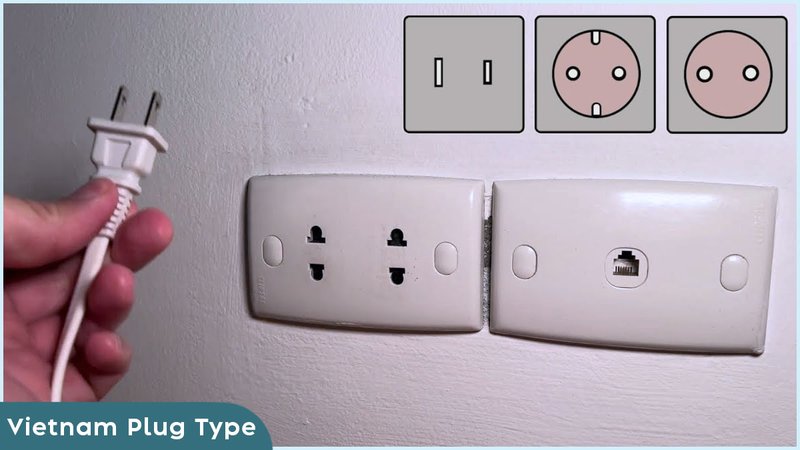
When you arrive in Vietnam, you’ll primarily encounter three main types of electrical outlets. Let’s delve into each, so you know exactly what plugs are used in Vietnam:
- Type A (North American Standard): These are the two-flat-parallel-pin plugs, commonly found in North and Central America and Japan. While less prevalent than Type C, you might still find them, especially in older establishments or those catering specifically to American tourists.
- Type C (European Standard): This is perhaps the most common plug type in Vietnam. It features two round pins and is widely used across Europe. If your devices use this plug, you’re often in luck!
- Type G (British Standard): Characterized by three rectangular pins forming a triangular pattern, this plug type is also known as the British plug. While less common than Type C, it can still be found in some hotels and newer buildings.
It’s important to remember that while these are the primary types, you might occasionally encounter variations or multi-standard sockets that accommodate more than one plug type. Always be prepared!
Voltage and Frequency in Vietnam: What You Need to Know
Beyond the shape of the plug, understanding the electrical current itself is paramount for the safety and functionality of your devices. Vietnam operates on a specific voltage and frequency, which can differ from your home country.
- Voltage: The standard voltage in Vietnam is 220V. This is a crucial piece of information. Many countries, particularly the United States and Canada, use 110-120V. If your device is rated only for 110V, plugging it into a 220V outlet without a voltage converter will likely damage it, or worse.
- Frequency: The standard frequency is 50Hz. While most modern electronic devices are quite adaptable to variations in frequency, older or more sensitive appliances might be affected if your home country uses 60Hz.
Before you pack, always check the labels on your electronic devices. Most laptops, phone chargers, and camera chargers are “dual voltage,” meaning they can handle both 110-120V and 220-240V. Look for text like “Input: 100-240V, 50/60Hz.” If your device is dual voltage, you’ll only need a plug adapter. If it’s single voltage, a voltage converter will be necessary.
Navigating the Adapter Aisle: Finding the Right Travel Companion
Now that you know what plugs are used in Vietnam, let’s talk about the essential tool for keeping your electronics alive: the travel adapter. This small, unassuming item is your gateway to staying connected, capturing memories, and navigating your Vietnamese adventure.
Choosing the Right Travel Adapter
So, what adapter for Vietnam should you bring? Given the prevalence of Type C and the occasional Type A and G, a universal travel adapter is often the most sensible choice. These versatile adapters come with multiple plug configurations, allowing you to switch between them as needed. This flexibility is a traveler’s best friend, especially in a country like Vietnam where more than one plug type is in use.
- Universal Adapters: Look for one that explicitly states compatibility with Type A, C, and G sockets. Many modern universal adapters also include USB ports, which are incredibly convenient for charging phones and tablets directly without needing their bulky wall adapters.
- Country-Specific Adapters: If you prefer simplicity, you could purchase a Type C adapter. However, this won’t cover you for the occasional Type A or G sockets, which might leave you searching for a solution in a pinch.
When a Converter is Your Companion
Remember that crucial voltage difference? If your device is not dual voltage (e.g., older hair dryers, curling irons, or some small appliances from North America), then a simple travel adapter won’t be enough. You’ll need a voltage converter.
A voltage converter transforms the higher 220V electricity in Vietnam down to 110-120V, making it safe for your single-voltage appliances. Using a converter for devices that don’t need it or a transformer for high-wattage devices is essential to avoid damage. Always double-check your device’s specifications to determine if a converter is necessary.
Practical Advice for Powering Your Journey Through Vietnam
Beyond knowing the types of plugs, a few seasoned traveler tips can make your charging experience in Vietnam utterly effortless.
Tips for Packing and Using Your Adapters
- Pack More Than One: A single adapter can lead to charging bottlenecks. Bring at least two, or even a universal adapter with multiple USB ports. This allows you to charge your phone, camera, and perhaps a power bank simultaneously.
- Power Strip with Surge Protector: If you have many devices, a small, multi-outlet power strip (ensure it’s dual voltage!) combined with one travel adapter can be a lifesaver. It protects your electronics from unexpected power surges and expands your charging capacity from a single outlet.
- Check Hotel Outlets Upon Arrival: Before unpacking everything, take a moment to survey the outlets in your hotel room. Some modern hotels, especially those catering to international guests, might have multi-standard outlets or USB charging ports built directly into the wall.
- Buy Locally if Needed: If you forget your adapter or realize you need a converter, don’t panic! Electronics stores and even some convenience stores in larger Vietnamese cities will often stock universal travel adapters. Just be sure to specify “phích cắm du lịch” (travel plug) or “adapter” to the vendor.
Safety First: A Mindful Approach to Electricity
While Vietnam is generally safe, exercising caution with electricity is always wise, especially when dealing with unfamiliar systems.
- Inspect Outlets: If an outlet looks damaged, loose, or appears to have exposed wires, avoid using it. Inform your accommodation staff immediately.
- Unplug When Not in Use: To conserve energy and for safety, unplug chargers and devices when they are not in use or when you leave your room.
- Avoid Overloading: Don’t plug too many high-wattage devices into a single outlet, especially if you’re using a power strip. This can overload the circuit and potentially cause issues.
- Water and Electronics Don’t Mix: This is a universal rule, but particularly pertinent in humid climates. Keep your charging devices away from sinks, showers, and any sources of moisture.
By keeping these simple tips in mind, you can ensure your devices are always charged and ready to capture every stunning sunrise over Ha Long Bay or every bustling moment in a Hanoi market.
Essential Power Plug Information for Your Vietnamese Adventure
To help you prepare, here’s a quick overview of the crucial electrical details for your trip to Vietnam:
| Aspect | Detail | Recommendation for Travelers |
|---|---|---|
| Standard Voltage | 220 V | Check device labels for “Input: 100-240V”. If only 110-120V, you need a voltage converter. |
| Standard Frequency | 50 Hz | Most modern devices are compatible with both 50Hz and 60Hz. |
| Primary Plug Types | A (two flat parallel pins), C (two round pins), G (three rectangular pins) | A universal travel adapter covering these types is highly recommended. |
| Adapter Needed? | Likely, yes, depending on your home country’s plug type. | Purchase a universal travel adapter before you leave or upon arrival. |
| Converter Needed? | Only if your device is single voltage (e.g., 110-120V only) and not dual voltage. | Always check device specifications; prioritize dual-voltage devices. |
This table provides a quick reference to ensure you’re fully equipped to handle all your charging needs while immersed in the beauty of Vietnam.
Frequently Asked Questions About Vietnamese Power Plugs
Do I need a travel adapter for Vietnam?
Yes, most international travelers will need a travel adapter for Vietnam. The primary plug types found are A, C, and G. Unless your devices natively use one of these types and match the local voltage, an adapter is essential to plug your electronics into Vietnamese sockets.
What is the voltage in Vietnam, and do I need a converter?
The standard voltage in Vietnam is 220V, and the frequency is 50Hz. You will need a voltage converter only if your electronic devices are single voltage and designed for a different voltage (e.g., 110-120V from North America). Most modern devices like laptops, phones, and camera chargers are dual voltage (100-240V) and will only require a plug adapter, not a converter.
Can I buy a travel adapter in Vietnam?
Yes, you can certainly buy travel adapters in Vietnam. Major cities like Hanoi, Ho Chi Minh City, and Da Nang have numerous electronics stores, supermarkets, and even some convenience stores where you can purchase universal travel adapters. It’s often easier to buy one before you go, but it’s not a disaster if you forget.
What’s the difference between a travel adapter and a voltage converter?
A travel adapter physically changes the shape of your plug to fit into a foreign wall socket, but it does not alter the electrical voltage. A voltage converter, on the other hand, changes the electrical voltage from one level to another (e.g., from 220V to 110V) to protect your single-voltage devices from damage. You only need a converter if your device is not dual voltage.
Are USB charging ports common in Vietnam?
USB charging ports are becoming increasingly common in newer hotels and some cafes, particularly in tourist areas. However, it’s not universal, so relying solely on USB ports might leave you short on charging options. It’s always best to bring your own wall charger and adapter to ensure you can charge all your devices reliably.
Your Journey, Powered Up and Ready
Preparing for your adventure in Vietnam means taking care of the small details, like understanding what plugs are used in Vietnam. With the right adapter and a little foresight about voltage, you can ensure your devices are always charged, allowing you to capture every stunning vista and heartwarming interaction. Don’t let a flat battery interrupt your exploration of this incredible country. Pack smart, stay charged, and let Vietnam Adventure guide you to an unforgettable experience, where every moment is illuminated and every memory is preserved.