
Embark on a captivating journey with Vietnam Adventure as we unveil the incredible biodiversity that thrives within this enchanting country. If you’ve ever wondered what animals live in Vietnam, prepare to be amazed. From the elusive Saola to the majestic Asian Elephant, Vietnam is a vibrant tapestry of life, home to an extraordinary array of mammals, reptiles, birds, and marine creatures. This post will guide you through the diverse habitats and introduce you to some of the most iconic and rare inhabitants of Vietnam’s lush landscapes and azure waters, inspiring mindful and meaningful exploration of its natural wonders.

The Wild Heart of Vietnam: A Haven for Biodiversity
Vietnam’s unique geographical position, stretching from northern mountains to a long coastline and fertile deltas, creates an incredible mosaic of ecosystems. This diverse environment allows a vast number of species to flourish, making it a critical hotspot for global biodiversity. Exploring what animals live in Vietnam reveals a commitment to conservation, with numerous national parks and nature reserves protecting these precious inhabitants. From dense rainforests to expansive wetlands, each habitat offers a glimpse into a world teeming with life.
Mammals of Vietnam: Giants and Elusive Wonders
The mammalian inhabitants of Vietnam are truly spectacular. You might envision ancient forests echoing with the trumpeting of an Asian Elephant, gentle giants that roam in dwindling numbers. Their presence is a powerful reminder of the importance of conservation efforts across the region.
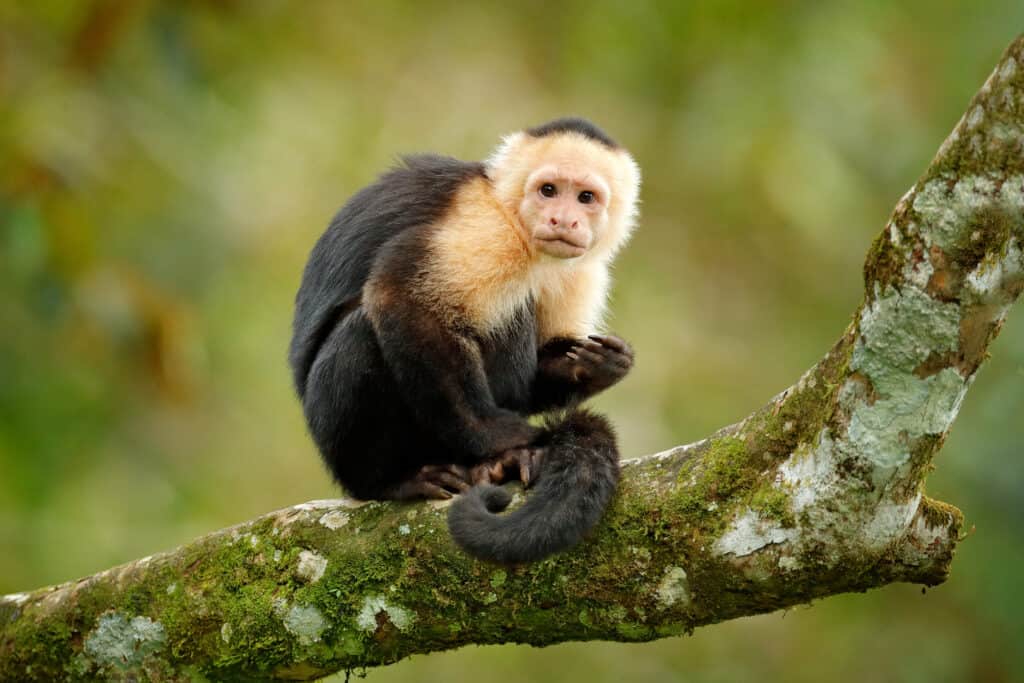
For those fascinated by primates, Vietnam is a treasure trove. Keep an eye out for the vibrant Red-shanked Douc Langur, often called the “five-colored arboreal ape” for its striking appearance. These shy creatures, with their distinct coloration, are a joy to behold in their natural canopy homes. The critically endangered Delacour’s Langur and Cat Ba Langur, found in specific limestone karsts, represent some of the rarest primates on Earth. Observing them is a truly humbling experience, emphasizing the fragility of their existence.
And what about the big cats? Many travelers ask, are there big cats in Vietnam? Indeed, the jungles of Vietnam are home to secretive predators like the Clouded Leopard, an agile hunter with a beautiful, cloud-like coat. While incredibly elusive and rarely seen, their presence signifies a healthy and thriving ecosystem. Other fascinating felines include the smaller yet equally wild Leopard Cat, a nocturnal hunter of rodents and birds.
Then there’s the mystical Saola, often referred to as the “Asian Unicorn.” This bovine relative is one of the world’s most recently discovered large mammals and is critically endangered, rarely seen by humans. Its existence is a testament to the hidden depths of Vietnam’s wilderness. You might also encounter the gentle Sun Bear, the smallest bear species, with a distinctive crescent mark on its chest, foraging for fruits and insects.
Reptiles and Amphibians: Masters of Camouflage
Vietnam’s warm, humid climate and varied terrain make it a haven for reptiles and amphibians. From the ancient Siamese Crocodile, a critically endangered species found in isolated wetland areas, to a fascinating array of lizards and snakes, these creatures play vital roles in their ecosystems.
Along the coast and around islands, you might spot the magnificent Green Sea Turtle gliding through crystal-clear waters, returning to lay eggs on protected beaches. Their long journey reminds us of the interconnectedness of marine and terrestrial environments. The quirky Vietnamese Mossy Frog, with its incredible camouflage resembling moss and lichen, is another unique inhabitant, perfectly adapted to its moist, rocky homes.
Avian Wonders: Feathers and Song
Birdwatchers rejoice! Vietnam is a paradise for avian enthusiasts, boasting hundreds of species. The majestic Crested Argus Pheasant with its elaborate plumage and the impressive Great Hornbill are just a few of the stunning birds that grace the Vietnamese skies and forests. From tiny sunbirds flitting amongst blossoms to powerful raptors soaring above mountain peaks, the air is alive with their presence.

Marine Life: Beneath the Waves
The extensive coastline and numerous islands of Vietnam reveal another world entirely. The waters are home to diverse marine life, including coral reefs teeming with colorful fish, dugongs gently grazing on seagrass, and various dolphin species. The graceful Irrawaddy Dolphin, with its rounded head and shy nature, can be found in certain coastal and riverine areas, a rare and precious sight for those on mindful boat tours.
Best Places to Spot Animals in Vietnam
To truly experience what animals are in Vietnam and witness them in their natural habitats, dedicated exploration is key. Vietnam boasts an impressive network of national parks and nature reserves, each offering unique wildlife viewing opportunities.
National Parks and Nature Reserves
- Cuc Phuong National Park: Vietnam’s oldest national park, renowned for its primate rescue center and excellent birdwatching. You might see langurs, civets, and a stunning array of bird species here.
- Phong Nha-Ke Bang National Park: Famous for its dramatic karst landscapes and incredible cave systems, this park is also home to the Saola, though sightings are exceedingly rare. It’s a critical habitat for many endemic species.
- Cat Ba Island & National Park: This island sanctuary is the last remaining habitat for the critically endangered Cat Ba Langur. Kayaking through the bays offers glimpses of various marine and coastal birds.
- Yok Don National Park: One of the few remaining habitats for the Asian Elephant in Vietnam, offering a chance to see these magnificent creatures in a protected environment.
- Con Dao National Park: An archipelago known for its pristine marine environment, ideal for spotting Green Sea Turtles, dugongs, and a variety of vibrant coral reef fish.
Rivers, Wetlands, and Coastal Areas
The vast Mekong Delta is a vital wetland ecosystem, supporting countless fish species, water birds, and even some freshwater dolphins. Boat trips here often reveal glimpses of local wildlife alongside traditional Vietnamese life. Coastal areas, particularly around protected islands, are crucial for marine species. Remember, respectful and responsible tourism is paramount when visiting these delicate ecosystems.
Responsible Wildlife Viewing in Vietnam
Our commitment at Vietnam Adventure extends beyond simply showing you the wonders of Vietnam; we believe in fostering a deep respect for its natural heritage. When seeking to discover what animals live in Vietnam, it’s crucial to do so mindfully. Here’s how:
| Guideline | Description |
|---|---|
| Maintain Distance | Always observe animals from a respectful distance. Never approach, chase, or disturb wildlife. Use binoculars or zoom lenses for closer views. |
| No Feeding | Never feed wild animals. It can alter their natural behavior, make them dependent on humans, and lead to health problems. |
| Stay on Marked Paths | Keep to designated trails and paths in national parks and reserves. This minimizes disturbance to sensitive habitats and reduces the risk of encountering dangerous animals unintentionally. |
| Minimize Noise | Keep noise levels down to avoid startling or stressing animals. The quieter you are, the more likely you are to observe natural behaviors. |
| No Littering | Carry out everything you carry in. Plastic and other waste can be incredibly harmful to wildlife. |
| Support Local Conservation | Choose reputable tour operators who prioritize ethical wildlife viewing and contribute to conservation efforts. Your tourism dollars can make a difference. |
By following these simple guidelines, you help ensure that Vietnam’s extraordinary wildlife can thrive for generations to come, allowing future travelers to also marvel at what animals live in Vietnam.
Frequently Asked Questions
Are there tigers in Vietnam?
While historically tigers were found across Vietnam, their populations have significantly declined due to habitat loss and poaching. Today, they are critically endangered and extremely rare, with only a few individuals possibly surviving in remote, dense forest areas. Sightings are virtually non-existent for tourists, but conservation efforts are ongoing to protect any remaining individuals.
What is the national animal of Vietnam?
Vietnam does not have an officially designated national animal. However, the Water Buffalo holds a significant cultural and historical place in Vietnamese society, symbolizing strength, diligence, and prosperity, deeply tied to the country’s agricultural heritage.
Are there pandas in Vietnam?
No, giant pandas are not native to Vietnam. Their natural habitat is limited to mountain ranges in central China.
What marine animals can be seen in Vietnam?
Vietnam’s coastal waters and islands are rich in marine life. You can potentially see Green Sea Turtles, Irrawaddy Dolphins, dugongs (especially around Con Dao), various species of reef sharks, colorful coral reef fish, and a wide array of crustaceans and mollusks.
Are the forests in Vietnam safe for wildlife viewing?
Generally, national parks and designated nature reserves are safe for guided wildlife viewing. It is crucial to always go with experienced local guides who know the terrain and animal behaviors, adhere to park rules, and avoid venturing into unknown or unpatrolled areas. Being prepared for insects and following safety briefings is also important.
Discovering the Majestic Wildlife of Vietnam
From the towering trees where langurs leap to the hidden depths where the Saola roams, the answer to what animals live in Vietnam is a vibrant symphony of life. Every rustle in the leaves, every distant call, hints at the incredible biodiversity that makes this country so special. We invite you to explore this natural wonder with a spirit of adventure and respect, ensuring these precious creatures continue to thrive. Ready to witness these marvels firsthand? Begin your unforgettable journey with Vietnam Adventure.