
Xin chào, fellow wanderer! As you plan your next unforgettable journey with Vietnam Adventure, you might be curious about the air you’ll breathe in this vibrant land. It’s a natural concern, and we believe in empowering our travelers with knowledge for mindful exploration. So, let’s delve into what causes air pollution in Vietnam. In essence, the primary culprits are a blend of rapid industrialization, increasing vehicular emissions, and traditional biomass burning for cooking and heating, further exacerbated by geographical and meteorological factors.
Unveiling the Layers: Key Contributors to Vietnam’s Air Quality
When we talk about what causes air pollution in Vietnam, it’s a complex tapestry woven from various threads of development and daily life. The country’s incredible economic growth, while bringing prosperity, has also presented environmental challenges. Understanding these facets helps us appreciate the efforts being made and how we, as conscious travelers, can also contribute positively.
The Roar of Progress: Industrial Emissions and Energy Production
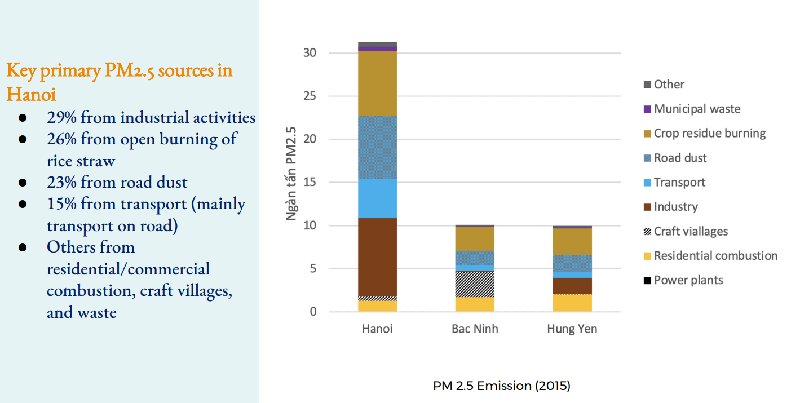
Vietnam’s booming manufacturing sector, a testament to its dynamism, unfortunately, plays a significant role in ambient air pollution. Factories, particularly those in heavy industries like cement, steel, and thermal power generation, release a cocktail of pollutants into the atmosphere. These include particulate matter (PM2.5 and PM10), sulfur dioxide (SO2), nitrogen oxides (NOx), and volatile organic compounds (VOCs). The drive for energy, often reliant on coal-fired power plants, further intensifies this impact. You might occasionally feel a slight haze in industrial zones, a tangible reminder of this industrial heartbeat.

The Urban Symphony: Vehicular Emissions
Step into the bustling streets of Hanoi or Ho Chi Minh City, and you’ll immediately be immersed in a symphony of motorbikes, cars, and buses. This vibrant energy, however, comes with a cost. The sheer volume of vehicles, many of which are older models with less stringent emission controls, contributes heavily to urban air pollution. Exhaust fumes release carbon monoxide (CO), hydrocarbons, nitrogen oxides, and fine particulate matter, especially PM2.5. This is a major reason why you might wonder, “is Vietnam polluted?” especially in its dense urban centers. The sheer density of vehicles makes it a critical factor in what causes air pollution in Vietnam in the cities.
Traditional Practices: Biomass Burning and Agricultural Activities
Beyond the cities, in rural landscapes, traditional practices contribute to air pollution. Biomass burning, such as using wood, charcoal, or agricultural waste for cooking and heating in homes, releases significant amounts of smoke and particulate matter. This is a common practice, deeply rooted in culture and necessity, but it impacts indoor and localized outdoor air quality. Furthermore, agricultural burning, particularly stubble burning after harvests, also releases pollutants into the air, affecting wider areas and contributing to regional haze.
Geographical and Meteorological Influences
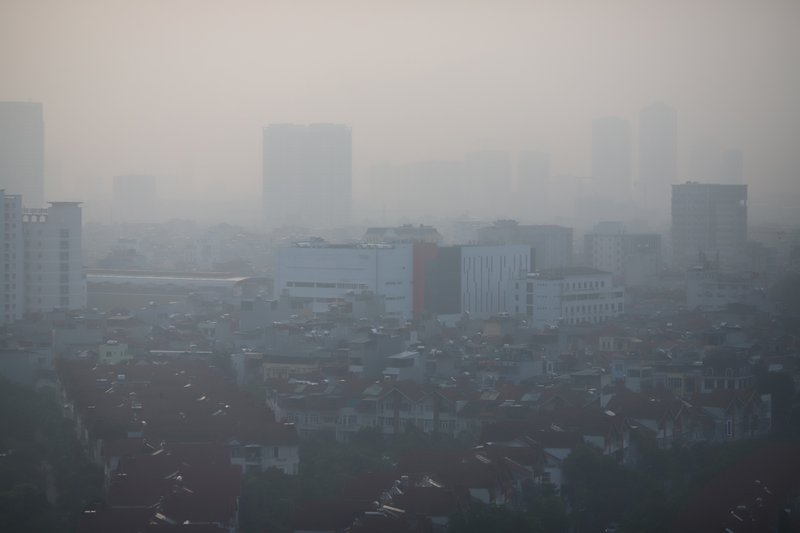
It’s not just human activity; nature plays a part too. Vietnam’s tropical climate and topography can sometimes trap pollutants. During certain seasons, particularly the dry season (roughly November to April), stagnant air masses and thermal inversions can prevent pollutants from dispersing, leading to higher concentrations. This is why you might notice that “how polluted is Vietnam” can vary greatly with the time of year and specific weather patterns. This also explains why is Vietnam so polluted during certain times, as natural factors conspire with human-made emissions.
The Transboundary Challenge
Air pollution doesn’t respect borders. Sometimes, pollutants can drift into Vietnam from neighboring countries, especially during periods of agricultural burning or industrial activity in the region. This transboundary pollution adds another layer of complexity to the national air quality challenge.
Safeguarding Your Journey: Mindful Exploration and Practical Tips
While discussing what causes air pollution in Vietnam, we also want to equip you with ways to ensure your comfort and well-being. Vietnam Adventure is committed to responsible tourism, and part of that is being informed.
- Stay Informed: Regularly check local air quality index (AQI) reports, especially if you are sensitive to air quality. Apps like IQAir or local government environmental agency websites can provide real-time data.
- Mask Up: During periods of higher pollution, consider wearing a high-quality N95 or KN95 mask. These can significantly filter out fine particulate matter, making your outdoor explorations more comfortable.
- Timing is Everything: If possible, plan outdoor activities during times of lower pollution, often in the early mornings or late evenings, or after rain, which helps clear the air.
- Indoor Comfort: When indoors, especially in hotels or accommodations, ensure good ventilation. Some accommodations might even offer air purifiers.
- Responsible Travel Choices: Support eco-friendly transport options where available, and be mindful of your own environmental footprint during your travels.
- Embrace Local Solutions: Many Vietnamese people are actively engaged in environmental protection. Observe and appreciate local efforts to reduce pollution.
Air Pollution and Your Health: What to Know
Understanding the health implications of air pollution helps in making informed decisions about your travel. Short-term exposure can lead to respiratory irritation, coughing, and discomfort, especially for individuals with pre-existing conditions like asthma. Long-term exposure, particularly to fine particulate matter (PM2.5), is linked to more serious health issues, including cardiovascular and respiratory diseases. While a short trip to Vietnam is unlikely to cause severe long-term effects, being aware allows you to take precautions.
| Pollutant Type | Primary Sources in Vietnam | Potential Health Impacts |
|---|---|---|
| Particulate Matter (PM2.5, PM10) | Vehicular emissions, industrial activity, biomass burning, construction dust | Respiratory irritation, asthma exacerbation, heart and lung disease (long-term) |
| Nitrogen Oxides (NOx) | Vehicular emissions, industrial combustion | Respiratory problems, irritation of airways |
| Sulfur Dioxide (SO2) | Industrial emissions (coal-fired power plants) | Respiratory symptoms, aggravated asthma |
| Carbon Monoxide (CO) | Incomplete combustion (vehicles, biomass burning) | Headaches, dizziness, impaired oxygen transport |
Frequently Asked Questions About Air Quality in Vietnam
What are the main sources of air pollution in Vietnam?
The main sources of air pollution in Vietnam are industrial emissions, vehicular emissions, and biomass burning, especially from agriculture and household cooking. Geographical and meteorological conditions also play a role in trapping pollutants.
How polluted is Vietnam compared to other Southeast Asian countries?
The question of “how polluted is Vietnam” often arises in comparison to its neighbors. While some Vietnamese cities, like Hanoi and Ho Chi Minh City, do experience significant pollution levels that can at times rival or exceed those in other major Southeast Asian cities, it’s a dynamic situation. Air quality varies greatly by city, region, and season. Many rural areas still boast relatively clean air, while urban centers face common challenges linked to rapid development, similar to other fast-growing economies in the region.
Is Vietnam polluted consistently throughout the year?
No, air pollution in Vietnam is not consistent throughout the year. It tends to be worse during the dry season, typically from November to April, when stagnant air conditions and lower rainfall allow pollutants to accumulate. The rainy season, from May to October, often brings better air quality as rain helps to wash pollutants out of the atmosphere.
Why is Vietnam so polluted in certain cities like Hanoi and Ho Chi Minh City?
The reason why is Vietnam so polluted in its largest cities, Hanoi and Ho Chi Minh City, stems from a concentrated mix of factors. High population density, immense numbers of vehicles, industrial activity on the city outskirts, and the burning of biomass from surrounding agricultural areas all contribute. Additionally, geographical features can sometimes trap air, especially in Hanoi, making pollution more acute.
What can individuals do to protect themselves from air pollution in Vietnam?
Individuals can protect themselves by checking daily air quality reports, wearing N95 or KN95 masks during high pollution days, staying indoors when pollution is severe, and using air purifiers in their living spaces. Opting for less exposed travel routes and supporting sustainable practices also helps.
Embracing Vietnam’s Beauty Responsibly
Our goal at Vietnam Adventure is to help you experience the profound beauty and vibrant culture of Vietnam. Understanding what causes air pollution in Vietnam is not about deterring your journey, but about empowering you to travel wisely and responsibly. Vietnam is a country of breathtaking landscapes, heartwarming encounters, and unforgettable flavors, and with a little preparation and awareness, you can fully immerse yourself in its magic. Join us on an adventure where every breath tells a story, and every moment is cherished. Come explore with Vietnam Adventure!