
Welcome, fellow wanderer! As your friendly companion from Vietnam Adventure, I am thrilled to guide you through the dazzling landscapes and rich culture of Vietnam. To truly embrace the magic of this country, it is vital to understand what should I avoid in Vietnam. The concise answer is: avoid disrespecting local customs, falling for common tourist scams, being careless with personal belongings, and neglecting basic food and water safety. By being mindful of these key areas, your journey will be infinitely more rewarding and authentic.
Navigating Cultural Etiquette with Grace
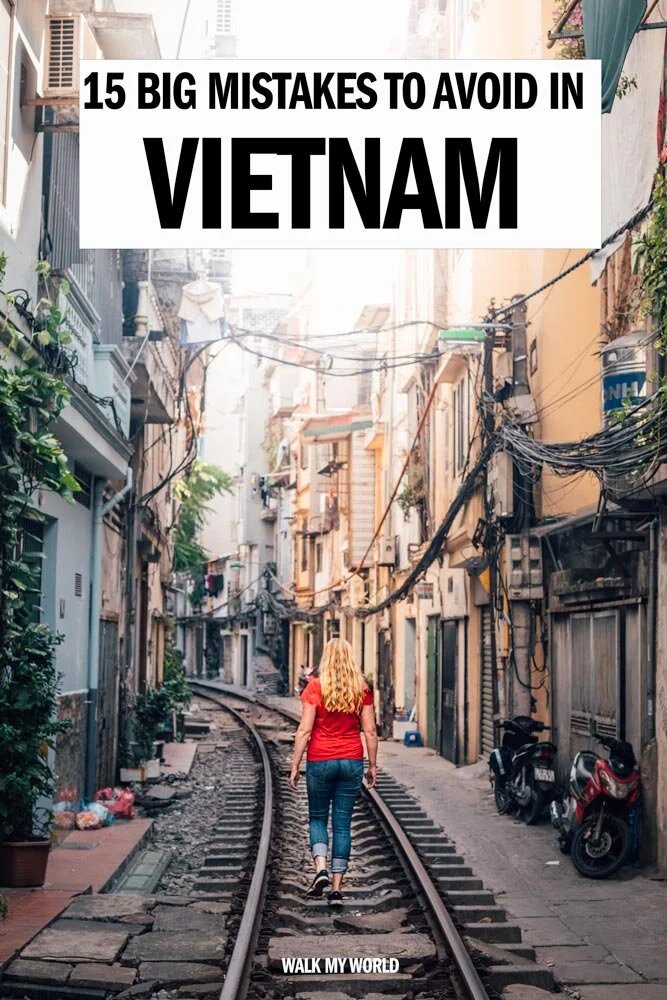
Vietnam’s heart beats with ancient traditions and profound respect. Understanding the local customs will open doors to genuine connections and richer experiences. Knowing what not to do in Vietnam culturally is just as important as knowing what to embrace.
Dress Thoughtfully, Especially at Sacred Sites
Imagine stepping into the hushed serenity of a pagoda, the scent of incense lingering in the air, or visiting a venerable temple where centuries of devotion reside. In such sacred places, modest dress is paramount. Covering your shoulders and knees shows reverence for the spiritual significance of the site and for the local people who worship there. Think light, breathable fabrics that offer coverage, ensuring you’re comfortable while also being respectful.
Mind Your Gestures and Physical Contact
Vietnamese culture generally values modesty and a certain formality in public interactions. While warm smiles are always welcome, it’s best to avoid excessive public displays of affection. Likewise, pointing with your finger can be seen as impolite; instead, use your whole hand. When interacting with elders, a slight bow of the head is a beautiful gesture of respect. Remember, a gentle approach always wins hearts.
Respect Elders and Local Customs
Elders hold a revered place in Vietnamese society. Showing them respect, such as greeting them first or offering a seat, is deeply appreciated. Beyond individual interactions, simply observing and mirroring local behavior in public spaces is a wonderful way to blend in. For instance, when invited into a Vietnamese home, it’s customary to remove your shoes at the door. These small gestures speak volumes.
Be a Responsible Photographer
The vibrant street scenes, the serene landscapes, the captivating faces – Vietnam offers endless photographic opportunities. However, always remember to ask permission before photographing individuals, especially children or those in traditional attire. A simple gesture, a smile, or a verbal “xin phép” (pronounced sin fehp, meaning “excuse me” or “may I?”) goes a long way. Respect their privacy and their wishes.
Steering Clear of Common Scams and Tourist Traps
While Vietnam is generally safe and its people incredibly kind, a few opportunistic individuals exist, just like anywhere else in the world. Knowing what should I avoid in Vietnam when it comes to potential scams will safeguard your peace of mind and your wallet.
Cyclo and Motorbike Ride Rip-offs
The charm of a cyclo ride through Hanoi’s Old Quarter or a motorbike taxi whisking you through Saigon’s bustling streets is undeniable. However, always agree on a price BEFORE you start your journey. Clarify if the price is per person or per ride, and for how long. Many tourists find themselves paying exorbitant rates if this vital step is skipped. For motorbikes, consider using ride-hailing apps like Grab for transparent pricing.
“Friendly” Locals with Ulterior Motives
You’ll encounter countless genuinely kind and helpful Vietnamese people. Yet, sometimes, an overly friendly approach from a stranger might be a precursor to a scam. This could involve leading you to an overpriced shop, offering a “free” tour that ends with a hard sell, or claiming a restaurant is closed to guide you to their cousin’s establishment. Trust your gut. If an offer feels too good to be true, it probably is. Politely decline and continue on your way.
Taxi Meter Scams
When taking a taxi, always opt for reputable companies like Mai Linh (green cars) or Vinasun (white cars), which use reliable meters. Avoid unmarked taxis or those that seem unusually cheap. Always ensure the meter is running and reset to zero when you begin your trip. Some drivers may try to take a longer route or have tampered meters. If you suspect foul play, note the taxi number and company, and consider exiting at a safe, public spot.
The “Found” Item or Forced Service Scam
This subtle trick involves someone “finding” an item (like a shoe brush or a postcard) you supposedly dropped and then demanding payment for their “service.” Another variation is a vendor placing an item in your hand or on your person, then insisting you pay for it. The best defense is to be aware of your surroundings and firmly say “no” or “không” (pronounced khom) and walk away. Do not let them force items on you.
Food and Drink: What to Be Cautious Of
Vietnamese cuisine is a glorious symphony of flavors, and street food is an unmissable experience. However, there are still things not to do in Vietnam regarding what you consume to avoid an upset stomach.
Embrace Street Food, But Wisely
Don’t skip street food! It’s the soul of Vietnamese culinary culture. But be mindful. Choose stalls that are busy with locals – this is often a sign of fresh ingredients and quick turnover. Look for vendors who cook food fresh to order, and observe their hygiene practices. If something looks unappetizing or appears to have been sitting out for a long time, it’s best to pass.
Beware of Tap Water
A cardinal rule for any traveler in Vietnam: never drink tap water. Stick to bottled water, which is widely available and inexpensive. Use bottled water for brushing your teeth as well. Ice in drinks from reputable establishments is usually safe, as they often use filtered water, but if in doubt, avoid it.
Over-Indulging in Unfamiliar Delicacies
While adventurous eating is part of the fun, suddenly trying many rich or unusual dishes can sometimes lead to digestive discomfort. Introduce new foods gradually and listen to your body. If you have a sensitive stomach, you might want to ease into the spicier or more exotic options.
Safety and Security: How to Stay Safe
Vietnam is a remarkably safe country for travelers, with violent crime being rare. However, petty theft can occur, especially in crowded tourist areas. Knowing what to avoid in Vietnam to protect your belongings is key.
Guard Your Personal Belongings
When you’re exploring bustling markets or navigating busy streets, be aware of your valuables. Wear your backpack on your front in crowded areas, or use a cross-body bag that’s difficult to snatch. Avoid flashing expensive cameras or phones unnecessarily. Keep your wallet in a secure front pocket and carry only what you need for the day. Leave passports and large sums of cash in your hotel safe.
Crossing the Street (A Unique Adventure!)
Traffic in Vietnamese cities can seem chaotic, a swirling river of motorbikes and cars with an orchestra of horns. The key is not to wait for a gap, but to walk slowly and steadily across the street, allowing the traffic to flow around you. Don’t make sudden movements. Drivers are adept at predicting pedestrian paths. Hesitation or running can actually be more dangerous. Take a deep breath and walk with confidence!
Random Taxis and Motorbikes
As mentioned before, avoid flagging down random taxis or motorbikes, particularly in major cities. Stick to reputable companies like Mai Linh and Vinasun, or use ride-hailing apps such as Grab for both cars and motorbikes. This provides a layer of safety and price transparency that helps prevent scams.
General Travel Mistakes to Avoid
Beyond specific cultural norms or safety concerns, some general travel pitfalls are good to be aware of when considering what should I avoid in Vietnam.
Ignoring the Size of the Country
Vietnam is a long, slender country, stretching over 1,600 kilometers from north to south. Don’t underestimate the travel time between major destinations. While domestic flights are efficient, train and bus journeys can be long. Plan your itinerary realistically to avoid rushing and ensure you have enough time to truly savor each region’s unique charm.
Over-Planning Every Single Moment
While an itinerary is helpful, leave room for spontaneity! Some of the most magical moments in Vietnam happen when you stumble upon a hidden alleyway cafe, accept an unexpected invitation, or simply sit and watch the world go by. Rigidity can prevent these delightful discoveries. Be flexible, embrace the unexpected, and let Vietnam surprise you.
Cultural Etiquette for Mindful Tipping
Tipping is not deeply ingrained in Vietnamese culture as it is in some Western countries, but it is always appreciated, especially for good service. Knowing when and how much to tip can be a thoughtful gesture, showing gratitude without causing discomfort. Here’s a brief guide to navigate tipping, considering what should I avoid in Vietnam regarding expectations versus appreciation:
| Service Type | Guidance on Tipping | What to Avoid / Notes |
|---|---|---|
| Restaurants | Generally not expected in local eateries. In mid-range to upscale restaurants, a small tip (5-10% or rounding up) is appreciated for excellent service. | Avoid: Feeling obligated to tip at every street food stall. It’s not the norm. |
| Tour Guides | Highly appreciated for full-day tours. A range of 50,000-100,000 VND per person per day is a good guideline for group tours. For private guides, 100,000-200,000 VND per day. | Avoid: Tipping too little if the service was exceptional, as guides often rely on tips. |
| Drivers (Taxi/Grab/Private) | For short taxi/Grab rides, rounding up to the nearest 10,000 VND is common. For private drivers on day trips, 50,000-100,000 VND is a kind gesture. | Avoid: Insisting on a tip if a driver declines; sometimes it’s genuinely against their policy. |
| Hotel Staff (Porters/Housekeeping) | A small tip of 20,000-50,000 VND for porters or housekeeping is a nice way to show appreciation. | Avoid: Large, showy tips. Discrete appreciation is generally preferred. |
| Spa/Massage Therapists | If you enjoyed your treatment, a tip of 50,000-100,000 VND is a generous and welcome gesture. | Avoid: Not tipping at all for good service, especially in smaller, local establishments where staff might earn less. |
Remember, tipping should always come from a place of genuine appreciation for good service, rather than obligation. A heartfelt “cảm ơn” (thank you) with a tip speaks volumes.
Frequently Asked Questions
Is Vietnam safe for solo female travelers?
Yes, Vietnam is generally very safe for solo female travelers. Like anywhere, it’s wise to take standard precautions: be aware of your surroundings, especially at night, don’t walk alone in dimly lit areas, and always let someone know your itinerary. Use reputable transportation and trust your instincts. The warmth of the Vietnamese people makes for a welcoming experience.
Is it okay to haggle/bargain in Vietnam?
Absolutely! Haggling is a common and expected practice in markets, souvenir shops, and with street vendors. It’s part of the experience. Start by offering around half to two-thirds of the asking price and negotiate politely with a smile. However, in fixed-price stores, supermarkets, and formal restaurants, haggling is not appropriate. Knowing what not to do in Vietnam regarding where to bargain can save you awkward moments.
What should I do if I get scammed?
If you suspect you’ve been scammed, the best approach depends on the situation. For minor issues like an overcharged taxi, try to negotiate calmly. If it’s a more serious matter or you feel unsafe, remove yourself from the situation. For theft or significant scams, report it to the local police (though be aware that language barriers can be a challenge) and inform your embassy or consulate. It’s always wise to have travel insurance.
Can I drink the tap water in hotels?
No, it is strongly advised to avoid drinking tap water in hotels or anywhere in Vietnam. Always stick to bottled water for drinking and even for brushing your teeth. Most hotels provide complimentary bottled water in your room. If not, it’s readily available at convenience stores.
Embrace Your Vietnamese Adventure with Awareness
As you prepare for your incredible journey, remember that knowing what should I avoid in Vietnam isn’t about fear, but about fostering understanding and ensuring a smooth, respectful, and joyful exploration. By being mindful of cultural nuances, aware of potential minor pitfalls, and embracing the genuine warmth of the people, you’re set for an experience that will touch your soul. So, pack your bags with an open heart and a curious spirit, and let Vietnam Adventure guide you to the unforgettable wonders of this captivating land!