
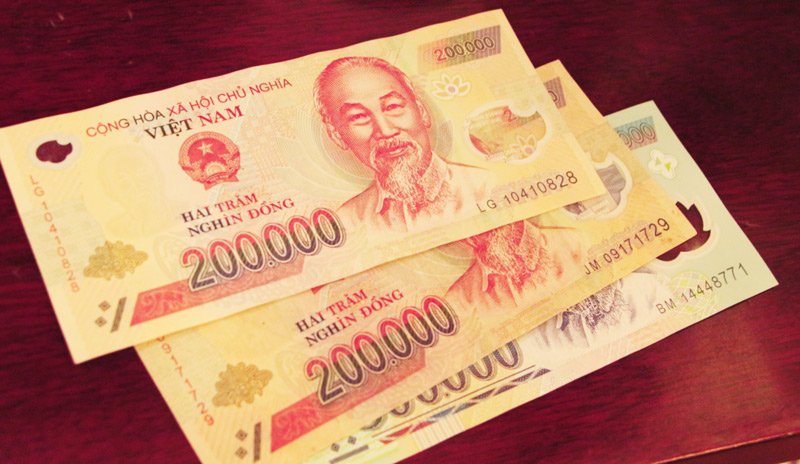
As you embark on a captivating adventure with Vietnam Adventure, one of the first practical considerations that might cross your mind is currency. The burning question on many travelers’ lips is, can you use dollars in Vietnam? While US Dollars are occasionally accepted in certain tourist-centric areas, the official and overwhelmingly preferred currency throughout Vietnam is the Vietnamese Dong (VND).
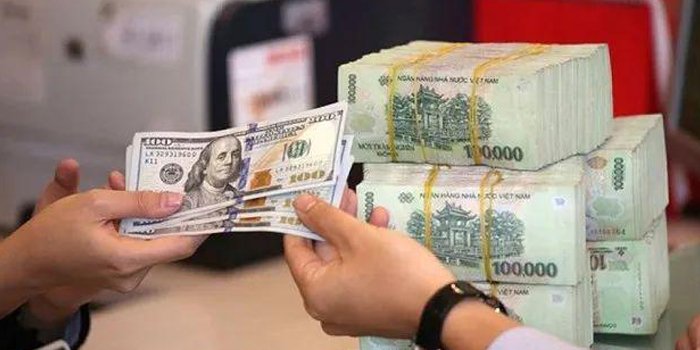
Understanding the Local Currency: Vietnamese Dong (VND)
When you journey through Vietnam, you’ll quickly become familiar with the vibrant notes of the Vietnamese Dong. This is the lifeblood of daily transactions, from bustling markets to quaint cafes. While the idea of using US Dollars might seem convenient, embracing the local currency truly enhances your experience and often secures you better prices.
What is the Currency of Vietnam?
The official currency, what is the currency of Vietnam, is the Vietnamese Dong (VND). It comes in various denominations, primarily polymer banknotes. You’ll encounter notes like 1,000, 2,000, 5,000, 10,000, 20,000, 50,000, 100,000, 200,000, and 500,000 VND. Don’t be intimidated by the large numbers; Vietnam offers incredible value, and these higher denominations quickly become familiar.
Can you use USD in Vietnam? Limited Acceptance
While some tourist establishments, particularly those catering heavily to international visitors like high-end hotels, tour operators, and some souvenir shops in major cities, might quote prices in USD or accept it, it’s not the norm. Even where can you use USD in Vietnam is an option, the exchange rate offered will likely be less favorable than what you’d get when exchanging USD for VND at an official exchange point. This means you’ll end up paying more for goods and services.
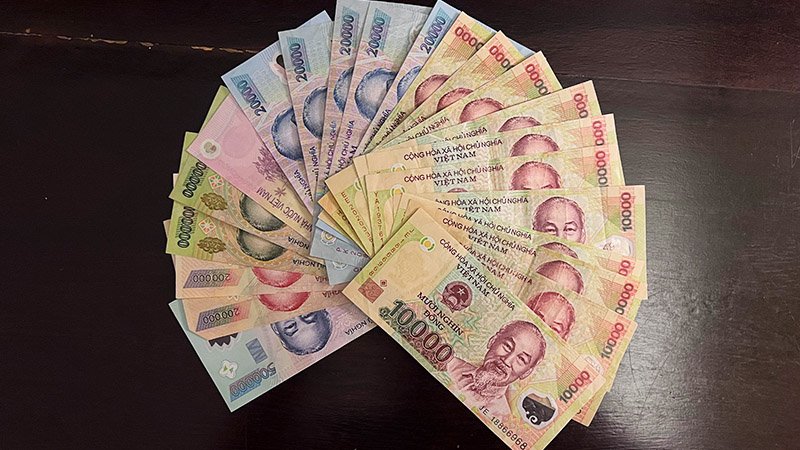
Why Primarily Use Vietnamese Dong?
Using the local currency, what currency does Vietnam use, is not just about convenience; it’s about respectful and economical travel. When you pay in VND, you demonstrate an appreciation for local customs and avoid potential misunderstandings or overcharges that can arise from using foreign currency. Plus, for everyday purchases like a bowl of pho from a street vendor or a refreshing coconut water, VND is the only practical option.
Exchanging Your Dollars for Dong
So, if the question “can you use American dollars in Vietnam for everything” is largely answered with a no, how best to manage your money? Exchanging your US dollars for Vietnamese Dong is straightforward and generally offers excellent rates.
Where to Exchange Money in Vietnam
- Banks: Major banks like Vietcombank, Agribank, and BIDV offer reliable exchange services with competitive rates. You’ll typically need your passport.
- Gold and Jewelry Shops: Surprisingly, many gold and jewelry shops, especially in bustling areas of Hanoi and Ho Chi Minh City, offer some of the best exchange rates, often slightly better than banks. Look for official signs indicating currency exchange services.
- Airports: While convenient upon arrival, airport exchange rates are usually less favorable. It’s wise to exchange a small amount to cover initial expenses and then seek better rates elsewhere.
- Hotels: Hotels sometimes offer exchange services, but their rates are generally less competitive than banks or gold shops.
When exchanging money, always count your dong carefully before leaving the counter, and be aware of the different denominations. The zeros can be deceiving!
:max_bytes(150000):strip_icc()/vietnam_money-58d278d55f9b581d72a48828.jpg)
ATMs and Credit Cards: Modern Payment Methods
Beyond cash, how else can you manage your funds while traveling through this enchanting land?
Can I Withdraw Money from ATMs in Vietnam?
Absolutely! ATMs are widely available in cities and larger towns across Vietnam. Most accept international cards (Visa, Mastercard, Plus, Cirrus). However, be mindful of withdrawal limits (typically 2-3 million VND per transaction) and transaction fees imposed by both your home bank and the local Vietnamese bank. These fees can add up, so it’s often more economical to withdraw larger sums less frequently.
Are Credit Cards Widely Accepted in Vietnam?
Credit cards are increasingly accepted, especially in larger establishments such as upscale restaurants, hotels, major retail stores, and some tour agencies. For smaller vendors, street food, local markets, and public transport, cash is king. Always carry a mix of cash and card. Remember to inform your bank of your travel plans to avoid your card being flagged for suspicious activity.
Practical Tips for Managing Your Money in Vietnam
To ensure a smooth and joyful financial journey through Vietnam, consider these insights:
- Always Carry Small Denominations: Especially for street food, local markets, and small purchases, having smaller VND notes (10,000, 20,000, 50,000 VND) is invaluable. Vendors often struggle to break large notes.
- Be Aware of Exchange Rates: Keep an eye on the current exchange rate (easily found online) to ensure you’re getting a fair deal when exchanging money.
- Security: Just like anywhere else, be discreet with your cash. Use a money belt or secure travel wallet, and avoid flashing large sums of money.
- Bargaining: In markets and for certain purchases, bargaining is a common practice and often expected. Do so with a smile and good humor.
- Tipping: While not traditionally ingrained in Vietnamese culture, tipping is appreciated, especially in tourist-focused services.
Etiquette for Mindful Tipping in Vietnam
Navigating tipping can sometimes feel tricky, but in Vietnam, it’s a gesture of appreciation, not an obligation. Here’s a guide to help you express your gratitude gracefully:
- Restaurants: For local eateries, tipping isn’t common. At more upscale or tourist-oriented restaurants, a small tip (5-10% or rounding up the bill) is appreciated, especially for excellent service.
- Tour Guides and Drivers: If your guide or driver has provided exceptional service, a tip is a wonderful way to show your thanks.
- For a full-day tour guide: 100,000 – 200,000 VND per person.
- For a half-day tour guide: 50,000 – 100,000 VND per person.
- For a driver: 50,000 – 100,000 VND per day, depending on the service.
- Hotel Staff: A small token for porters (20,000 VND per bag) or housekeeping (50,000 VND per day left in the room) is always appreciated.
- Spas and Salons: If you’ve enjoyed a massage or beauty treatment, 10-15% of the service cost is a good guideline.
- Street Vendors and Markets: Tipping is not expected here; the price you agree upon is the final price.
When tipping, try to use Vietnamese Dong. It makes it easier for the recipient and avoids the hassle of them exchanging foreign currency. A small, polite gesture, even if not strictly necessary, can leave a lasting positive impression and truly brighten someone’s day.
Converting USD to VND: A Quick Reference
Understanding the approximate value of the Vietnamese Dong in relation to your home currency can feel overwhelming at first, given the large numbers. Here’s a helpful table for a quick estimation, though real-time rates will fluctuate:
| USD Amount (Approximate) | VND Amount (Approximate) | Notes/Considerations |
|---|---|---|
| $1 USD | 24,000 – 25,000 VND | Roughly a small meal or a few drinks. |
| $5 USD | 120,000 – 125,000 VND | A decent street food feast or short taxi ride. |
| $10 USD | 240,000 – 250,000 VND | A mid-range meal, or several bowls of pho. |
| $20 USD | 480,000 – 500,000 VND | Enough for a comfortable local dinner or entry to an attraction. |
| $50 USD | 1,200,000 – 1,250,000 VND | Can cover a night in a budget hotel or multiple small purchases. |
| $100 USD | 2,400,000 – 2,500,000 VND | A substantial amount for daily expenses or a larger purchase. |
Keep in mind these are approximate values. Always check current exchange rates before your trip and upon arrival to get the most accurate picture of your money’s worth. This knowledge will empower you to confidently navigate transactions and enjoy the incredible affordability that Vietnam offers.
Frequently Asked Questions About Money in Vietnam
What currency is used in Vietnam?
The official currency used in Vietnam is the Vietnamese Dong (VND). While some major tourist businesses might accept US dollars, it’s always best to use VND for all transactions.
Can you use American dollars in Vietnam universally?
No, you cannot use American dollars in Vietnam universally. While certain tourist-focused establishments in big cities might accept USD, the Vietnamese Dong is the legal tender and preferred currency for everyday purchases, markets, and smaller businesses. Using VND generally ensures better pricing and a smoother transaction.
What is Vietnam Dong, and why are the denominations so high?
The Vietnamese Dong (VND) is the official currency of Vietnam. The denominations appear high (e.g., 500,000 VND) because the exchange rate against major foreign currencies means the dong has a lower individual value. It’s simply a reflection of the economic value, and you’ll quickly adapt to the numbers!
Is it better to exchange money in Vietnam or my home country?
It is generally better to exchange your money in Vietnam. You’ll typically find more favorable exchange rates at banks, official exchange counters, and reputable gold shops within Vietnam compared to exchanging money in your home country before you leave. Convert a small amount at the airport for immediate needs, then seek better rates in the city.
Are US Dollars accepted in Vietnam at all?
While are US dollars accepted in Vietnam in some specific, tourist-heavy contexts like luxury hotels or certain tour operators, it’s not widely accepted and almost always results in a less favorable exchange rate for you. It’s far more practical and economical to convert your USD to VND.
Embrace the Dong, Embrace the Journey
The question of can you use dollars in Vietnam is best answered by encouraging you to immerse yourself fully in the local way of life. While the familiarity of your home currency might tempt you, embracing the Vietnamese Dong (VND) is truly the best approach for a seamless and enriching journey. It ensures you receive fair prices, supports local businesses, and deepens your connection to this incredible country.
So, as you dream of emerald rice paddies, ancient temples, and vibrant street life, rest assured that navigating currency in Vietnam is part of the grand adventure. For more insights and to plan your unforgettable Vietnamese escapade, visit Vietnam Adventure.