

As you plan your unforgettable journey with Vietnam Adventure, a common question often surfaces, especially in the tropical warmth: is ice safe in Vietnam? The direct and reassuring answer is: Yes, ice is generally safe in Vietnam, especially in reputable establishments. However, like any travel destination, a little awareness goes a long way to ensure your comfort and well-being as you savor those refreshing iced coffees and cold fruit juices.

Embracing the Chill: Understanding Ice in Vietnam
The thought of sipping a wonderfully chilled drink amidst the vibrant energy of a Vietnamese street or the serene calm of a riverside café is truly enticing. But the question, is ice safe in Vietnam, is a valid one that often arises for travelers. Let’s melt away any worries and understand how to confidently enjoy your iced beverages.
The Evolution of Ice Safety in Vietnam
Over the years, Vietnam’s infrastructure and food safety standards have significantly improved. This includes the production and distribution of ice. Modern ice factories now widely use filtered, purified water, adhering to strict hygiene protocols. You’ll often see large, professionally packaged bags of ice delivered to restaurants and cafes, a testament to these advancements. So, for the most part, you can you drink ice in Vietnam without undue concern, especially in urban areas and established eateries.
Spotting Safe Ice: What to Look For
When you’re out and about, a few visual cues can help you determine if the ice is likely safe. Look for ice that is:
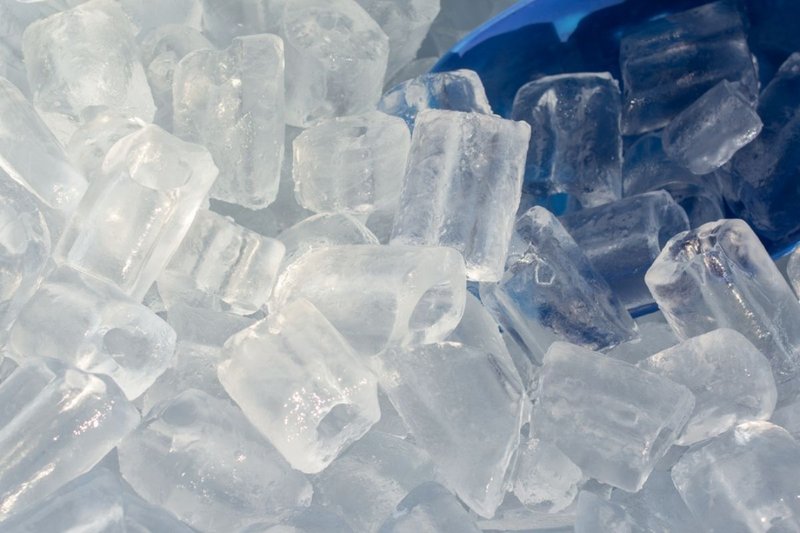
- Clear and Transparent: This indicates it was made from filtered water, free of impurities. Cloudy or opaque ice might suggest it was made from untreated tap water.
- Solid and Uniform: Industrially produced ice often comes in neat, consistent shapes (like cubes or cylinders) rather than irregular, hand-chipped pieces.
- Delivered in Sealed Bags: Reputable establishments will receive their ice in sealed plastic bags, protecting it from contamination during transport.
Trust your instincts. If something doesn’t look quite right, it’s always best to err on the side of caution. But in general, the ice you encounter in well-frequented spots will be of good quality.
Navigating Iced Drinks in Different Settings
The context matters when considering can you have ice in Vietnam. Here’s a breakdown of what to expect in various places:
Hotels and Reputable Restaurants
In hotels, upscale restaurants, and well-established cafes, you can generally feel confident about the ice. These establishments typically have access to clean, commercially produced ice or use advanced filtration systems for their ice machines. Feel free to indulge in that iced coffee or chilled fruit juice.
Street Food Vendors and Smaller Cafes
This is where a touch more discernment comes in. Many street food vendors and smaller local cafes also use commercially produced ice. However, sometimes older practices might persist, or handling might be less rigorous. If you’re particularly sensitive or want to be extra cautious, observe how the ice is stored and handled. Is it in a clean container? Is it scooped with a clean utensil? If you have doubts, you can always request your drink without ice, or “không đá” (pronounced “khong da”).
Iced Tea (Trà Đá)
Iced tea is an integral part of Vietnamese daily life, often served complimentary with meals. The water used for the tea itself is boiled, which makes it safe. The ice, as discussed, is usually commercially produced. So, unless you observe concerning hygiene practices, enjoying a refreshing glass of trà đá is usually perfectly fine.
Practical Tips for Enjoying Ice Safely in Vietnam
To ensure your journey remains smooth and enjoyable, here are some friendly tips for when you wonder, is ice in Vietnam safe for you to consume:
- Observe Before You Sip: A quick glance at the ice itself and the overall cleanliness of the establishment can tell you a lot.
- Order Bottled Drinks: If you’re in a very local or rustic setting and feel uncertain, opt for bottled water, sodas, or beers. They are widely available and come sealed.
- Carry Hand Sanitizer: Good hand hygiene is always your best defense against common travel bugs, regardless of ice.
- Don’t Be Afraid to Ask: A polite “không đá” (no ice) is always an option if you prefer to avoid it. Most vendors are accustomed to this request from foreigners.
- Stay Hydrated: In the tropical climate of Vietnam, staying hydrated is crucial. Don’t let ice concerns prevent you from drinking enough fluids. Just choose your sources wisely.
Understanding Potential Contamination and Prevention
While generally safe, understanding how ice could become contaminated can empower you to make informed choices. This knowledge can put your mind at ease regarding the question: is ice safe in Vietnam?
How Does Ice Become Contaminated?
Contamination primarily occurs in a few ways:
- Untreated Water Source: If ice is made from unfiltered tap water, it carries the same risks as drinking tap water directly.
- Improper Storage: Ice stored in open, dirty containers or left exposed to the elements can pick up bacteria.
- Unclean Handling: Scooping ice with unwashed hands or dirty utensils can transfer germs.
- Cross-Contamination: If ice comes into contact with raw food or unwashed surfaces, it can become contaminated.
What Does Clean Ice Look Like?
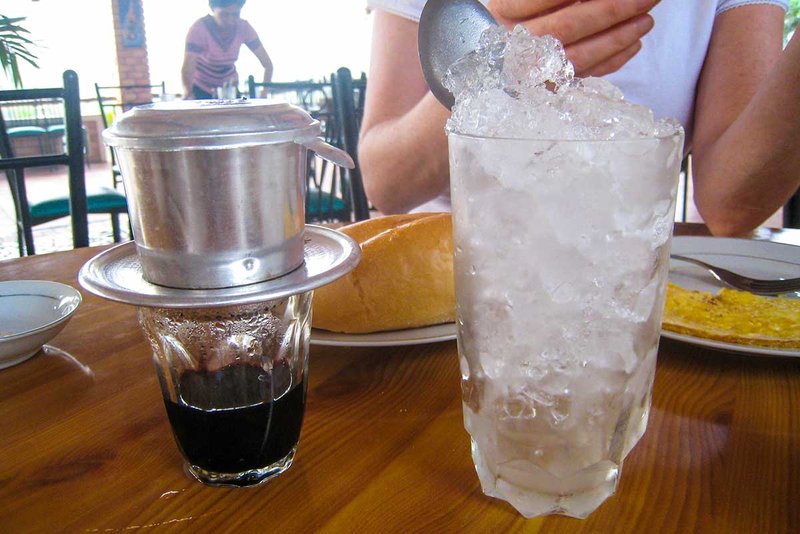
As mentioned, clear, uniformly shaped ice is a good indicator. It suggests it was made in a professional ice-making facility from filtered water. Block ice, often seen being chipped manually, can be a mixed bag. While many vendors use block ice from reputable suppliers, the chipping process itself and storage can sometimes introduce issues. However, if the block ice is visibly clean and the vendor handles it hygienically, it’s often acceptable. It’s the cloudy, irregular, or suspiciously stored ice you should be most wary of.
Beyond Ice: Other Water Safety Considerations
While we focus on is ice safe in Vietnam, it’s part of a larger picture of water safety for travelers.
Drinking Tap Water
It is generally not recommended to drink tap water directly in Vietnam. Stick to bottled water for drinking. Bottled water is inexpensive and readily available everywhere, from small convenience stores to large supermarkets. Look for sealed bottles from well-known brands.
Brushing Teeth
For brushing teeth, using bottled water is the safest bet. While many travelers brush with tap water without issue, it’s a personal risk assessment. If you have a sensitive stomach, sticking to bottled water for oral hygiene is a wise precaution.
Washing and Cooking Food
For washing fruits and vegetables that will be eaten raw, using bottled or purified water is advisable. For cooking, tap water is generally fine as the boiling process will kill most harmful bacteria.
Embracing the Culinary Delights
Vietnam’s culinary scene is a vibrant tapestry of flavors, and many dishes are wonderfully complemented by cold drinks. Don’t let excessive worry about ice detract from your enjoyment. From the invigorating ca phe sua da (iced coffee with condensed milk) to a refreshing nuoc mia (sugarcane juice) or a cool local beer, the joy of a cold beverage on a warm day is part of the Vietnamese experience.
By being mindful and choosing reputable places, you can confidently indulge in these delightful iced treats. Remember, a little common sense and observation go a long way in ensuring your health and happiness throughout your travels.
Frequently Asked Questions About Ice Safety in Vietnam
Is it truly safe to have ice in Vietnam at all?
Yes, for the most part, it is. The vast majority of ice served in Vietnam today, especially in cities and tourist areas, is industrially produced from filtered water and is safe. The key is to be aware and make informed choices about where you consume it.
What if I accidentally consume unsafe ice? What are the symptoms?
If you consume ice made from contaminated water, you might experience traveler’s diarrhea, which includes symptoms like stomach cramps, nausea, vomiting, and loose stools. These symptoms usually appear within 12-72 hours. While uncomfortable, most cases resolve within a few days. Staying hydrated is crucial if you experience these symptoms.
Should I avoid all street food that uses ice?
Not necessarily! Many street food vendors use commercially produced, safe ice. Look for vendors with high turnover, where food is cooked fresh, and who handle ingredients hygienically. If the ice looks clean and is stored properly, it’s likely fine. If you’re concerned, politely ask for your drink without ice.
Can I make my own safe ice in Vietnam?
Yes, you can! If you have access to a freezer in your accommodation, you can easily make your own ice using bottled water. This is a foolproof way to ensure your ice is safe, especially if you have a sensitive stomach or are staying in more remote areas.
Is the ice in tourist boats or cruises generally safe?
On reputable tourist boats and cruises, especially those catering to international visitors, the ice is almost always safe. They understand the importance of hygiene and typically source their ice from reliable suppliers or use on-board purification systems.
What is “trà đá” and is it safe to drink with ice?
“Trà đá” is iced tea, a very popular and often complimentary drink in Vietnam. The tea itself is made with boiled water, so it’s safe. The ice typically comes from commercial suppliers. Therefore, drinking “trà đá” is generally considered safe.
Conclusion: Enjoying Refreshing Sips Safely in Vietnam
The question of is ice safe in Vietnam is one we understand well, and we hope this guide has brought you peace of mind. While vigilance is always a traveler’s best friend, the reality is that the vast majority of ice you’ll encounter in modern Vietnam is produced to good standards. With a little observation and a few mindful choices, you can confidently enjoy the wonderfully refreshing iced beverages that are such a delightful part of the Vietnamese experience. So go ahead, savor that chilled coconut water or revitalizing iced coffee, knowing you’re exploring Vietnam safely and deliciously. For more tips and to plan your incredible adventure, connect with Vietnam Adventure.