
Welcome, fellow adventurers, to a journey deep into the emerald heart of Vietnam, where the rhythm of life beats in harmony with the rice fields. At Vietnam Adventure, we believe travel is about more than just seeing; it’s about feeling, connecting, and understanding. Today, we invite you to explore one of the most fundamental and beautiful aspects of Vietnamese culture: how is rice harvested in Vietnam. In essence, how is rice harvested in Vietnam involves a meticulous process, primarily by hand or with small machinery, where farmers cut the mature golden stalks, separate the grains, and then prepare them for consumption, a tradition steeped in history and communal effort.
The Verdant Canvas: Rice Farming in Vietnam
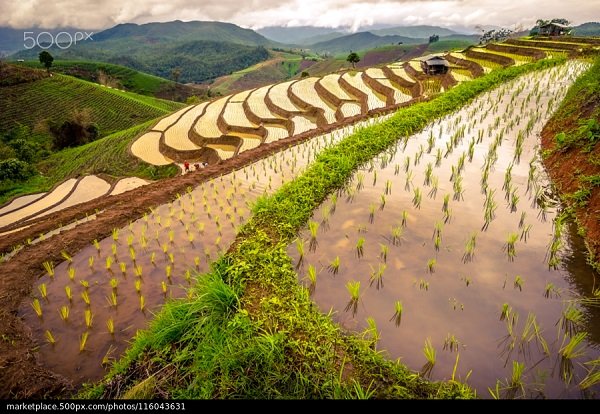
Imagine vast expanses of shimmering green, stretching as far as the eye can see, punctuated by the conical hats of farmers diligently tending their precious crops. This is the enduring image of Vietnam’s agricultural heartland. Understanding how is rice grown in Vietnam is crucial to appreciating the harvest. From the flooded paddies reflecting the sky to the final golden grains, it’s a cycle of life that sustains the nation.
Preparing the Fields: A Labor of Love
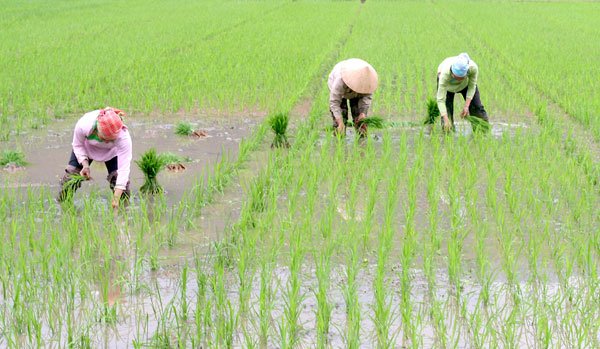
Before the harvest can even begin, immense preparation goes into the fields. Farmers carefully prepare the soil, often tilling it with water buffaloes or small tractors. This age-old method ensures the earth is soft and ready to receive the young rice seedlings. The transplantation of these seedlings, often done by hand, is a communal affair, with families and neighbors working side-by-side under the warm Vietnamese sun.
The Life Cycle of Rice: From Seed to Stalk
Once transplanted, the rice plants grow steadily, nourished by water and sunshine. This period requires constant care, including weeding and pest control, often employing traditional and organic methods. The fields transform from bare earth to vibrant green, eventually maturing into a rich, golden hue, signaling that the time for harvest is near. This entire process, from preparing the soil to the golden stalks, truly defines how is rice grown in Vietnam.
The Harvest: A Symphony of Tradition and Toil
When the rice stalks turn a magnificent golden-yellow and bend gracefully with the weight of their grains, the air thrums with anticipation. This is the moment for which all the arduous labor has been dedicated. The question of how is rice harvested in Vietnam unfolds in a series of traditional, yet incredibly efficient, steps.
Cutting the Golden Grains
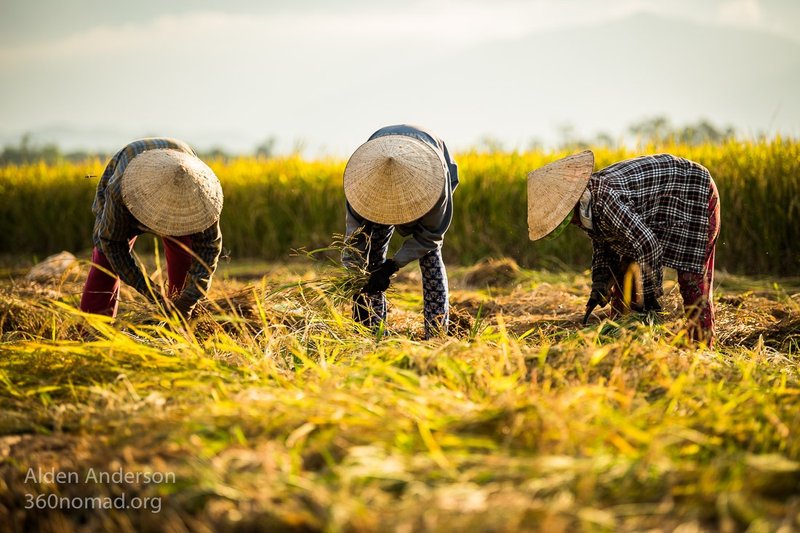
In many regions, particularly those with smaller, terraced fields or in more remote areas, the harvest begins with farmers using sickles to manually cut the rice stalks. This is a rhythmic, almost meditative process, often involving entire families. The sharp blade slices through the stalks, which are then gathered into bundles. The sight and sound of farmers moving in unison, the rustle of the stalks, and the warm glow of the sun create an unforgettable scene.
In more accessible areas, or for larger plots, small, specialized harvesting machines might be used. These machines speed up the cutting process, though the essence of the work—collecting the precious grains—remains the same.
Threshing: Separating Grain from Stalk
Once the stalks are cut, the next crucial step is threshing, which separates the rice grains from the straw. Traditionally, this was done by hand, by beating the bundles against a hard surface or by allowing water buffaloes to trample over them. Today, many farmers use foot-pedal threshers or small mechanical threshers that efficiently separate the grains. The sound of the thresher, a consistent hum against the backdrop of the fields, signifies progress and the promise of a bountiful meal.
Winnowing and Drying: The Final Touches
After threshing, the rice grains are often mixed with chaff and other debris. Winnowing is the process of tossing the rice into the air, allowing the lighter chaff to be blown away by the wind, leaving behind the heavier, cleaner grains. This is another mesmerizing spectacle, a dance between farmer and nature. Finally, the harvested rice is spread out on large mats or concrete surfaces under the sun to dry. This drying process is vital to reduce moisture content, preventing spoilage and ensuring the rice can be stored for later consumption or milling.
Beyond the Harvest: The Cultural Significance
The act of how is rice harvested in Vietnam is more than just an agricultural practice; it’s deeply ingrained in the country’s cultural fabric. Rice is not merely a staple food; it’s a symbol of prosperity, sustenance, and community. Many festivals and traditions revolve around the rice harvest, expressing gratitude for nature’s bounty and celebrating the collective effort of the farming communities. When you travel through Vietnam, observing the rice fields and understanding their rhythms offers profound insight into the soul of the nation.
Engaging with the Rice Harvest: Mindful Exploration Tips
As you plan your Vietnam Adventure, consider how you can respectfully and mindfully engage with this essential aspect of Vietnamese life. Here are some tips for a truly enriching experience:
- Visit during harvest season: While rice is harvested multiple times a year in different regions, specific seasons offer the most vibrant experiences. Research the best time to see the golden fields in areas like the Mekong Delta or the northern terraces.
- Seek out local guides: A knowledgeable local guide can provide invaluable insights into the farming process, introduce you to farmers, and help you understand the cultural significance.
- Ask before taking photos: Always be respectful and ask for permission before photographing farmers or their property. A simple smile and a gesture often suffice.
- Consider a homestay: Staying with a local family in a rural area can offer an immersive experience, allowing you to witness daily life and perhaps even participate in some farm activities (if offered and appropriate).
- Support local communities: Purchase local produce or crafts, and choose tours that directly benefit the farming communities you visit.
- Dress appropriately: When visiting rural areas, wear modest clothing and comfortable shoes suitable for uneven terrain.
A Glimpse into the Farmer’s Day
To truly appreciate the effort involved, let’s consider a simplified daily schedule for a rice farmer during harvest season:
| Time | Activity | Description |
|---|---|---|
| 5:00 AM – 6:00 AM | Wake and Prepare | Early start, often with a simple breakfast, preparing tools for the day. |
| 6:00 AM – 11:00 AM | Harvesting/Threshing | Intensive work in the fields, cutting stalks or operating threshers. |
| 11:00 AM – 1:00 PM | Midday Meal & Rest | A break for lunch, often shared communally, and respite from the peak sun. |
| 1:00 PM – 5:00 PM | Drying/Transportation | Spreading rice for drying, gathering bundles, or transporting to storage. |
| 5:00 PM onwards | Evening Chores & Family | Tending to household tasks, preparing dinner, and spending time with family. |
Frequently Asked Questions About Rice Harvesting in Vietnam
When is the best time to witness the rice harvest in Vietnam?
Vietnam experiences multiple rice harvests throughout the year, varying by region. Generally, for the northern terraced fields (like Sapa or Ha Giang), the best time is from late September to October. In the Mekong Delta, there are often two to three crops annually, with major harvests typically in March-April and August-September. It’s always a good idea to check specific regional schedules for your travel dates.
Do farmers still harvest rice by hand in Vietnam?
Yes, traditional hand-harvesting with sickles is still very common, especially in mountainous regions, on smaller family plots, or in areas where machinery cannot easily access the fields. However, in larger, flatter agricultural zones, small mechanical harvesters and threshers are increasingly used to improve efficiency.
What tools are used for harvesting rice in Vietnam?
The primary traditional tool is the sickle, a curved blade used for cutting rice stalks. For threshing, farmers might use traditional methods of beating bundles or employ foot-pedal or small motorized threshers. For winnowing, large flat baskets or sieves are used, often relying on natural wind.
Is it possible for tourists to participate in rice harvesting activities?
Some ecotourism initiatives and homestays offer opportunities for tourists to experience farm life, which might include participating in planting or harvesting activities. These experiences are often guided and provide a deeper understanding of the local culture and agricultural practices. Always inquire with reputable tour operators or homestay hosts.
What happens to the rice after it is harvested and dried?
After harvesting and drying, the rice is typically milled to remove the husk and bran layers, resulting in white rice. It can then be packaged for sale, stored for consumption by the farming family, or processed further into various rice products like noodles, rice paper, or rice wine.
Conclusion: The Enduring Heartbeat of Vietnam
Exploring how is rice harvested in Vietnam offers a profound window into the country’s soul – a testament to resilience, community, and an deep respect for nature’s bounty. From the verdant fields to the golden grains, every step in this process tells a story of tradition, hard work, and the very essence of Vietnamese life. We hope this journey inspires you to connect with the incredible people and landscapes that make Vietnam so special. Ready to uncover these stories firsthand? Let Vietnam Adventure guide you to the heart of Vietnam.