
Embarking on a journey with Vietnam Adventure, you might find yourself gazing at the endless turquoise waters and wondering, how many islands are in Vietnam? The answer might surprise you: Vietnam boasts over 2,779 islands, islets, and rocky outcrops, each whispering tales of ancient mariners, vibrant local life, and breathtaking natural beauty. This incredible archipelago stretches across the South China Sea, offering a diverse tapestry of experiences for every type of traveler.
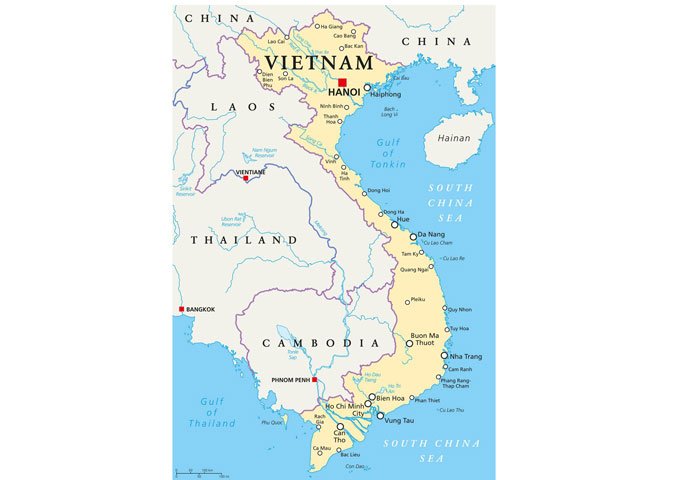
Unveiling Vietnam’s Island Tapestry: A Journey by Region
From the mystical karsts of the north to the sun-drenched beaches of the south, how many islands are there in Vietnam reveals a geographical wonder, each region offering its unique charm.
Northern Vietnam: Where Limestone Giants Emerge from Emerald Waters
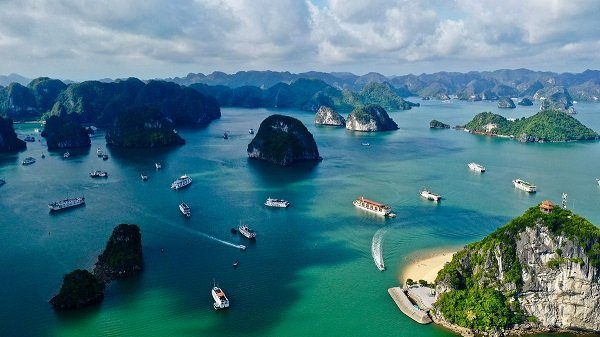
The north of Vietnam is home to some of the country’s most iconic island landscapes, largely dominated by the awe-inspiring Halong Bay. Here, countless limestone formations, sculpted by wind and water over millennia, create a fairytale-like seascape. These islands, though often uninhabited, hold profound cultural significance and are vital ecosystems.
- Halong Bay: While not a single island, Halong Bay is a UNESCO World Heritage site featuring thousands of islets. Cruising through this emerald expanse, you’ll feel the ancient spirits of the dragons that are said to have formed these majestic islands. Imagine waking up to the gentle lapping of waves against a sampan, surrounded by towering cliffs and hidden grottoes.
- Cat Ba Island: The largest island in Halong Bay, Cat Ba is a vibrant hub offering more than just scenic beauty. It’s a sanctuary of biodiversity, home to the critically endangered Cat Ba langur. You can hike through dense national parks, explore charming fishing villages, or simply relax on pristine beaches. It’s a perfect blend of adventure and tranquility, allowing you to truly immerse yourself in the local rhythm.
Central Vietnam: A Blend of History and Coastal Charm
As we journey south, the islands of Central Vietnam offer a different allure, combining rich history with stunning natural landscapes. This region’s islands often have a more volcanic origin, leading to unique geological formations and fertile lands.
- Cham Islands (Cu Lao Cham): Just off the coast of Hoi An, this UNESCO Biosphere Reserve is a collection of eight islands. It’s a diver’s paradise, teeming with colorful coral reefs and marine life. Beyond its underwater wonders, you can explore ancient pagodas, enjoy fresh seafood, and experience the peaceful life of the local fishing communities. It’s a place where time seems to slow down, inviting you to connect with nature and local traditions.
- Ly Son Island: A volcanic marvel, Ly Son is famous for its garlic farms and dramatic landscapes. The island’s unique volcanic geology has created breathtaking cliffs and natural arches. It’s a place to savor fresh, unique seafood, learn about the local fishing culture, and witness some of Vietnam’s most spectacular sunrises and sunsets.
- Hon Mun and Hon Tam (Nha Trang): These islands near Nha Trang are renowned for their vibrant coral reefs, making them prime spots for snorkeling and diving. Imagine drifting over a kaleidoscope of marine life, the warm waters inviting you to explore deeper. Hon Tam also offers luxurious resorts and water sports, perfect for those seeking both adventure and relaxation.
Southern Vietnam: Tropical Paradises and Untouched Beauty
The south answers the question of how many islands does Vietnam have with a resounding display of tropical splendor. These islands are often characterized by their white sand beaches, crystal-clear waters, and lush interiors.
- Phu Quoc Island: Vietnam’s largest island, Phu Quoc is a true gem. Known for its stunning beaches like Long Beach and Starfish Beach, it’s a haven for relaxation. Beyond the idyllic shores, you can explore pepper plantations, visit pearl farms, or discover the bustling night markets. The island’s vibrant energy and diverse offerings make it a must-visit destination.
- Con Dao Archipelago: A group of 16 islands, Con Dao is famed for its pristine natural beauty and significant historical past. Its untouched national park is a sanctuary for diverse wildlife, including sea turtles. The beaches here are often secluded, offering a sense of peaceful escape, while the island’s history as a penal colony adds a poignant layer to its charm.
- Nam Du Islands: For those seeking an off-the-beaten-path experience, the Nam Du archipelago offers a glimpse into authentic island life. With emerald waters and undeveloped charm, these islands are perfect for snorkeling, fishing, and simply unwinding in a tranquil setting. The simplicity and genuine hospitality of the locals are truly heartwarming.
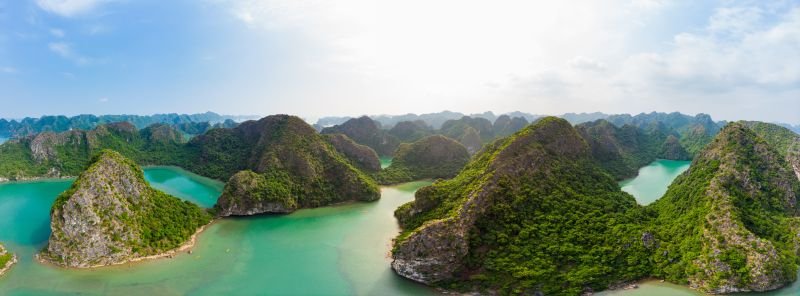
- Ba Lua Islands: Often called the Halong Bay of the South, this cluster of small islands in Kien Giang province is an enchanting destination. Its shallow, clear waters allow you to walk between islands at low tide, a truly magical experience. It’s a place for quiet contemplation and enjoying the raw beauty of nature.
Island Travel Tips for Mindful Exploration
Exploring Vietnam’s islands is an unforgettable experience, and with a little preparation, you can make your journey even more meaningful and enjoyable. Whether you are wondering is Vietnam an island (it’s not, but has many!), these tips will help you navigate your adventure.
| Category | Recommendation | Details |
|---|---|---|
| Best Seasons to Visit | Understand regional weather patterns | Northern islands (Halong Bay, Cat Ba): October to April. Central islands (Cham, Ly Son): February to May. Southern islands (Phu Quoc, Con Dao): November to April. Avoid monsoon seasons for smoother travel and clearer waters. |
| Visa-Free Islands | Check current regulations | Phu Quoc offers a 30-day visa exemption for many nationalities, making it an accessible entry point. Always verify the latest visa policies before planning your trip. |
| Boat Safety & Local Guides | Prioritize safety and local expertise | Always choose reputable tour operators and ensure your boat has safety equipment. Engaging local guides not only enhances your experience with authentic insights but also supports the local economy. |
| Eco-Etiquette | Practice responsible tourism | Help preserve Vietnam’s pristine island environments by minimizing waste, avoiding single-use plastics, and respecting local flora and fauna. Leave only footprints, take only memories. |
| Cultural Sensitivity | Embrace local customs | Dress modestly when visiting temples or pagodas. Always ask permission before taking photos of people, and learn a few basic Vietnamese phrases – a little effort goes a long way in connecting with locals. |
Frequently Asked Questions About Vietnam’s Islands
Which is the largest island in Vietnam?
The largest island in Vietnam is Phu Quoc Island, located in the Gulf of Thailand. It’s a stunning destination known for its beautiful beaches, national park, and vibrant local culture.
Which province has the most islands in Vietnam?
Quang Ninh province, home to the magnificent Halong Bay, boasts an incredible number of islands and islets, contributing significantly to how many islands in Vietnam there are. While many are small, uninhabited limestone karsts, their sheer number makes the region a geographical wonder.
What are the most popular islands for tourists in Vietnam?
Among the most popular islands for tourists are Phu Quoc, known for its resorts and beaches; Cat Ba, famous for its national park and Halong Bay proximity; and Con Dao, celebrated for its pristine nature and historical significance. These islands offer a diverse range of activities and experiences for travelers.
Are there any hidden gem islands in Vietnam for adventurous travelers?
Absolutely! For adventurous souls, islands like Nam Du and Ba Lua offer more untouched, authentic experiences. They require a bit more effort to reach but reward visitors with serene landscapes, clear waters, and genuine local interactions away from the bustling tourist crowds. These islands truly highlight the breadth of how many islands does Vietnam have for discovery.
Is Vietnam an island?
No, Vietnam is not an island. It is a long, narrow country located on the Indochinese peninsula in Southeast Asia, with a vast coastline bordering the East Sea (South China Sea) and sharing land borders with China, Laos, and Cambodia. However, as we’ve explored, its coastline is adorned with thousands of captivating islands.
Conclusion
The question of how many islands are in Vietnam opens up a world of discovery, revealing a nation rich in coastal beauty and diverse island experiences. Each island, from the dramatic peaks of Halong Bay to the serene shores of Phu Quoc, tells a unique story, waiting for you to uncover. These coastal havens offer endless opportunities for adventure, relaxation, and profound cultural connection. Let Vietnam Adventure guide you to these incredible islands, ensuring your journey is filled with mindful moments and unforgettable memories.