

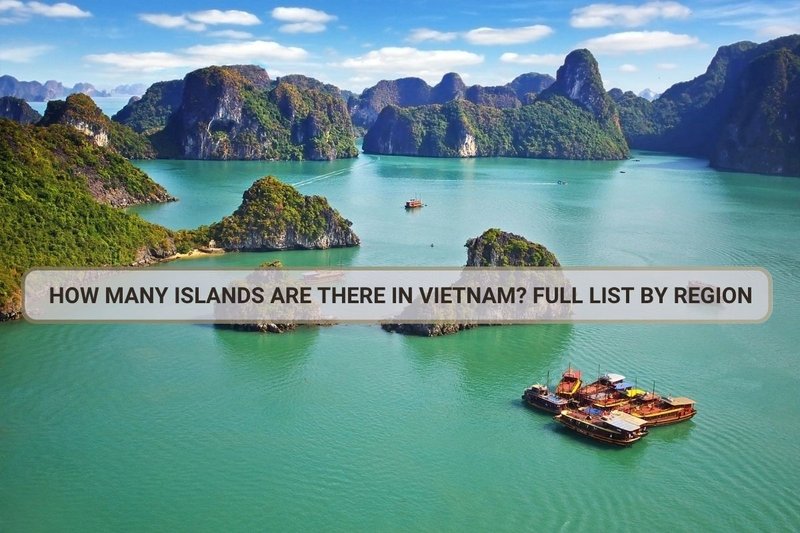
Embarking on a journey with Vietnam Adventure, you might find yourself pondering: how many islands are in Vietnam? The answer is a breathtaking one: Vietnam boasts over 3,000 islands and islets, each a unique gem waiting to be discovered. From the dramatic limestone karsts of the north to the sun-drenched, palm-fringed shores of the south, these islands offer an unparalleled tapestry of natural beauty, vibrant culture, and unforgettable adventures. Far from being a single island nation, Vietnam is a coastal paradise, rich with archipelagos and scattered islets that beckon the curious traveler.
Unveiling Vietnam’s Island Treasures by Region
To truly grasp how many islands are there in Vietnam, we must journey through its diverse coastal regions. Each area presents a distinct character, from bustling fishing communities to tranquil, untouched havens.
Northern Vietnam’s Enchanting Archipelagos
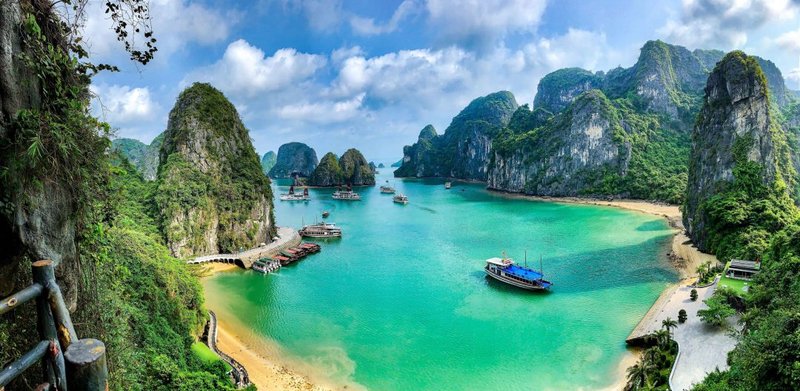
The north is home to some of Vietnam’s most iconic island landscapes, where towering limestone pillars rise majestically from emerald waters, creating a scene of ethereal beauty.
- Ha Long Bay and Bai Tu Long Bay: While often spoken of as one, these two bays together house thousands of limestone karsts and islets. Ha Long Bay alone is estimated to have nearly 2,000 islands, though many are uninhabited. Here, you can kayak through hidden grottoes, discover secluded beaches, and immerse yourself in the mystique of local legends. The atmosphere is truly magical, especially at sunrise or sunset when the light paints the ancient rocks in hues of gold and crimson.
- Cat Ba Island: The largest island in Ha Long Bay, Cat Ba offers a blend of natural wonders and adventure. Part of the Cat Ba Archipelago, it features dense jungles within Cat Ba National Park, home to the critically endangered Cat Ba langur, and stunning beaches like Cat Co 1, 2, and 3. It’s a perfect base for exploring the surrounding bays, with opportunities for rock climbing, hiking, and cruising.
Central Vietnam’s Coastal Charms
Moving south, Central Vietnam reveals islands with unique volcanic landscapes, rich marine life, and a quieter, more authentic pace of life.
- Cham Islands (Cu Lao Cham): Just off the coast of Hoi An, this UNESCO Biosphere Reserve is a cluster of eight islands. It’s a sanctuary for divers and snorkelers, boasting vibrant coral reefs and diverse marine ecosystems. Beyond its underwater wonders, the islands offer pristine beaches, charming fishing villages, and historical sites, providing a glimpse into traditional Vietnamese island life.
- Ly Son Island: A volcanic island famed for its garlic fields and dramatic cliffs, Ly Son is a place where time seems to slow down. The stark, beautiful landscape, coupled with the warm hospitality of its residents, creates a deeply memorable experience. Explore ancient temples, swim in crystal-clear waters, and savor the island’s unique seafood.
Southern Vietnam’s Tropical Paradises
The southern islands of Vietnam are synonymous with tropical bliss, offering white-sand beaches, swaying palm trees, and turquoise waters – the quintessential island escape. This region truly highlights how many islands does Vietnam have for pure relaxation.
- Phu Quoc Island: As Vietnam’s largest island, Phu Quoc is a popular destination, known for its stunning beaches like Long Beach and Starfish Beach, sprawling pepper plantations, and delectable seafood. It’s an island that balances luxurious resorts with authentic local experiences, from bustling night markets to tranquil national parks.
- Con Dao Archipelago: A group of 16 islands, Con Dao is renowned for its pristine natural beauty and its poignant history as a former penal colony. Today, it’s a protected marine park, offering incredible diving, hiking through lush forests, and a chance to reflect on its past. The main island, Con Son, is particularly captivating with its dramatic cliffs and untouched beaches.
- Nam Du Islands: For those seeking a more off-the-beaten-path experience, the Nam Du Islands offer raw, unspoiled beauty. Think sapphire waters, hidden coves, and the opportunity to experience local life away from the crowds. These islands are perfect for snorkeling, swimming, and simply unwinding.
Beyond the Shore: Practical Island Travel Insights
While exploring how many islands in Vietnam there are, it’s essential to consider practical aspects for a smooth and enriching journey.
Best Seasons to Visit Vietnam’s Islands
The ideal time to visit Vietnam’s islands varies by region:
- Northern Islands (Ha Long Bay, Cat Ba): October to April offers cooler, dry weather, perfect for cruising and outdoor activities.
- Central Islands (Cham, Ly Son): February to May brings sunny days and calm seas, ideal for water sports.
- Southern Islands (Phu Quoc, Con Dao, Nam Du): November to April is the dry season, promising abundant sunshine and tranquil waters.
Navigating the Waters: Boat Safety and Eco-Etiquette
Safety and responsible tourism are paramount when venturing to Vietnam’s islands.
| Aspect | Guidance for Mindful Exploration |
|---|---|
| Boat Safety | Always choose licensed tour operators and ensure your vessel has adequate safety equipment, including life jackets. Heed all instructions from your guide and crew. |
| Local Guides | Engaging local guides not only enhances your experience with invaluable insights but also supports the local economy. They can share stories and traditions that enrich your understanding of the island culture. |
| Eco-Etiquette | Vietnam’s islands are delicate ecosystems. Always dispose of waste properly, avoid disturbing wildlife, and refrain from touching or collecting coral. Support businesses committed to sustainable practices. |
| Respecting Culture | Dress modestly when visiting temples or local communities, and always ask permission before taking photographs of people. Embrace local customs with an open heart. |
Is Vietnam an Island? Addressing a Common Query
A common question that arises when discussing the numerous islands is, is Vietnam an island itself? The answer is no. Vietnam is a long, narrow country located on the eastern Indochinese Peninsula in Southeast Asia, with a vast coastline stretching over 3,260 kilometers (excluding islands). While it has an abundance of islands, it is firmly connected to the Asian mainland, sharing borders with China, Laos, and Cambodia.
Beyond the Postcard: Deeper Connections to Vietnam’s Islands
Exploring the sheer number of islands in Vietnam is more than just counting dots on a map; it’s about connecting with the soul of this vibrant nation. From the strategic significance of the Spratly Islands and Paracel Islands (which are subject to ongoing territorial disputes and are important to Vietnam’s maritime claims) to the simple, daily lives of fishing communities on smaller islets, each piece of land tells a story.
Consider the cultural tapestry woven into these island communities. On Ly Son, the ancient practices of garlic farming are passed down through generations, shaping the island’s unique identity. On the Cham Islands, the blend of fishing traditions and growing eco-tourism creates a dynamic, evolving culture. Even in the more developed Phu Quoc, you can find quiet corners where traditional craftspeople still ply their trade, producing the island’s famous fish sauce or intricate pearls.
The biodiversity across these islands is astounding. Ha Long Bay’s unique karst topography supports a distinct array of flora and fauna, while the marine protected areas around Con Dao and Cham Islands are vital havens for endangered species like sea turtles and various coral species. Mindful travel allows us to witness and appreciate these natural wonders without disturbing their delicate balance.
Frequently Asked Questions About Vietnam’s Islands
What is the largest island in Vietnam?
The largest island in Vietnam is Phu Quoc Island, located in the Gulf of Thailand, off the coast of Kien Giang province. It’s a popular destination renowned for its beautiful beaches, national park, and vibrant local culture.
Which province has the most islands in Vietnam?
Quang Ninh province, home to the iconic Ha Long Bay and Bai Tu Long Bay, has the most islands in Vietnam. These bays are dotted with thousands of limestone karsts and islets, forming a breathtaking seascape.
Are there any uninhabited islands in Vietnam?
Yes, among the thousands of islands and islets, many in Vietnam are uninhabited. These often contribute to the pristine natural beauty of archipelagos like Ha Long Bay and offer secluded spots for exploration and quiet contemplation.
Can I visit all of Vietnam’s islands?
While many islands are accessible for tourism, not all of Vietnam’s islands can be visited due to various reasons, including their small size, protected status, or military significance. However, there is a vast selection of stunning and welcoming islands open for travelers.
What are some popular activities on Vietnam’s islands?
Popular activities vary by island but commonly include swimming, snorkeling, diving to explore coral reefs, kayaking through grottoes, hiking in national parks, visiting fishing villages, enjoying fresh seafood, and simply relaxing on pristine beaches.
Do I need a special visa to visit Vietnam’s islands?
Generally, the standard Vietnam visa requirements apply to island visits. However, Phu Quoc Island offers a visa exemption for up to 30 days for many nationalities, making it a particularly easy destination to access for international travelers.
Conclusion
From the mystical, mist-shrouded karsts of the north to the sun-drenched, tranquil shores of the south, the question of how many islands are in Vietnam reveals a treasure trove of natural wonders. With over 3,000 islands and islets, Vietnam invites you to embark on countless adventures, each offering a unique glimpse into the country’s diverse landscapes and rich cultural tapestry. Each island promises its own story, its own flavor, and its own unforgettable memories. Allow Vietnam Adventure to guide you to these captivating shores, where mindful exploration leads to truly meaningful experiences.