
Welcome, fellow adventurer! As you prepare to immerse yourself in the vibrant tapestry of Vietnamese culture, one of the most enriching questions to ponder is: what is the language of Vietnam? At Vietnam Adventure, we believe that understanding the local tongue, even just a few phrases, unlocks a deeper, more meaningful journey. The sounds of a language carry the soul of a nation, and in Vietnam, those sounds are an intricate dance of tones and melodies. So, let’s unveil this linguistic treasure!
The concise answer to what is the language of Vietnam is: Vietnamese is the official and national language of Vietnam. It is spoken by the vast majority of the population and serves as the primary medium for communication, education, and government across the country. Understanding this foundational element is the first step in connecting with the heart of Vietnam.
The Echoes of History: Origins and Evolution of Vietnamese
To truly grasp what is the language of Vietnam, we must journey back in time. The Vietnamese language, known as Tiếng Việt, boasts a rich and complex history, reflecting centuries of cultural exchanges and resilient national identity. It’s not just a collection of words; it’s a living testament to Vietnam’s past.
Austroasiatic Roots and Chinese Influence
Vietnamese belongs to the Mon-Khmer branch of the Austroasiatic language family, sharing distant relatives with languages like Khmer. This ancient lineage forms the bedrock of its vocabulary and grammatical structure. However, centuries of Chinese domination left an indelible mark. During this period, a significant portion of Vietnamese vocabulary, particularly academic, political, and philosophical terms, was borrowed from Chinese, much like Latin and Greek influenced European languages. This is why you’ll find many words in Vietnamese that bear a phonetic resemblance to Chinese counterparts.
Imagine the gentle flow of a river, constantly shaped by new currents. That’s how Vietnamese evolved, absorbing and adapting, always retaining its unique essence. When we ask what is the main language of Vietnam, we acknowledge this blend of ancient heritage and historical influence.
The French Colonial Era and the Rise of Quốc Ngữ
The French colonial period brought another significant shift. While French became a language of administration and a small elite, its most enduring legacy on Vietnamese was indirect. Catholic missionaries, primarily Portuguese, created a Latin-based script called Quốc Ngữ (literally “national language”) in the 17th century to facilitate the teaching of Christianity. This script, with its diacritics to represent tones, eventually replaced the complex Chinese characters (Chữ Nôm) and became the official writing system in the early 20th century. This transition dramatically increased literacy rates and modernized communication.
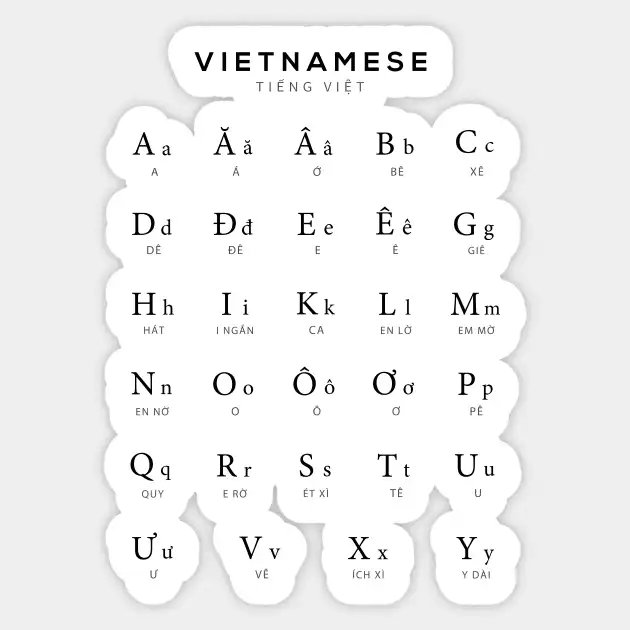
This remarkable transformation makes the question what is the language of Vietnam even more fascinating, as its written form is relatively young compared to its spoken history. The Quốc Ngữ script is visually captivating, with its array of accent marks that hint at the tonal complexity within.
The Soulful Sounds: Unique Features of Vietnamese
Vietnamese is often described as a beautiful yet challenging language for learners, primarily due to its phonology. This is where the true character of what is the national language of Vietnam shines.
The Dance of Tones
Unlike English, Vietnamese is a tonal language. This means the meaning of a word can change entirely depending on the pitch contour used when speaking it. There are six distinct tones in standard Vietnamese, each a subtle melody that can transform “ma” from “ghost” to “mother” to “horse” to “rice seedling” and beyond!
Imagine the effort and beauty in mastering these nuances! It’s like listening to music where every note carries distinct meaning. The question of what language is spoken in Vietnam is intrinsically linked to this tonal beauty.
| Tone Mark | Name | Description | Example (ma) | Meaning |
|---|---|---|---|---|
| (no mark) | Ngang (level) | Flat, mid-level tone | ma | ghost |
| ´ | Sắc (rising) | Rising tone | má | mother/cheek |
| ` | Huyền (falling) | Gently falling tone | mà | but |
| ̉ | Hỏi (dipping-rising) | Dipping and then rising tone | mả | tomb/grave |
| ̃ | Ngã (creaky rising) | Broken or creaky then rising tone | mã | horse/code |
| ̣ | Nặng (heavy/low contracting) | Abrupt, short, low tone | mạ | rice seedling |
Grammar: Simple Yet Precise
While tones can be daunting, Vietnamese grammar is refreshingly straightforward in many ways. It is largely analytic, meaning words do not change form to indicate tense, gender, or number. Instead, these meanings are conveyed through context, adverbs, and auxiliary words. Word order is crucial, typically following a Subject-Verb-Object (SVO) pattern, similar to English.
This grammatical simplicity is a silver lining for those wondering what do people speak in Vietnam and hoping to pick up a few phrases!
Beyond the Mainstream: Linguistic Diversity in Vietnam
While Vietnamese is undoubtedly what is the official language of Vietnam, the nation is a vibrant mosaic of cultures and languages. For a mindful traveler, acknowledging this diversity enriches the understanding of the country far beyond the bustling cities.
Minority Languages of the Highlands
Vietnam is home to 54 officially recognized ethnic groups, and many of these groups speak their own distinct languages. These languages, often found in the highland regions, are precious threads in Vietnam’s cultural fabric. Some prominent examples include:
- Tày and Nùng: Spoken by ethnic groups in northern mountainous regions, related to Thai languages.
- Hmong: A vibrant language spoken by the Hmong people, known for its intricate tones.
- Khmer: Spoken by the Khmer Krom community in the Mekong Delta, reflecting the historical ties to Cambodia.
- Mường: Closely related to Vietnamese, spoken by the Mường people in northern and central Vietnam.
- Cham: Spoken by the Cham people, descendants of the ancient Champa kingdom, primarily in south-central Vietnam.
So, when you consider how many languages are spoken in Vietnam, the answer is far more than just one, revealing a deep linguistic richness. Venturing into these areas offers a glimpse into traditions preserved through unique tongues.
The Lingering Echoes of Foreign Tongues
Beyond the indigenous languages, historical events have left their mark on the linguistic landscape. French, while no longer widely spoken, can still be heard among older generations, particularly in cities like Hanoi and Ho Chi Minh City, a testament to the colonial past. English is increasingly common, especially in tourist areas and among younger generations, driven by globalization and the booming tourism industry. Chinese, particularly Mandarin and Cantonese, is also spoken by parts of the ethnic Chinese community in Vietnam.
This evolving tapestry of communication influences what language do they speak in Vietnam in various contexts, creating fascinating linguistic pockets.
Unlocking Connections: Practical Tips for Travelers
Now that you have a deeper understanding of what is the language of Vietnam, how can you use this knowledge to enhance your travel experience? Here are some actionable insights:
- Master a Few Key Phrases: Even a simple “Xin chào” (hello), “Cảm ơn” (thank you), and “Tạm biệt” (goodbye) can open doors and warm hearts. Locals deeply appreciate the effort.
- Don’t Fear the Tones: Practice is key! Don’t be discouraged if you mispronounce a word initially. Vietnamese people are often patient and willing to help.
- Use a Translation App: Tools like Google Translate are invaluable for quick communication, especially when navigating menus or asking for directions.
- Listen Actively: Pay attention to the melodies of the language around you. Even if you don’t understand every word, soaking in the soundscape is a mindful experience.
- Observe Body Language: Communication is more than just words. A smile, a nod, or a friendly gesture can convey much when language barriers arise.
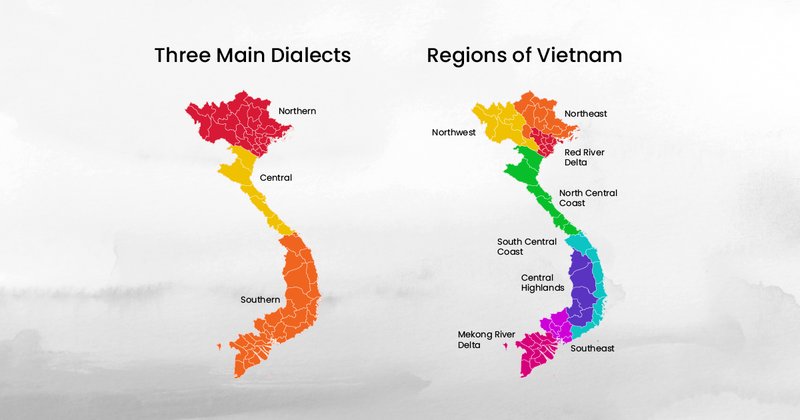
- Learn About Dialects: While all Vietnamese understand the standard language, knowing that there are regional variations (Northern, Central, Southern) in pronunciation and some vocabulary can be interesting. For instance, the “s” sound in Northern Vietnamese might be pronounced differently in the South. This understanding offers a nuanced perspective on how many dialects in Vietnam influence daily speech.
Embracing the language, even minimally, transforms your journey from merely seeing Vietnam to truly feeling its pulse. It connects you to the people, the stories, and the rhythm of daily life.
Frequently Asked Questions About Vietnam’s Language
What is the official language of Vietnam?
The official language of Vietnam is Vietnamese. It is used in all government functions, education, and media across the country.
What are the main characteristics of the Vietnamese language?
Vietnamese is a tonal, monosyllabic language that uses the Latin-based Quốc Ngữ script. Its key characteristics include its six distinct tones, a relatively simple grammar without verb conjugations or gendered nouns, and a vocabulary influenced by Chinese and, to a lesser extent, French.
Is English widely spoken in Vietnam?
English is increasingly spoken in major tourist centers, hotels, restaurants, and by younger generations in urban areas. However, outside of these areas, proficiency in English can vary significantly. Learning a few basic Vietnamese phrases is always recommended for deeper immersion.
How many languages are spoken in Vietnam besides Vietnamese?
Vietnam recognizes 54 ethnic groups, and many of these groups speak their own indigenous languages. This means that, in addition to Vietnamese, dozens of minority languages are spoken throughout the country, including Tày, Hmong, Khmer, Mường, and Cham, among others. So, how many languages spoken in Vietnam is quite a rich number!
Is Vietnamese difficult to learn for English speakers?
The tonal nature of Vietnamese is often the biggest challenge for English speakers, as distinguishing and reproducing the correct tones takes considerable practice. However, its straightforward grammar can be an advantage. With dedication, learning basic communication is certainly achievable.
What is the Quốc Ngữ script?
Quốc Ngữ is the modern, Latin-based writing system used for Vietnamese. It was developed by European missionaries in the 17th century and later adopted as the official script, replacing older Chinese-influenced character systems. It uses diacritics (accent marks) to denote the tones and specific vowel sounds.
Embark on Your Linguistic Adventure with Vietnam Adventure
Understanding what is the language of Vietnam is more than just knowing vocabulary; it’s about appreciating the cultural tapestry woven by sounds, history, and the voices of its people. Whether you’re navigating the bustling markets of Hanoi, exchanging smiles with local vendors in Hoi An, or listening to the gentle hum of conversations in the Mekong Delta, a little linguistic curiosity goes a long way.
Allow the beautiful melodies of Vietnamese to guide your exploration, deepening your connection to this incredible country. At Vietnam Adventure, we encourage you to step beyond the ordinary and embrace every opportunity for authentic engagement. Come, let the language of Vietnam whisper its stories to you.