
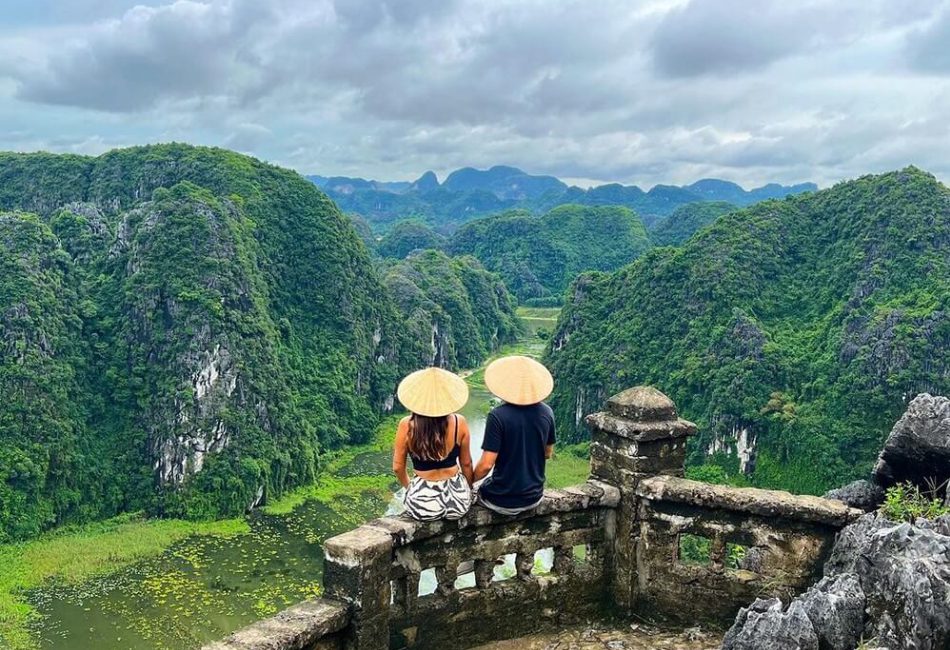
Embarking on a journey to a new country often brings a swirl of excitement mixed with natural questions about safety and well-being. Here at Vietnam Adventure, we understand that query, “is Vietnam safe for tourists,” is at the forefront of many wanderers’ minds. Let us assure you directly: Vietnam is overwhelmingly safe for tourists, known for its low crime rates and warm, welcoming locals.
Embracing Vietnam’s Serenity: A Safe Haven for Travelers
Vietnam, a land of emerald rice paddies, bustling ancient cities, and breathtaking coastlines, consistently ranks among the safest destinations globally. The genuine warmth of its people, the vibrant street life, and the inherent hospitality create an environment where travelers can truly immerse themselves without constant worry. While petty crime exists, as it does everywhere, violent crime against tourists is exceedingly rare. Many governmental travel advisories, including the U.S. State Department, often classify Vietnam under “Level 1: Exercise Normal Precautions,” which is the lowest advisory level. This speaks volumes about how safe Vietnam is for tourists.
When considering, “is Vietnam safe to travel,” it’s helpful to understand the general atmosphere. Picture yourself wandering through Hanoi’s Old Quarter, the scent of pho wafting from street stalls, or cruising through the karsts of Ha Long Bay, feeling nothing but awe. This sense of peace is a hallmark of the Vietnamese travel experience. For those wondering, “is Vietnam a safe country,” the answer from countless travelers who have graced its shores is a resounding yes.
Navigating Urban Wonders and Tranquil Countryside
Whether you’re drawn to the electric energy of Ho Chi Minh City or the serene rice paddies of Mai Chau, understanding local nuances can enhance your feeling of security. “Is Vietnam safe at night?” is a common question, and generally, cities are lively and safe. Like any major urban area, exercising basic awareness in crowded places or when returning to your accommodation late is always prudent.
For those contemplating, “is Vietnam safe for American tourists” or “is Vietnam safe for foreigners,” rest assured that visitors from all nationalities are met with the same generous spirit. The country is well-accustomed to international visitors, and the tourism infrastructure is robust.
Understanding Potential Minor Hurdles: Common Scams and Petty Theft
While discussing “is Vietnam safe for tourists,” it’s important to acknowledge minor inconveniences that can occur, much like in any popular travel destination. These typically fall into the category of petty crime or small scams, not things that make you question “is Vietnam dangerous.”
- Petty Theft: In bustling areas, especially markets or on crowded buses, opportunistic pickpocketing or bag snatching can occur. Keep your valuables secure and out of sight.
- Taxi Scams: Some rogue taxi drivers might try to overcharge. Always use reputable taxi companies (like Mai Linh or Vinasun), or ride-hailing apps like Grab. Confirm the fare or ensure the meter is running.
- “Friendly” Strangers: While most locals are genuinely helpful, be wary of overly insistent individuals trying to steer you towards specific shops or tours for a commission.
- Motorbike Scams: If renting a motorbike, inspect it thoroughly before taking it, and be cautious of unscrupulous rental places trying to claim pre-existing damage upon return.
These are minor issues, easily avoided with awareness. They don’t make you think, “is Vietnam dangerous for tourists,” but rather, remind you to be a savvy traveler.
Traffic and Transportation Safety: A Lively Dance
One aspect often highlighted when discussing “how safe is Vietnam” is the traffic. Vietnamese roads, particularly in cities, are a fascinating, chaotic dance of motorbikes, cars, and pedestrians. While it might appear overwhelming, there’s an unspoken rhythm. Walking across a street requires confidence and a steady pace; vehicles will usually flow around you.
| Transportation Mode | Safety Considerations | Vietnam Adventure Tip |
|---|---|---|
| Motorbikes (Self-rental) | High accident risk, especially for inexperienced riders. Helmets are mandatory. Insurance often doesn’t cover motorbike accidents. | Consider hiring a driver or using ride-hailing apps for safety and convenience. |
| Taxis & Ride-hailing | Generally safe. Use reputable companies (Vinasun, Mai Linh) or apps (Grab) to avoid overcharging. | Always confirm the fare or ensure the meter is on. Share your ride details with a friend. |
| Buses | Affordable for long distances. Can be crowded. Watch for pickpockets. | Keep valuables close. Consider sleeper buses for overnight journeys for comfort. |
| Trains | A scenic and safe way to travel long distances, offering a glimpse into local life. | Book tickets in advance, especially during peak season. |
| Domestic Flights | Reliable and efficient for covering large distances. | Book with reputable airlines like Vietnam Airlines, Bamboo Airways, or Vietjet Air. |
Understanding this “dance” is key, rather than perceiving it as inherently dangerous. It’s part of the authentic Vietnamese experience!
Health and Well-being: Mindful Exploration
When you ask, “is it safe to travel to Vietnam,” health considerations are naturally part of the answer. Vietnam has modern medical facilities in major cities, but for serious conditions, medical evacuation to Bangkok or Singapore might be recommended. Travel insurance is essential.
- Food Safety: Vietnamese street food is legendary and generally safe. Look for stalls with high turnover, where food is cooked fresh in front of you.
- Water Safety: Do not drink tap water. Stick to bottled water, which is readily available and inexpensive.
- Mosquitoes: Dengue fever is present in some areas. Use insect repellent, especially at dawn and dusk.
- Heat: Vietnam can be very hot and humid. Stay hydrated and seek shade during the hottest parts of the day.
- Pollution: Air pollution can be high in major cities, especially during certain seasons. Consider a mask if you have respiratory sensitivities.
These are common travel precautions, not indicators that “is Vietnam dangerous,” but rather steps to ensure a healthy and enjoyable trip.
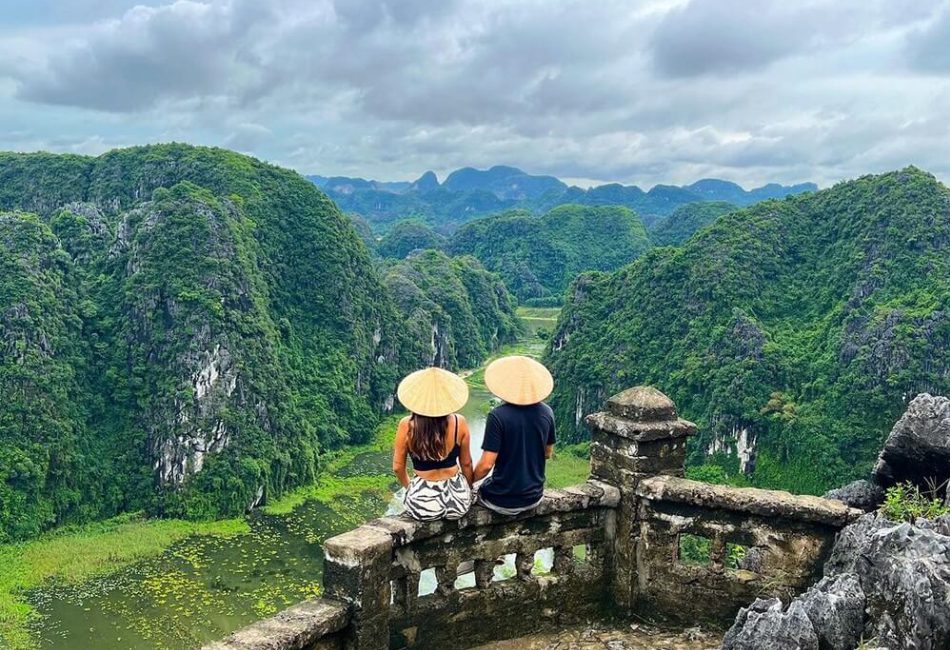
Practical Traveler Tips for a Seamless Vietnamese Journey
To truly embrace the magic of Vietnam and ensure your answer to “is Vietnam safe for tourists” is a resounding yes, here are some actionable tips:
Do’s for a Safe and Enriching Trip:
- Do Your Research: Familiarize yourself with local customs and current travel advisories.
- Do Purchase Travel Insurance: Comprehensive travel insurance is a must for any international trip, covering medical emergencies, theft, and trip cancellations.
- Do Use Reputable Transport: Stick to official taxis, Grab (ride-hailing app), or pre-booked transfers.
- Do Secure Valuables: Use a cross-body bag or money belt, and leave important documents in your hotel safe.
- Do Learn Basic Phrases: Even a few words like “Xin chào” (hello) and “Cảm ơn” (thank you) can go a long way in fostering positive interactions.
- Do Embrace Local Cuisine Mindfully: Enjoy street food from busy stalls; the high turnover means fresh ingredients.
- Do Stay Hydrated: Always drink bottled water and carry a reusable water bottle.
- Do Dress Respectfully: Especially when visiting temples or pagodas, cover your shoulders and knees.
- Do Have Copies of Documents: Keep digital and physical copies of your passport and visa separate from the originals.
Don’ts to Keep in Mind:
- Don’t Display Wealth Ostentatiously: Avoid flashing expensive jewelry or electronics in crowded areas.
- Don’t Be Overly Trusting: While most Vietnamese are kind, be cautious of unsolicited offers or overly friendly strangers trying to sell you something or take you somewhere.
- Don’t Walk Alone in Isolated Areas at Night: Stick to well-lit, populated streets, especially if you’re a solo traveler.
- Don’t Engage in Illegal Activities: Vietnam has very strict laws, particularly concerning drugs, with severe penalties.
- Don’t Disrespect Local Culture or Religion: Be mindful of local customs and traditions.
- Don’t Underestimate Traffic: Always look both ways, and maintain a steady pace when crossing roads.
By following these guidelines, you’ll find that your journey in Vietnam is not only safe but deeply rewarding, allowing for truly mindful and meaningful exploration.
Frequently Asked Questions About Safety in Vietnam
Is it safe to travel to Vietnam right now?
Yes, is it safe to travel to Vietnam right now. Travel advisories typically place Vietnam at a “Level 1: Exercise Normal Precautions,” which is the lowest level. The country has reopened to tourism, and major tourist areas are welcoming visitors safely.
Is Vietnam a safe country to visit for solo female travelers?
Yes, Vietnam is generally very safe for solo female travelers. Vietnamese culture is respectful, and women travelers often report feeling secure. As always, standard solo travel precautions apply: be aware of your surroundings, avoid walking alone in poorly lit areas at night, and trust your instincts.
How dangerous is Vietnam compared to other Southeast Asian countries?
Vietnam is considered one of the safest countries in Southeast Asia, often ranking lower in crime statistics than some of its neighbors. While petty crime exists, violent crime against tourists is rare. Most travelers experience a remarkably safe and friendly environment.
Are there any specific areas in Vietnam to avoid due to safety concerns?
Generally, no specific tourist areas in Vietnam are widely considered unsafe. Most safety concerns are related to petty theft or scams in crowded cities like Hanoi and Ho Chi Minh City. Remote border regions or areas with unexploded ordnance from past conflicts should be avoided, but these are not typically tourist destinations.
What are the biggest health risks for tourists in Vietnam?
The main health risks include traveler’s diarrhea from contaminated food or water, dengue fever and other mosquito-borne illnesses, and heat-related issues like dehydration. It’s crucial to drink bottled water, use insect repellent, stay hydrated, and ensure your vaccinations are up to date.
Is tap water safe to drink in Vietnam?
No, tap water in Vietnam is generally not safe for direct consumption by tourists. Always stick to bottled water for drinking, brushing teeth, and making ice. Bottled water is widely available and affordable.
What should I do in case of an emergency in Vietnam?
In an emergency, dial 113 for police, 114 for fire, and 115 for ambulance. For less urgent issues, contact your embassy or consulate. Having travel insurance with a 24/7 emergency hotline is also highly recommended.
Your Vietnamese Adventure Awaits Safely
After exploring all aspects, it’s clear that the answer to “is Vietnam safe for tourists” is an unequivocal yes. This beautiful nation offers a truly enriching experience, where the greatest “dangers” are often simply missing out on its vibrant culture, incredible landscapes, and heartwarming people. With a mindful approach and adherence to common-sense travel practices, your journey through Vietnam will be filled with wonder, not worry.
Let Vietnam Adventure be your guide to experiencing the very best of Vietnam, safely and authentically. We are here to help you craft a journey where every moment is about discovery, connection, and unforgettable memories.