
Welcome, fellow adventurers, to a journey through time with VietnamAdventure! If your heart yearns for stories etched in stone, for echoes of ancient empires and resilient spirits, then you are about to discover the soul-stirring beauty of historical tourist attractions Vietnam offers. From the labyrinthine tunnels that whisper tales of wartime bravery to the serene temples where emperors once sought solace, Vietnam is a tapestry woven with poignant history and vibrant culture. This curated list features some of Vietnam’s most highly-rated historical sites, drawing from real traveler experiences to guide your meaningful exploration.
What makes it perfect?
- Authentic historical immersion
- Rich cultural narratives
- Architectural marvels
- Opportunities for quiet reflection
- Stunning natural backdrops
Overview of historical tourist attractions Vietnam area
Vietnam’s historical landscape is as diverse as its geography. In the bustling south, Ho Chi Minh City offers a look into recent tumultuous history and burgeoning modernity, with sites providing a deep dive into wartime resilience. Central Vietnam, particularly around Hue and Hoi An, unveils a more ancient imperial past, characterized by grand citadels and charming old towns. The north, anchored by Hanoi, showcases centuries of dynastic rule and revolutionary spirit, often set against a backdrop of serene lakes and ancient temples. Prices and ambiance vary; the north and central regions tend to offer a slightly more traditional and perhaps gentler pace of exploration, while the south presents a vibrant, fast-forward energy alongside its historical weight. Each region offers distinct historical tourist attractions Vietnam travelers can experience, revealing different facets of this remarkable country.
Top historical tourist attractions Vietnam List
1. Phong Nha – Ke Bang National Park

While often celebrated for its breathtaking natural beauty, Phong Nha – Ke Bang National Park also holds significant historical value, with its caves having sheltered soldiers during wartime. Imagine the quiet resilience within these ancient karsts and underground rivers, a powerful reminder of nature’s embrace through turbulent times. The park’s towering limestone formations and emerald waters create a sublime backdrop for reflecting on the layers of history, both human and geological, that define this region. Exploring its expansive wet caves and waterfalls offers a uniquely serene and adventurous perspective on historical tourist attractions Vietnam has to offer.
Address: Quảng Bình, Vietnam
Phone: +84 232 3677 021
Website: https://phongnhakebang.vn/
- Pros: Stunning natural beauty, unique cave systems, a blend of history and adventure, UNESCO World Heritage site.
- Cons: Can be quite remote, requiring travel time.
2. Vinh Moc Tunnels
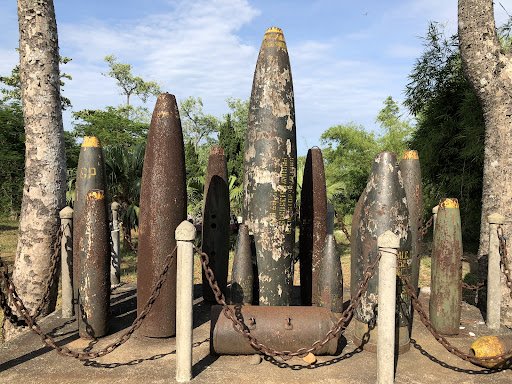
Descend into the earth at the Vinh Moc Tunnels, a humbling testament to human endurance during the Vietnam War. This expansive underground village, meticulously dug by local villagers, allowed them to survive years of relentless bombing. Walking through the dimly lit passages, you’ll sense the tight-knit community, the daily lives lived beneath the surface, and the indomitable spirit that persevered. It’s a powerful, somber experience, offering profound insight into the lives affected by conflict and solidifying its place among crucial historical tourist attractions Vietnam holds dear.
Address: Thôn, Vịnh Mốc, Vĩnh Linh, Quảng Trị, Vietnam
Opening Hours: Monday to Sunday: 7 AM–5 PM
Phone: +84 233 3823 238
- Pros: Deeply impactful historical experience, well-preserved, offers a unique perspective on wartime life.
- Cons: Can be claustrophobic for some.
3. Temple Of Literature
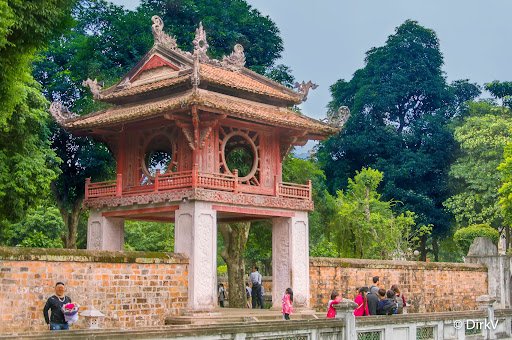
Step into the tranquil courtyards of the Temple of Literature in Hanoi, Vietnam’s first national university and a revered temple of Confucianism. The serene atmosphere invites contemplation as you wander among ancient trees, traditional gates, and the stelae carved with names of successful scholars. This architectural gem, dating back to the 11th century, embodies the enduring value placed on education and wisdom. It’s a perfect spot to appreciate the deep historical roots of Vietnamese scholarship and truly one of the most enriching historical tourist attractions Vietnam proudly preserves.
Address: 58 Quốc Tử Giám, Văn Miếu – Quốc Tử Giám, Đống Đa, Hà Nội, Vietnam
Opening Hours: Monday to Sunday: 8 AM–5 PM
Phone: +84 24 3845 2917
Website: http://vanmieu.gov.vn/
- Pros: Serene ambiance, important cultural and historical significance, beautiful architecture, central Hanoi location.
- Cons: Can get crowded during peak hours.
4. Cu Chi Tunnel

Venture into the legendary Cu Chi Tunnels, an intricate underground network that played a crucial role during the Vietnam War. Feel the tight confines and ingenuity as you explore various levels, imagining the resilience of the Viet Cong soldiers who lived and fought here. The complex includes exhibits and war memorials that vividly portray the resourcefulness and determination of those who used these tunnels. It’s a profound, hands-on journey into a significant chapter of history, making it one of the most visited historical tourist attractions Vietnam offers for understanding the war.
Address: Phú Hiệp, Củ Chi, Ho Chi Minh City, Vietnam
Opening Hours: Monday to Sunday: 7 AM–5 PM
Phone: +84 28 3794 8830
Website: http://diadaocuchi.com.vn/
- Pros: Immersive historical experience, well-guided tours, educational exhibits, close to Ho Chi Minh City.
- Cons: Can feel very confined in some tunnel sections.
5. Ho Chi Minh’s Mausoleum
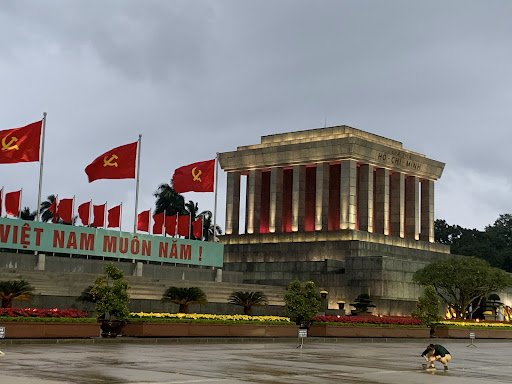
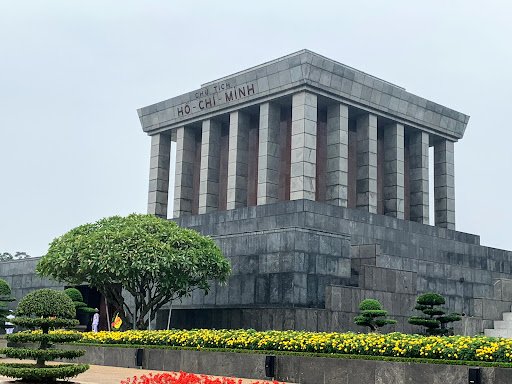
In the heart of Hanoi stands Ho Chi Minh’s Mausoleum, a solemn and monumental tribute to Vietnam’s revered leader. The mausoleum, an impressive architectural structure, is where Uncle Ho’s body is preserved and displayed for public viewing. The surrounding area, including the Presidential Palace and Ho Chi Minh’s Stilt House, adds layers to the story of his humble life and revolutionary spirit. Visiting this site offers a profound glimpse into modern Vietnamese history and culture, a key experience among the significant historical tourist attractions Vietnam presents.
Address: 1 Hùng Vương, Điện Biên, Ba Đình, Hà Nội, Vietnam
Opening Hours: Tuesday to Thursday, Saturday to Sunday: 7:30–11:30 AM
Website: https://www.bqllang.gov.vn/
- Pros: Iconic national landmark, offers insight into Ho Chi Minh’s legacy, serene surrounding gardens.
- Cons: Strict dress code and rules of conduct, closed on Fridays and Mondays, often has long queues.
6. My Son
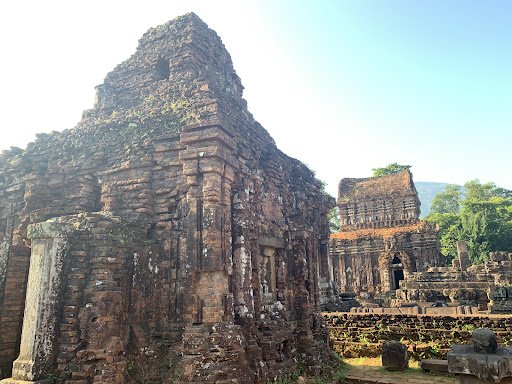
Journey to the mystical My Son Sanctuary, a UNESCO World Heritage site nestled in a lush valley near Hoi An. These poignant ruins of Hindu temples, built by the Champa Kingdom between the 4th and 14th centuries, whisper tales of a lost civilization. The intricate red brick and ornate carvings stand as a powerful testament to ancient artistry and spiritual devotion amidst the verdant jungle. My Son offers a profoundly atmospheric experience, inviting mindful reflection on the impermanence and resilience of human creation, truly one of the most captivating historical tourist attractions Vietnam treasures.
Address: Thánh địa Mỹ Sơn, Duy Xuyên District, Quảng Nam, Vietnam
Opening Hours: Monday to Sunday: 6 AM–5 PM
Phone: +84 235 3731 309
Website: https://disanvanhoamyson.vn/
- Pros: Stunning ancient ruins, rich historical and cultural significance, beautiful natural setting, UNESCO site.
- Cons: Can get very hot, requires significant walking.
7. Hue Imperial City

Immerse yourself in the grandeur of the Hue Imperial City, the former capital of Vietnam’s last imperial dynasty. This sprawling 19th-century citadel, complete with imposing walls, a protective moat, and intricately designed temples, transports you to a bygone era of emperors and concubines. Wander through the Forbidden Purple City, explore ornate palaces, and feel the weight of centuries of history. Hue offers a rich cultural experience, revealing the artistry and power of the Nguyen Dynasty, making it an essential visit among the historical tourist attractions Vietnam boasts.
Address: Phú Hậu, Huế, Hue City, Vietnam
Opening Hours: Monday to Sunday: 7 AM–5:30 PM
Phone: +84 234 3523 237
- Pros: Grand scale, rich imperial history, beautiful architecture, easily accessible.
- Cons: Extensive grounds require a lot of walking, some areas are still under restoration.
8. Independence Palace
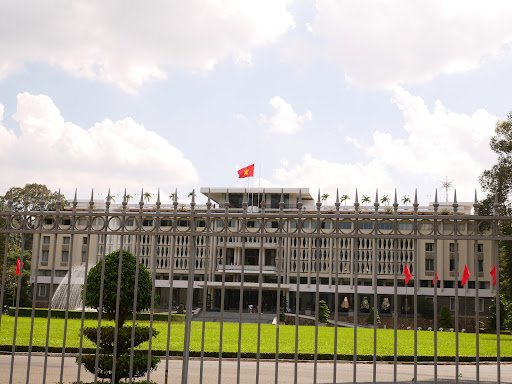
Experience a pivotal moment in modern Vietnamese history at the Independence Palace in Ho Chi Minh City. This iconic building, formerly the presidential palace of South Vietnam, symbolizes the end of the Vietnam War when a tank crashed through its gates in 1975. Take a guided tour to explore its opulent state rooms, underground war bunkers, and period artifacts, which offer a poignant glimpse into the political drama and daily life within. It’s a compelling historical site that resonates with the past, making it one of the most significant historical tourist attractions Vietnam offers for understanding its contemporary narrative.
Address: Ben Thanh, District 1, Ho Chi Minh City, Vietnam
Opening Hours: Monday to Sunday: 8 AM–3:30 PM
Phone: +84 28 3822 3652
Website: https://www.dinhdoclap.gov.vn/
- Pros: Iconic landmark, well-preserved interiors and artifacts, significant modern history, central location in Ho Chi Minh City.
- Cons: Can be crowded, some areas feel dated.
9. Imperial Citadel of Thang Long
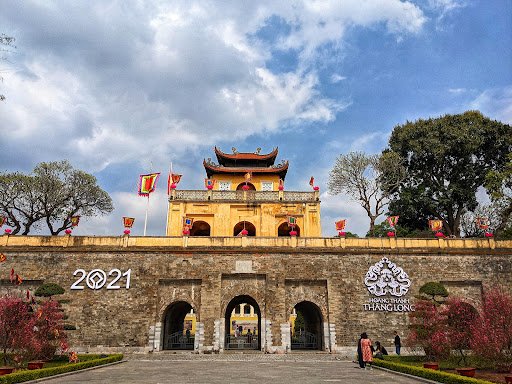
Uncover layers of Vietnamese history at the Imperial Citadel of Thang Long, a UNESCO World Heritage site in Hanoi. This ancient imperial complex has been the seat of Vietnamese power for over a thousand years, with structures dating back to the 11th century. Explore archaeological remains, discover ancient palaces, and marvel at intricate sculptures, including a majestic tower and stone dragon. The site offers a fascinating journey through various dynastic periods, illustrating the enduring legacy of Vietnamese sovereignty and cultural richness, making it a cornerstone among historical tourist attractions Vietnam proudly protects.
Address: 19c Hoàng Diệu, Điện Biên, Ba Đình, Hà Nội 100000, Vietnam
Opening Hours: Friday to Tuesday: 8 AM–5 PM, Wednesday: 8 PM–12 AM, Thursday: 12 AM–5 PM
Phone: +84 24 3734 5427
Website: https://hoangthanhthanglong.vn/
- Pros: UNESCO World Heritage site, vast historical significance spanning centuries, excellent archaeological exhibits, well-maintained.
- Cons: Large site requires ample time to explore, some areas are ruins rather than fully reconstructed buildings.
10. Hoa Lo Prison
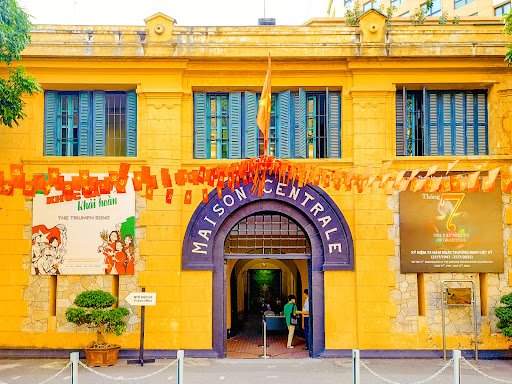
Confront the somber past at Hoa Lo Prison, famously nicknamed the Hanoi Hilton, in Hanoi. Once a prison used by French colonists for political prisoners and later by North Vietnam for American POWs, only the gatehouse remains, now serving as a powerful museum. Exhibits detail the harsh conditions and the resilience of those incarcerated, offering a stark yet vital historical perspective. It’s a profound, often chilling, but incredibly important experience, standing as one of the essential historical tourist attractions Vietnam offers for understanding its complex modern history.
Address: 1 P. Hoả Lò, Trần Hưng Đạo, Hoàn Kiếm, Hà Nội, Vietnam
Opening Hours: Monday to Sunday: 8 AM–5 PM
Phone: +84 825 112 668
Website: https://hoalo.vn/
- Pros: Deeply impactful historical site, well-curated exhibits, centrally located in Hanoi.
- Cons: Can be emotionally challenging, limited original structures remain.
11. Ho Chi Minh’s Stilt House
Discover the humble dwelling of Ho Chi Minh at his Stilt House, located within the Presidential Palace grounds in Hanoi. This simple wooden house, set amidst lush gardens and a serene carp pond, offers a touching glimpse into the personal life of Vietnam’s revolutionary leader. It reflects his dedication to simplicity and the people, contrasting sharply with the grandeur of the nearby palace. Walking through his former residence, you gain a sense of his character and vision, making it a poignant and intimate experience among the various historical tourist attractions Vietnam provides.
Address: 1 Đ. Hoàng Hoa Thám, Đội Cấn, Ba Đình, Hà Nội, Vietnam
Opening Hours: Friday to Monday: 8 AM–12 PM, Tuesday to Thursday, Saturday to Sunday: 8 AM–12 PM, 2–4:30 PM
Phone: +84 80 44287
- Pros: Offers intimate insight into Ho Chi Minh’s simple life, peaceful and picturesque setting, part of a larger historical complex.
- Cons: Can be crowded, limited scope for exploration within the house itself.
12. The Marble Mountains
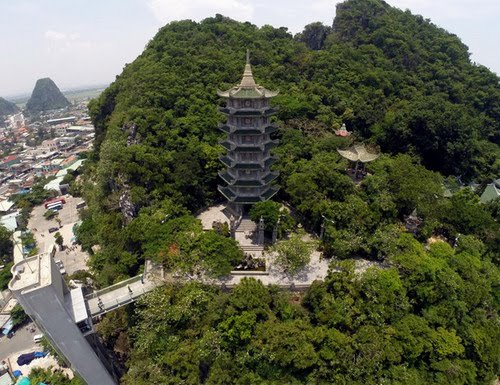
Ascend the mystical Marble Mountains near Da Nang, a cluster of five limestone and marble hills named after the five elements. While famed for their natural beauty, these mountains are also steeped in history and spirituality, housing numerous ancient Buddhist grottoes and Hindu shrines. Explore intricate cave systems, discover elaborate temples, and take in panoramic views from various outlooks. The blend of geological wonder and spiritual heritage makes it a compelling site, offering a unique perspective on historical tourist attractions Vietnam encompasses, revealing centuries of devotion and natural grandeur.
Address: 81 Huyền Trân Công Chúa, Hoà Hải, Ngũ Hành Sơn, Đà Nẵng 550000, Vietnam
Opening Hours: Monday to Sunday: 7 AM–5:30 PM
Phone: +84 236 3961 114
Website: https://nguhanhson.org/
- Pros: Stunning natural scenery, interesting caves and temples, panoramic views, combination of nature and culture.
- Cons: Can be physically demanding due to many stairs, gets very crowded.
13. Quan Thang Ancient House
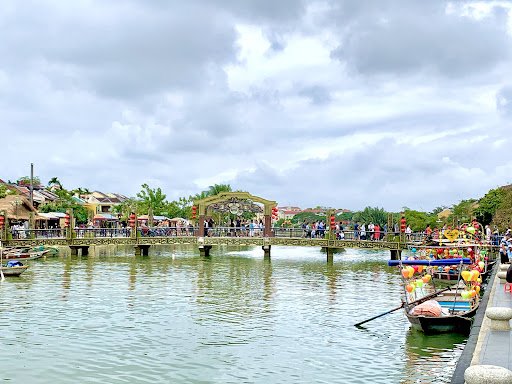
Step back in time within the charming Quan Thang Ancient House in Hoi An, one of the best-preserved traditional merchant houses in the UNESCO World Heritage town. This exquisite wooden house showcases the unique architectural blend of Vietnamese, Chinese, and Japanese influences that characterized Hoi An’s trading port days. Admire its intricate carvings, antique furniture, and the stories held within its aged timbers, offering a tangible connection to the past. It provides a quiet, intimate glimpse into the daily life and cultural heritage of old Hoi An, a delightful experience among historical tourist attractions Vietnam offers.
Address: 77 Trần Phú, Phường Minh An, Hội An, Quảng Nam 560000, Vietnam
Opening Hours: Monday to Sunday: 9 AM–7 PM
- Pros: Well-preserved traditional house, showcases unique Hoi An architecture, central location in Hoi An Ancient Town.
- Cons: Relatively small, can feel busy.
14. The Memorial House of Ho Chi Minh
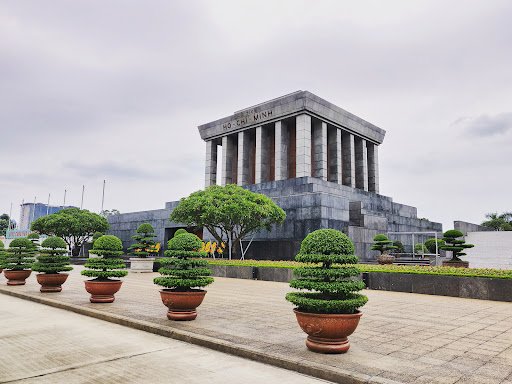
Visit The Memorial House of Ho Chi Minh in Hanoi, a significant site where President Ho Chi Minh lived and worked. This location holds immense historical importance as the place where the Declaration of Independence was drafted. While perhaps less grand than the mausoleum, it offers a more intimate and profound insight into the personal life and pivotal moments of the revolutionary leader. The atmosphere is one of reverence and quiet reflection, allowing visitors to connect deeply with a crucial period in Vietnam’s journey, a poignant addition to historical tourist attractions Vietnam treasures.
Address: 48 P. Hàng Ngang, Hàng Đào, Hoàn Kiếm, Hà Nội, Vietnam
Opening Hours: Monday to Sunday: 8:30–11:30 AM, 1:30–4:30 PM
- Pros: Important historical location, offers personal insight into Ho Chi Minh’s life, central Hanoi location.
- Cons: Small museum, limited information available if not on a guided tour.
15. Group K Tower

Nestled within the My Son Sanctuary, Group K Tower is one of the many compelling remnants of the ancient Champa civilization. Though perhaps less intact than some other structures, its ruins still tell a powerful story of elaborate Hindu temple architecture and the sophisticated craftsmanship of a bygone era. Standing among these weathered bricks, surrounded by the tranquility of the jungle, you can almost hear the echoes of ancient rituals and feel the spiritual energy that once imbued this sacred space. This particular tower adds another layer to the profound historical tourist attractions Vietnam’s central region offers.
Address: Q49C+3C9, Thánh địa Mỹ Sơn, Duy Xuyên, Quảng Nam, Vietnam
- Pros: Part of the UNESCO My Son Sanctuary, contributes to the ancient Champa history, tranquil setting.
- Cons: Less preserved compared to other structures, limited standalone information without a guide.
16. Vietnam Ethnic Village Of Culture & Tourism
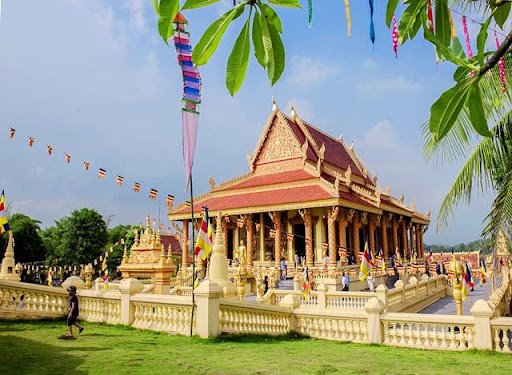
While not a historical site in the traditional archaeological sense, the Vietnam Ethnic Village of Culture & Tourism provides a living history lesson, showcasing the diverse traditions and heritage of Vietnam’s 54 ethnic groups. Wander through recreated traditional villages, learn about unique customs, craftsmanship, and observe daily life, gaining a profound appreciation for the cultural tapestry that forms modern Vietnam. It’s an immersive experience that brings history to life through people and their traditions, a vibrant addition to understanding the historical tourist attractions Vietnam embraces beyond ancient ruins.
Address: Vietnam National Village for Ethnic Culture and Tourism, Huyện Sơn Tây, Hanoi, Vietnam
Opening Hours: Monday to Sunday: 8 AM–5 PM
Phone: +84 24 6292 9777
Website: https://langvanhoavietnam.vn/
- Pros: Rich cultural immersion, interactive exhibits, showcases diverse ethnic groups, great for families.
- Cons: A bit far from central Hanoi, requires a full day to explore thoroughly.
17. Song Hai Square
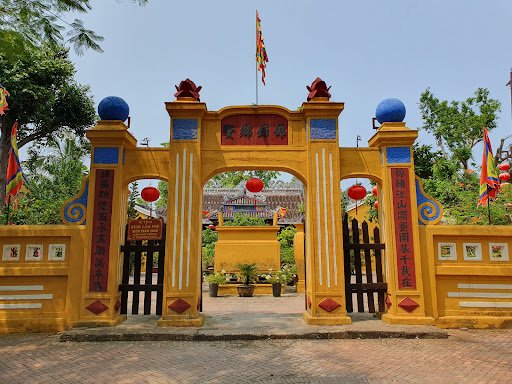
While Song Hai Square itself might not be an ancient ruin, it’s an important public space that embodies the vibrant living history of Hoi An, a UNESCO World Heritage town. Located near the Thu Bon River, this square is often a hub of local activity, where the past and present gracefully intertwine. Imagine merchants trading centuries ago, and now, locals and visitors gathering to enjoy the serene river views and atmospheric evenings. It serves as a beautiful point of reflection on the ongoing narrative of this ancient trading port, connecting to the broader historical tourist attractions Vietnam’s central coast proudly exhibits.
Address: 2 Đường Cao Hồng Lãnh, Phường Minh An, Hội An, Quảng Nam, Vietnam
- Pros: Central location in Hoi An, vibrant atmosphere, scenic river views, good for people-watching.
- Cons: Not a dedicated historical site, more of a public gathering space.
Finding your perfect match
| Destination Name | Price Range | Best For |
|---|---|---|
| Phong Nha – Ke Bang National Park | Mid-range | Adventure, Nature Lovers, History Enthusiasts |
| Vinh Moc Tunnels | Budget | History Buffs, Educational Trips |
| Temple Of Literature | Budget | Culture Seekers, History Buffs, Serene Exploration |
| Cu Chi Tunnel | Budget | History Buffs, Educational Trips, Adventure |
| Ho Chi Minh’s Mausoleum | Budget | History Buffs, Cultural Immersion, Reverent Visits |
| My Son | Mid-range | History Buffs, Culture Seekers, Photographers |
| Hue Imperial City | Mid-range | History Buffs, Culture Seekers, Families |
| Independence Palace | Budget | History Buffs, Educational Trips, Modern History |
| Imperial Citadel of Thang Long | Budget | History Buffs, Culture Seekers, Families |
| Hoa Lo Prison | Budget | History Buffs, Educational Trips, Somber Reflection |
| Ho Chi Minh’s Stilt House | Budget | History Buffs, Cultural Immersion, Quiet Reflection |
| The Marble Mountains | Budget | Nature Lovers, Adventure, Culture Seekers, Families |
| Quan Thang Ancient House | Budget | Culture Seekers, Architecture Enthusiasts, Relaxation |
| The Memorial House of Ho Chi Minh | Budget | History Buffs, Cultural Immersion, Quiet Reflection |
| Group K Tower | Budget | History Buffs, Archaeological Enthusiasts |
| Vietnam Ethnic Village Of Culture & Tourism | Mid-range | Families, Culture Seekers, Educational Trips |
| Song Hai Square | Budget | Relaxation, Culture Seekers, Casual Exploration |
Frequently Asked Questions
What are the typical visiting hours for historical sites in Vietnam?
Most historical tourist attractions Vietnam offers, like the Cu Chi Tunnels or Temple of Literature, are generally open from around 7 AM or 8 AM until 5 PM or 5:30 PM. Some, like Ho Chi Minh’s Mausoleum, have more specific, shorter visiting windows (e.g., 7:30 AM to 11:30 AM) and often close on certain days (Mondays and Fridays for the Mausoleum). Always check the specific opening hours for each site on their official website or by calling ahead to plan your visit.
How much does it cost to enter these historical attractions?
Entry fees for historical tourist attractions Vietnam vary, but many are quite affordable. For example, sites like the Cu Chi Tunnels or Temple of Literature typically have entrance fees ranging from 30,000 VND to 150,000 VND (approximately 1.50 USD to 6.50 USD). Some smaller sites or parts of larger complexes might be free. It’s best to carry some local currency (Vietnamese Dong) for entry and any small purchases.
Are there guided tours available for these historical sites?
Yes, guided tours are highly recommended for many historical tourist attractions Vietnam features, especially sites like the Cu Chi Tunnels, My Son Sanctuary, or the Imperial Citadel of Thang Long, to fully appreciate their significance. You can often hire a local guide at the entrance, join a group tour, or book one in advance through reputable tour operators like VietnamAdventure.
What should I wear when visiting historical and religious sites?
When visiting historical tourist attractions Vietnam that also have religious significance, such as Ho Chi Minh’s Mausoleum, My Son, or temples, it’s respectful to dress modestly. This usually means covering your shoulders and knees. Comfortable walking shoes are also advisable, as many sites involve considerable walking and exploring.
How can I get to these historical attractions?
Transportation options vary by location. For urban sites like the Temple of Literature or Independence Palace in Hanoi and Ho Chi Minh City, taxis, ride-sharing apps (Grab), or even walking are convenient. For sites further afield, such as the Cu Chi Tunnels or My Son, booking a tour bus, hiring a private car, or taking a local bus are good options. Phong Nha – Ke Bang National Park might require specific organized transport due to its more remote nature.
Are these historical sites suitable for families with children?
Many historical tourist attractions Vietnam offers are suitable for families, especially those with older children who can appreciate the history. The Vietnam Ethnic Village of Culture & Tourism is particularly engaging for families due to its interactive cultural displays. Some sites, like the Cu Chi Tunnels, might be intense for very young children due to the themes or confined spaces. Always consider your children’s interest levels and stamina.
Can I purchase food and drinks at or near these historical attractions?
Most major historical tourist attractions Vietnam provides will have vendors selling water and snacks nearby, and larger sites might have small cafes or restaurants. For example, around the Imperial City of Hue or Hoi An Ancient Town, you’ll find abundant dining options. It’s always a good idea to carry water, especially on hot days, and consider packing a snack for longer explorations.
Is photography allowed at all historical sites?
Photography is generally allowed at most historical tourist attractions Vietnam presents, but there might be restrictions in specific areas, especially inside mausoleums, certain religious chambers, or where artifacts are particularly sensitive. Always look for signs indicating photography rules, and respect any requests from staff or guides. Flash photography is often prohibited indoors.
What are some unique experiences I can have at these historical sites?
Beyond standard tours, consider a boat trip along the Perfume River to explore Hue’s imperial tombs, or try navigating a section of the Cu Chi Tunnels to truly feel the historical conditions. At My Son, arriving early in the morning allows for cooler temperatures and beautiful misty views. In Hoi An, simply wandering the ancient streets and stepping into a traditional house like Quan Thang is an experience in itself, offering a mindful connection to the past.
Are there any accessibility considerations for visitors with mobility challenges?
Accessibility can be challenging at some historical tourist attractions Vietnam has, especially older sites with uneven terrain, many stairs, or confined spaces like the tunnels. Newer visitor centers or renovated areas might offer better accessibility. It’s advisable to check with the specific site or tour operator beforehand if you have mobility concerns to ensure a comfortable visit.
Conclusion
Embarking on a journey to explore the historical tourist attractions Vietnam proudly preserves is an experience that resonates deeply with the soul. From the ancient Champa ruins of My Son to the poignant wartime tunnels of Cu Chi and Vinh Moc, the majestic Imperial Citadel of Thang Long, and the revered Ho Chi Minh’s Mausoleum, each site tells a powerful story of resilience, ingenuity, and profound cultural heritage. These destinations offer more than just sights; they offer an opportunity for mindful reflection, a chance to connect with the enduring spirit of the Vietnamese people. Let VietnamAdventure be your trusted companion as you choose your ideal escape, inspiring you to explore these incredible historical tourist attractions Vietnam offers with presence and intention, creating memories that will last a lifetime.